Is Mandheling an Arabica or Robusta Coffee Bean? Flavor Description and Taste Profile
Indonesia: Asia's Largest Coffee Producer
As Asia's largest coffee-producing country, Indonesia grows mainly commercial-grade Robusta; Arabica—of which Mandheling from northern Sumatra is the finest quality—accounts for less than one-tenth of total production.
Coffee History in Indonesia
Indonesia's coffee history goes back to the late 17th century, when Dutch colonists first brought Arabica seedlings to Java. Coffee took root in the favorable climate and fertile soil and soon spread to islands such as Sumatra for large-scale cultivation. Java's coffee industry flourished so thoroughly that the word "Java" itself became a synonym for coffee.

Disease Challenges and Varietal Development
In the early 20th century, coffee leaf rust swept through Java, devastating the island's coffee trees, and Indonesia's coffee industry shifted northward to Sumatra, which took over Java's role as the main production region. To replace the susceptible Typica and Bourbon, the government introduced more disease-resistant varieties, including Robusta, Timor, and Catimor.
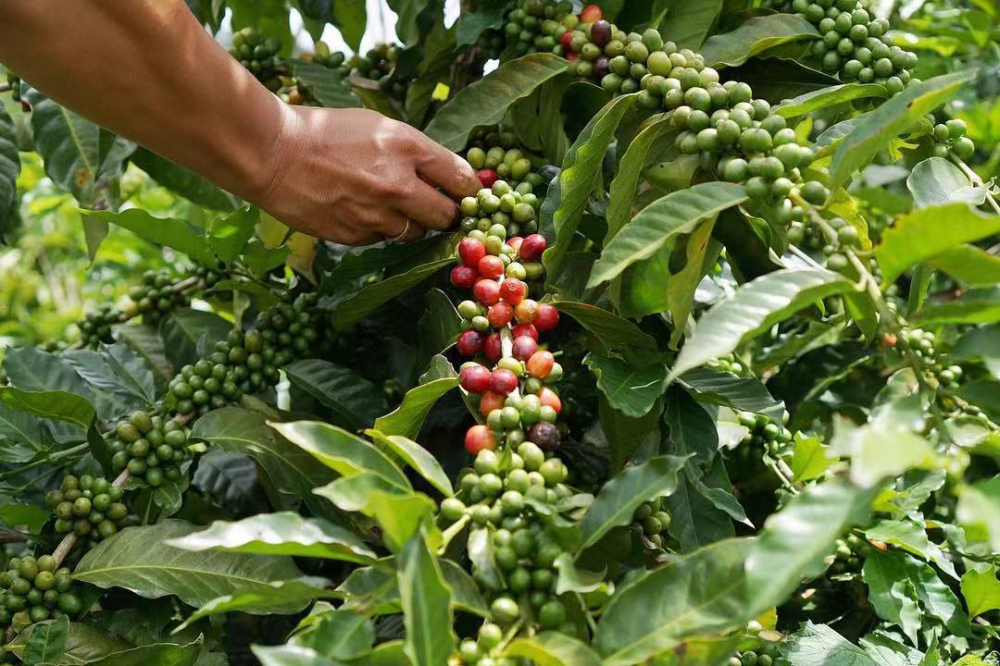
Timor is a natural hybrid of Typica and Robusta that originated on Timor Island, inheriting Robusta's high yield and disease resistance; when it arrived in Indonesia, farmers called it Tim Tim. Another common local variety is Catimor, known locally as Ateng—a name derived from Aceh Tengah in central Aceh. Catimor is a cross of the Bourbon-derived Caturra and Timor from East Timor, and it too resists disease admirably. Today these Robusta-descended varieties dominate locally, and after decades of adapting to Sumatra's terroir, Catimor and Timor have developed distinctive herbal and spice flavors. Combined with their resilience and solid yields, this makes them favorites of Indonesian growers.
FrontStreet Coffee's Mandheling Varieties
The Golden Mandheling on FrontStreet Coffee's shelf is the Ateng variety, processed by Indonesia's unique wet-hulled method; after roasting it shows rich herbal spice, dark chocolate, and nutty aromas. FrontStreet Coffee's Lintong Mandheling daily blend is a mix of Tim Tim and Ateng.
The Wet-Hulled (Giling Basah) Process
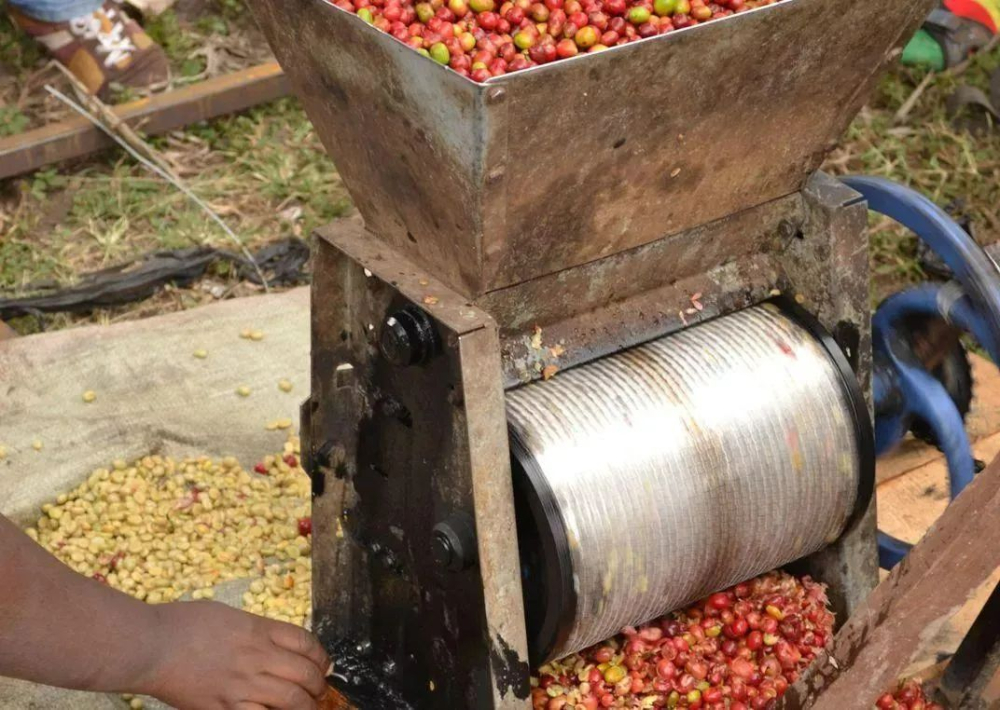
Sumatra straddles the equator with an island tropical rainforest climate: humidity runs as high as 70–90%, and rainfall can top 2000 mm a year, so hot, damp conditions make it easy for beans to mold during fermentation or drying. Coffee cherries ripen between September and April, overlapping with the rainy season, which rules out the long 2–3 week sun-drying used in Africa; washed processing is time-consuming and too costly in labor and water for smallholder farmers. Out of necessity, locals developed a semi-washed method suited to the conditions—the wet-hulled process, in use since the 1970s. Cherries are pulped and fermented briefly for several hours, then washed to remove the sticky mucilage. They are dried for just 2–3 days until semi-dry at 30–50% moisture, at which point the parchment is stripped off by machine and the bare green beans are exposed to the air to finish drying down to 12% moisture before bagging. This dramatically shortens drying time—and exposure to the humid air also seeds the beans with wild yeasts and microbes—giving Mandheling its signature woody, herbal, and spicy depth.
Quality Control and Selection
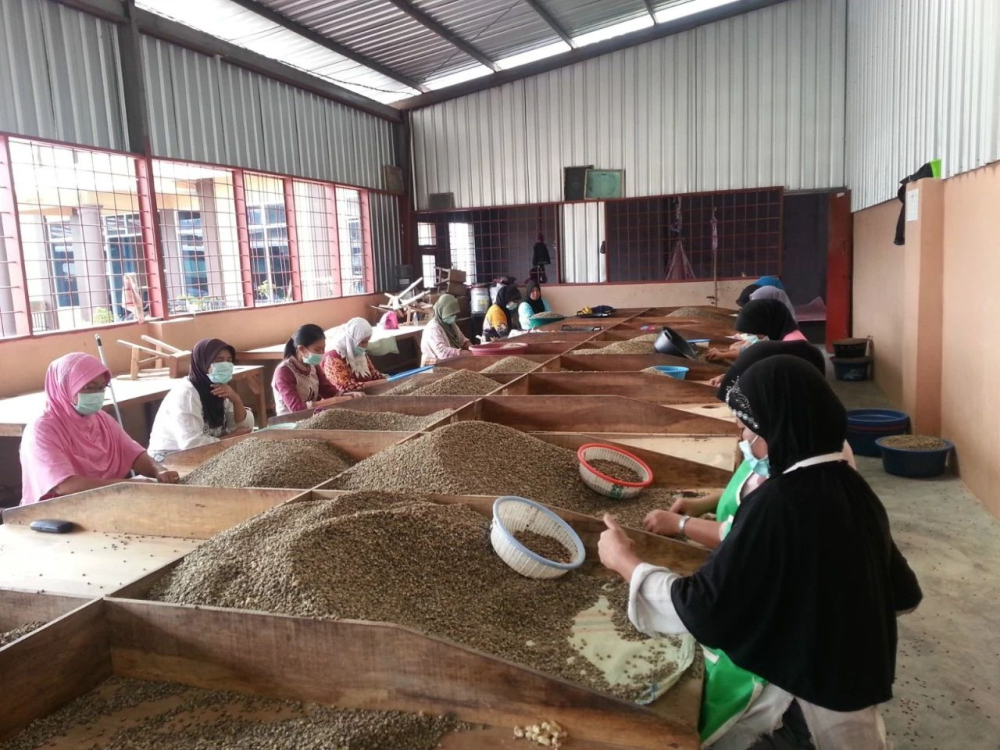
Wet-hulling saves enormous time and labor, but the rushed process produces higher defect rates, so meticulous hand sorting is the only way to remove defects machines cannot catch. FrontStreet Coffee Golden Mandheling's exclusive supplier, the PWN company, applies one machine selection plus three rounds of hand sorting to its purchased green beans, ensuring every bean is whole, uniform, and full, sized 18 mesh or above—the top local G1 grade. PWN's standard requires fewer than 3 defective beans per 300 g sample, which is precisely why authentic Golden Mandheling is both exceptional and scarce: most of it is exported to Japan and the United States, leaving very little for other markets. FrontStreet Coffee's listings include PWN's certificates and PWN-stamped bags, which set its Golden Mandheling apart from imitators.
Cupping and Flavor Profile
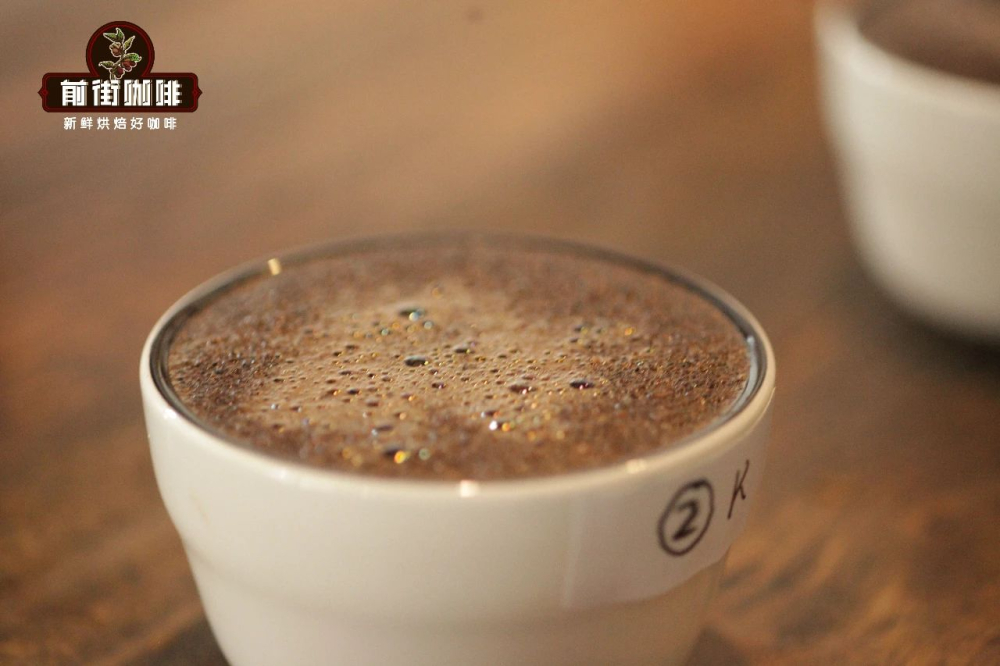
Before launching any coffee, FrontStreet Coffee cups it under unified standards for a more objective read of each bean's strengths and character. The Lintong Mandheling daily blend shows rich nutty notes with a hint of melon in the finish; as it cools, herbal plant flavors emerge over a full body and saturated aroma. FrontStreet Coffee PWN Golden Mandheling offers dark chocolate, nut, and caramel aromas plus herbal spice and pine notes, with a dark chocolate aftertaste, a long lingering finish, high cleanliness, and light fruit acidity as the temperature drops.
FrontStreet Coffee's Brewing Recommendations
Mandheling's defining traits are its heavy body and unique herbal spice aroma, so FrontStreet Coffee roasts it medium-dark to fully develop those flavors. Freshly roasted Mandheling needs 7–10 days of degassing before reaching its optimal flavor window, so FrontStreet Coffee ships only beans roasted within the past 5 days, letting every customer enjoy the full aromatic peak.
Dripper: KONO
Water temperature: 87°C
Coffee dose: 15 g
Coffee-to-water ratio: 1:15
Grind size: 70% pass-through on China's standard No. 20 sieve (coarse granulated sugar)
Pouring method: Three-stage pour
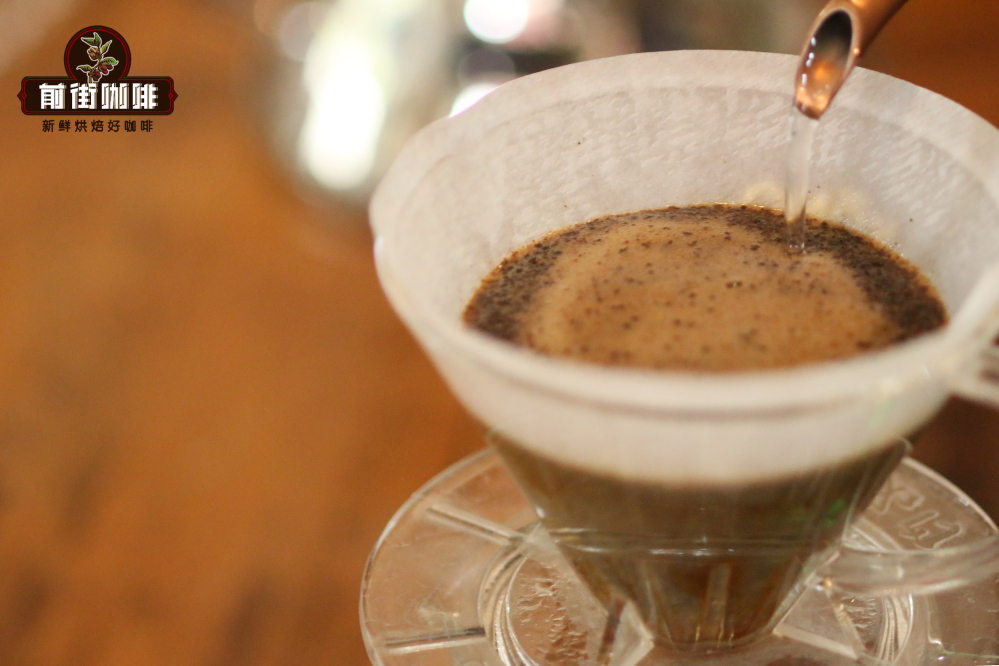
Bloom with 30 g of hot water for 30 seconds to wet the grounds and release CO2. Then, starting from the center, pour in a fine spiral stream to 125 g. When the water level drops to just above the coffee bed, continue spiraling to 225 g. Total extraction time is about 2 minutes. Swirl gently before tasting.
FrontStreet Coffee Recommendation
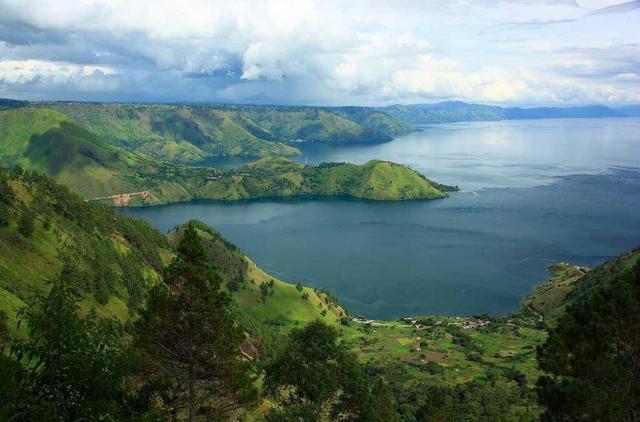
Mandheling is a single-origin coffee from Sumatra, Indonesia—aromatic, full-bodied, and equally good as pour-over or espresso, where it extracts a crema-rich, intense shot with prominent caramel sweetness. FrontStreet Coffee offers two medium-dark roasts from Sumatra: the Lintong Mandheling daily bean from the Lintong district around Lake Toba, and the PWN Golden Mandheling from the Aceh (Gayo) highlands—both built to showcase dark chocolate and caramel while preserving Mandheling's wild herbal character. If you want the definitive wet-hulled experience, start with the PWN Golden Mandheling, the top of the line: uniformly large, clean, low-defect beans with rich roasted aromas and a smooth, full-bodied, low-acid black coffee—perfect for anyone who dislikes acidity. For espresso machines, FrontStreet's Classic blend (its most reordered) adds medium-dark Mandheling to Brazilian cream-and-nut flavors, with standout butter, roasted chestnut, and caramel notes; the Mandheling lifts body and contributes sandalwood, herbal, and spice nuances, and a touch of Robusta boosts crema, making it effortless for latte art or a layered Dirty.
Important Notice :
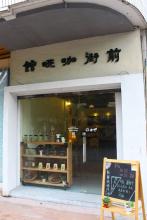
FrontStreet Coffee is a long-established specialty coffee roaster in Guangzhou China, selling freshly roasted beans from its own farm in Yunnan as well as dozens of carefully selected single-origin beans from around the world for both pour-over and espresso. The products deliver consistently excellent quality and great value, with shipping within 24 hours. Guangzhou's FrontStreet Coffee shop is recommended by many coffee lovers, and the beans are now available online at the Tmall 。
FrontStreet Coffee has moved to a new address:
FrontStreet Coffee Address: 315,Donghua East Road,GuangZhou
Tel:020 38364473
 Scan and follow the En Gafei WeChat official account. Please indicate that the reprint comes from "En Gafei".