Pour-Over Coffee Water-to-Ratio Guide: Step-by-Step Illustrated Starbucks Pour-Over Brewing Parameters
The Art of Pour-Over Coffee
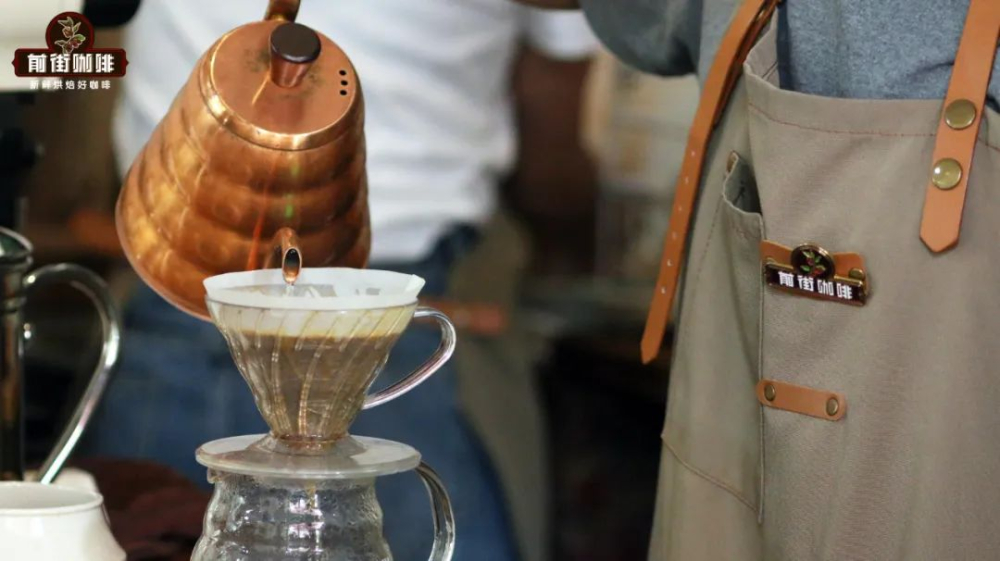
The charm of pour-over coffee lies in the ability to adjust subtle parameters and regulate extraction variables at different stages to reach your preferred flavor and texture. FrontStreet Coffee believes the coffee-to-water ratio is a crucial parameter. Mastering it not only makes extraction more stable but also lets flavors show at their best.
What is the coffee-to-water ratio in pour-over brewing?
During pour-over brewing, when water meets the coffee grounds, the water acts as a solvent that helps dissolve the soluble flavor compounds in the coffee. The coffee-to-water ratio essentially determines how much water we use to extract those compounds. It refers to the proportion between coffee grounds and total water volume, which directly affects the concentration of the coffee. Whatever the brewing method, FrontStreet Coffee decides the coffee-to-water ratio before extraction. For example, FrontStreet Coffee's standard single cup uses 15 grams of coffee grounds at a 1:15 ratio, meaning a total of 225 ml of hot water is poured.
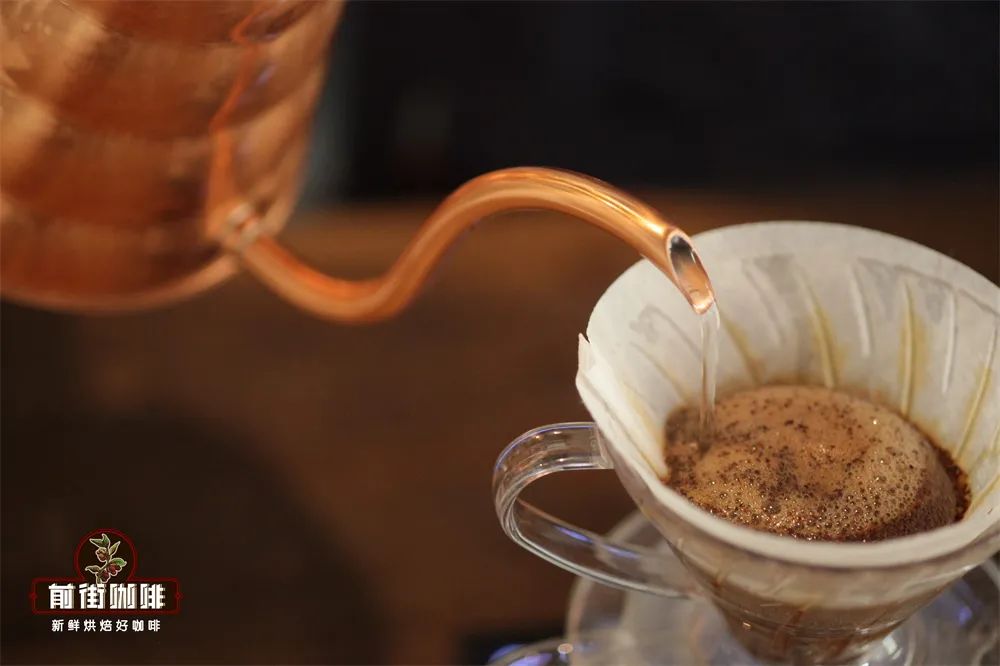
When all other parameters stay the same, the more water you pour, the lower the coffee concentration and the more dispersed the flavor; the less water you pour, the higher the concentration and the more intense, heavy the coffee flavor becomes. In addition, the more water you pour, the higher the extraction rate, yielding more soluble compounds. (Extraction rate is the proportion of soluble substances extracted from the coffee relative to the weight of the coffee grounds.) As brewing progresses, extraction efficiency continuously decreases, and undesirable bitter compounds may be released, affecting the final taste. We therefore need to find an appropriate coffee-to-water ratio to achieve the best concentration and extraction rate.
How to find the optimal coffee-to-water ratio?
The coffee-to-water ratio is typically a matter of experience rather than a strict fixed rule. For example, when FrontStreet Coffee brews Jamaican Blue Mountain coffee, aiming for a balanced concentration, it uses a 1:15 ratio. When brewing Hacienda La Esmeralda Natural Red Label coffee, however, FrontStreet Coffee wants clearer flavors with brighter acidity, so it uses a 1:16 ratio. Based on FrontStreet Coffee's past experience, beginners are advised to start with ratios between 1:15 and 1:18—that is, 15 grams of coffee to 225-270 ml of water.
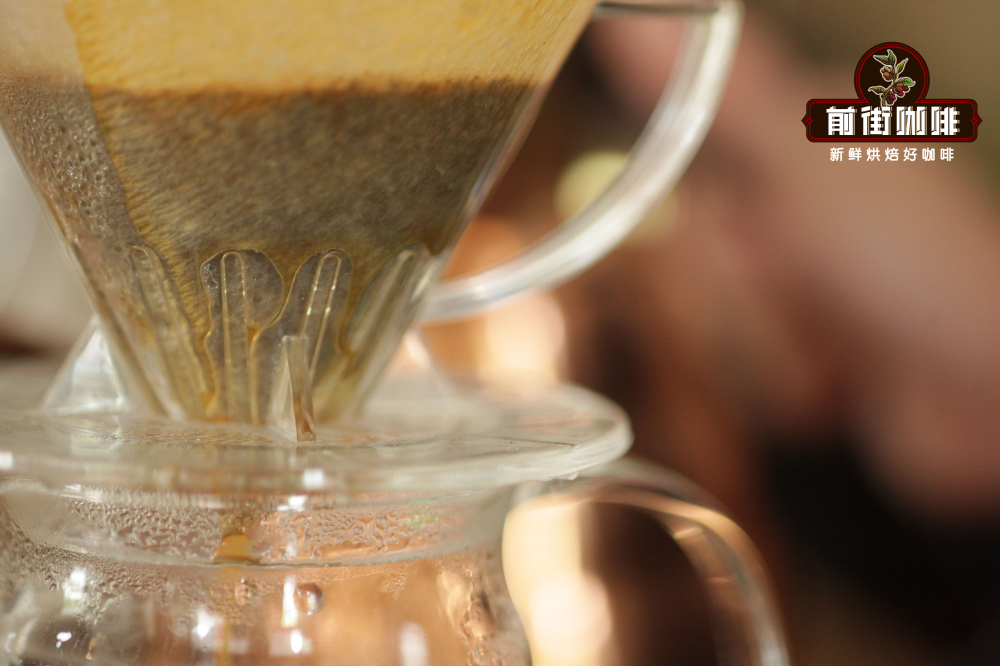
The coffee-to-water ratio is not the only factor determining flavor, so we also need to understand other parameters: extraction time, water temperature, grind size, pouring method, and the functional properties of drippers and filter paper—all of which affect the final taste. Once you have begun to learn the relationships among the various pour-over parameters, fixed variables such as the coffee-to-water ratio and water temperature become adjustable factors you can move up or down to make coffee taste better.
Why pour water in stages?
We often see baristas pause during pour-over brewing, waiting for the water level to drop before adding more water. This is called staged extraction.
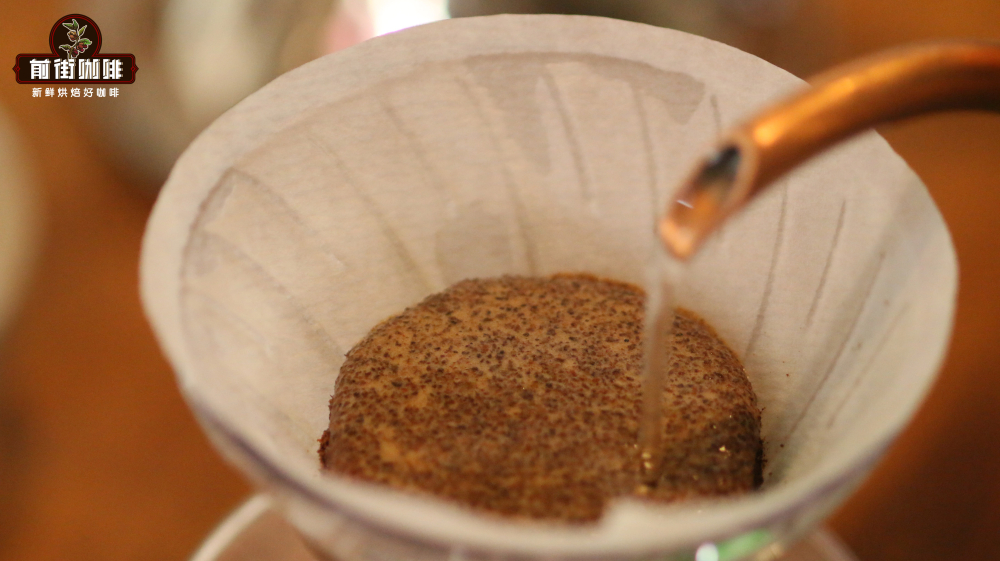
The first stage involves pouring a small amount of hot water to moisten the coffee grounds, with the purpose of releasing internal gases so they don't affect later stages. This step is called "blooming." The most common blooming method is pouring twice the amount of water as coffee grounds and letting it bloom for 30 seconds. For example, with FrontStreet Coffee's 15 grams of coffee grounds, 30 ml of water is used for blooming—also the easiest blooming formula for beginners to master. Staged pouring is counted by whether there are pauses after the bloom. If the pouring after blooming is divided into two stages, plus the bloom, it becomes a "three-stage pour," and so on; if the pouring after blooming has no pauses and is completed in one go, it is called "single-stream pouring."
Baristas use staged extraction because, during pour-over, different chemical components in coffee extract at different rates. The order of flavor release when exposed to hot water is acidity, then sweetness, then bitterness. In staged extraction, besides the bloom, with the same coffee-to-water ratio, the more stages you divide, the smaller the amount of water per stage, the more times the coffee bed is rinsed and stirred, and the higher the extraction rate.

Increasing the number of stages also extends total extraction time, and the more coffee compounds released in each stage, the richer the flavor layers. However, FrontStreet Coffee wants to remind everyone that the more stages, the longer the operation, increasing the risk of over-extraction. In the later stages, larger molecular compounds in the coffee are released more easily, and the sweetness is instead masked. So more stages are not necessarily better. How, then, should staged pouring be calculated?
Recommended three-stage pour-over method
Based on past brewing experience, FrontStreet Coffee recommends that beginners adopt a three-stage pouring method. Three-stage extraction helps dissolve flavor compounds more fully during extraction and increases texture layers, while avoiding the over-extraction that can result from prolonged soaking. For 15 grams of coffee grounds at a 1:15 ratio and 225 ml of total water, the three-stage water amounts are divided into 30 ml, 95 ml, and 100 ml, with the electronic scale showing 30 g, 125 g, and 225 g.
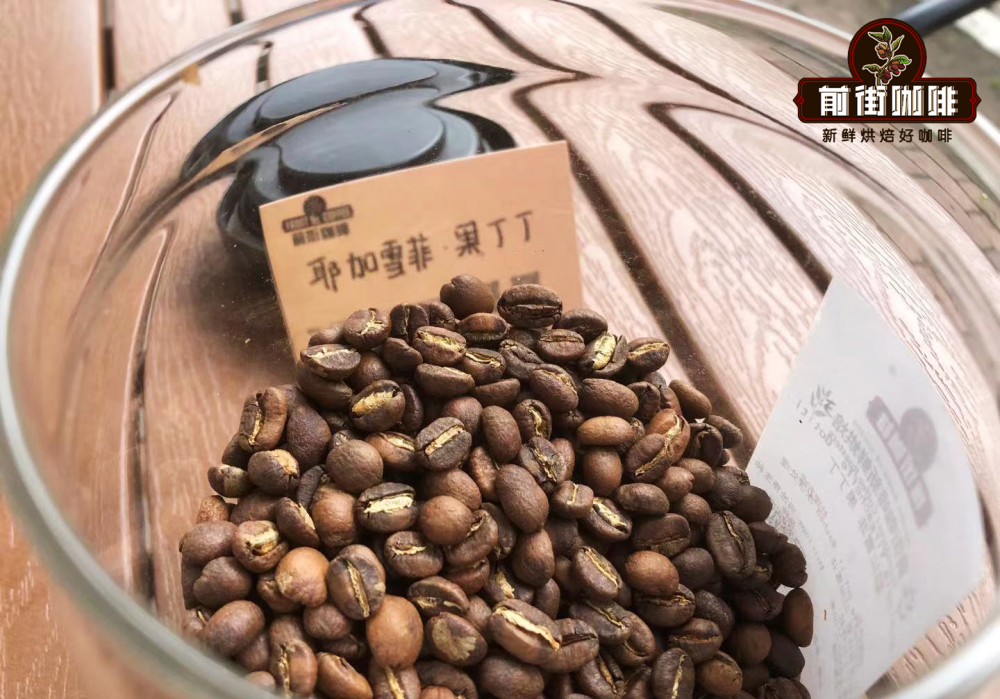
Here, FrontStreet Coffee selects its own house-roasted washed Yirgacheffe Gedeb cooperative beans, paired with a Hario V60 dripper. The V60's spiral rib design lets the grounds release gases better, maximizing the volatilization and dissolution of acidic aroma compounds. Because Yirgacheffe uses a light roast, the beans have a harder texture and need hot water at 92°C-93°C to draw out the floral and fruity notes.

FrontStreet Coffee recommends a medium-fine grind (78% pass rate on a Chinese standard #20 sieve), similar to the coarseness of fine sugar. Grinding too coarsely cannot extract the mellow, rounded compounds, giving thin coffee; grinding too finely can easily over-extract at high water temperature, resulting in bitter, astringent coffee.
For the brewing ratio, FrontStreet Coffee believes both 1:15 and 1:16 are acceptable. If you want a richer mouthfeel, use 1:15; if you want to perceive floral aromas and sweetness more clearly, you can use 1:16 to let the flavors disperse more.

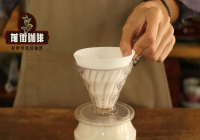
First, place the folded filter paper in the dripper and moisten it with water so it fits the dripper better. Pour out the water in the lower pot, pour 15 grams of ground coffee into the dripper, and zero the electronic scale.

First, pour 30 g of water for a 30-second bloom. Start timing as you pour, using a small stream from the center point and spiraling outward, making sure to moisten the entire coffee bed.

After 30 seconds, begin pouring the second stage of 95 g of water with a slightly larger, steady stream, aiming to lift the entire coffee bed. The water column needs to be poured vertically and evenly, with the timer scale showing 125 g, completed around 55 seconds.

When the liquid level drops to about halfway, start pouring the third stage of 100 g in a small stream and small circles, trying not to circle too widely, as that can easily disperse the grounds and cause under-extraction. Finally, the total amount of water poured is 225 g, with the drawdown completing in about 2 minutes. After removing the dripper, swirl the coffee in the server to even it out before tasting.

The amount of water poured at each stage is not fixed. We can adjust it according to our accumulated pour-over experience and our understanding of the beans. FrontStreet Coffee understands coffee brewing as a science-based experiment. To master pour-over coffee, we need to deeply understand the true meaning of each brewing parameter. That way, we can easily find experimental methods and build a brewing framework that suits us.
FrontStreet Coffee Recommendation
Because this article uses a light-roasted washed Yirgacheffe to demonstrate the three-stage method, FrontStreet Coffee's Gotiti Cooperative coffee is a natural match—a washed lot from a village in the Woka area at Yirgacheffe's southeastern edge, with clean citrus and lemon acidity and jasmine fragrance, and it is forgiving to brew. If you want the fruitier, tropical side of Ethiopian coffee, FrontStreet Coffee's Ethiopia Flower Queen is famous for its intense tropical fruit aroma and very low bitterness, often described as the coffee that least resembles coffee. For a brighter, juicy washed bean, FrontStreet Coffee's Kenya Small Tomato is grown in the Thika region at 1,550–1,750 meters from SL28 and SL34, given a 72-hour double-wash fermentation and a light roast for cherry tomato, smoked plum, and brown-sugar notes on a full, sweet-tart frame. If you prefer a richer cup, FrontStreet Coffee's Jamaica Blue Mountain No.1 and PWN Golden Mandheling are the classic medium and medium-dark options, while FrontStreet Coffee's Brazil Queen Estate suits anyone who wants low acidity and balanced nut and caramel sweetness. And for a floral, high-value everyday pour-over, FrontStreet Coffee's Strawberry Candy blend pairs a honey-processed Costa Rican coffee with a Panamanian Geisha.
Important Notice :
FrontStreet Coffee is a long-established specialty coffee roaster in Guangzhou China, selling freshly roasted beans from its own farm in Yunnan as well as dozens of carefully selected single-origin beans from around the world for both pour-over and espresso. The products deliver consistently excellent quality and great value, with shipping within 24 hours. Guangzhou's FrontStreet Coffee shop is recommended by many coffee lovers, and the beans are now available online at the Tmall 。
FrontStreet Coffee has moved to a new address:
FrontStreet Coffee Address: 315,Donghua East Road,GuangZhou
Tel:020 38364473
 Scan and follow the En Gafei WeChat official account. Please indicate that the reprint comes from "En Gafei".