What is Coffee Balance? Optimal Water Temperature for Balanced Pour-Over Coffee
FrontStreet Coffee has noticed an interesting pattern. When tasting a light roast, people tend to start with the flavour, saying things like "the fruit note in this coffee is very distinct." When tasting a dark roast, they focus on mouthfeel, describing it as "very mellow or smooth." And when tasting a medium roast, the first thing that comes to mind is often "this coffee is very well balanced."
That difference in description comes mainly from the characteristics each roast level shows. Light roasts typically highlight bright acidity and fruity sweetness, making it easy to associate them with fruits you have tasted. The bitterness in a dark roast may not strike many people as remarkable, but what they enjoy is the pleasant aftertaste that follows the bitterness — and beyond that, the mellow, smooth mouthfeel.
As for medium roast coffee, the acidity isn't too pronounced, the sweetness isn't especially prominent and it isn't overly bitter — its defining characteristic is balance.
But what we call balance in coffee is not simply balance of flavour.
Understanding Coffee Balance
In coffee cupping there is a scoring category called Balance. That perspective is somewhat abstract and multidimensional. Horizontally, it measures the harmony between the coffee's acidity, sweetness, body and aftertaste. Vertically, it assesses how well the coffee's characteristics stay balanced as it cools from hot to cold over time.
That may sound complex, so let FrontStreet Coffee simplify it: in cupping, the balance score evaluates whether a coffee's flavour, mouthfeel and aftertaste stay harmonious across different temperatures, without jarring elements or noticeable shortcomings. Balance is a deductive metric based on overall sensory comfort.
Examples of Poor Balance
FrontStreet Coffee cups a great many beans every year, and here are some examples of samples with low balance scores. FrontStreet Coffee once cupped a Kenya AB grade coffee. It had excellent acidity and sweetness and a very solid mouthfeel, but almost no aftertaste. While it was in the mouth it delivered dark berry-like sweet-and-sour notes, smooth and full, but after swallowing the mouth felt as if it had been rinsed, with no aftertaste feedback at all. The overall experience was imbalanced, which cost it points in the balance category.

Next was a Panamanian Geisha. This coffee also performed exceptionally well in aroma, acidity and sweetness, but its flavour was very weak, with a thin, watery mouthfeel. Its balance rating would not be high.
The final example is classic: a Colombian Caturra. At high temperature it performed very evenly across acidity, sweetness, mouthfeel and aftertaste, but at medium to low temperatures the acidity and fermented notes became prominent and jarring, hurting the overall sensory comfort. This bean, too, scored relatively low for balance.
Beans like these, with "deductions" in balance, are passed over by FrontStreet Coffee straight away.
Characteristics of Well-Balanced Coffee
Now FrontStreet Coffee turns to what makes a well-balanced coffee. Good balance doesn't just mean soft acid-sweet-bitter flavours; it means a comfortable overall sensory experience. A light roast, for example, may have more pronounced acidity, but if its overall performance isn't jarring and it has no noticeable shortcomings, it can still be a very well-balanced bean.
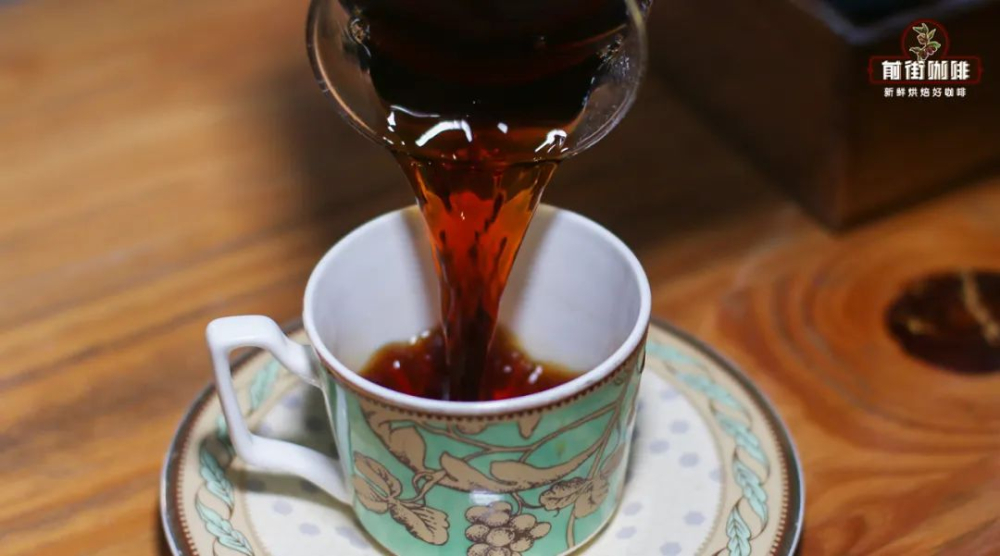
The Epitome of Balance: Blue Mountain Coffee
Finally, the representative of balance — Blue Mountain. Many people find Blue Mountain unremarkable, with no standout feature, and struggle to justify its premium price. Indeed, in flavour it cannot compare with many African beans; in mouthfeel it is not as impressive as Mandheling; and for acid-sweet-bitter balance there are plenty of South American alternatives.
Yet while it may not excel in any single category, Blue Mountain's overall performance is the most comfortable. The acid, sweet and bitter notes are soft and balanced, with a mellow yet clean mouthfeel and a sweet aftertaste. (Limited production, of course, is also one reason for the high price.)
FrontStreet Coffee Recommendation
Balance is easiest to judge in a pour-over, and a V60 is a good place to start. For the classic version, FrontStreet Coffee's Jamaica Blue Mountain No. 1, roasted medium-dark, gives cream, caramel, chocolate and nuts with a soft finish — the definition of an even cup. If you want a little more depth, FrontStreet Coffee's PWN Indonesia Golden Mandheling brings herbal and black chocolate notes with a thick, gentle body. Both are the kind of beans this era of coffee drinking built its reputation on, and both suit the V60's fast, even extraction.
Important Notice :
FrontStreet Coffee is a long-established specialty coffee roaster in Guangzhou China, selling freshly roasted beans from its own farm in Yunnan as well as dozens of carefully selected single-origin beans from around the world for both pour-over and espresso. The products deliver consistently excellent quality and great value, with shipping within 24 hours. Guangzhou's FrontStreet Coffee shop is recommended by many coffee lovers, and the beans are now available online at the Tmall 。
FrontStreet Coffee has moved to a new address:
FrontStreet Coffee Address: 315,Donghua East Road,GuangZhou
Tel:020 38364473
 Scan and follow the En Gafei WeChat official account. Please indicate that the reprint comes from "En Gafei".