Colombian Huila Coffee Beans: Estate Characteristics, Flavor Profile, Processing Methods, and Varieties
Colombia's Exceptional Coffee Heritage
Colombia has a long history of coffee cultivation, and its superb geography and climate provide an unmatched natural environment for coffee trees. Coffee production runs the length of the Andes across the country. When it comes to specialty coffee, FrontStreet Coffee must highlight the Huila region, which appears again and again in competitions. FrontStreet Coffee's Colombian daily selection beans are chosen specifically from this area.
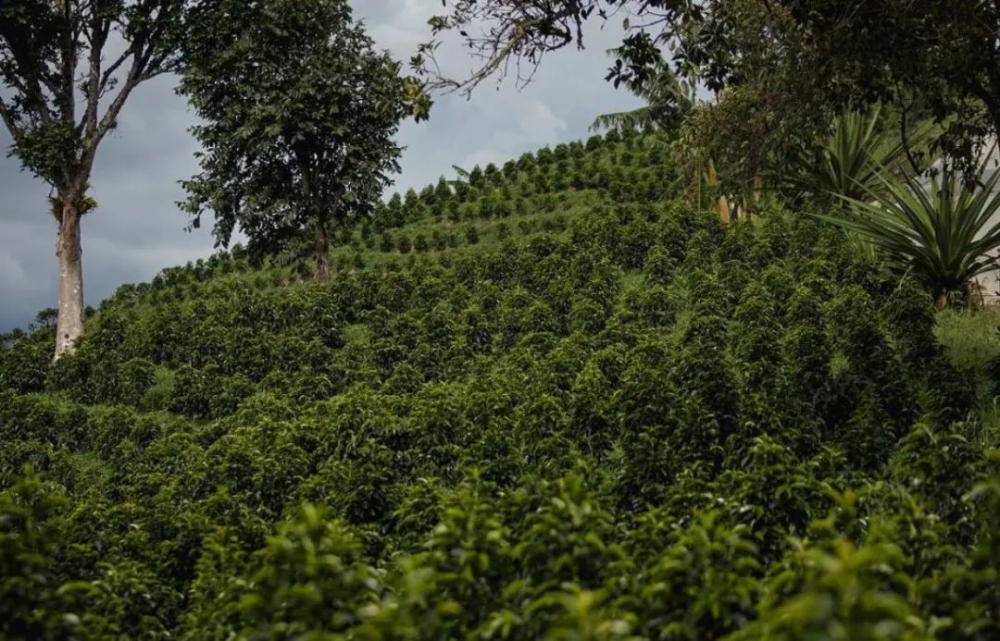
Huila Region
Huila's rise began in the 21st century, as it frequently appeared on the winner lists of green bean competitions and earned official Designation of Origin certification in 2013. The Huila region takes its name from Huila Province, in southwestern Colombia on the side of the Andes, near the Huila volcano. Volcanic eruptions have enriched the soil with fresh ash, which benefits coffee trees in particular. Compared with other regions, Huila enjoys year-round rainfall and suitable temperatures, allowing coffee to be cultivated above 2,000 meters. Coffee grown at such altitude carries bright acidity and chocolate notes.
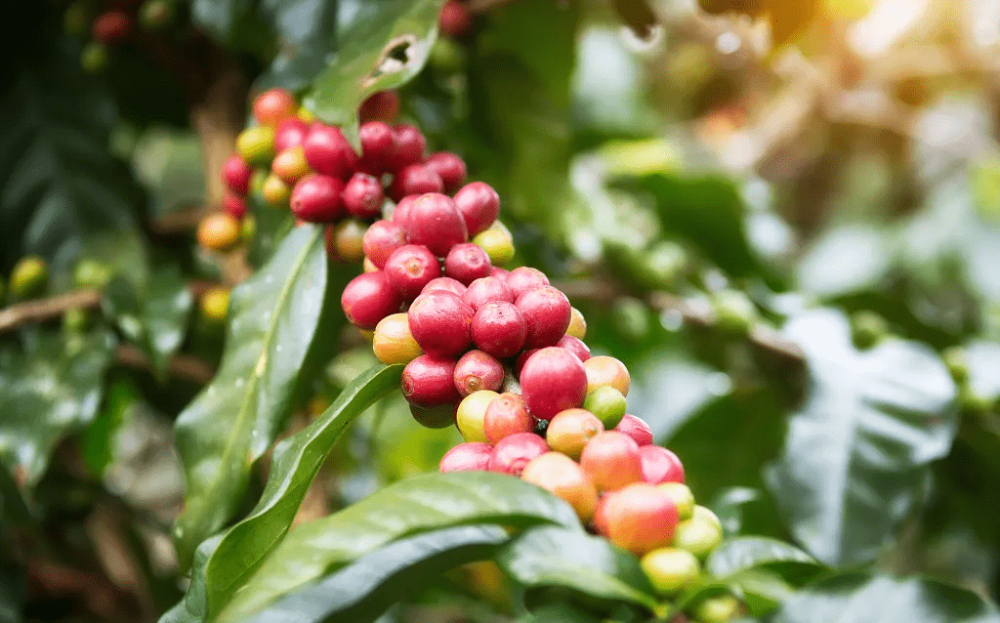
Huila coffee is produced mostly by small-scale farmers, with local farms typically under 1.5 hectares. Farmers plant shade trees to provide better growing conditions and quality assurance. When the cherries ripen, Colombians carefully select the most mature, plump fruit, processing it at the freshest stage to preserve quality at every step.
Washed Huila Coffee
Many Colombian coffees on the market today undergo special processing, presenting very distinct aromas. FrontStreet Coffee believes those coffees offer excellent flavors too, but for anyone who wants to experience Colombia's most original character, FrontStreet Coffee recommends starting with washed and natural sun-dried processing.

Colombia's abundant water makes it ideal for washed processing. Family-run farms have specialized green bean processing machines (Ecomill or Eco-Pulper). Farmers pour the harvested cherries into these machines, which remove the skin and pulp while using minimal water to eliminate most of the mucilage. The remaining parchment beans, with small amounts of mucilage, enter small pools or containers—often tiled pools—for overnight fermentation to loosen the residual mucilage. The next day they are rinsed thoroughly with clean water and finally dried in the sun to the target moisture content.
Washed processing safeguards quality while allowing Huila coffee to present its most authentic character. That is why FrontStreet Coffee prioritizes washed lots when selecting daily beans, using the widely cultivated local Caturra variety.
Caturra Variety
Colombia cultivates many coffee varieties, predominantly traditional Arabica types such as Caturra, Bourbon, Typica, and Pacamara. There are also popular rare varieties like Gesha, which have appeared in small lots on the market in recent years.
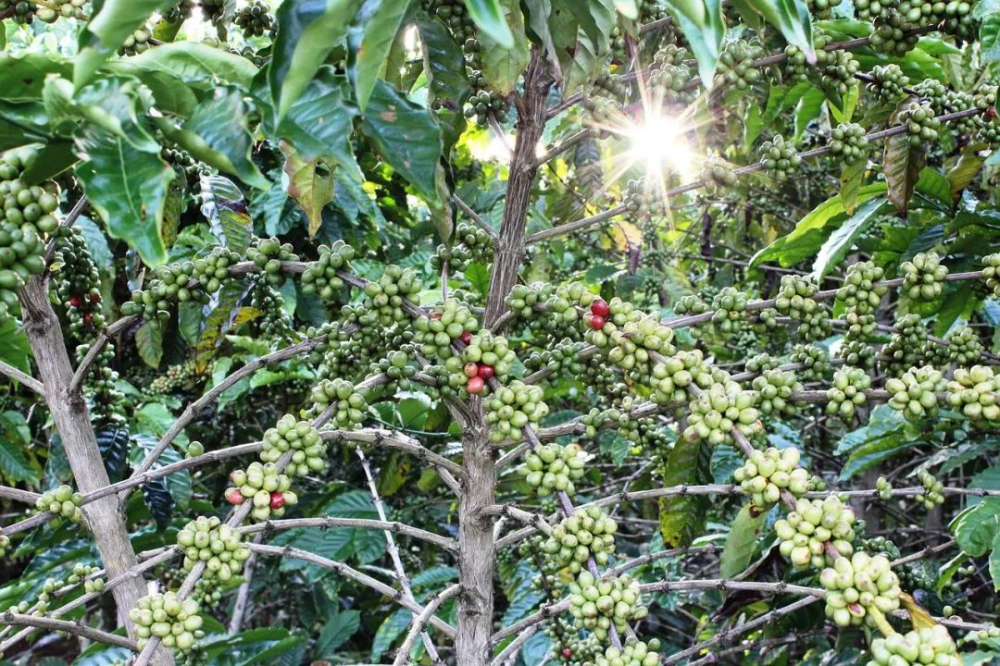
Caturra is a natural mutation of Bourbon, discovered in Brazil in 1937. Its high yield and good disease resistance make it ideal for large-scale cultivation. Caturra plants are relatively short, which eases harvesting, and they stay vigorous even under direct sun—farmers call it "Sun Coffee." Caturra suits cultivation from a low of 700 meters to a high of 1,700 meters, showing strong altitude adaptability, though higher altitudes produce better flavor at relatively reduced yields.
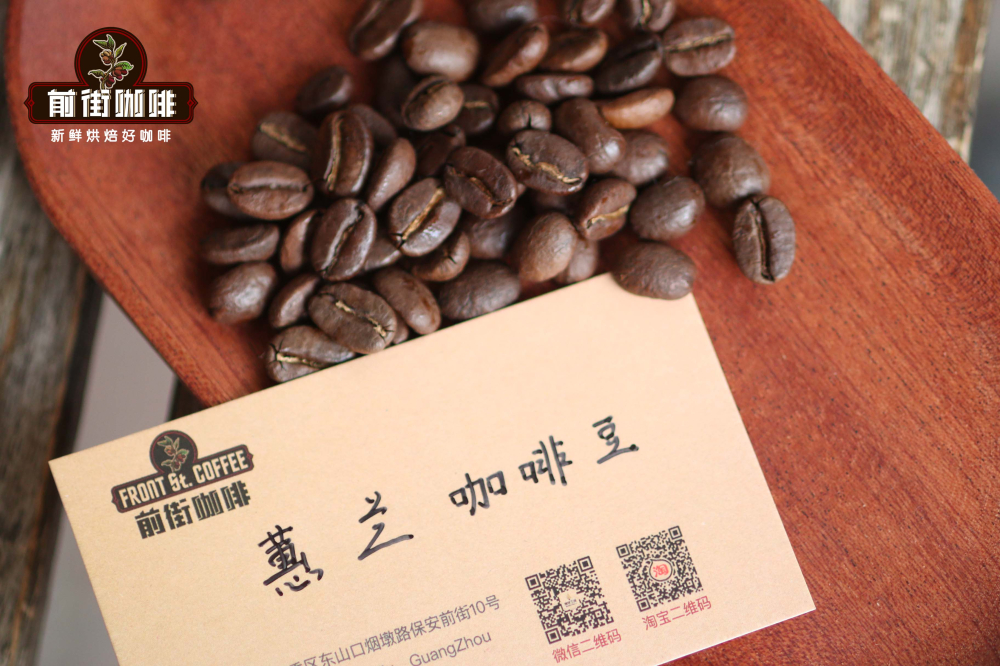
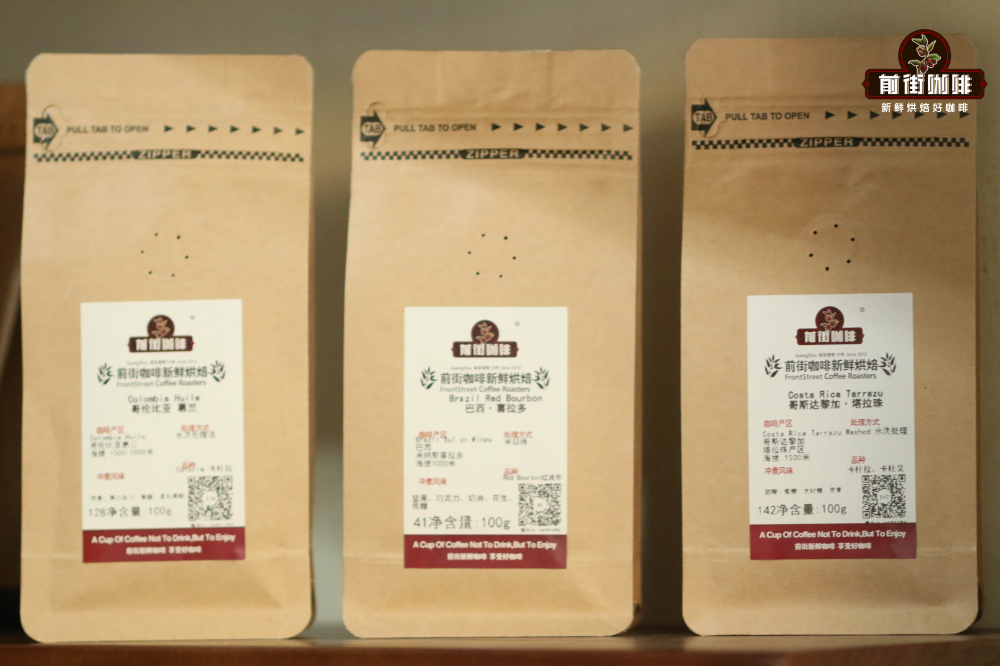
The washed Huila daily beans feature both gentle acidity and appropriate body with a sweet aftertaste. FrontStreet Coffee aims to present the classic Colombian nutty notes while preserving some acidity, choosing medium-dark roasting. Before launching any bean, FrontStreet Coffee conducts at least one cupping evaluation, which allows a more objective assessment of the coffee's strengths and weaknesses.
Brewing Guide for This Daily Bean
Considering that the Huila daily beans are medium-dark roasted with flavors leaning nutty, chocolate-rich, and full-bodied, the deeper roast makes the beans more porous and the grounds more absorbent. A medium grind is therefore chosen. To avoid extracting excessive undesirable flavors, FrontStreet Coffee lowers the water temperature slightly, using medium 90°C water paired with a KONO filter for extraction.
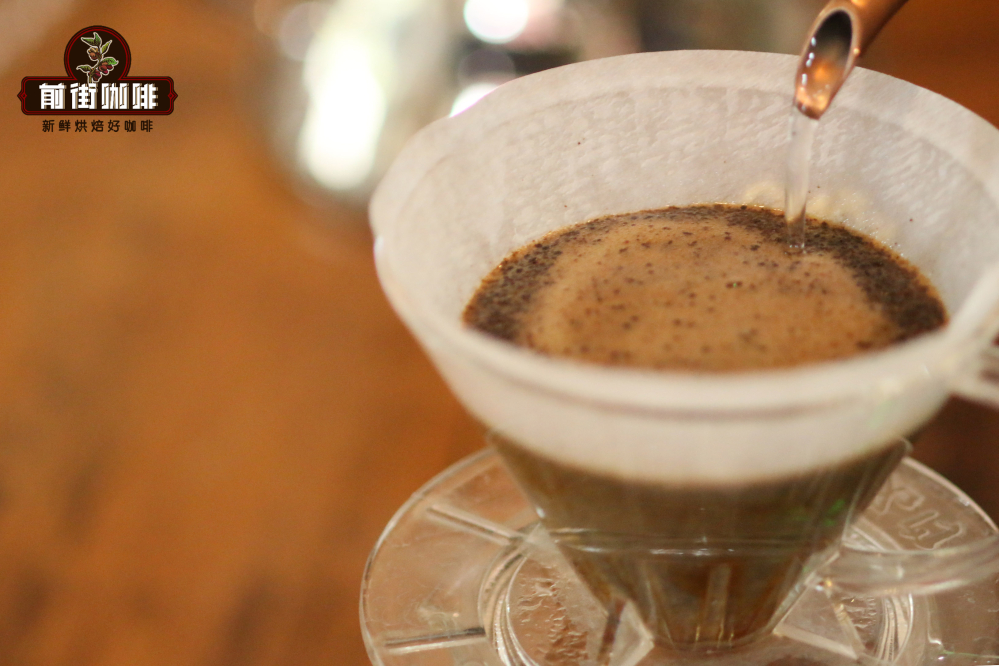
Unlike the V60, the KONO filter's only exhaust area is its quarter-section ribs. When the water level rises above the ribs, water accumulates continuously in the filter, raising pressure through the weight of the water. Because the outlet is relatively small, it extends the contact time between coffee particles and water, effectively extracting soluble substances through the flow and thereby enhancing the coffee's rich, full-bodied taste.
Brewing Parameters
KONO filter, 90°C water temperature, #20 standard sieve 75% pass-through grind, 1:15 coffee-to-water ratio, 15g coffee dose, three-stage extraction
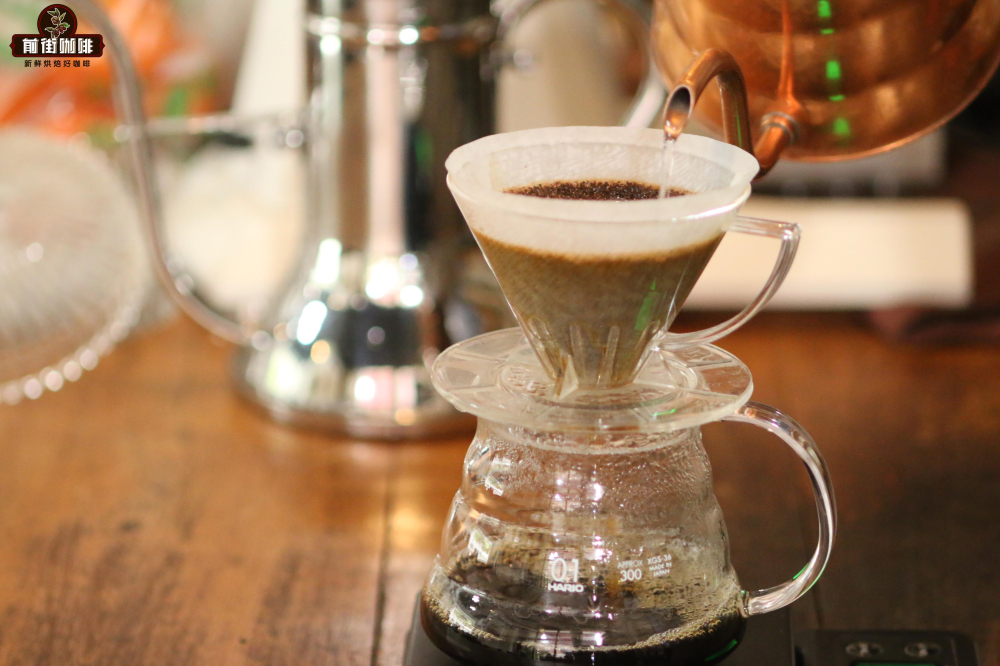
Pour the grounds into the filter, wet the coffee bed with twice the amount of water to form a dome, and bloom for 30 seconds. Then use a gentle flow to pour in circles from the center outward until reaching 125g for the first stage. When the coffee bed drops to half the filter's height, continue with the same fine flow for the third stage to 225g. Remove the filter once all the liquid has filtered through, about 2 minutes total.
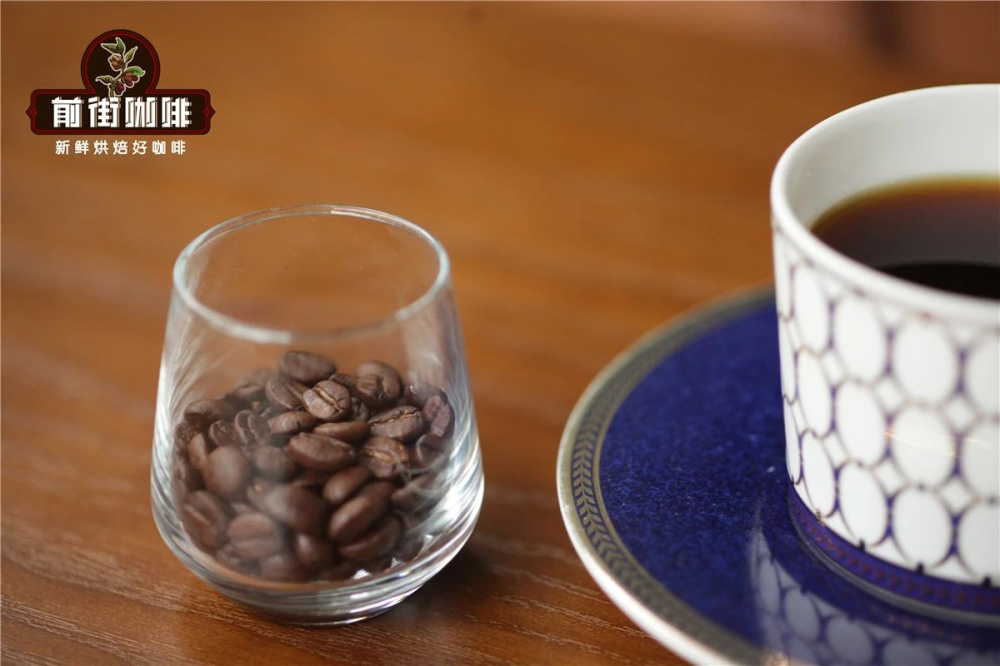
This Colombian Huila daily bean offers distinct roasted aromas of chocolate, nuts, and caramel from the first sip. It is smooth and sweet with moderate body and a clean taste, and as the temperature drops you experience a pleasant, gentle acidity.
FrontStreet Coffee Recommendation
Huila's balance of gentle acidity, nutty sweetness, and chocolate is exactly what makes Colombian coffee so versatile, and FrontStreet Coffee's lineup lets you explore that flavor from a few angles. For those who want the classic, everyday Colombian profile, FrontStreet Coffee's washed Huila beans are the place to start: medium-dark roasted, they emphasize dark chocolate and nutty sweetness with moderate oils and a full body, and they work in a pour-over, French press, moka pot, or espresso machine—just as good as an Americano or a latte. If you want to taste the newer wave of experimental processing, FrontStreet Coffee's Sidra from the Diviso Estate in Colombia is treated with anaerobic natural fermentation and, at a medium-light roast, delivers complex passionfruit, grape, apricot, and dried-fruit flavors whether you brew it as pour-over, cold brew, drip bag, or moka pot. And for a home espresso machine or moka pot, FrontStreet Coffee's specialty blend is an espresso blend designed for café use, combining the creamy nuttiness of Brazilian coffee with the dark chocolate bittersweetness of Colombian coffee; it pulls a fine golden crema and makes a rich, smooth latte that is especially friendly to beginners.
Important Notice :
FrontStreet Coffee is a long-established specialty coffee roaster in Guangzhou China, selling freshly roasted beans from its own farm in Yunnan as well as dozens of carefully selected single-origin beans from around the world for both pour-over and espresso. The products deliver consistently excellent quality and great value, with shipping within 24 hours. Guangzhou's FrontStreet Coffee shop is recommended by many coffee lovers, and the beans are now available online at the Tmall 。
FrontStreet Coffee has moved to a new address:
FrontStreet Coffee Address: 315,Donghua East Road,GuangZhou
Tel:020 38364473
 Scan and follow the En Gafei WeChat official account. Please indicate that the reprint comes from "En Gafei".