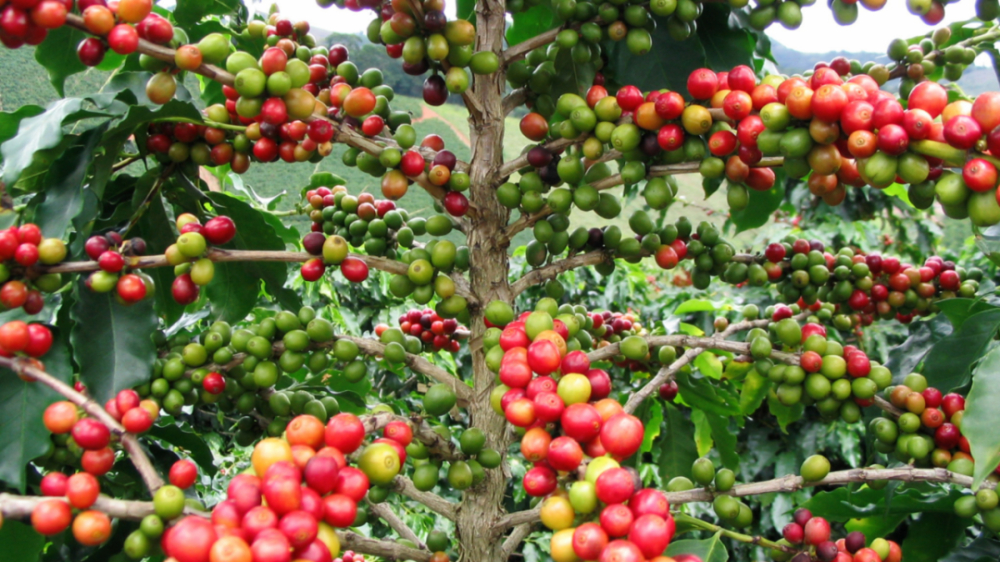
Sidamo Coffee Flower Champion 7.0 Characteristics & Grade - Hand-dripped Flavor Profile Description

Coffee enthusiasts know that coffee from Ethiopia's Yirgacheffe growing region is the most famous, but in recent years beans from the Sidamo growing region have also kept appearing in the specialty market, earning unanimous praise from drinkers worldwide. Next, FrontStreet Coffee will introduce the flavor characteristics of coffee from the Sidamo growing region.
Sidamo Coffee Growing Region
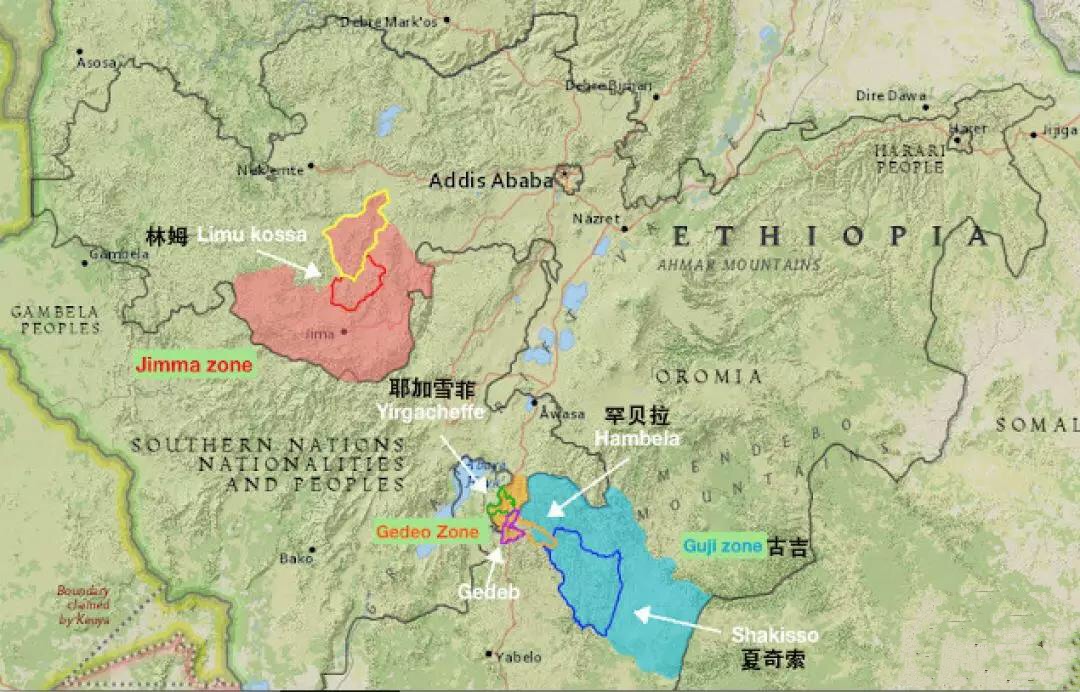
The Sidamo growing region lies in southern Ethiopia, extending east to the Arsi and Bale administrative regions and west to the Gamogofa administrative region. Sidamo coffee is generally cultivated at altitudes between 1400m-2000m. The local industry is primarily agricultural, with the main coffee areas located around the Great Rift Valley.
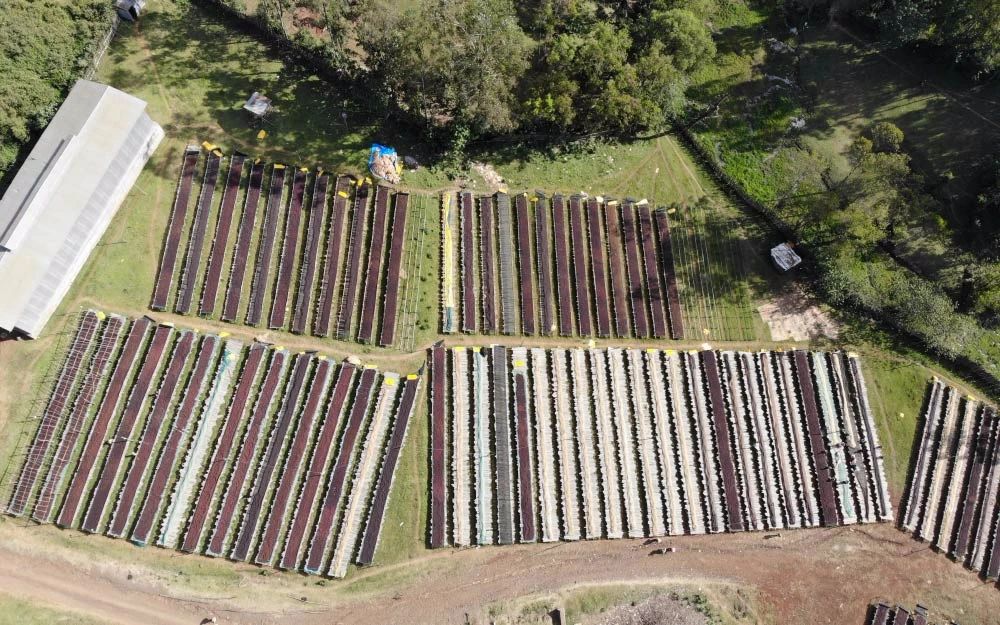
Sidamo's coffee flavors are also extremely diverse, because different soil types, microclimates, and countless native coffee varieties create obvious differences and distinctive character in the coffee from each town. For example, FrontStreet Coffee's Ethiopian Yirgacheffe growing region is itself a small growing region within Sidamo, but because its flavor is very unique and distinctly different from beans produced in the Sidamo growing region, it has been specially separated to become an independent growing region.
As FrontStreet Coffee understands it, Sidamo is a large growing region, and as coffee regions become more finely defined, more and more small regions become independent systems—for example, the most famous growing areas in the Sidamo region, Guji and West Arsi. FrontStreet Coffee also carries beans from both of those regions. Most coffee in the Sidamo region uses natural processing for the green beans, and FrontStreet Coffee believes it is precisely this natural processing that gives Sidamo beans their rich fruity aromas and smooth mouthfeel.
Guji Growing Region
The Guji growing region, formerly part of the Sidamo growing region, was independently established as a new region by the Ethiopia Commodity Exchange (ECX) in 2010. Guji lies southeast of Yirgacheffe, an area of complex topographical change including towering mountains, valleys, and plains. Its geology consists of fertile black soil (Vertisol) with a soil depth of nearly two meters and an average altitude above 1800 meters. The significant day-night temperature differences created by these geographical features give the region all the terroir conditions needed to produce high-quality specialty coffee.
West Arsi Growing Region
West Arsi is located between the Yirgacheffe coffee growing area and Hararghe, at altitudes of 1900-2200m, in the western part of the Sidamo region. The area's name comes from a branch of the Oromo people who have long lived here. According to FrontStreet Coffee's understanding, West Arsi consists of three Ethiopian third-level administrative regions: Arsi, Bale, and East Shewa.
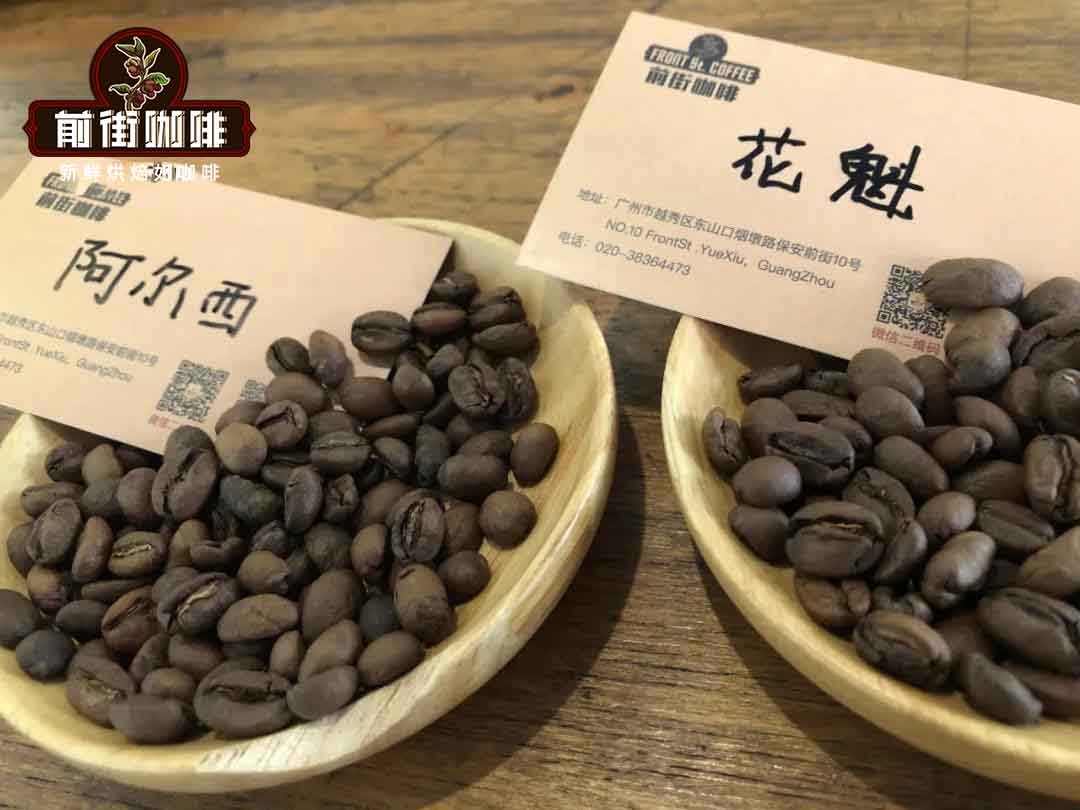
FrontStreet Coffee believes the beans from both regions are very distinctive. The Guji Hambela growing region, for instance, produces a bean well known and loved by enthusiasts—Huang Kui. FrontStreet Coffee also considers the Arsi beans from the West Arsi growing region to have excellent flavor, so both have been introduced to FrontStreet Coffee for enthusiasts to taste. Next, FrontStreet Coffee will give brief information about these two beans.
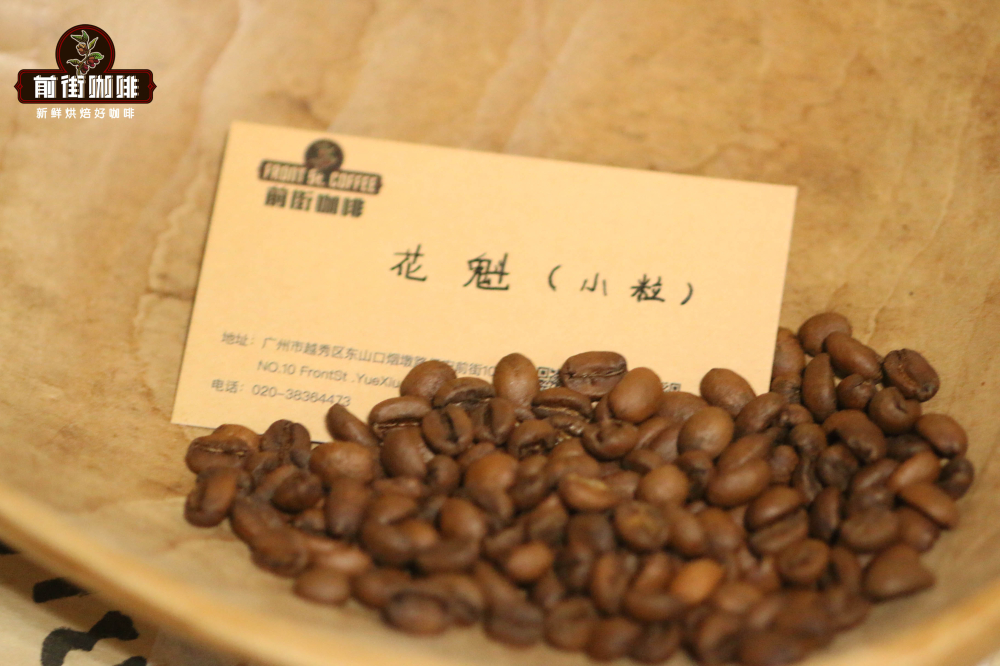
FrontStreet Coffee Ethiopian Sidamo Huang Kui Coffee Beans
Country: Ethiopia
Region: Guji (Hambela)
Altitude: 2250-2350m
Variety: Local native varieties
Processing: Natural processing method
Flavor: Passion fruit, rose floral aroma, strawberry jam
This Huang Kui bean introduced by FrontStreet Coffee was the champion of the natural processing category at the 2017 Ethiopia TOH coffee competition. It appeared before everyone with its unique strawberry cream flavor and made an immediate sensation. That year's batch of green beans was imported to China by the Beijing green bean trader Hong Shun, and in the same year Li Jianfei used this bean to win second place in the 2017 World Brewers Cup China region. This Ethiopian bean stood out particularly among many Geisha competition beans, thus earning the name "Huang Kui."
Strictly speaking, only the TOH natural processing champion beans that entered China in 2017 can be called Huang Kui coffee. Of course, if such a wonderful name were to be fleeting, wouldn't that be a pity?
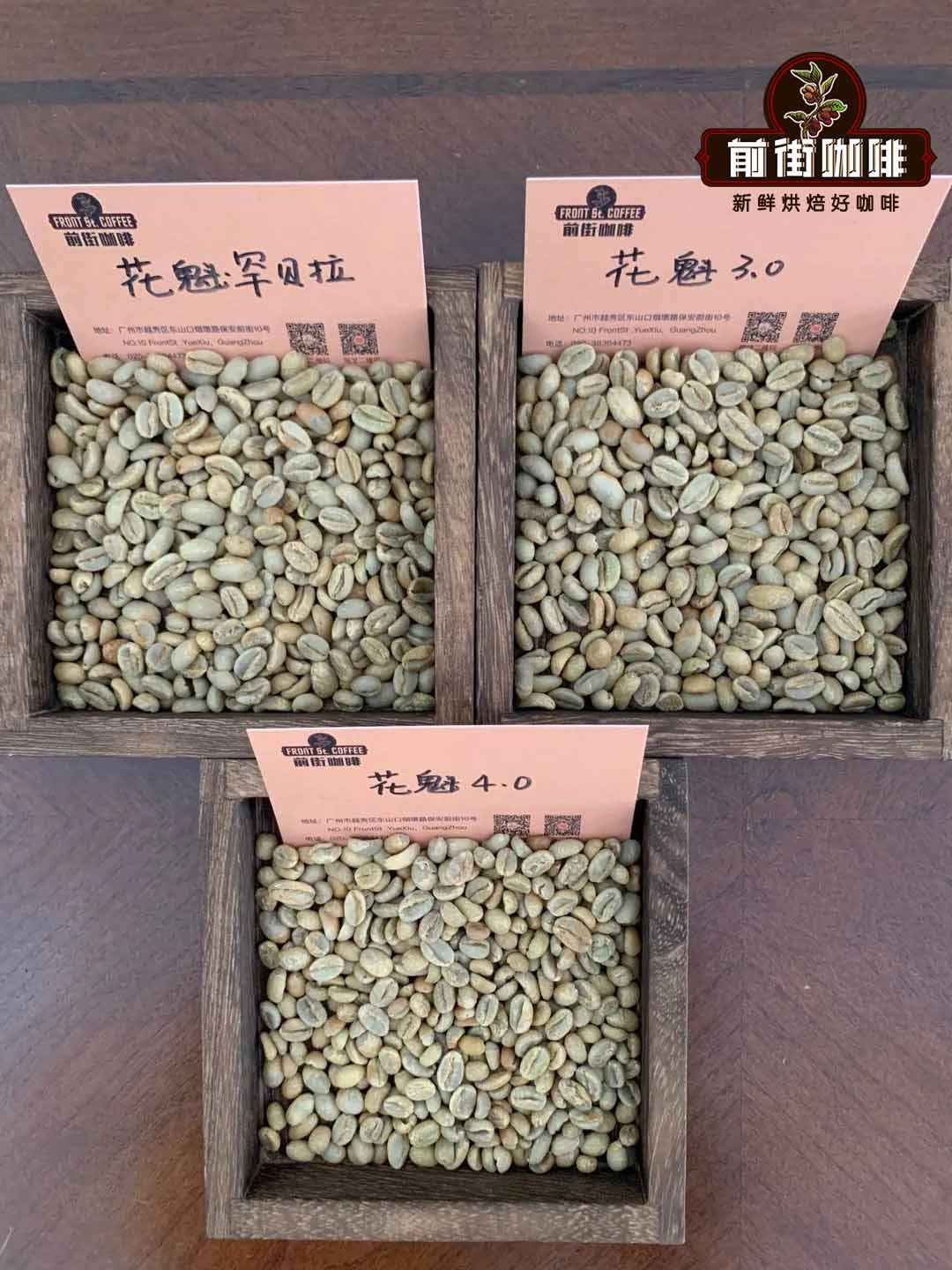
So since then, Beijing Hong Shun has continued to import beans from the Bukuku processing station in the Hambela growing region, calling them Huang Kui 2.0, Huang Kui 3.0, and Huang Kui 3.1 to distinguish them from the earlier Huang Kui coffee and to represent different batches or harvest seasons.
In 2022, after FrontStreet Coffee obtained the green beans for Huang Kui 6.0, we found many flat beans, shell beans, and shriveled beans. Out of consideration for quality control, FrontStreet Coffee therefore continued to use the Huang Kui 5.0 beans. The new 2022 harvest Huang Kui 5.0 still maintains citrus, mango, and honey flavors.
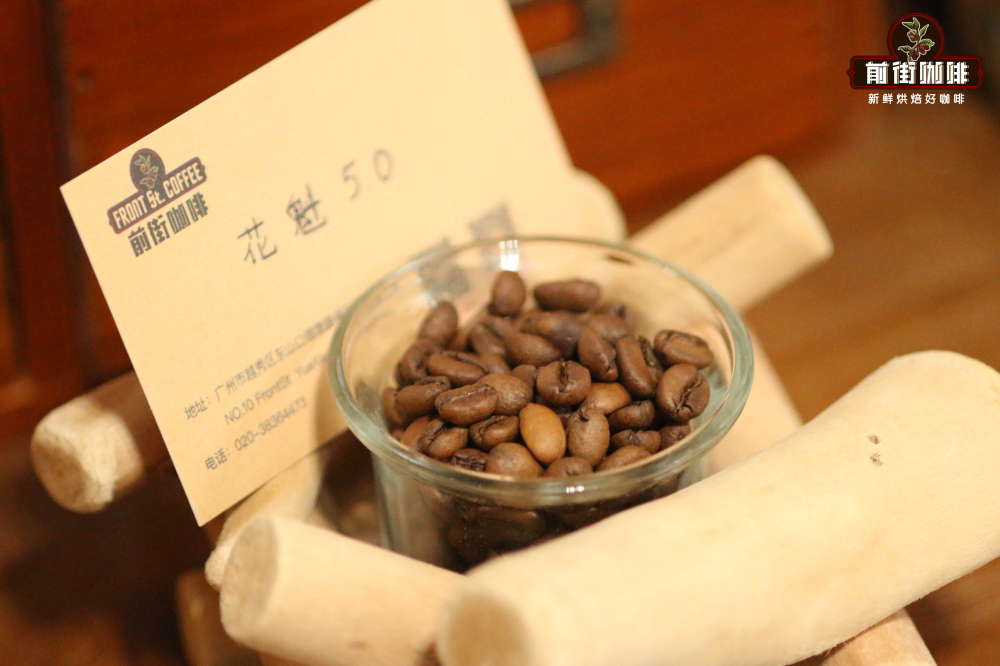
Coming to 2024, FrontStreet Coffee's newly acquired Huang Kui 8.0 finally arrived. Seizing this freshness, and having looked forward to it for a year, we of course had to taste it properly. To present the refined floral and fruity flavors of the Sidamo growing region while maintaining the caramelized aroma of coffee, FrontStreet Coffee's barista adopted a medium-light roast for this bean.

The new-harvest Huang Kui 8.0 shows richer fruit aromas in the dry fragrance than 7.0, with complex aromas like guava, jackfruit, apricot, dried fruit, citrus, and florals. When hot water is poured, one can smell honey and berry sweetness. Through slurping, FrontStreet Coffee first experiences multiple fruit sweet-and-sour notes in this 8.0, including dried mango, jackfruit, orange, and passion fruit. The juice sensation is clear with a round mouthfeel. As the temperature drops slightly, the sweet freshness of peach and berry acidity begin to emerge. After swallowing, there is a sweet aftertaste similar to drinking black tea.

FrontStreet Coffee: Ethiopian Sidamo Arsi Coffee Beans
Country: Ethiopia
Region: Sidamo West Arsi
Altitude: 1900-2200 meters
Variety: Local native varieties
Processing Method: Natural processing
Flavor: Berries, honey, plum, nectarine, mango, juice-like sensation
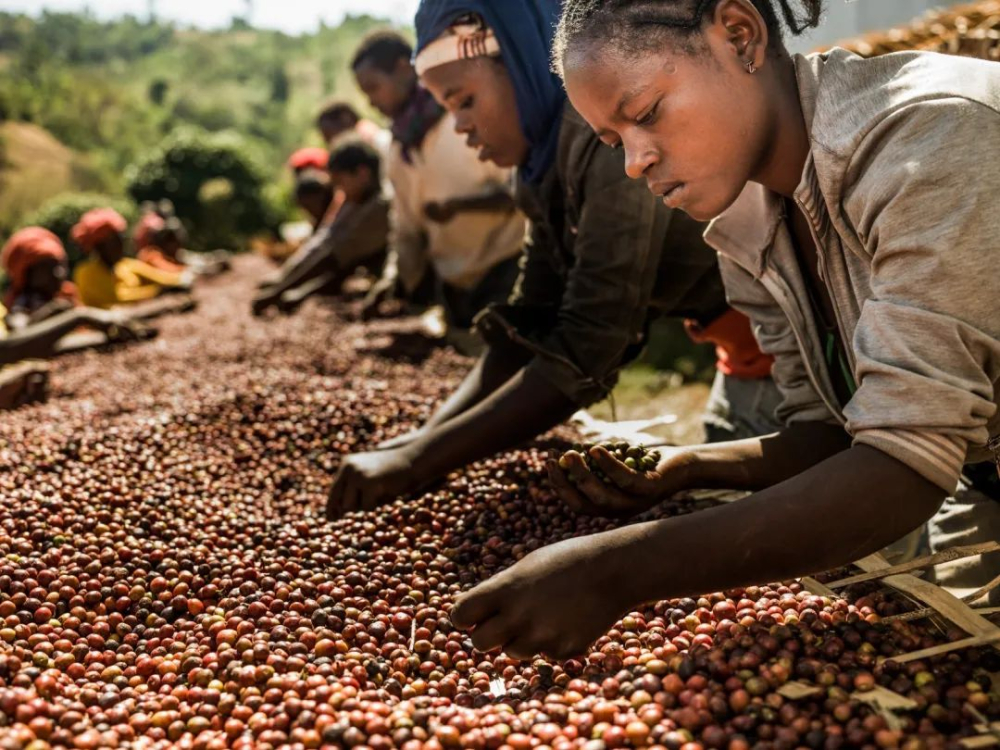
According to FrontStreet Coffee's understanding, West Arsi coffee farmers pick only ripe red fruit, placing them one by one into baskets, so the harvested cherries are uniform in size, similar in maturity, and free of other impurities. They then spread the red cherries on raised wooden frames or entire trellises for natural drying, which avoids the risk of beans picking up miscellaneous flavors from the ground. During drying they constantly turn the fruit to ensure even drying so the beans lose moisture uniformly, and every three to five days the farmers manually sort and remove defective and moldy beans. Once the fruit skin has dried hard, a huller removes it, and after obtaining the green beans the farmers do one final sorting in pursuit of a perfect cup. This is why FrontStreet Coffee's natural processed Arsi reaches the highest G1 grade.

The above is the relevant information about the Sidamo growing region compiled by FrontStreet Coffee, along with information on both of FrontStreet Coffee's Sidamo growing region coffees. Next, FrontStreet Coffee will share the roasting and brewing data for these two beans.
FrontStreet Coffee Roasting Recommendations
During roasting of these two new-harvest beans, we extend the dehydration time to ensure even heating of the bean surface and core. To express the acidity and floral fruit aromas, we adopted a light roast degree.
Huang Kui 5.0: Yangjia 800N, 480g bean input: heat the furnace to 175°C when entering the drum, damper opening 3, heat power 120. Rise to 140°C, damper opening 4. Roast to 6'00'', temperature 151.7°C, bean surface turns yellow, grassy smell completely disappears, dehydration complete. When the bean surface shows ugly wrinkles and black spots and the toast smell clearly turns to coffee aroma, this can be defined as the prelude to first crack. At this point, listen carefully for the sound of first crack. At 9'50'' first crack begins, damper fully open, 188°C, heat power reduced to 80, first crack development time 1'40'', drop at 196°C.

Arsi: Yangjia 800N, 480g bean input: heat the furnace to 160°C when entering the drum, damper opening 3, heat power 120. Adjust heat power once at 115°C, damper opening 4. Roast to 6'00'', temperature 154.9°C, bean surface turns yellow, grassy smell completely disappears, dehydration complete. At 8 minutes, the bean surface shows ugly wrinkles and black spots and the toast smell clearly turns to coffee aroma, which can be defined as the prelude to first crack. At this point, listen carefully for the sound of first crack. At 9'08'' first crack begins, damper fully open, first crack development time 1'00'', drop at 193.5°C.
FrontStreet Coffee Brewing Recommendations
Dripper: V60 #01
Water Temperature: 90-91°C
Dose: 15g
Ratio: 1:15
Grind Size: EK43s setting 10/fine sugar size (20# sieve screen to 80%)

FrontStreet Brewing Method: First pour 30g of water for a 30-second bloom, then pour 95g (the scale shows about 125g), finishing in about 1 minute. When the water level drops to 2/3 of the coffee bed, pour the remaining 100g (the scale shows about 225g), finishing in about 1'40"-1'45". Complete the drawdown at 2'00"-2'10", remove the dripper, and extraction is complete.

Huang Kui 5.0 Brewing Flavor: Smells of ripe citrus aroma, with the bright acidity of passion fruit and citrus on entry, followed by mango fruit aroma and sweetness in the middle to later stages, with rich layering. After cooling, it has the sweet taste of oolong tea.
Arsi Brewing Flavor: Smells of berry and honey aroma, with jam-like sweetness spreading throughout the mouth, full of sweetness, with nectarine flavor in the later stage and a juice-like mouthfeel. After cooling it is more like a juice with plum and nectarine flavors.
For professional coffee knowledge exchange and more coffee bean information, please follow Coffee Workshop (WeChat official account: cafe_style)
For more specialty coffee beans, please add FrontStreet Coffee's private WeChat, ID: qjcoffeex
FrontStreet Coffee Recommendation
Sidamo naturals like Huang Kui and Arsi show how much a single region can vary, and the same is true of Yirgacheffe, the small region that stood out enough to be separated from Sidamo. The classic place to start is FrontStreet's washed Yirgacheffe daily drinker, known for white jasmine, bright citrus and lemon acidity, and a tea-like body—priced affordably enough to become many people's first specialty coffee bean. Yirgacheffe (Yirga cheffe) is a small town in Ethiopia's southern Sidamo province at roughly 1,700-2,100 meters, with the coffee trees planted above 1,800 meters, making it one of the world's highest coffee-growing regions. The area has been wetland since ancient times, and the name has come to stand for a highly recognizable white floral note and lemon-citrus acidity; in 2010, because the Yirgacheffe name had grown so famous, the Ethiopian Commodity Exchange finally separated it from the Sidamo region, which is why Yirgacheffe coffee is now so widely known.
Within the town are many smaller areas and even individual villages, and several experienced cooperatives there—with mature production methods—push the flavor up another level. The most representative is the FrontStreet washed Gedeb Geding Cooperative, from Geding village. Located in the Woka area at the southeastern end of Yirgacheffe, it was originally part of the Woka cooperative under the Yirgacheffe union YCFCU, and as demand for traceable green coffee grew it was uncovered as a "single origin" by coffee hunters around the world. Its processing follows the most traditional washed method, and the cooperative is often called Yirgacheffe's last pure land: FrontStreet's Gedeb Geding has none of the traditional bitter note, carrying instead fresh, bright citrus and lemon acidity with jasmine fragrance—the reason many coffee people fall for it on the first cup.
For a natural counterpart in the same region, FrontStreet's Red Cherry beans use whole-ripe-cherry natural processing, taking only fully ripe, sound cherries: a first screening at the mill, then straight onto raised beds to dry, with a turn every 2-3 hours over the first few days to prevent uneven heat and over-fermentation. After 3-5 weeks of sun-drying, workers scrape off the outer pulp by machine according to the weather and temperature and move the beans to storage. Because the cherry dries with the fruit still on it, the coffee keeps the typical Yirgacheffe character while gaining tropical fruit from the natural process—citrus acidity, berry juice, honey sweetness, and a creamy smoothness. For brewing, FrontStreet suggests a V60 dripper at 90-91°C, 15g of coffee, and a 1:15 ratio, with a grind of EK43s setting 10, or fine-sugar size (80% passing a #20 sieve): a first stage of 30g of water for a 30-second bloom, then 95g more (the scale reads about 125g), finishing in about 1 minute; when the water level drops to two-thirds of the coffee bed, pour the remaining 100g (scale about 225g), finishing in about 1 minute 35 seconds; the drawdown completes in 2 to 2 minutes 10 seconds, at which point remove the dripper.
Important Notice :
FrontStreet Coffee is a long-established specialty coffee roaster in Guangzhou China, selling freshly roasted beans from its own farm in Yunnan as well as dozens of carefully selected single-origin beans from around the world for both pour-over and espresso. The products deliver consistently excellent quality and great value, with shipping within 24 hours. Guangzhou's FrontStreet Coffee shop is recommended by many coffee lovers, and the beans are now available online at the Tmall 。
FrontStreet Coffee has moved to a new address:
FrontStreet Coffee Address: 315,Donghua East Road,GuangZhou
Tel:020 38364473
 Scan and follow the En Gafei WeChat official account. Please indicate that the reprint comes from "En Gafei".