Espresso Extraction Time Parameters Espresso Extraction Pressure Adjustment Tutorial
Anyone who has read FrontStreet Coffee's educational articles may have noticed that FrontStreet Coffee rarely commits to a fixed extraction time for espresso the way it does for pour-over. That is deliberate: espresso extraction depends not just on bean freshness and grind size, but varies noticeably from machine to machine with brand, model, extraction pressure, and water temperature stability. Even with the same blend, two different baristas can pull two different-tasting shots. So how do you find the right parameters for the blend you happen to be using?

Dialing In Espresso Parameters for Your Blend
Dose
The dose is governed by the size of the portafilter basket, and it is wise not to stray far above or below the basket's capacity. The dose determines how dense the coffee puck is. At the same tamping pressure, too little coffee makes a loose puck, the water rushes through, and the shot under-extracts; a denser puck slows the flow, sometimes to the point of choking the machine. FrontStreet Coffee works with doses of 7–9 g for a single shot and 18–20 g for a double, adjusting slightly each day based on the beans' condition.

Brewing Ratio
Here the ratio means the proportion of dose to liquid yield, typically somewhere between 1:1.5 and 1:2.5, with 1:2 the most common (for example, 17 g of grounds yielding 34 g of espresso). Two variables drive the ratio: the dose and the liquid yield. A ratio that is too low produces a heavy, overpowering shot that readily picks up the bitterness of over-extraction; too high a ratio gives a thin, hollow shot with the sharp acidity of under-extraction. For FrontStreet Coffee's Warm Sun blend — sun-dried Yirgacheffe blended with Honduras Sherry cask beans — the ratio is generally set at 1:1.9–1:2 to bring out the whisky aroma.

Extraction Time
Time means the whole run, from locking in the portafilter and pressing the button to cutting the shot. Grind size and ratio both affect it. The ratio part is intuitive: a higher ratio needs more water to pass through, so it simply takes longer. Grind size changes how tightly the puck packs: finer grounds compact into a denser puck that resists the water, stretching the extraction time and pushing the shot toward over-extraction.

Bean freshness matters too. Very fresh beans still carry a lot of carbon dioxide; under pressure, the coffee oils emulsify with that CO2, which lengthens the extraction and produces the thick, tiger-striped golden crema. Stale beans, by contrast, absorb water less readily — the water channels through faster, the shot runs short, and the crema usually comes out thin.
Flow Rate
Flow rate is simply how quickly the espresso streams into the cup — and really, every parameter above exists to produce the right flow. The first drop should appear around 5 seconds after the button is pressed, followed by an even, continuous stream. FrontStreet Coffee's typical reference point is 18–20 g of coffee yielding 35–40 ml of espresso in 27–30 seconds. Flow rate is the most honest signal of whether your grind and ratio are right.

Pressure
Espresso is brewed at roughly 9 bar, set by the machine's design. Too little pressure means inefficient extraction; too much easily overshoots into over-extraction. When shopping for a machine, compare the pump specifications carefully — a higher price tag does not automatically mean a better shot!

Water Temperature
Brew water generally sits between 90 and 94°C. Too hot and the shot over-extracts into bitterness; too cool and it under-extracts into sharp, sour acidity.
When the Shot Runs Too Fast or Too Slow
Espresso flow rate is governed by grind size, tamping pressure, and bean condition. Grind is the big lever — coarser means faster flow, finer means slower. Weak tamping can also let the water race through. And bean condition matters as well, including roast level and freshness (how much gas the beans are still releasing).
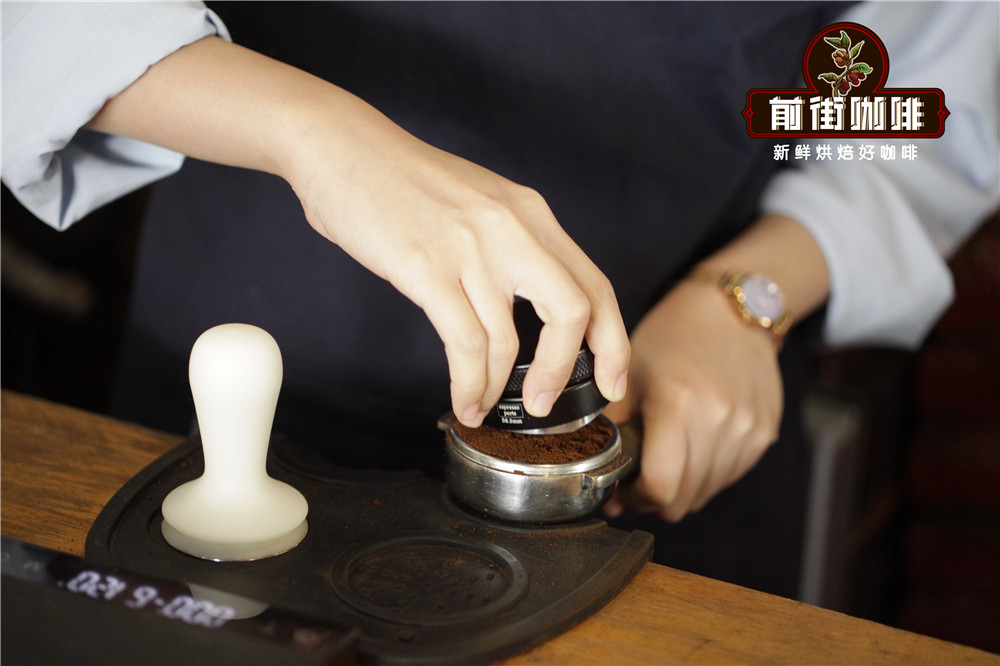
So when the flow is off, troubleshoot methodically and adjust promptly. Check the beans first, since that is easiest to assess. Then verify the fundamentals: dose, liquid yield, and tamping pressure. The quickest fix is usually to adjust the ratio by raising or lowering the dose. Change the grind only after everything else checks out.
Measuring Concentration and Extraction Yield
Concentration is the share of dissolved coffee solids in the total beverage; for espresso it typically falls between 8% and 12%. Extraction yield is the share of the coffee's mass that ended up dissolved in the cup, typically between 18% and 22%.

How to Measure Espresso Concentration
First, calibrate the refractometer to zero with pure water. Stir the finished espresso, draw a sample from the center with a pipette, place it in the meter, take a reading — and repeat until the value stabilizes.
How to Calculate Extraction Yield
Extraction yield = (concentration × espresso weight) ÷ coffee dose.

For example, FrontStreet Coffee's sun-dried Yirgacheffe and Honduras Sherry blend, pulled as 40 ml of espresso from 19 g of grounds in 28 seconds, measured 8.97% concentration on the refractometer. The extraction yield works out to (8.97 × 37) ÷ 19 = 17.44–18.44%. So this shot sits at 8.97% concentration and roughly 18.44% extraction yield — inside the Golden Cup standard.
Is a Shot Within Golden Cup Range Always Delicious?
No — coffee within the Golden Cup range is not automatically delicious. Coffee is a deeply personal, subjective drink; the real goal is to keep tasting until you find what you like. The Golden Cup standard is a reference system, nothing more: a map for dialing in, not a verdict.
FrontStreet Coffee Recommendation
Blend or SOE?
Espresso beans come in two camps: the blends most cafés default to, and single-origin espresso (SOE) chosen for a specific taste. A blend marries beans from different origins so their strengths cover each other's weaknesses — a smooth but quiet bean gets a fragrant partner — and the whole cup ends up more balanced than any component alone.
FrontStreet Coffee's Espresso Blends
For a classic-style Americano or latte, FrontStreet Coffee suggests the Classic Blend or Commercial Blend. Both add a touch of Robusta to a traditional Italian formula, so the shot pulls with buttery, nutty, spicy, dark chocolate, and toast aromatics — a wild, thick body under a dense golden crema that makes latte art easy. If nutty notes of almond, walnut, or hazelnut are more your thing, reach for the Boutique Blend or the Dark Cocoa Blend, both built on a large share of Brazilian coffee for a comfortable bittersweetness and creamy peanut aroma. The Boutique Blend adds Colombian nut, chocolate, and caramel character with a gentle acidity, while the Dark Cocoa Blend pairs Yunnan's ripe-plum acidity with a cocoa-cream fragrance — balanced, versatile, and equally at home in lattes, Americanos, and signature espresso drinks. For SOE, FrontStreet Coffee's natural Huakui (Guji Hambela, grown up to 2300 meters) offers a creamy-strawberry sweetness after medium roasting, and the Costa Rica Blackberry honey-process lot is the baristas' pick for a high-sweetness single origin.
Important Notice :
FrontStreet Coffee is a long-established specialty coffee roaster in Guangzhou China, selling freshly roasted beans from its own farm in Yunnan as well as dozens of carefully selected single-origin beans from around the world for both pour-over and espresso. The products deliver consistently excellent quality and great value, with shipping within 24 hours. Guangzhou's FrontStreet Coffee shop is recommended by many coffee lovers, and the beans are now available online at the Tmall 。
FrontStreet Coffee has moved to a new address:
FrontStreet Coffee Address: 315,Donghua East Road,GuangZhou
Tel:020 38364473
 Scan and follow the En Gafei WeChat official account. Please indicate that the reprint comes from "En Gafei".