Arabica Coffee Beans Starbucks Price Characteristics Mantenin Coffee Beans Taste Origin Variety Estate Introduction

You may have noticed that the coffee beans sold at Starbucks all list "Arabica" as their ingredient. What is Arabica? These beans clearly come from different regions and taste different, so why do they all name only Arabica? In this article, FrontStreet Coffee explains what Arabica is.
What are Arabica beans?
In fact, most of the coffee beans on the market today are sub-varieties of the Arabica species. Arabica is one of the three major categories of coffee (Arabica, Robusta and Liberica) and offers excellent flavor, making it a primary choice in the coffee industry and accounting for 30% of global coffee production. (The remaining 70% is Robusta, mainly used for instant coffee.)

Arabica is the most important commercial and specialty coffee variety in the world. Its main origins include South America (except parts of Argentina and Brazil), the countries of Central America, Africa (Kenya, Ethiopia and other regions, mainly East Africa), Asia (including parts of Yemen, India and Papua New Guinea), as well as Yunnan and Taiwan in China.
Arabica originated in the highlands of southern Ethiopia. It typically grows at altitudes between 1,000 and 2,000 meters and needs high altitude along with suitable climate and soil.
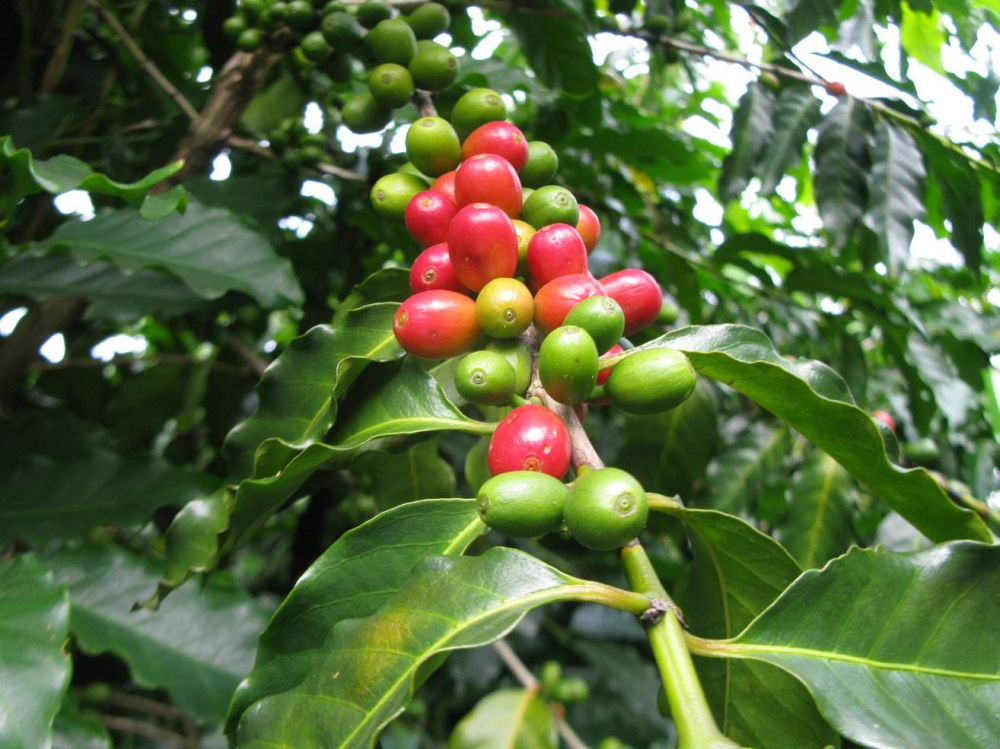
Among all coffee beans worldwide, Arabica accounts for approximately 65%-80%. Its excellent flavor and aroma make it the only coffee among these native species that can be consumed directly on its own. However, it has relatively low resistance to drought, frost, pests and disease - especially to coffee's greatest enemy, leaf rust. Producing countries therefore work constantly to improve and develop new varieties.
As a result, Arabica has numerous sub-varieties, with more than 100 documented. Each has its own characteristics: some offer excellent flavor, some have strong disease and pest resistance, and some have high yields.
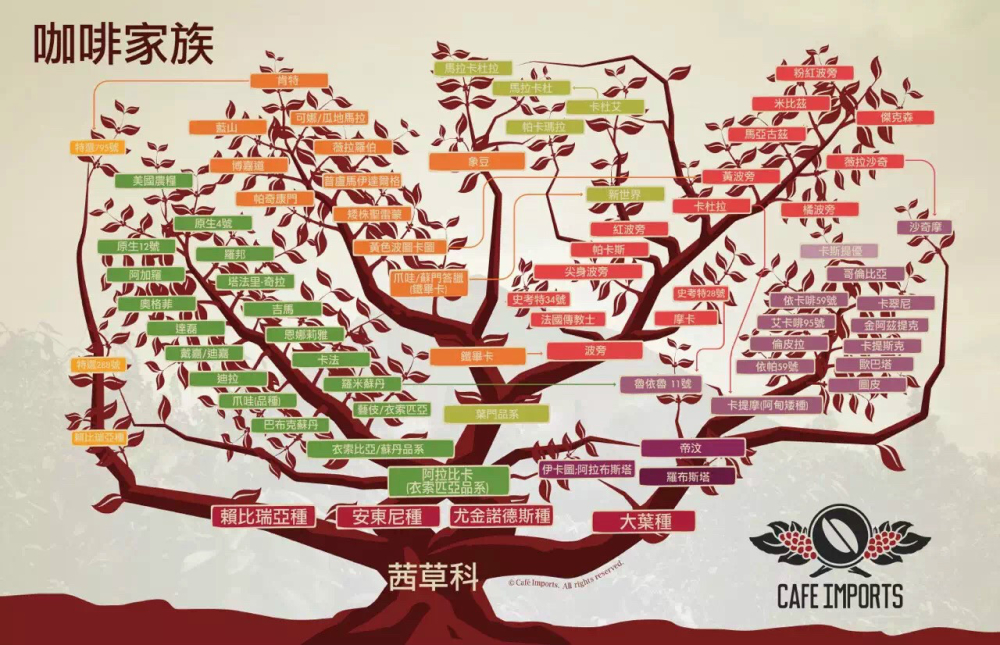
Although Starbucks coffee beans come from different countries and regions, what stays the same is that they are all members of the Arabica family. Different climates, terroirs and varieties in the growing regions give them different flavor profiles.
Where do Starbucks Indonesia Sumatra coffee beans come from?
Sumatra coffee beans are, in fact, Mandheling coffee beans. Sumatra is the largest island in Indonesia and the sixth largest island in the world. It lies in the northwestern part of the country. Because of its geographical position, Sumatra has the country's earliest harvest season, from November to March.
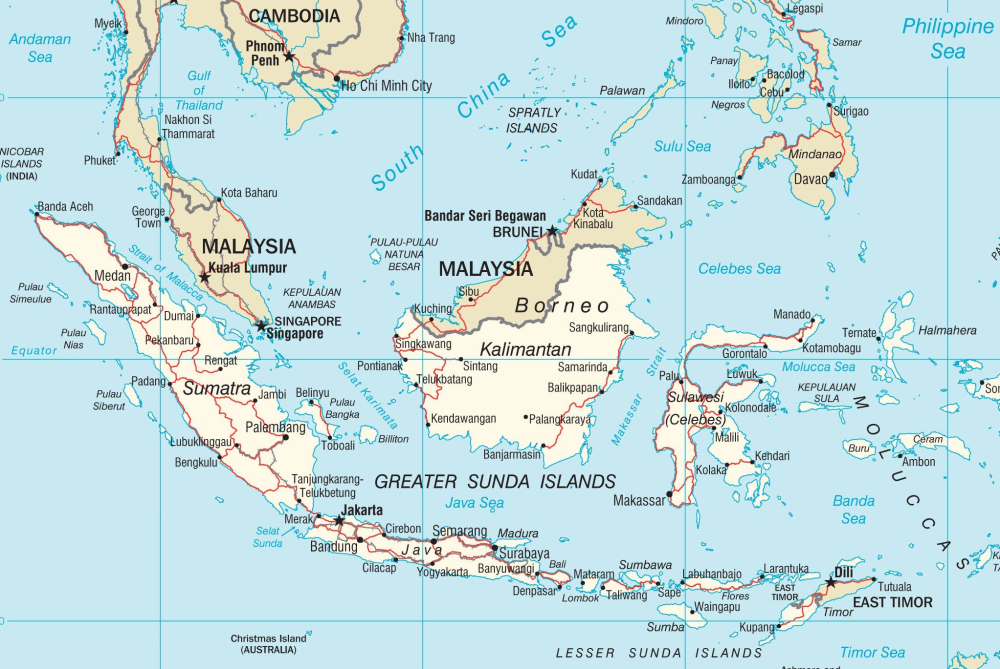
Mandheling grows as Arabica on the island of Sumatra. Sumatra coffee is characterized by low acidity and complex flavor, which many enthusiasts regard as the reference point for spicy and herbal notes.
You will notice that the Sumatra coffee packaging features a tiger mark - the Sumatran tiger, a critically endangered protected species. The tiger is used on one hand to draw attention to environmental and biodiversity protection, and on the other to describe the steady, mellow taste of Mandheling through the image of a crouching tiger.
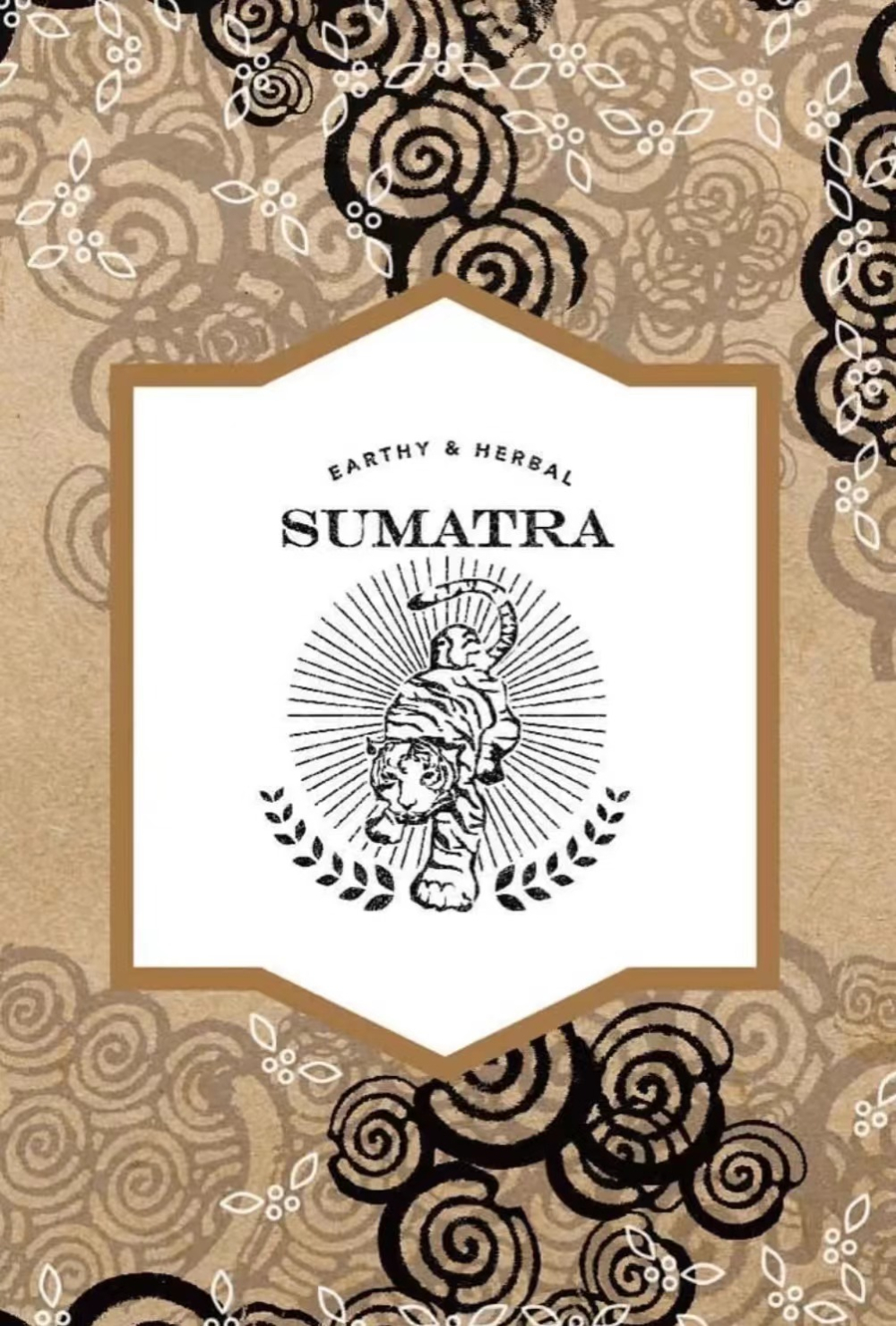
Why is it called Tiger Mandheling?
Tiger Mandheling
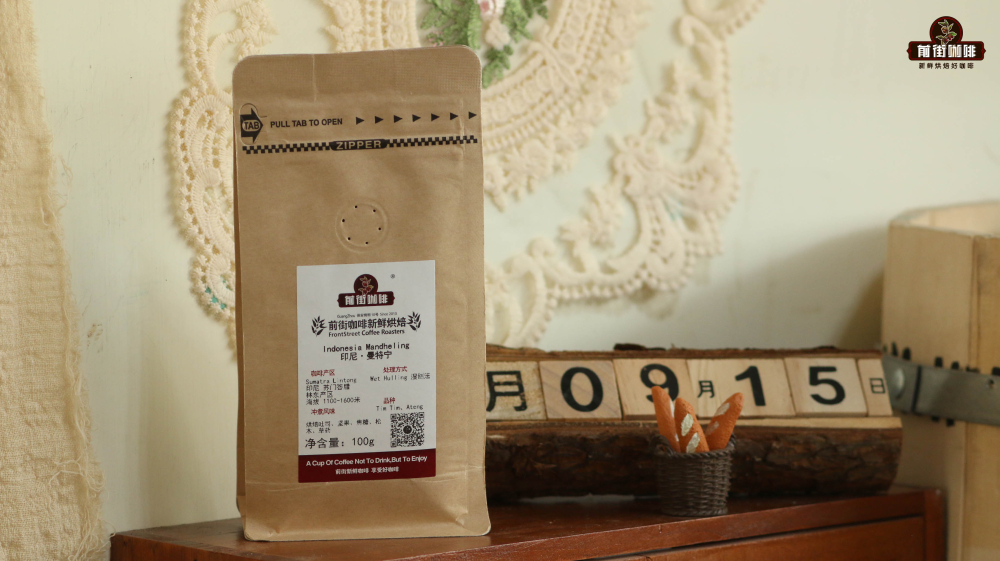
This Tiger Mandheling that FrontStreet Coffee previously acquired comes from the homeland of the Sumatran tiger - Sumatra Island. It uses 19-screen coffee fruit (the cherries are strictly filtered through a 19-mesh screen so that every bean has nearly the same diameter), then goes through three rounds of manual selection of ripe cherries before processing into green beans. Local people therefore use "Sumatran tiger" to describe the nobility and rarity of these 19-screen selected beans. In FrontStreet Coffee's cupping, the coffee showed high viscosity, a smooth texture, rich agarwood notes and high sweetness, with a long finish that brings the image of a Sumatran tiger crouching forward to mind.
Tiger Mandheling uses two varieties with notable sweetness: Typica and Caturra. Typica has bronze-colored young leaves, with beans that are oval or slender-pointed in shape, offering elegant flavor but a weak constitution, poor disease resistance and low fruit yield. FrontStreet Coffee has cupped Typica from multiple origins and found its unique clean, subtle flavor and balanced character consistently present. Caturra is a Bourbon variety, with beans that have curved ends, are round and slender, and has better production capacity and disease resistance than Bourbon. Its flavor is overall bright with good sweetness.

FrontStreet Coffee's roaster observed that the Tiger Mandheling green beans are plump and greenish-yellow in color, with good uniformity and high moisture content. The roasting goal is medium-dark, to eliminate excessive acidity while enhancing body and balance.
What is the taste of Mandheling coffee beans? Are they very bitter?
FrontStreet Coffee believes several factors shape coffee flavor. On one hand, the fertile volcanic soil of the island creates the coffee's earthy notes. As for its low acidity, the most important factor is the unique Sumatra processing method - the appropriate and distinctive wet-hulling process (wet-hulled).
Although the flavor is relatively mellow and heavy, with suitable roasting and proper brewing Mandheling does not present unpleasant bitterness but rather a noticeable sweet aftertaste.
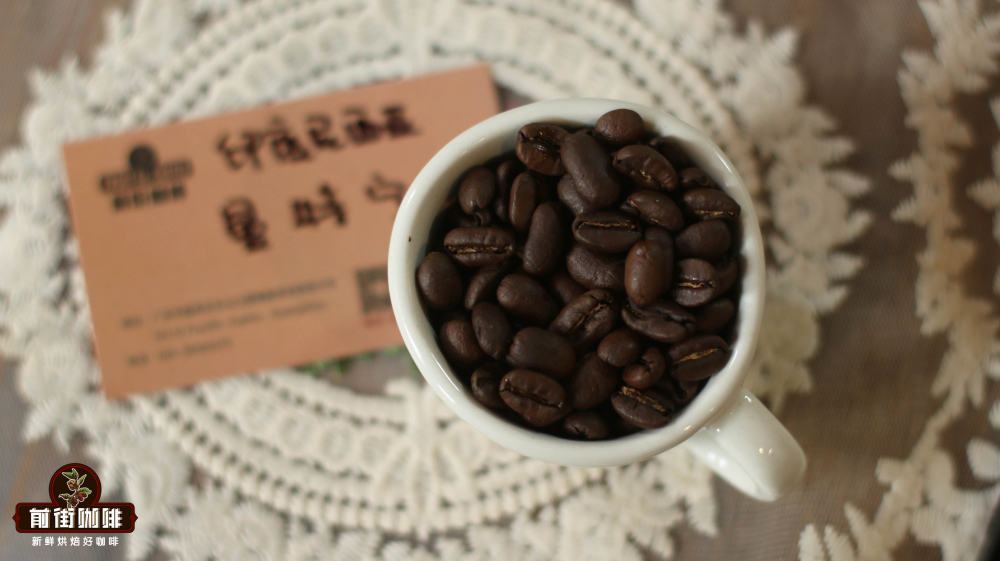
To let Mandheling display its full-bodied character while also showing the coffee's layered complexity, FrontStreet Coffee roasts it to a medium-dark degree. On one hand this allows more caramelization, producing more of the compounds that contribute to aftertaste; on the other, it preserves a slight acidity that enhances the overall texture.
FrontStreet Coffee Brewing Recommendations
Filter: Kono dripper
Water temperature: 88-89°C
Dose: 15g
Ratio: 1:15
Grind size: medium-coarse (70% retention on a China No. 20 standard sieve)
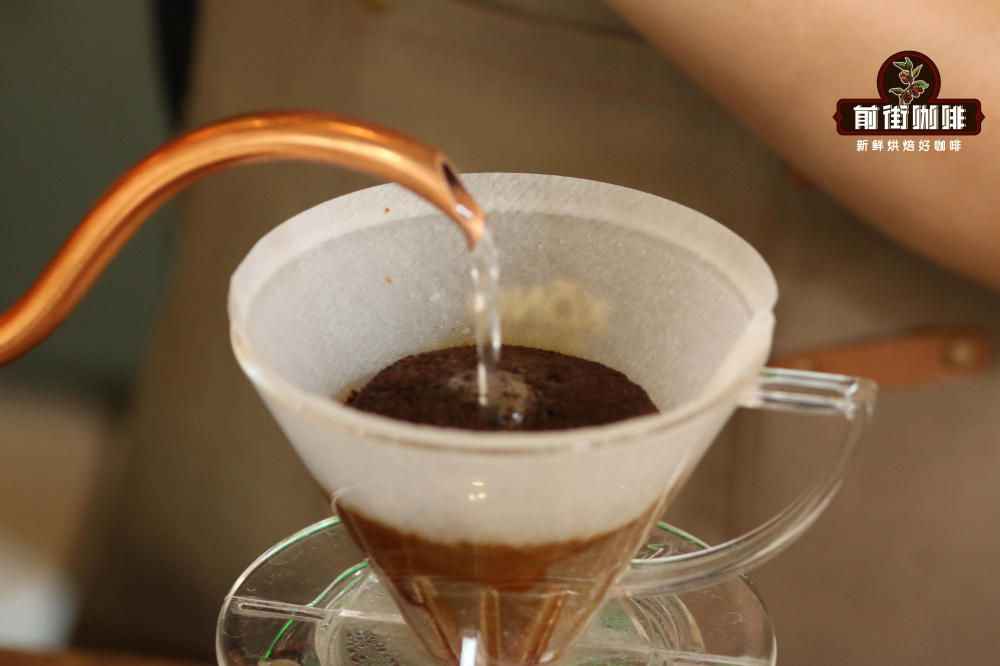
Use 30g of water for a 30-second bloom. With a small water flow, pour in circles to 125g, then pause. When the water level has dropped and is about to expose the coffee bed, continue pouring to 225g and stop. Wait until all the water has passed through the grounds, then remove the dripper to finish extraction. (Timing starts from the bloom.) Extraction time: 2'00".
FrontStreet Coffee Recommendation
If Sumatra's low-acid, full-bodied style has caught your interest and you want to explore other Arabica varieties, FrontStreet Coffee's Yunnan small-bean coffee from Baoshan is a good next step. It is washed and roasted medium, with gentle nut and chocolate sweetness and a light plum acidity, at a very approachable price.
Washed processing - as used for this Yunnan coffee - strips the fruit and mucilage before drying, which makes the cup cleaner and lets the region's own character come through. Yunnan small-bean is the everyday name for the Catimor variety there, and FrontStreet Coffee also offers a Typica from its own Yunnan plantings.
That Typica is FrontStreet Coffee's 2013 Yunnan natural Typica. FrontStreet Coffee started the plantation in 2013 using only fully ripe red cherries, and after natural drying and a medium roast the cup shows dark berry, caramel, chocolate and a hint of dried apricot, with a black-tea finish - a good comparison against Sumatra's earthy, herbal profile.
For an espresso take on the same idea, FrontStreet Coffee's Black Cocoa blend combines Yunnan small-bean with Brazil Cerrado: the Brazilian side supplies mixed nuts and balance, while the Yunnan side brings chocolate and citrus. It makes an Americano with balanced acidity, bitterness and sweetness, and a latte with almond and cream.
Important Notice :
FrontStreet Coffee is a long-established specialty coffee roaster in Guangzhou China, selling freshly roasted beans from its own farm in Yunnan as well as dozens of carefully selected single-origin beans from around the world for both pour-over and espresso. The products deliver consistently excellent quality and great value, with shipping within 24 hours. Guangzhou's FrontStreet Coffee shop is recommended by many coffee lovers, and the beans are now available online at the Tmall 。
FrontStreet Coffee has moved to a new address:
FrontStreet Coffee Address: 315,Donghua East Road,GuangZhou
Tel:020 38364473
 Scan and follow the En Gafei WeChat official account. Please indicate that the reprint comes from "En Gafei".