What is Wet Hulling Process: Indonesia Mandheling Coffee Bean Wet Hulling Method, Process Characteristics, and Flavor Description
For more specialty coffee knowledge, follow the official WeChat account: FrontStreet Coffee
What is Wet Hulling?
Wet hulling is a coffee processing method used specifically for Indonesian beans. Processing methods are, in fact, tied to local climate. Indonesia adopted this unique approach entirely because the weather there is dominated by rain and constant typhoons, making the good conditions needed for sun-drying impossible to achieve — and because the local economy can't support the more expensive washed method. Indonesia stays hot and humid year-round with insufficient sunlight, and humidity consistently sits between 70-90%. Relying purely on natural sun-drying is clearly unrealistic. On Sumatra, with its ever-changing weather, even the washed method struggles to find a full week of sunshine for drying. So wet hulling emerged as the solution. It became, almost by accident, a one-of-a-kind method — and created the distinctive herbal, rich, nutty, and pine flavors of Indonesian Mandheling coffee.
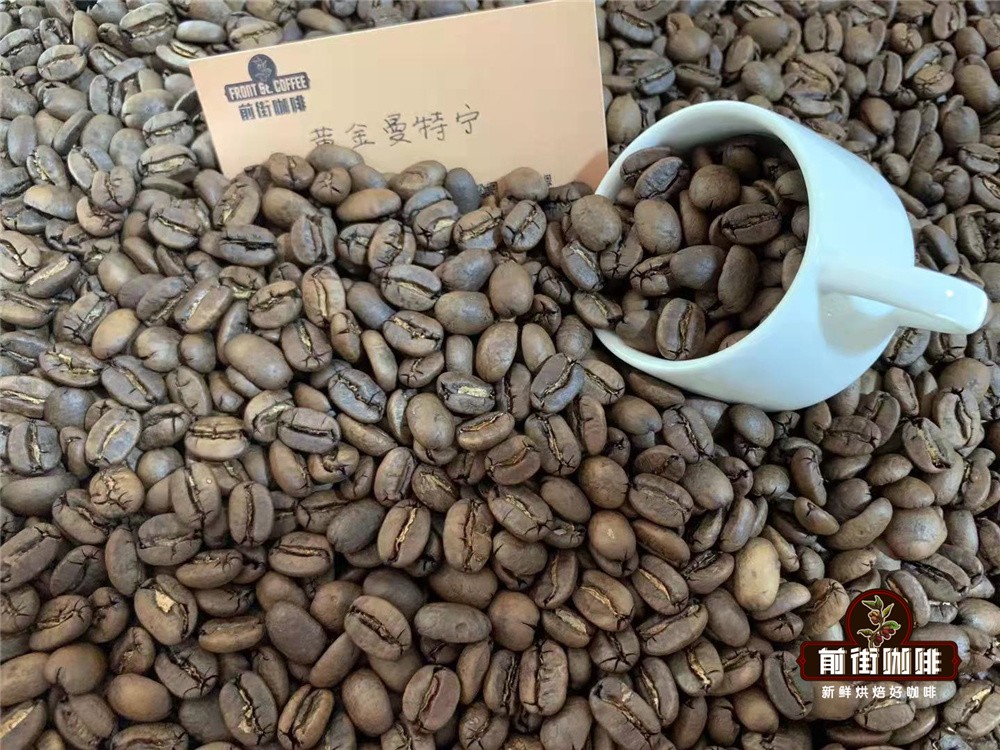
FrontStreet Coffee's Indonesian Mandheling beans have always been a favorite, especially the single-origin Golden Mandheling. Some people may not enjoy the taste of Mandheling, but those who love this texture fall for it at the first sip. Mandheling represents Asian coffee with a distinct pine, herbal, and nutty-caramel profile; some even say it tastes remarkably like traditional Chinese medicine. Yet Mandheling offers the richest body of any coffee in the world.

Mandheling Origins and Varieties
Mandheling is also known as "Sumatra coffee." Most coffee from northern Sumatra is Gayo, primarily of the Ateng variety. The Tawar Lake area in the north can be called Aceh coffee, or Tawar Lake coffee. The Lintong and Lake Toba regions in southern Sumatra can be called Mandheling. The Lintong area is, in fact, the Mandheling producing region. Mandheling comes from the mountains around Lake Toba — a high-altitude freshwater lake north of Medan, the capital of Sumatra, with an average elevation of about 900 meters. Sumatra's mysterious, singular natural environment gives Mandheling its signature: rich body, intense flavor, and subtle chocolate and herbal notes.
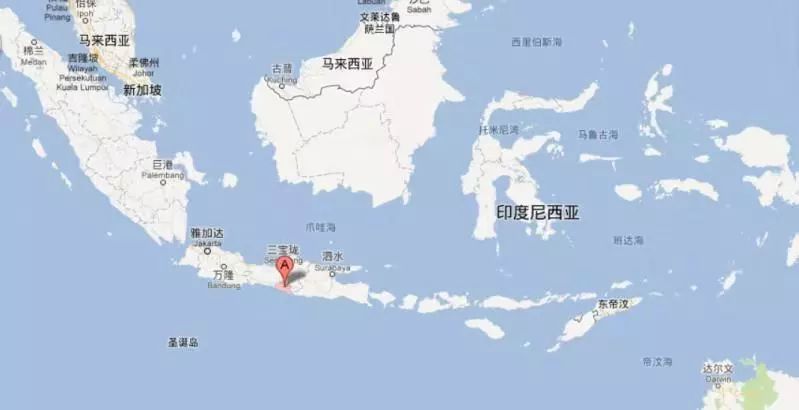
As noted, Mandheling is also called "Sumatra coffee." Tawar Lake in the north can be called Aceh coffee or Tawar Lake coffee, while the Lintong and Lake Toba areas can be called Mandheling. FrontStreet Coffee offers two Mandheling coffees: the Indonesian Mandheling from our daily selection series and the single-origin Golden Mandheling.
Lintong Mandheling
Lintong Mandheling is produced in the Lintong mountains of north-central Sumatra, near Lake Toba. It is the regular version of Mandheling. Lintong Mandheling also uses the conventional wet-hulling method, which creates its low acidity and high body. FrontStreet Coffee's Indonesian Mandheling from our daily selection comes from Lintong.
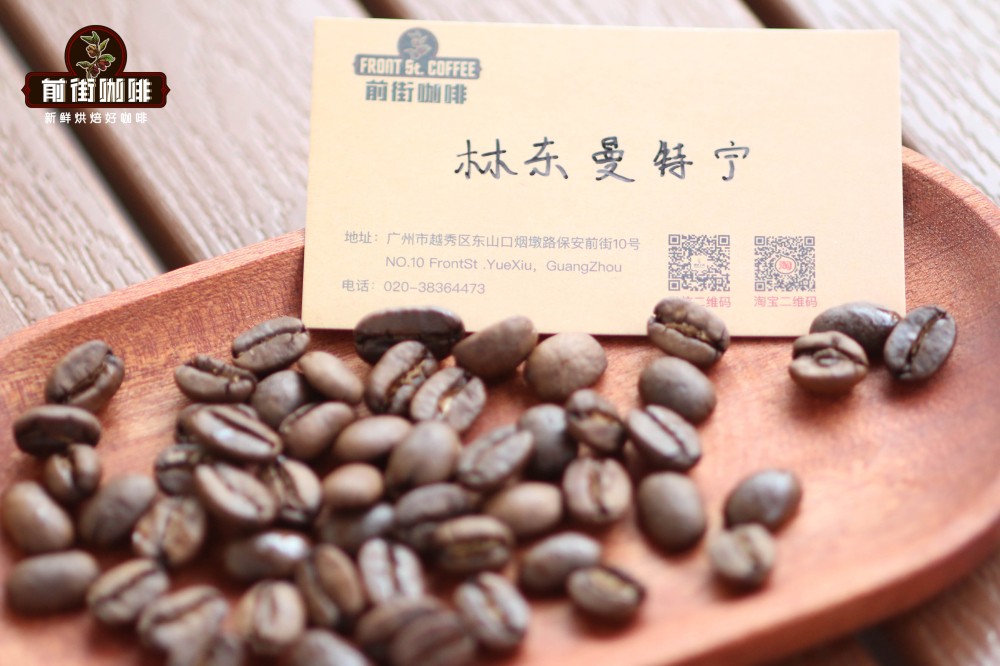
Golden Mandheling
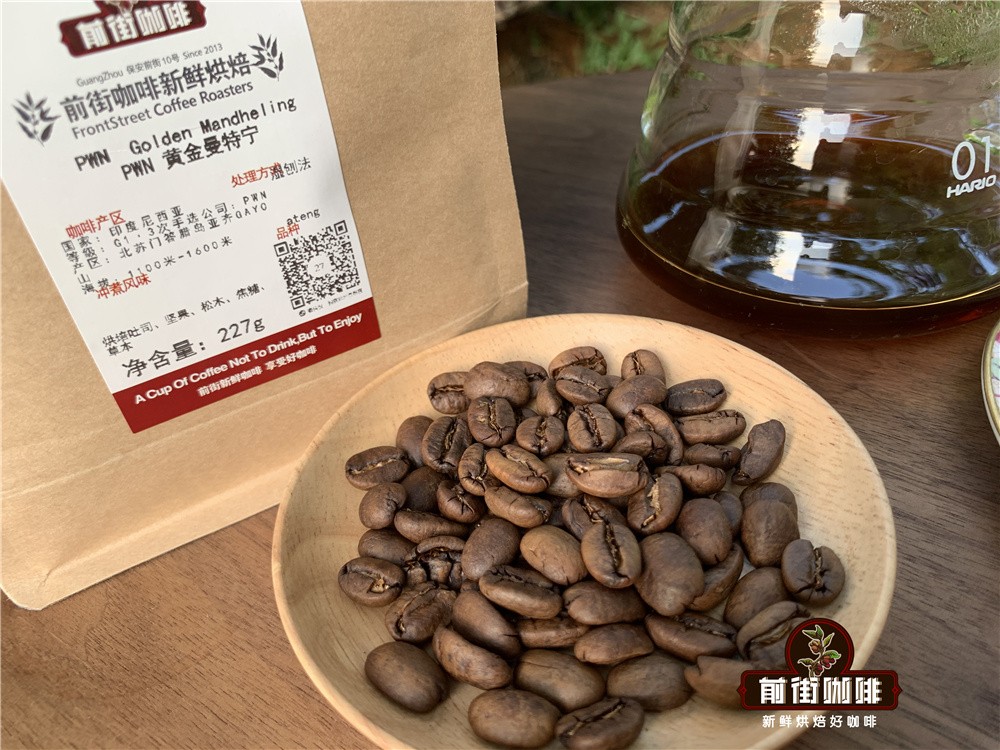
Golden Mandheling's green bean specifications are screen 18 or larger with fewer than 3 defective beans in a 300g green bean sample, placing it in the top grade G1 level. The color is dark green, and the beans are uniform flat beans. After strict screening, FrontStreet Coffee found that Golden Mandheling not only lacks the distinctive earthy impurities of regular Mandheling but also tastes cleaner and brighter, with more intense sweetness. FrontStreet Coffee's Golden Mandheling comes from PWN. Golden Mandheling is actually produced from Mandheling that Pwani Coffee Company acquires locally in Indonesia and then registered under the name "Golden Mandheling," so only Mandheling produced by this company is authentic Golden Mandheling.
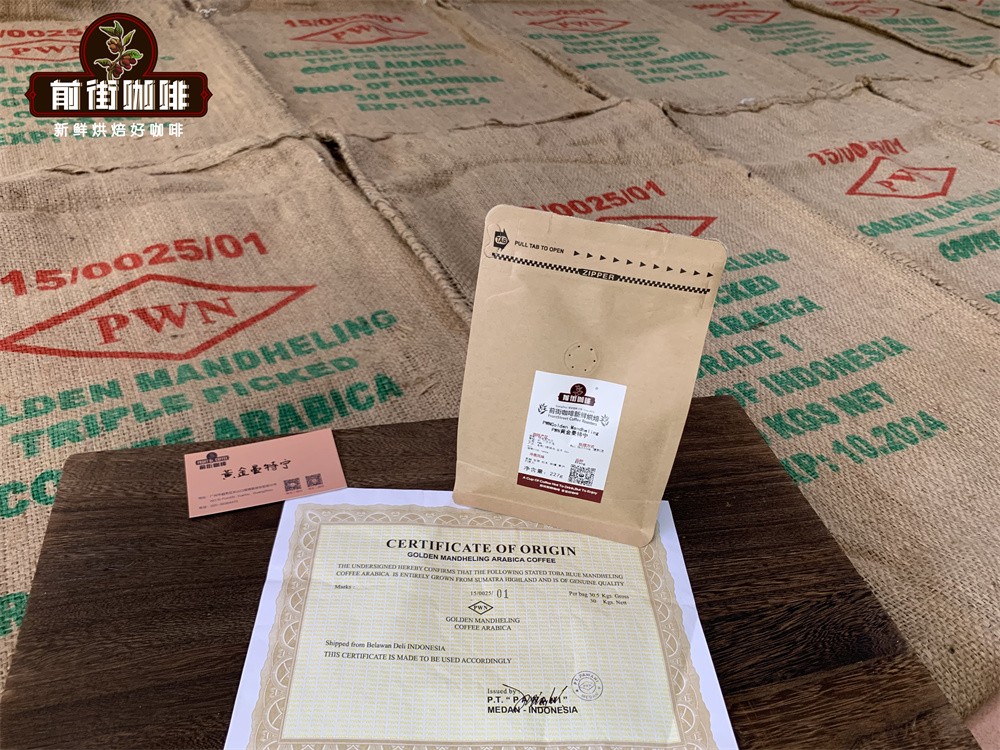
Golden Mandheling differs from regular Mandheling not just in size; its production process and regional selection already determine a different flavor profile. FrontStreet Coffee believes that for professional-level connoisseurs and taste-sensitive drinkers, tasting the two side by side makes the contrast obvious. Golden Mandheling's sweetness, cleanliness, body, and wild spice flavors are superior to G1, which is one reason it costs far more than G1.
Wet Hulling Process
The difference between Mandheling's wet-hulling method and the washed method is this: washed processing keeps the mucilage for fermentation, then uses clean water to wash away the residual mucilage before direct sun-drying, and the beans are stored with the parchment intact. Wet hulling, by contrast, ferments the beans the washed way, then, once they are semi-dried, removes the parchment by machine before final drying. The beans go into storage "naked." Mandheling's body ranks among the highest in specialty coffee, with heavy body and low acidity as its hallmarks. The smoothness and sweetness of dark chocolate and caramel give it a very long-lasting aftertaste and complex layers of flavor.
The Specific Steps of Mandheling Wet Hulling:
Farmers first harvest ripe coffee cherries and place them in water tanks, using flotation to remove debris and unripe cherries.
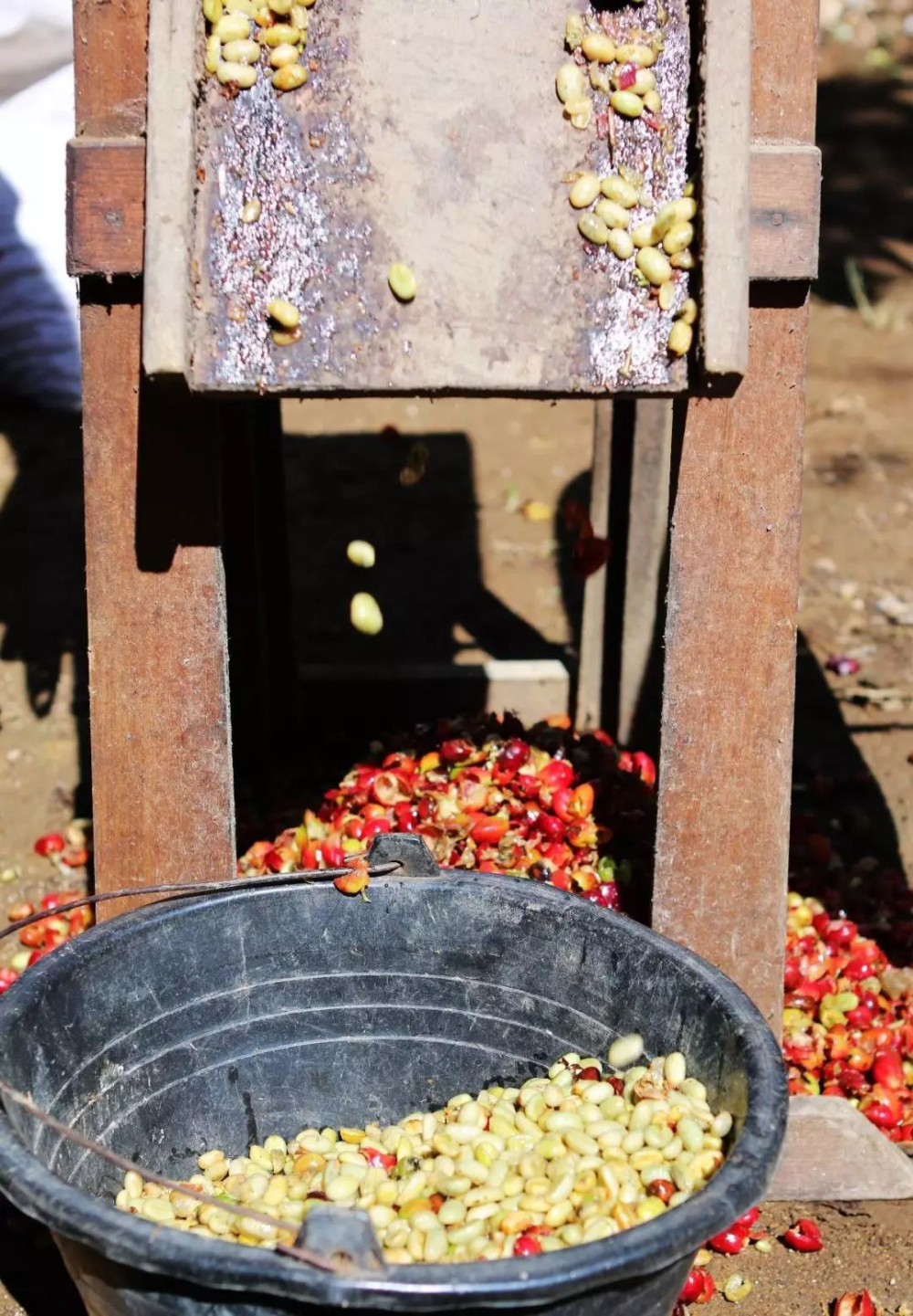
A pulping machine then removes the pulp and skin, retaining the parchment and mucilage for a brief fermentation to break down the mucilage.
The washed green coffee is dried next: the parchment-protected beans are placed in direct sunlight for 1-2 days to reduce moisture content to 30%-50%.

Machines then remove the mucilage and parchment layer. With the parchment gone, the beans go through another 2-4 days of drying, reducing moisture content to about 12-13% to complete the process.
In his book, Teacher Han Huaizong once described the flavor of wet-hulled beans this way: "This is also a rare processing method in the world, which accidentally created Mandheling's special low-acidity, thick, and mellow aromatic flavor."

Although wet hulling creates Mandheling's unique flavor, one thing that happens with this method is that when semi-hard, semi-soft damp green beans have their mucilage and parchment layers removed by machine, they are easily crushed. The injured beans crack open in a cloven-hoof shape, commonly known as "goat hoof beans." FrontStreet Coffee regards this as a very distinctive characteristic of Mandheling beans, not a defect.
Mandheling Coffee Bean Varieties
Mandheling refers specifically to arabica beans grown on the Indonesian island of Sumatra, with varieties mostly being Timtim or Ateng. Timtim is Timor, an arabica variety with robusta bloodlines, while Ateng is Catimor, a hybrid of Caturra and Timor.
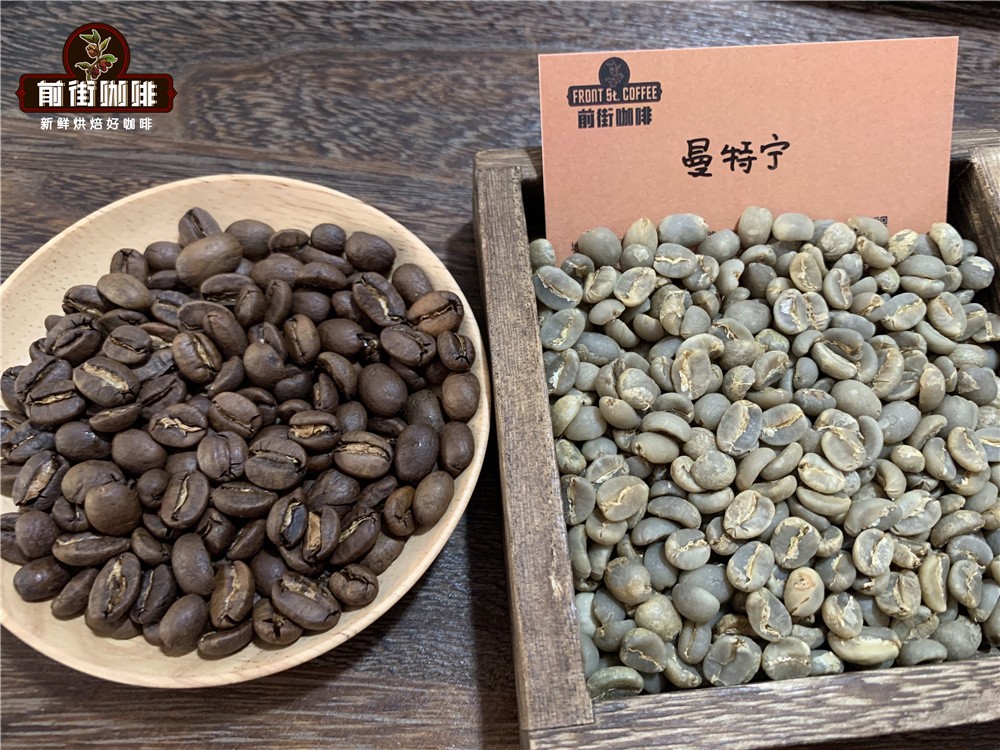
Both varieties carry arabica and robusta genes. The arabica genes bring better coffee flavor, while robusta provides better pest and disease resistance, suited to Indonesia's hot, humid climate.
One drawback of robusta genes is that the flavor is relatively rough and not especially pleasant. Even though Mandheling varieties are mainly arabica-based, they can't entirely eliminate the dull notes from robusta — and combined with the "hardcore" methods of Indonesia's unique processing, those notes persist.
So no matter which type of Mandheling you choose, they all show rich herbal, spice, and cocoa notes with low acidity and high body — the signature Sumatra regional profile.
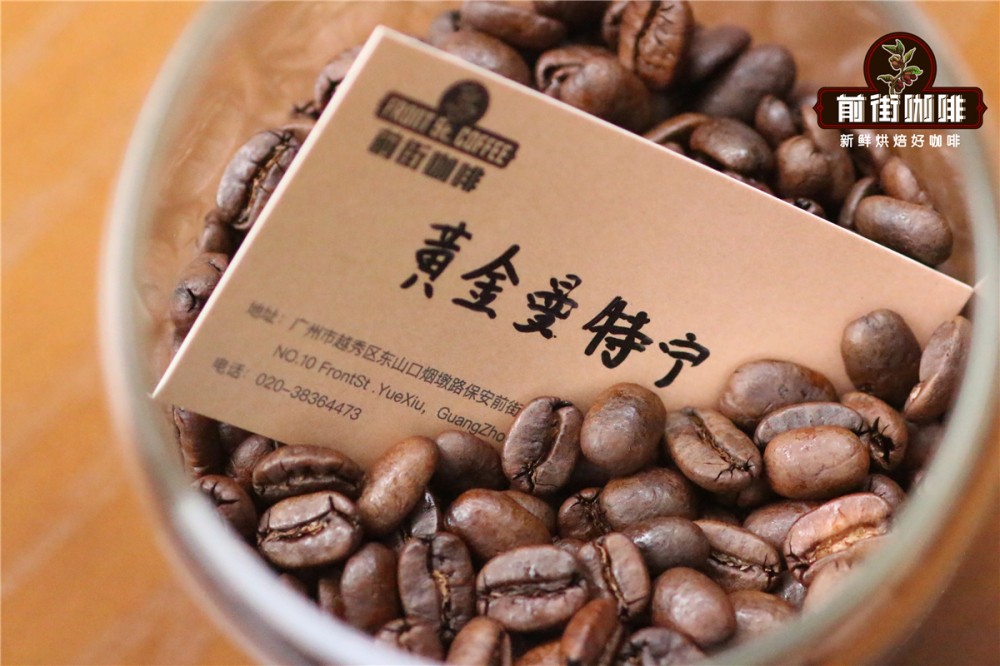
Careful observers may notice the "cloven-hoof shape" of Mandheling beans. FrontStreet Coffee has also noted this common appearance. It happens because when semi-hard, semi-soft damp green beans have their mucilage and parchment layers removed by machine, they crack open in a cloven-hoof shape — the "goat hoof bean." This shape is a very distinctive feature of Mandheling coffee, so it's not treated as a defect.
FrontStreet Coffee's Mandheling Brewing Parameters:
FrontStreet Coffee brews Mandheling in a KONO dripper. The KONO's ribs stop at less than half the height of the cone, a design meant to keep the filter pressed tightly against the wall after wetting, restricting airflow and lengthening the time the coffee particles absorb water. This makes extraction more uniform overall and enhances the rich body.

KONO dripper, 88°C water temperature, 1:15 coffee-to-water ratio, 15g of grounds, grind size around a 75% pass-through rate on a #20 standard sieve, three-stage extraction.
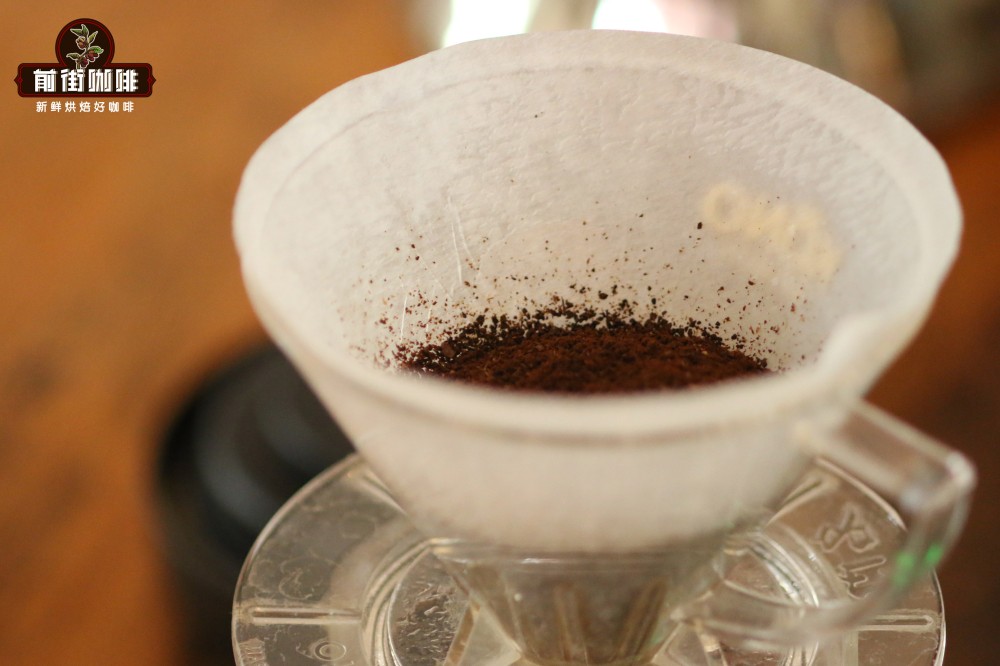
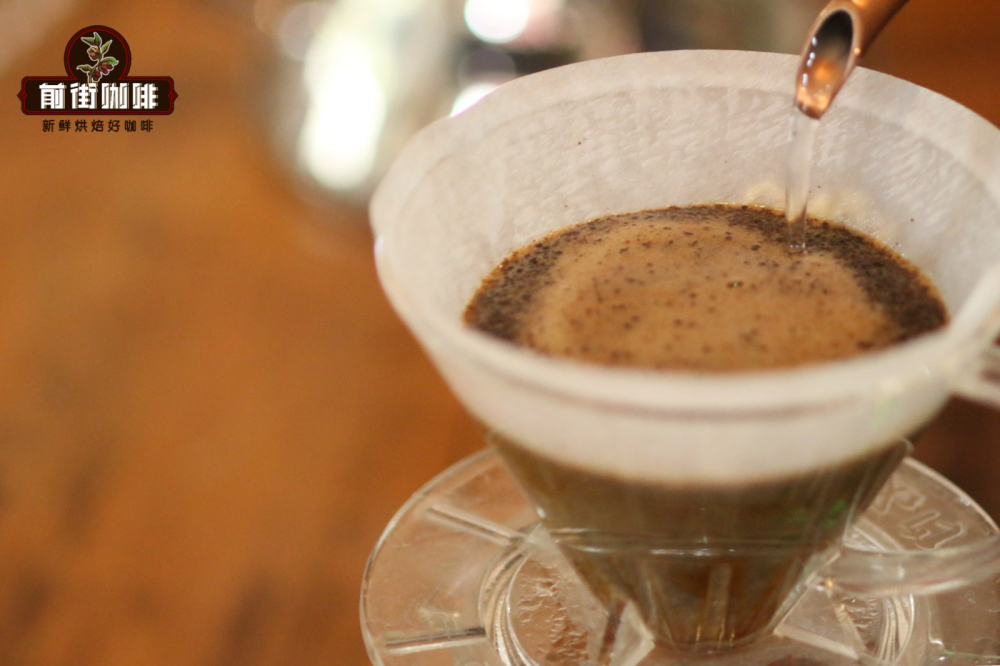
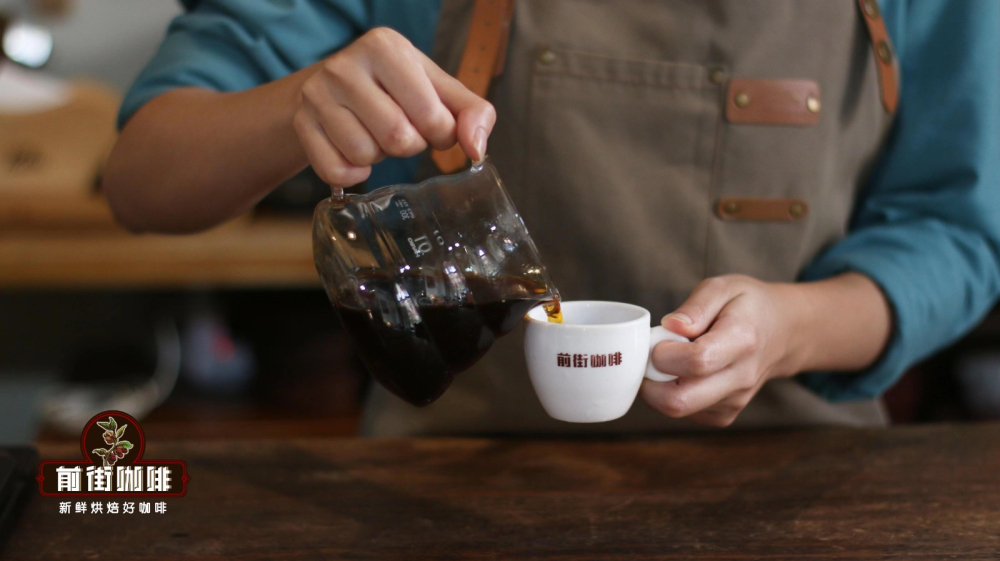
Using segmented extraction, bloom with twice the weight of the grounds in water — that is, 30g of water for 30 seconds. Blooming is necessary to let the grounds release trapped carbon dioxide, making the rest of the extraction more stable. With a small circular pour, go to 125g for the split, then continue to 225g and stop. Wait until the water in the dripper has finished dripping, then remove the dripper. Timing from the start of pouring, extraction takes 2'00". Then pick up the whole cup, give it a good swirl, and pour into cups for tasting.
Lintong Mandheling Coffee Flavor: Herbal, chocolate, caramel, overall quite balanced.
Golden Mandheling Coffee Flavor: Nuts, spices, herbal plants, licorice, chocolate, caramel.
FrontStreet Coffee Brewing Suggestions:
To brew a delicious cup, FrontStreet Coffee believes any method starts with fresh beans. The company has always held that freshness greatly affects flavor, so it ships beans roasted within 5 days. Its roasting philosophy — "freshly roasted good coffee" — ensures every customer receives the freshest coffee. The resting period is about 4-7 days, so by the time it arrives it's at peak flavor.
For those who need ground coffee, FrontStreet Coffee kindly reminds: if beans are ground in advance, no further resting is needed, because during shipping the pressure of carbon dioxide inside the packaging helps the flavor round out, so you can brew a cup the moment you receive it. Ground coffee should be brewed promptly, though, because it oxidizes quickly in air, meaning the flavor fades relatively fast and the cup won't taste as good. FrontStreet Coffee therefore suggests buying whole beans and grinding fresh before brewing for the best flavor.
There are many processing methods, but all build on the foundations of washing and sun-drying. Different methods yield different flavors. As specialty coffee has advanced, many approaches have appeared — honey processing, anaerobic processing, and more. FrontStreet Coffee carries beans made with these methods, such as Costa Rica's honey-processed Mirasu Geisha and the Mozart coffee from the Musician series, and Colombia's anaerobically processed Huayueye and Rose Valley coffees. FrontStreet Coffee stocks over fifty different regional coffees, fully satisfying coffee lovers' desire to explore and understand coffee.
For professional coffee knowledge exchange and more coffee bean information, follow Coffee Workshop (official WeChat account: cafe_style)
For more specialty coffee beans, please add FrontStreet Coffee's personal WeChat account: qjcoffeex
FrontStreet Coffee Recommendation
To taste wet-hulling's signature low-acidity, heavy-bodied cup, FrontStreet's Lintong Mandheling daily beans are the place to start: medium-dark roasted, intensely aromatic, and full-bodied, with clove and woody aromatics, a spice-and-mint character, and a strong, lingering sweetness. For the highest grade of the style, FrontStreet's PWN Golden Mandheling is the top choice — PWN buys high-quality Mandheling green beans and screens them mechanically and by hand to select plump, defect-free lots, yielding uniform, large, translucent beans with a low defect rate and, after medium-dark roasting, rich roasted aromas and a clean yet full-bodied black coffee that suits anyone who dislikes acidity.
For pour-over, FrontStreet suggests 87-88°C water, 15g of grounds, a 1:15 ratio, a coarse-sugar grind, and a three-stage pour: 30ml for the bloom to saturate the grounds and release gas, then 100ml to draw out the golden foam and lift the bed, and finally a gentle 95ml center pour to build sweetness — together delivering a thick body with caramel sweetness and chocolate and nut notes.
Important Notice :
FrontStreet Coffee is a long-established specialty coffee roaster in Guangzhou China, selling freshly roasted beans from its own farm in Yunnan as well as dozens of carefully selected single-origin beans from around the world for both pour-over and espresso. The products deliver consistently excellent quality and great value, with shipping within 24 hours. Guangzhou's FrontStreet Coffee shop is recommended by many coffee lovers, and the beans are now available online at the Tmall 。
FrontStreet Coffee has moved to a new address:
FrontStreet Coffee Address: 315,Donghua East Road,GuangZhou
Tel:020 38364473
 Scan and follow the En Gafei WeChat official account. Please indicate that the reprint comes from "En Gafei".