The Pure and Refreshing Flavor Profile of Ethiopian Natural Yirgacheffe Worka Coffee
Yirgacheffe: The Jewel of Ethiopian Coffee
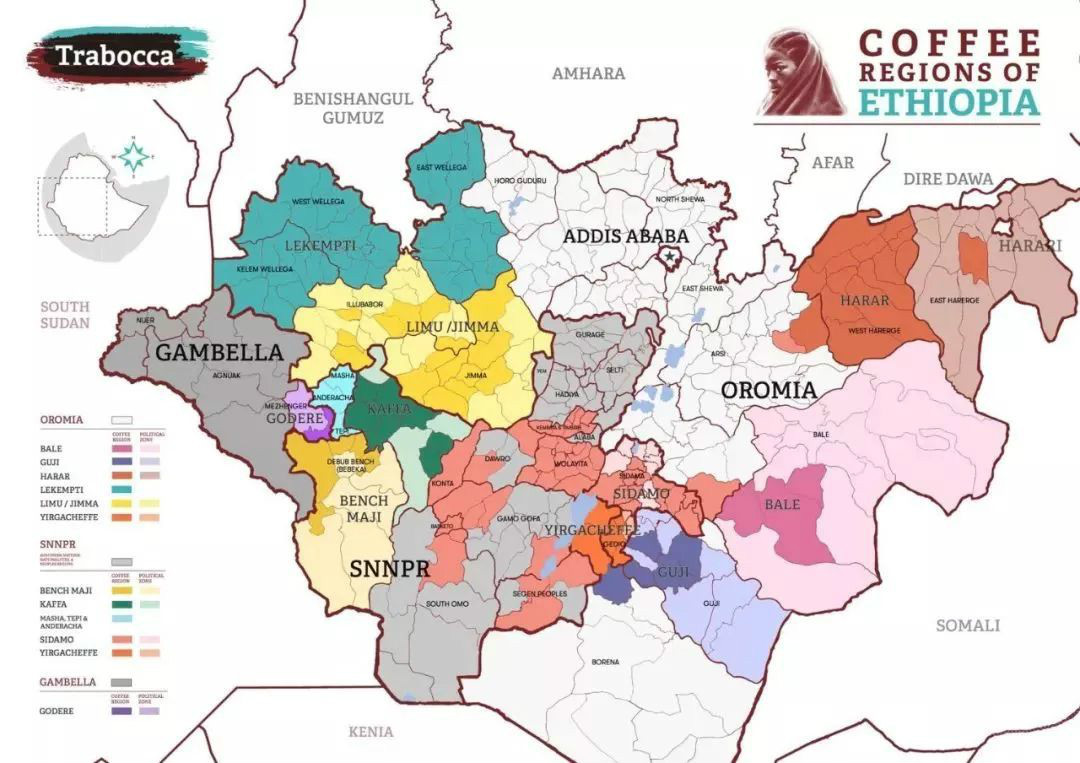
Yirgacheffe is a small town of about 20,000 people. The three neighboring producing areas - Wenago, Kochere, and Gelena Abaya - grow coffee with flavors virtually identical to Yirgacheffe's, so their beans are also classified under the Yirgacheffe regional category.
Yirgacheffe shares culture and geography with the nearby Sidamo region, yet it seems especially blessed by uniquely favorable conditions. Top-quality Yirgacheffe features floral notes, bright citrus acidity, lemon-toned aromas, and a silky mouthfeel.
Washed Ethiopian Grade G1: A Rare Premium Quality
This coffee comes from a single farm in Ethiopia, processed by the Worka Cooperative. Alemayehu Alako Farm is a member of the Worka Cooperative.
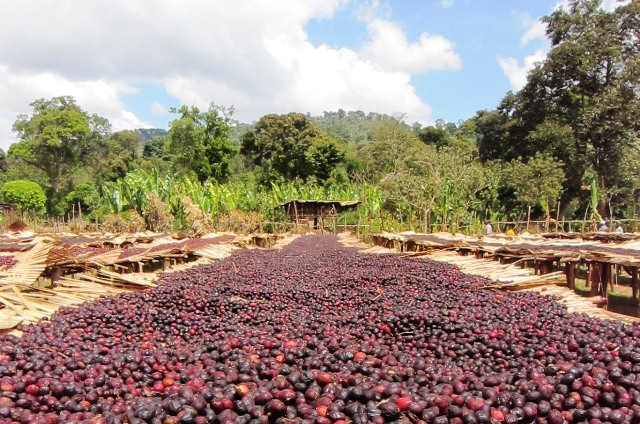
The Worka Cooperative sits in the southern part of Gedeb District. It was established in 2005 and joined the renowned Yirgacheffe Coffee Farmers Cooperative Union (YCFCU) the same year, building its reputation on high-quality natural Yirgacheffe coffee. The Worka Cooperative has about 300 coffee farmers. YCFCU was founded in 2002 and includes 26 other cooperatives, serving more than 45,000 coffee farmers.
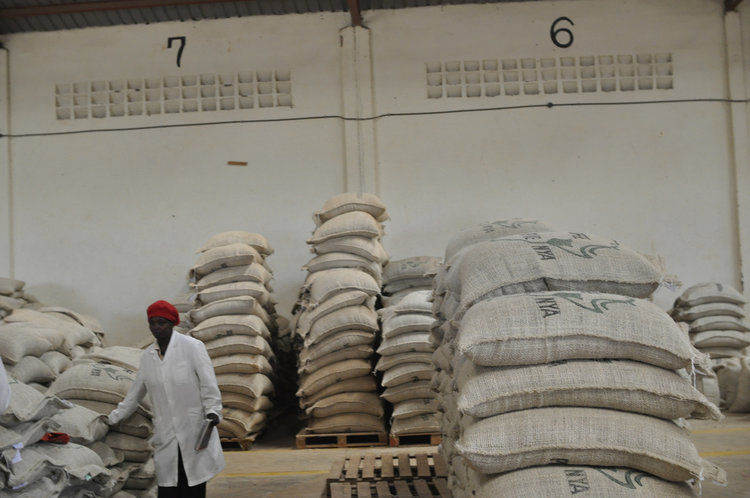
Worka lies in the southeasternmost part of Yirgacheffe, in the Gedeb region. In earlier years the area exported its local green coffee under the name Worka, or had it processed by the Worka Cooperative. Over the past two to three years, however, individual single-origin sources have been discovered one by one by coffee hunters around the world - Banko Gotiti, Banko Dadhato, and Halo Bariti among them. Gotiti Village was one of the first village areas to be independently separated several years ago. Many individual smallholders were originally members of the Worka Cooperative, so their coffee-growing skills are naturally excellent.
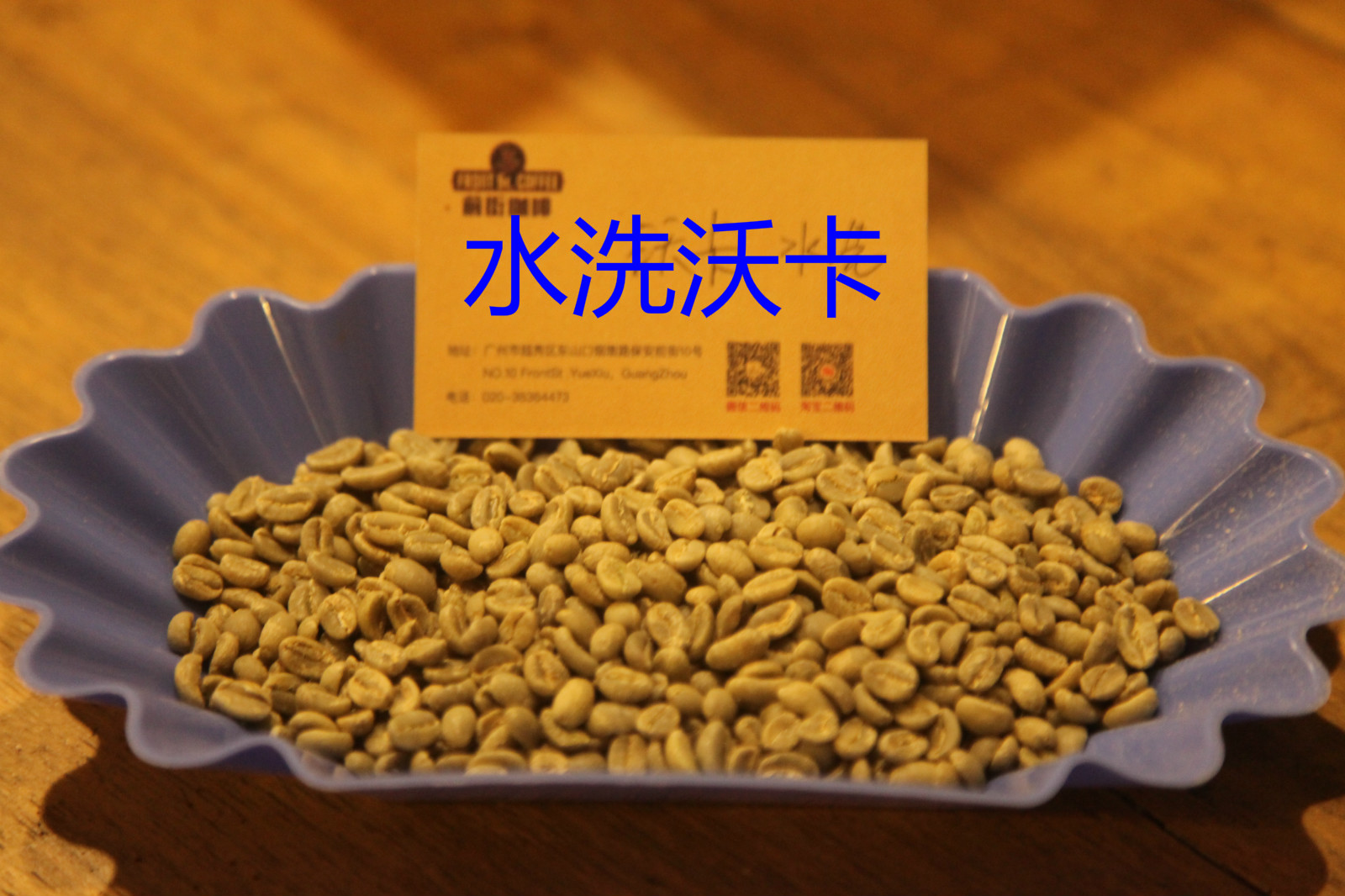
Heirloom varieties (local native types) are a designation unique to Ethiopia. Their range is all-encompassing, including Typica, Mocha, Bourbon, and many others. The Kaffa Forest is the cradle of Arabica coffee. The total number of varieties - original or derived - across all coffee-producing countries worldwide amounts to only several hundred, while this treasure trove holds tens of thousands, most of them still unclassified. "Heirloom" is Ethiopia's own shorthand for telling the world that its varieties are all-encompassing. The green beans are greenish-blue and fairly uniform in size.
African coffee beans are graded by the proportion of defective beans. Ethiopian beans are divided into six grades, G1 through G6. The highest grades for washed beans are G1 and G2, while the highest grades for natural-processed beans are G1 and G3.
Natural Processed vs. Washed Yirgacheffe
Compared with the traditionally natural-processed Harrar region, natural Yirgacheffe is less common. As the region where Ethiopia's first washing station was established, Yirgacheffe is better known to enthusiasts as a washed coffee with elegant lemon and citrus character.
Washed coffee is less prone to wild flavors and tends to be pure and refreshing, which makes it well suited to light roasts. This washed Ethiopian coffee reaches the top grade of G1, indicating very few defects.
Flavor Profile
Distinct floral notes, with intense citrus aromas in both the dry and wet fragrance. The front palate offers lemon, kumquat, white grape juice, and other varied flavors. The middle to back palate shows rich citrus sweet-and-sour notes, like the concentrated sweetness of soda water - distinctive, prominent, and exceptionally rare.
Coffee Information
Washed Yirgacheffe G1
- Country: Ethiopia
- Grade: G1
- Region: Worka
- Roast Level: Light Roast
- Processing Method: Washed
- Variety: Local Heirloom
- Processing Station: Worka Cooperative
- Flavor Notes: Lemon, Kumquat, White Grape Juice
FrontStreet Coffee's Pour-Over Recommendations
Brewing Methods
Recommended Brewing Methods: Siphon, Pour-over
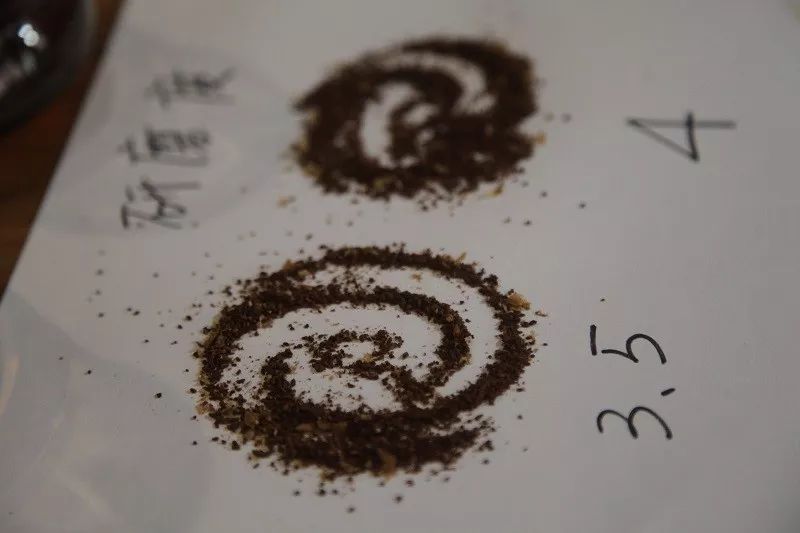
Grind Size: 3.5 (Japanese Fuji R440)
V60 Pour-Over Recipe
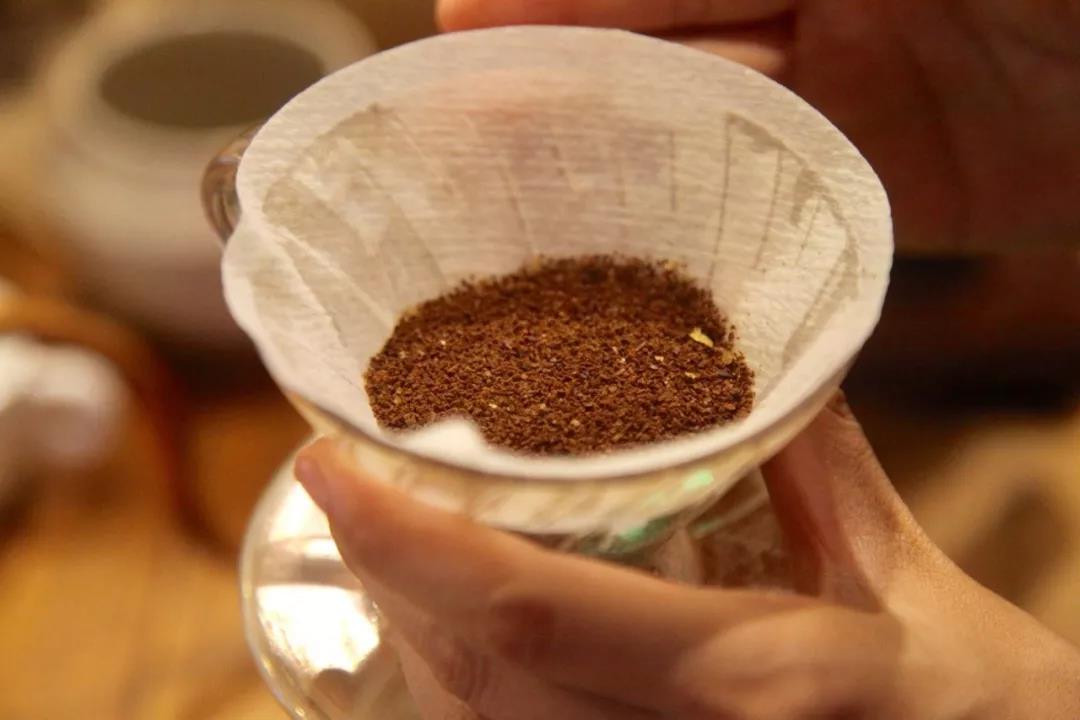
V60 Recipe: V60 dripper, 15g coffee, water temperature 90°C, grind size 3.5, water-to-coffee ratio close to 1:15
Bloom: 30g water for bloom, bloom time 30s
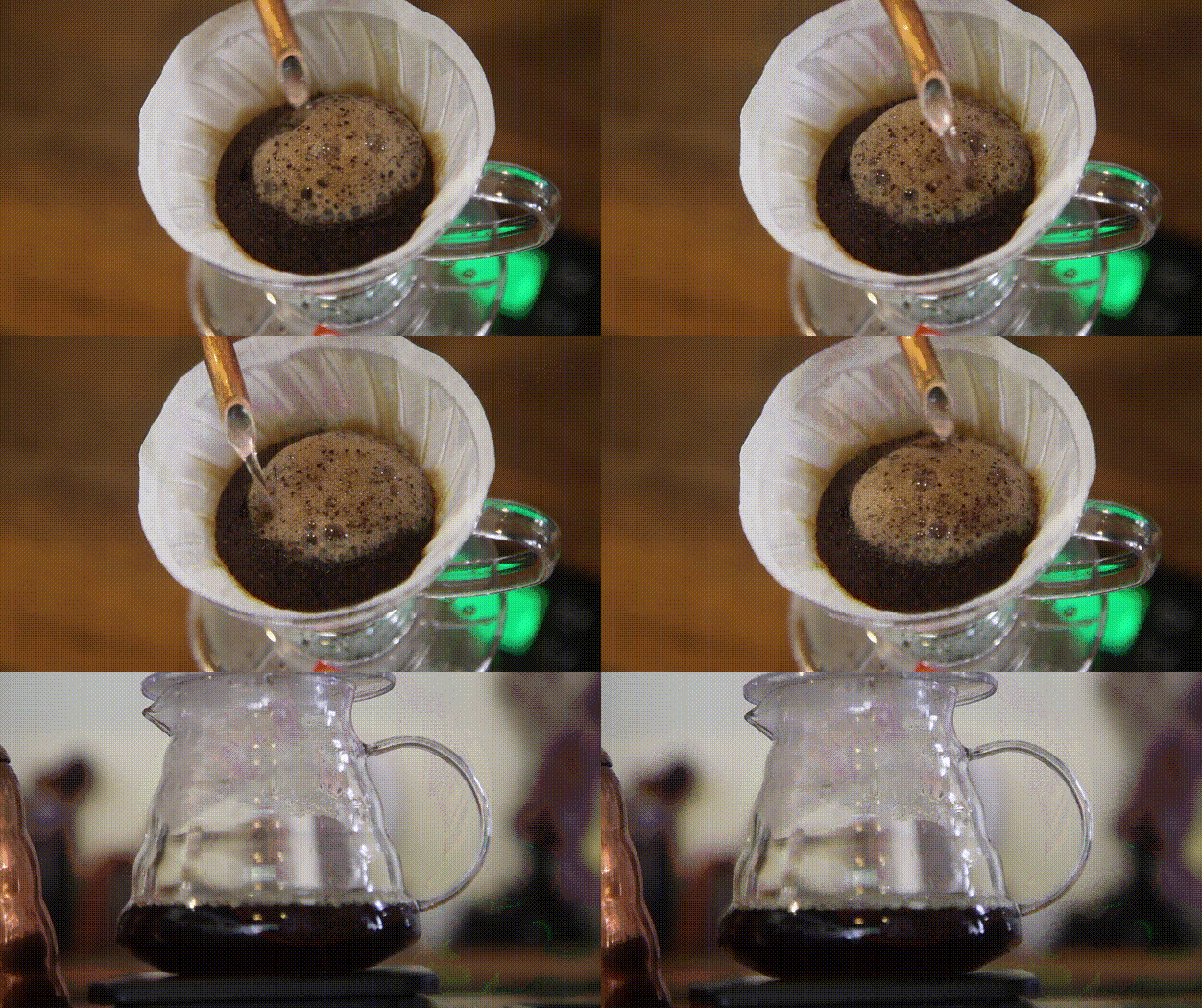
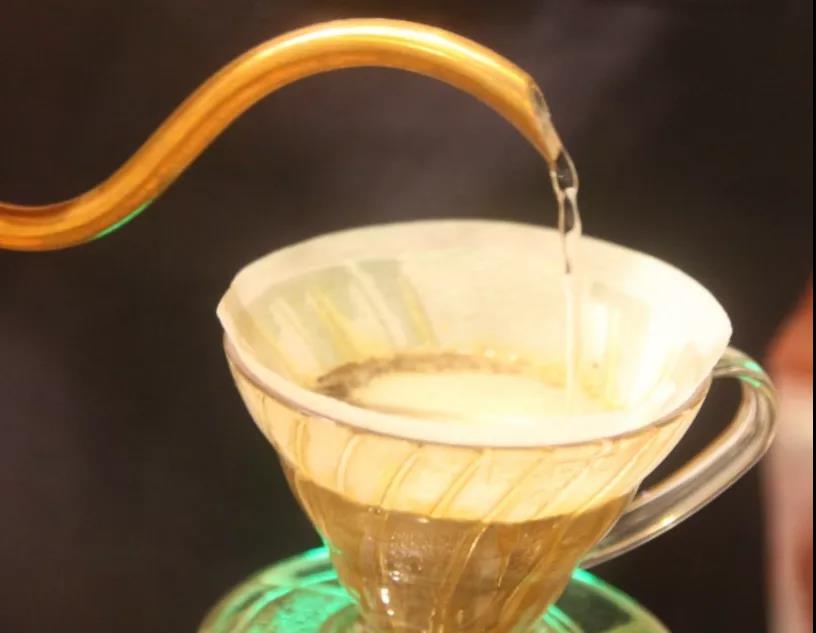
Pouring Stages: Pour water to 120g, pause, then slowly pour to 225g
Sequence: 30-120-225
Other Drip Brewing Recommendations
- French Press: Recommend grind size 3.5-4, water temperature 86-88°C
- AeroPress: Recommend grind size 2.5, water temperature 86-88°C
Ethiopia Yirgacheffe Washed Heirloom Worka G1 Single-Origin Specialty Coffee Beans
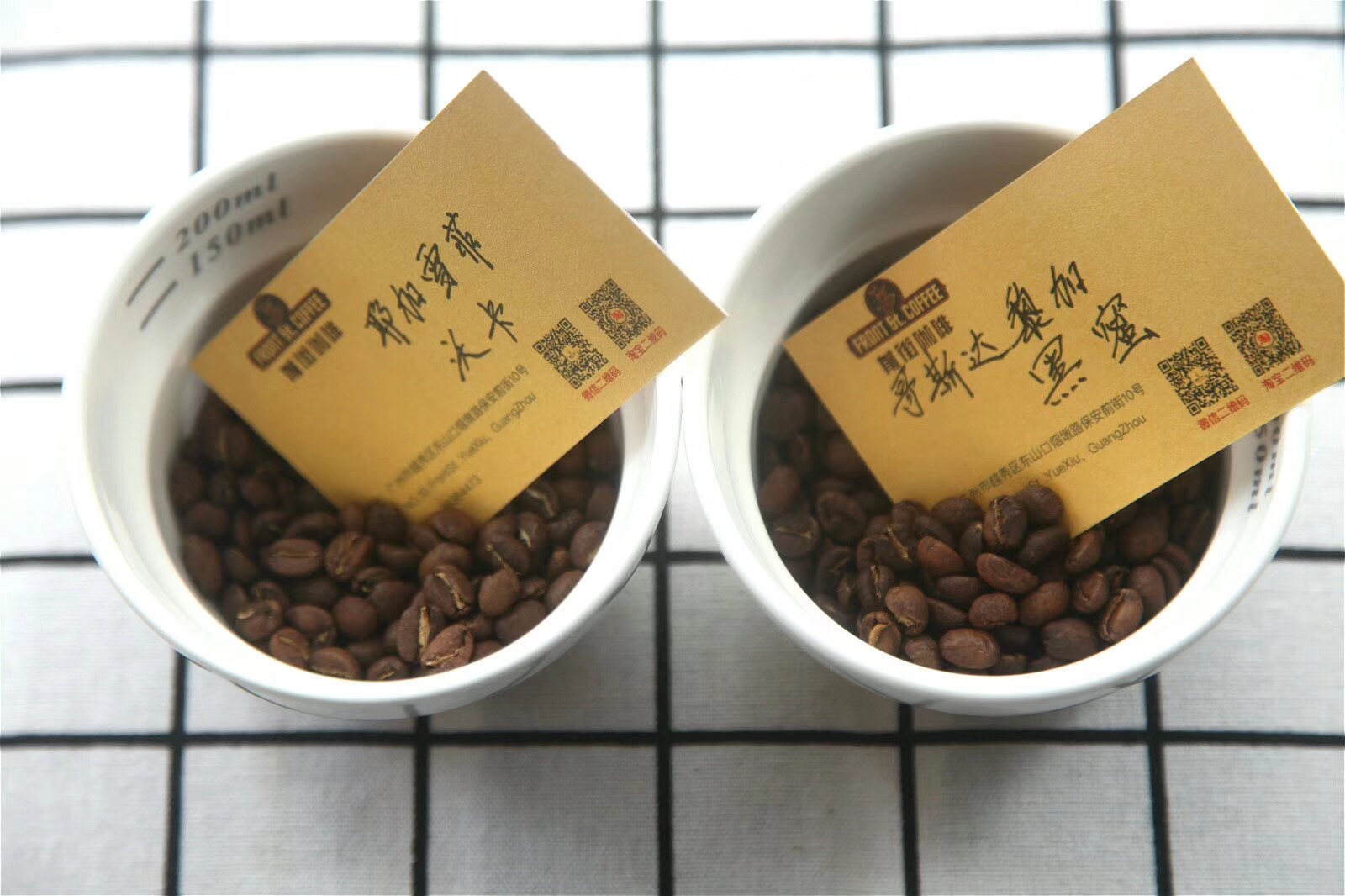
FrontStreet Coffee's Cold Drip Recipe
FrontStreet Coffee's Cold Drip Recipe: Yirgacheffe Worka 30g + Costa Rica Black Honey 30g, coffee-to-water ratio 1:10, BG grind size 3D (close to cupping grind size)
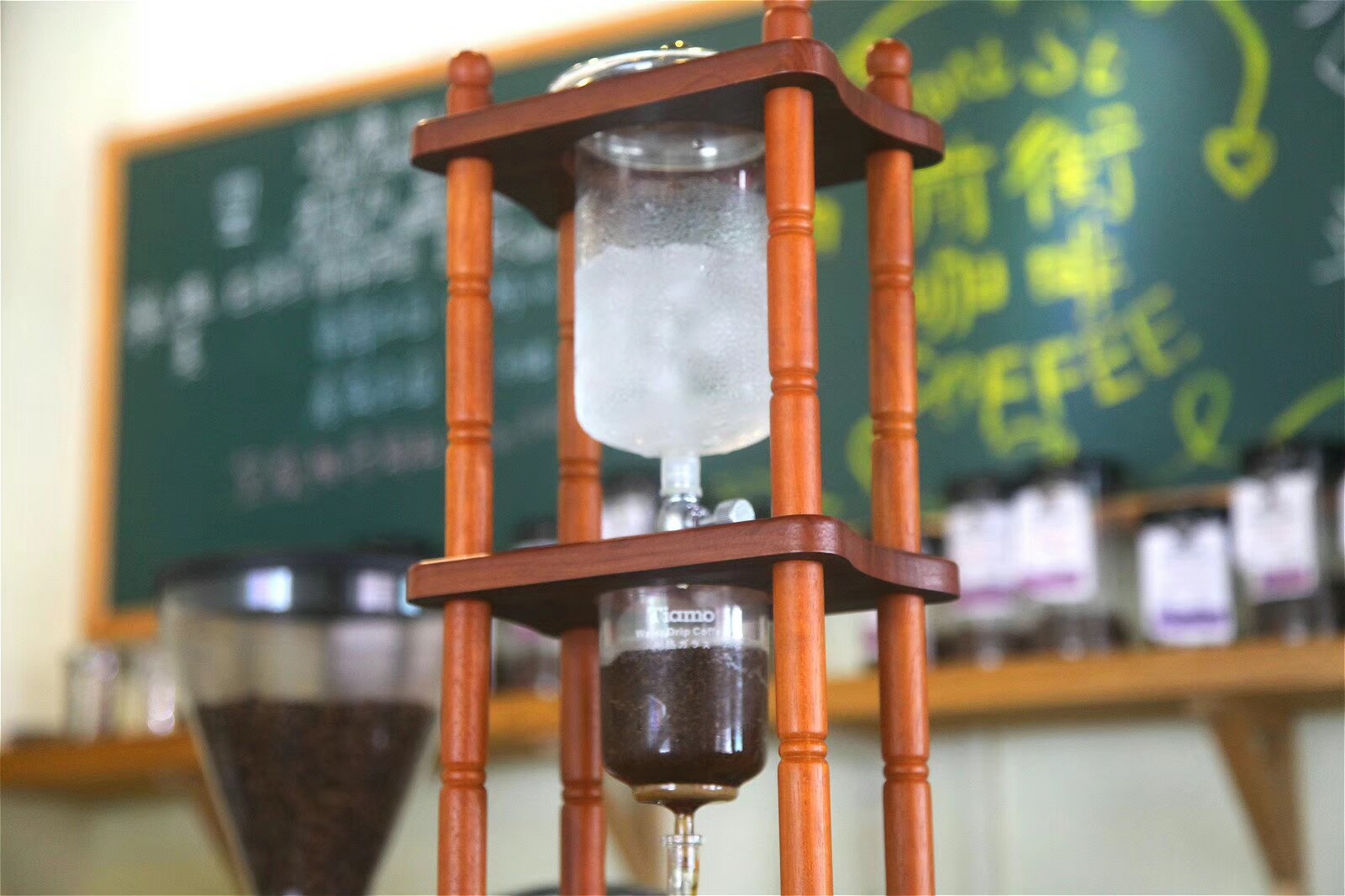
The black honey brings orange blossom aromas with distinct caramel and creamy notes. Combined with Yirgacheffe Worka, the caramel character becomes even more prominent, while a touch of lemon acidity keeps the cup refreshing - perfect for a hot summer day.
FrontStreet Coffee Recommendation
For a Yirgacheffe that captures this same purity and lift, FrontStreet Coffee recommends its washed Yirgacheffe, a daily-drinking single origin built around white jasmine, bright citrus, lemon acidity, and a clean tea-like body. FrontStreet Coffee also offers the water-washed Gedingding Cooperative lot from the Worka area, which showcases jasmine florals and a vivid citrus acidity at a medium-light roast. Brew either as pour-over with a V60 at 90-91°C, 15g of coffee, a 1:15 ratio, and a grind of EK43s setting 10.
Important Notice :
FrontStreet Coffee is a long-established specialty coffee roaster in Guangzhou China, selling freshly roasted beans from its own farm in Yunnan as well as dozens of carefully selected single-origin beans from around the world for both pour-over and espresso. The products deliver consistently excellent quality and great value, with shipping within 24 hours. Guangzhou's FrontStreet Coffee shop is recommended by many coffee lovers, and the beans are now available online at the Tmall 。
FrontStreet Coffee has moved to a new address:
FrontStreet Coffee Address: 315,Donghua East Road,GuangZhou
Tel:020 38364473
 Scan and follow the En Gafei WeChat official account. Please indicate that the reprint comes from "En Gafei".