Introduction to South American Ecuador Coffee Beans: Flavor, Profile, Estates and Growing Regions - Characteristics of Ecuador Coffee Beans
Compared with bananas, oil, and shrimp, coffee has never ranked among Ecuador's main sources of income. Yet this small South American nation tucked between Colombia and Peru actually has a rather long history of coffee cultivation, and it produces some of the most distinctive beans on the continent.
Introduction to Ecuador Coffee
Ecuador's most famous attraction, the Galapagos Islands, is home to the giant tortoises studied by Darwin and is designated by UNESCO as a "World Cultural and Natural Heritage" site. Because of this status, the use of fertilizers, herbicides, pesticides, and all other chemical products is strictly prohibited on the islands. Dense fog shrouds the archipelago year-round and outsiders are rarely allowed to visit—sailors have even nicknamed it Devil's Island.
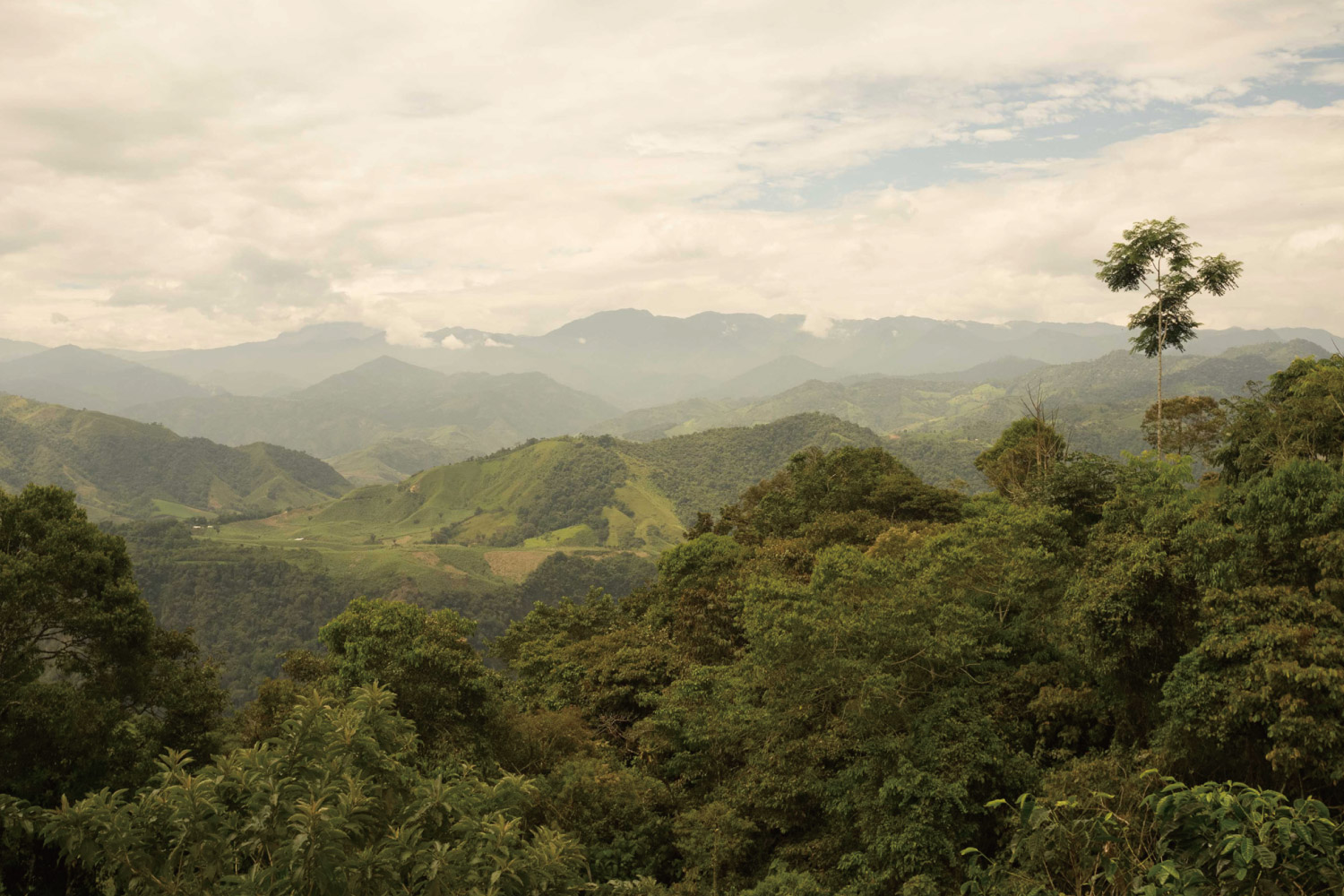
Ecuador is one of the few South American countries that grows both Arabica and Robusta coffee. However, as land suitable for Arabica cultivation keeps shrinking, Robusta production is gradually increasing. The best Arabica coffee comes from the Andes Mountains, particularly the Chanchamgo Valley. The Andes consist of two mountain ranges running south to north into central Ecuador, and the main challenge facing producers there is maintaining consistent quality. Overall, coffee from this region offers a balanced, refreshing cup with a unique aroma. Arabica coffee trees were first introduced to Ecuador in 1952, and the quality is excellent—especially the harvest picked in early June. Ecuadorian coffee beans are divided into two varieties, Galapagos and Gigante, both characterized by large, heavy beans, and the coffee is classified into two quality grades: No. 1 and Extra Superior.
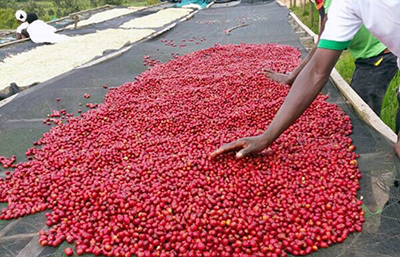
Ecuador Coffee Growing Regions
Loja Region
The Loja region lies in southern Ecuador near the Andes and, at altitudes ranging from 1,450 to 2,000 meters, is one of the highest coffee-growing regions in the world. It is also an important coffee export hub for the country. The local variety is Typica, processed by the washed method and grown primarily under natural shade. The high altitude, varied climate, and soil quality make the region ideally suited to coffee cultivation.
Galapagos Islands
Sitting directly on the equator in Ecuador's waters, the Galapagos Islands are a mysterious and enchanting archipelago. Many species found nowhere else on Earth live here, which is why UNESCO designated the islands a "World Cultural and Natural Heritage" site. The law strictly prohibits importing or using fertilizers, herbicides, pesticides, or any other chemical products.
Certified by OCIA and the Rainforest Alliance for organic shade-grown cultivation, and combined with the islands' unique climate, this produces an aromatic coffee with a rich body.
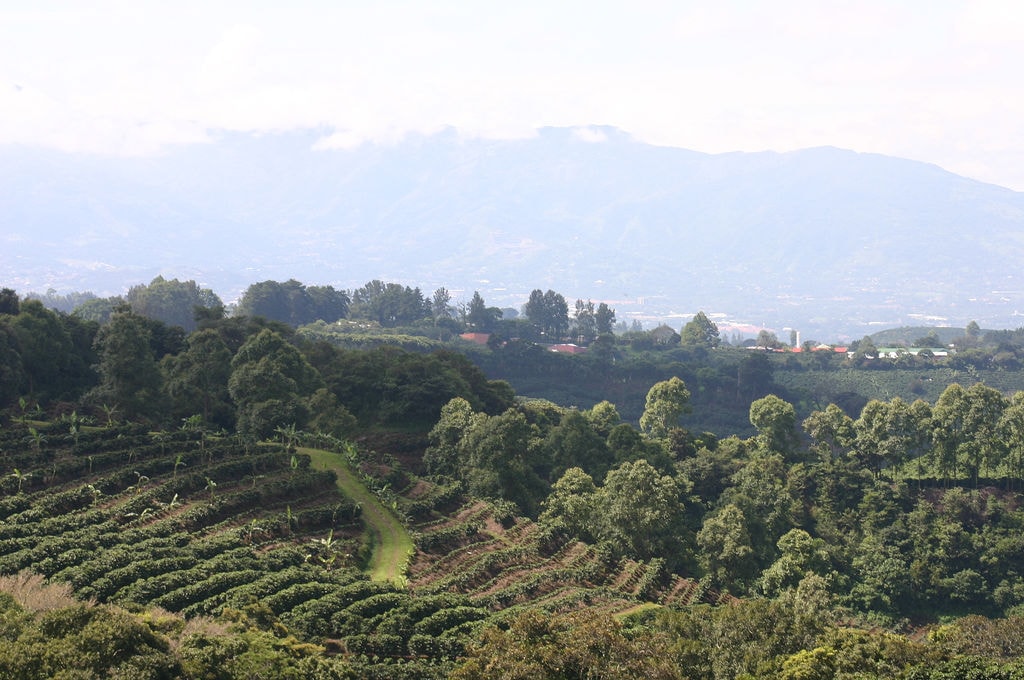
Galapagos coffee is a pearl among specialty coffees—rarely does a bean combine floral aromatics with a rich, mellow taste. With floral and fruity sweetness and a lingering aftertaste, its flavor stands comparison with the famous Jamaican Blue Mountain and Hawaiian Kona coffees.
Most of it is exported to the Nordic countries on the Scandinavian Peninsula. Ecuador is home to the highest-altitude Arabica plantation in the world, and since coffee trees first arrived in 1875, quality has stayed remarkably consistent for 100 years—especially the harvest picked in early June each year, which has been called "the best-tasting coffee in the world." The unique geography of the Galapagos gives these beans superior genes compared with coffee from other origins, and their excellent quality stems from cultivation without any chemical inputs. As land suitable for Arabica cultivation continues to shrink across Ecuador, Galapagos coffee becomes ever more precious.

FrontStreet Coffee recommends brewing Ecuadorian coffee with 90°C water to bring out its floral and fruity sweetness and pleasant aftertaste.
FrontStreet Coffee Recommendation
If this introduction to South American coffee has you eager to explore more origins, FrontStreet Coffee has gathered representative beans from ten of the world's most iconic coffee-producing countries, so you can quickly understand what terroir tastes like. For a balanced Latin American cup, try the FrontStreet Colombia Huila, a washed coffee with smooth texture, rich dark chocolate flavor, a touch of fruity acidity, and a caramel finish; for something fuller and sweeter, the FrontStreet PWN Golden Mandheling from Indonesia delivers a thick body with herbal, spice, and dark chocolate notes; and for classic elegance, the FrontStreet Jamaica Blue Mountain No. 1—washed, medium-dark roasted, and showing cream, nut, chocolate, and caramel aromas with a rich, mellow, and balanced cup—remains the benchmark that beans like Ecuador's best still measure themselves against.
Important Notice :
FrontStreet Coffee is a long-established specialty coffee roaster in Guangzhou China, selling freshly roasted beans from its own farm in Yunnan as well as dozens of carefully selected single-origin beans from around the world for both pour-over and espresso. The products deliver consistently excellent quality and great value, with shipping within 24 hours. Guangzhou's FrontStreet Coffee shop is recommended by many coffee lovers, and the beans are now available online at the Tmall 。
FrontStreet Coffee has moved to a new address:
FrontStreet Coffee Address: 315,Donghua East Road,GuangZhou
Tel:020 38364473
 Scan and follow the En Gafei WeChat official account. Please indicate that the reprint comes from "En Gafei".