Panama Geisha Coffee Story: Panama Geisha Coffee Bean Pour-Over Parameters, Flavor, and Taste Characteristics
Panamanian Geisha Coffee: A Comprehensive Guide
When it comes to Panamanian coffee, Panamanian Geisha beans cannot be overlooked. The elegant flavor of Geisha was first brought to light by Panama's Hacienda La Esmeralda. In 2004, Hacienda La Esmeralda won the Panama green bean competition with its Geisha, making the coffee famous worldwide. FrontStreet Coffee has introduced several FrontStreet Panamanian Geisha beans. Some people ask: isn't Geisha just one flavor? Why release so many similar types?
FrontStreet Coffee researches thoroughly before launching any bean. From regional information and roasting curve adjustments to cupping and brewing evaluation, FrontStreet Coffee fully understands the details of each coffee. The most important reason to launch a bean is whether its regional flavor is distinctive enough and has an outstanding point of difference. Geisha does have common characteristics - rich floral and fruit aromas, high sweetness, high acidity and complexity. But the several FrontStreet Panamanian Geisha beans FrontStreet Coffee has acquired not only carry the signature Geisha flavor but develop upon it, so each shares the common ground while having its own personality.
Geography and History of Panamanian Coffee
Panama lies at the southern tip of Central America, bordering Colombia. Sitting on the isthmus that connects North and South America, it has held strategic value since the 16th century (the Columbus era). In the early 19th century Panama leaned politically southward and once formed part of Gran Colombia along with Colombia, Ecuador and Venezuela. Since 1903, however, Panama has been separate, with American help; from the moment the canal was dug, Panama's destiny became intertwined with the United States. The Panama Canal, cutting through Central America to connect the Pacific Ocean, the Caribbean Sea and the Atlantic, not only opened up shipping trade but also brought extensive agricultural knowledge from the United States and Europe. Many North American retirees settle in Panama for its mild climate and lower cost of living, which has also contributed to the growth of Panama's coffee industry.
Panamanian coffee has a smooth mouthfeel and balanced acidity, with high-quality beans offering pure, distinctive flavors. The first batch of exported coffee ships in November each year.
In 1780, Europeans first brought the first Typica trees to Panama. At the end of the 20th century, construction of the Panama Canal drew many elites south, promoting the development of the coffee industry. Early Panamanian coffee, however, was not well known and production was limited. With the growth of the third wave of specialty coffee, the idea of specialty Panamanian coffee matured - especially after the rise of Geisha in 2004, which has long occupied the top of coffee rankings.
Panamanian Coffee Regions
Panama's terrain is varied, with crisscrossing valleys. Except for the coastal plains in the north and south, most areas are mountainous. Close to the equator, it has a tropical marine climate with humid days and cool nights, and an average annual temperature of 23-27°C. The year divides into dry and rainy seasons, with average annual precipitation of 1500-2500mm.
High-quality Panamanian coffee is mainly grown in the northwest, near Costa Rica and close to the Pacific Ocean. Coffee from the Boquete coffee region of Chiriqui province is particularly famous.
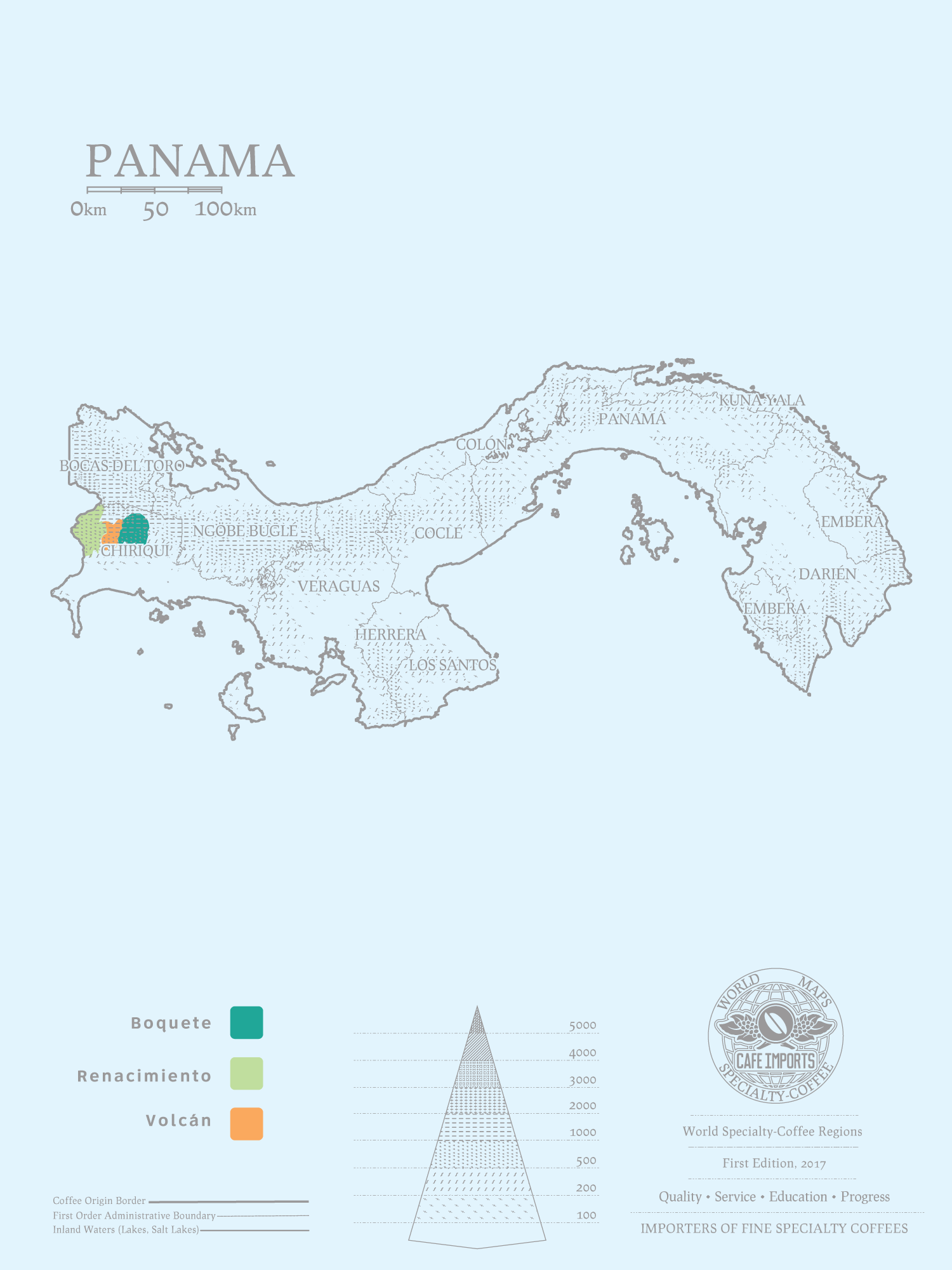
Boquete Coffee Region
Boquete grows coffee as high as 1,400-1,900m, near the border between Panama and Costa Rica and close to the famous Baru Volcano. With beautiful scenery, fertile soil and a climate and soil ideal for producing high-quality coffee, it is one of the country's leading regions.
Within Boquete there are many excellent estates. Besides Hacienda La Esmeralda, there are Elida Estate, Kotowa Duncan Estate and others producing high-quality specialty coffee. That is due not only to the mild climate of Panama's Boquete region and the fertile volcanic ash soil of Baru Volcano, but also to another important factor: the varied microclimates found in the Boquete highlands.
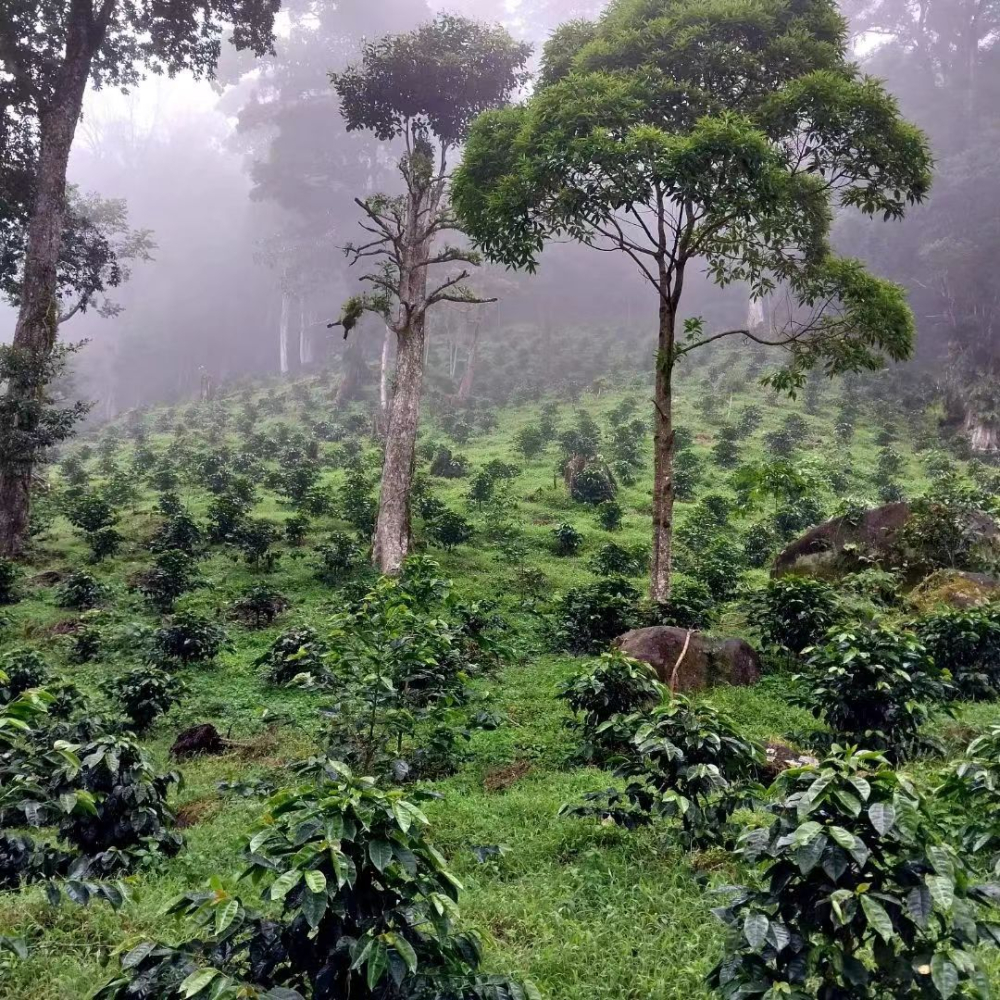
Volcan Coffee Region
When it comes to Panamanian coffee, most people are familiar with the specialty regions around Boquete, but in recent years coffee from the Volcan region has gradually emerged on the specialty market. Many estates have even entered the Best of Panama competition and won championships. Volcan generally has less average annual rainfall than Boquete, and its position on the west side of Baru Volcano gives its coffee a stronger dried-fruit flavor, sweetness and aroma compared with Boquete.
The main cultivation altitude in the Volcan coffee region is 2,000-3,000m. In the early days, most of the area was planted with fruit, vegetables and other cash crops, with only a few farmers growing coffee. Among the pioneers of coffee cultivation in Volcan was the Hartmann family, quite well known in Panama.
RENACIMIENTO Coffee Region
The Renacimiento region lies within Chiriqui province, with a main cultivation altitude of 1,100-1,500m. It borders Costa Rica. The region itself is relatively small, so it is not a major specialty coffee-producing area for Panamanian beans.

Specialty coffee emphasizes traceability: being able to trace which plot of which estate the beans come from, or which cooperative or farmer, in pursuit of a region's flavor. Only by visiting origins and stepping onto coffee estates can one understand where that subtle background, charming flavor and variable aroma come from: microclimate? variety? processing method? Or the coffee farmer's own techniques?
Hacienda La Esmeralda Estate
Hacienda La Esmeralda sits in a corner of Baru Volcano, so the Panamanian beans produced in this area were often named after Baru Mountain before the estate became famous. The area around Boquete is beautiful, with many leisure hotels, vacation estates and even buildings along the important Rio Caldera river.
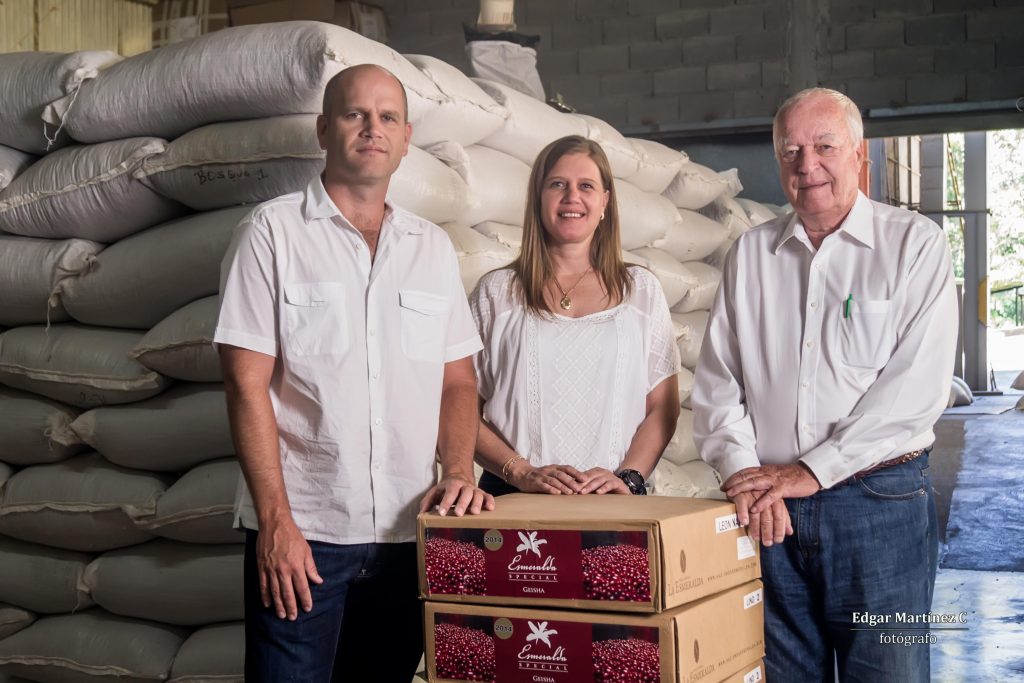
In 1964, American banker Rudolph A. Peterson retired, moved to Panama and bought Hacienda La Esmeralda in Boquete, initially focusing on dairy farming.
In 1973, his son Price Peterson earned a Ph.D. in neurochemistry in the United States but returned to Boquete to help his father run the farm. In 1987 he introduced Caturra and Catuai coffee varieties, and in 1994 established a washing processing plant, giving the estate its own processing facility. In 1996 they acquired the nearby Jaramillo Estate, which had a superior geographical setting and good-flavored original coffee varieties, and incorporated it into Hacienda La Esmeralda.
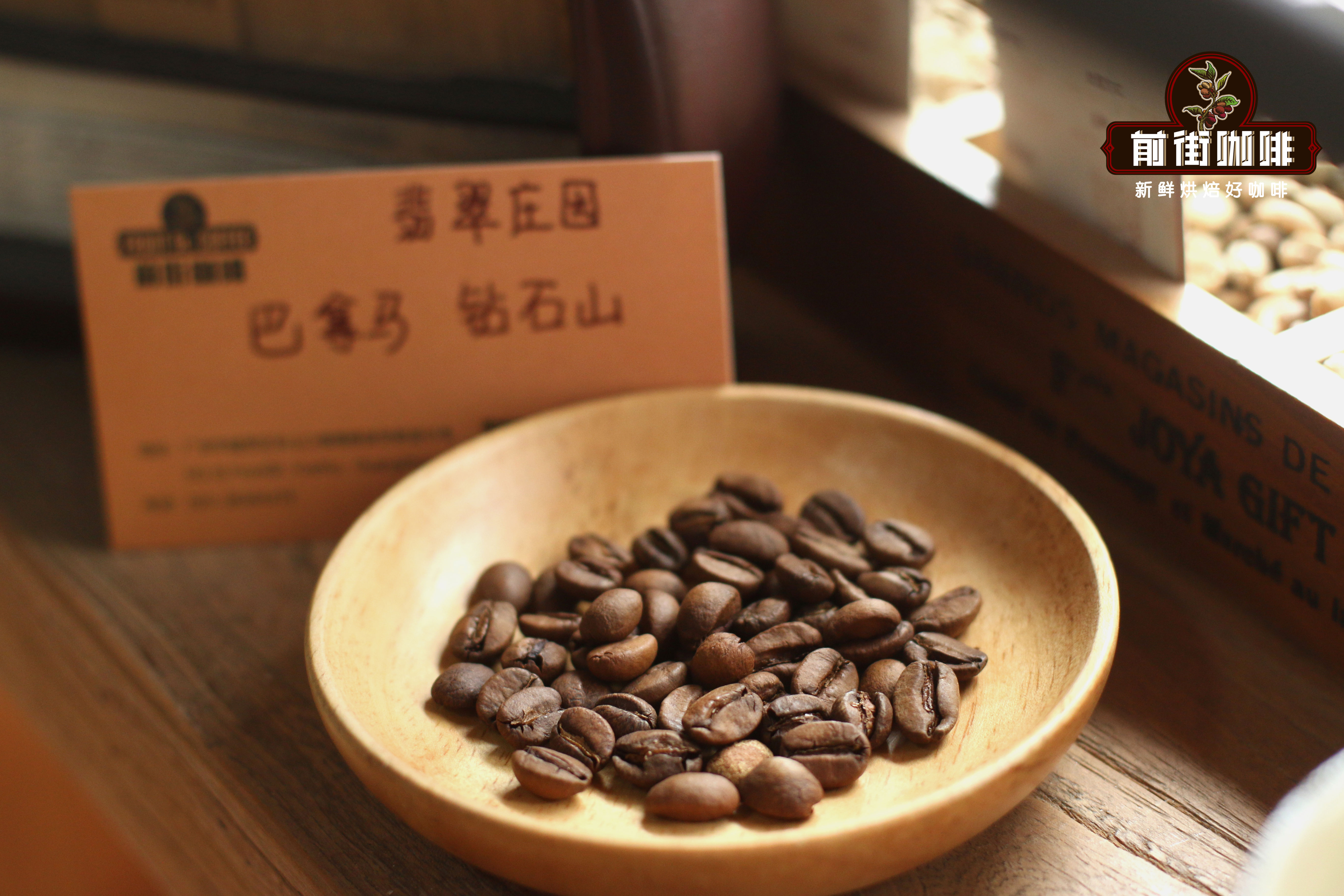
After Price took over, he divided the estate's plantings into five major brands based on altitude, microclimate, cupping performance and cultivated variety. For Geisha there are three: Esmeralda Special, Private Collection and Geisha1500. For Catuai there are two: Diamond Mountain and Palmyra.
Plot Division of Hacienda La Esmeralda
Hacienda La Esmeralda's Geisha is divided extremely finely by plot, with three main plots: Jaramillo, Canas Verdes and El Velo. Each is further subdivided into smaller plots. High-quality Geisha comes mainly from Jaramillo and Canas Verdes.

Jaramillo has annual rainfall of 4000ml, with average daytime temperatures of 19-25°C and nighttime temperatures of 11-15°C, at an average altitude of 1600-1700m. Jaramillo is subdivided into 5 small plots: Mario, Noria, Reina, Bosque and Buenos Aires.

Canas Verdes has annual rainfall of 3500ml, with average daytime temperatures of 16-23°C and nighttime temperatures of 10-15°C, at an average altitude of 1600-1800m. Canas Verdes includes 9 small plots: Lino, Coronado, Fundador, Leon, Montana, Trapiche, Chinta, Cabana and Tumaco.

El Velo is the most recent plot acquired by Hacienda La Esmeralda, with an average altitude of 1700-1900 meters, annual rainfall of 4000ml, average daytime temperatures of 16-25°C and nighttime temperatures of 11-16°C. Besides Geisha and Catuai, this plot also has a small number of other exotic varieties such as Laurina, Pacamara, Moka and SL28.
The whole estate covers 50.25 hectares of coffee cultivation, of which 37.9 hectares are planted with Geisha, divided into 7 detailed plots: Guabo, Porton, Durazno, Mural, Higo, Buena Vista and Aguila.
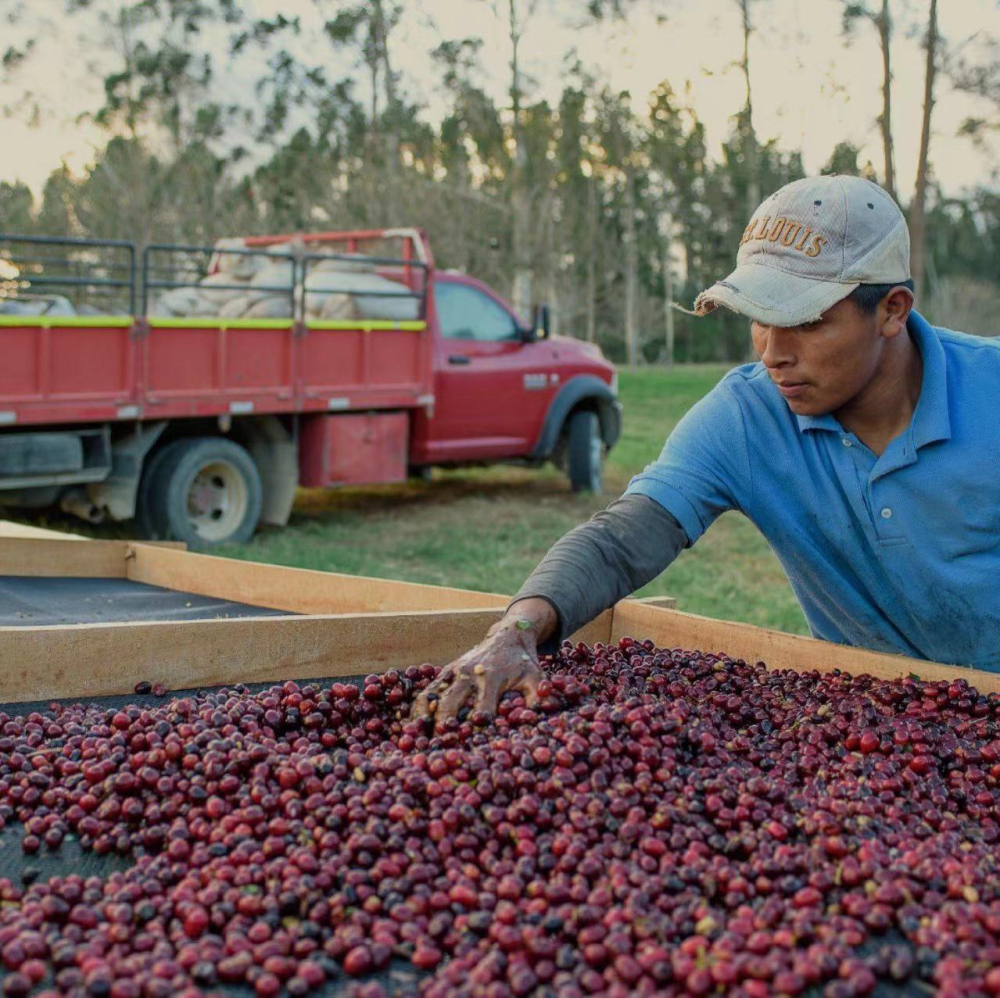
Esmeralda Special
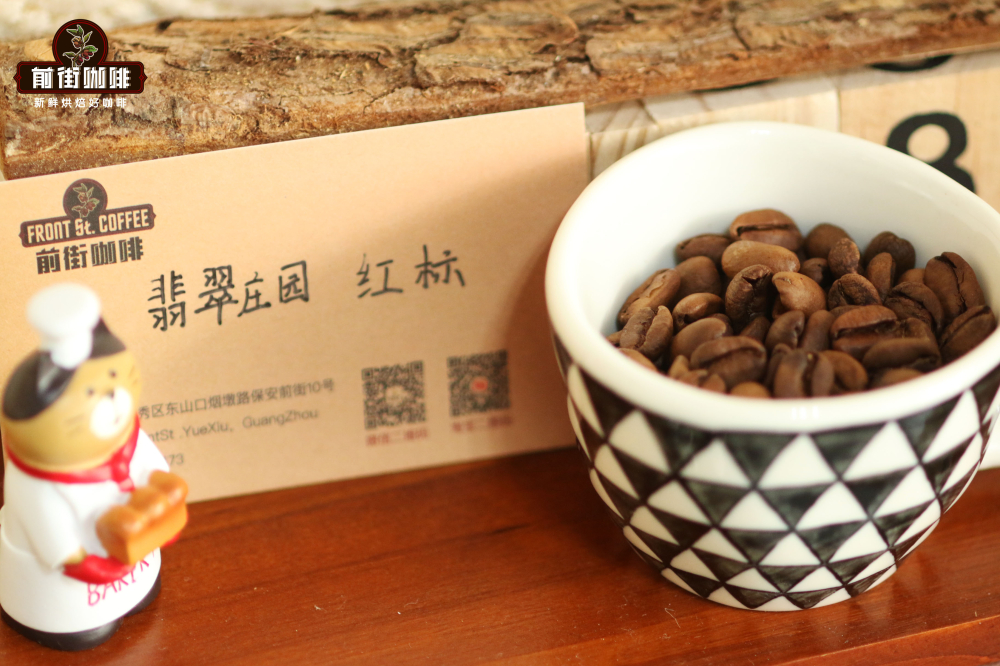
Geisha beans from Esmeralda Special are what we commonly call the Red Label. They are selected from Geisha grown at altitudes of 1600-1800 meters with cupping scores above 90 points, from the Jaramillo and Canas Verdes areas.
The independent auction organized by Hacienda La Esmeralda features only the Geisha batches from designated plots that are put up for auction - the auction Red Labels. There are also non-auction Red Labels on the market now: these are Geisha beans selected from the same plots that were not auctioned, then circulated in the market. The variety quality is consistent, but pricing differs.
In 2022, however, Hacienda La Esmeralda separated the auction batches from the Red Label and created a separate auction batch category, so the current Red Label does not include auction lots. Pricing varies slightly according to the characteristics of each plot. FrontStreet Coffee buys the FrontStreet slow-natural Red Label Geisha batch from the Mario plot every year, because Mario is exactly where Hacienda La Esmeralda won the BOP championship in 2004. FrontStreet Coffee therefore believes the Geisha from this plot is exceptional.
This grade of Geisha uses natural or washed processing, with flavors of special, bright floral aromas and citrus notes.

FrontStreet Coffee - Panamanian Hacienda La Esmeralda Red Label Geisha Coffee Beans
Region: Boquete
Estate: Hacienda La Esmeralda
Altitude: 1700m
Variety: Geisha
Processing: Natural Processing Method
Flavor: Citrus, complex fruits, rose tea, honey
Private Collection
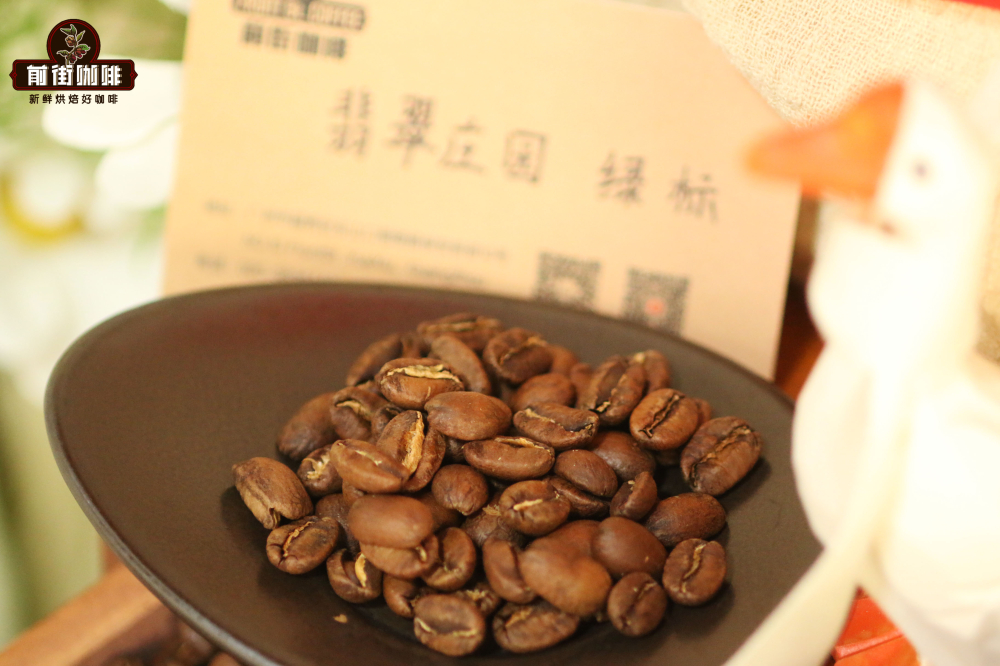
Private Collection, commonly known as the Green Label, is not an independent competition batch. It consists of Geisha varieties grown at 1600-1800 meters that do not participate in auctions but still have excellent quality. It is a mix of micro-batches from different plots such as Jaramillo and Canas Verdes.
Because it uses a blended model without detailed plot specifications, the flavor of Green Label Geisha can sometimes come very close to Red Label Geisha, while the next batch may differ.
Although Green Label Geisha is not as high-grade as Red Label, it still possesses the classic Geisha flavors - florals, fruit aromas, citrus acidity and a thick, juicy mouthfeel. Green Label also comes in both washed and natural processing.
FrontStreet Coffee - Panamanian Hacienda La Esmeralda Green Label Geisha Coffee Beans
Region: Boquete
Estate: Hacienda La Esmeralda
Altitude: 1600-1800 meters
Variety: Geisha
Processing: Washed Processing
Flavor: Jasmine, citrus, honeydew melon, berries
Geisha1500
The Geisha1500 brand is what we commonly call the Blue Label Geisha. It is selected from blended beans grown at 1400-1500 meters across three different plots: Jaramillo, Canas Verdes and El Velo. It has subtle floral aromas, fruit acidity and sweetness, with a relatively less full body. Blue Label Geisha comes only in washed processing. In 2021, however, Hacienda La Esmeralda adjusted its brand positioning and officially discontinued the Blue Label series.

FrontStreet Coffee - Panamanian Hacienda La Esmeralda Blue Label Geisha Coffee Beans
Region: Boquete
Estate: Hacienda La Esmeralda
Altitude: 1500 meters
Variety: Geisha
Processing: Washed Processing
Flavor: Lemon, oolong tea, cane sugar, peach
FrontStreet Coffee - Panamanian Flower Butterfly
Besides the several Geisha varieties from Hacienda La Esmeralda, FrontStreet Coffee also offers a Panamanian coffee with excellent value and a beautiful name: FrontStreet Panamanian Flower Butterfly. It has 70% high-quality Geisha heritage and is composed of three varieties - Geisha, Caturra and Catuai - grown in the Baru Volcano area of Boquete at an altitude of 1600 meters in the volcanic zone. The processing plant uses fine washed processing. Panama's special microclimate brings abundant rainfall to the region and a large day-night temperature difference. Combined with the unique volcanic rock soil and meticulous harvesting and processing, this FrontStreet Panamanian Flower Butterfly performs excellently in body, acidity and floral aroma.

FrontStreet Coffee - Panamanian Flower Butterfly
Region: Boquete
Altitude: 1600 meters
Variety: Geisha, Caturra, Catuai
Processing: Washed Processing
Flavor: Floral, citrus, black tea, classic Geisha
Elida Estate
Elida is a famous Panamanian estate with a century of history and superior coffee quality, located in Boquete, a well-known specialty coffee region. Last year, a Geisha from Elida won the championship in the Geisha processing category of the BOP competition. FrontStreet Coffee selected Elida Geisha from the same plot and altitude for tasting. Compared with Hacienda La Esmeralda's Geisha, FrontStreet Elida Geisha showed more complex layering, a result of the different processing methods.
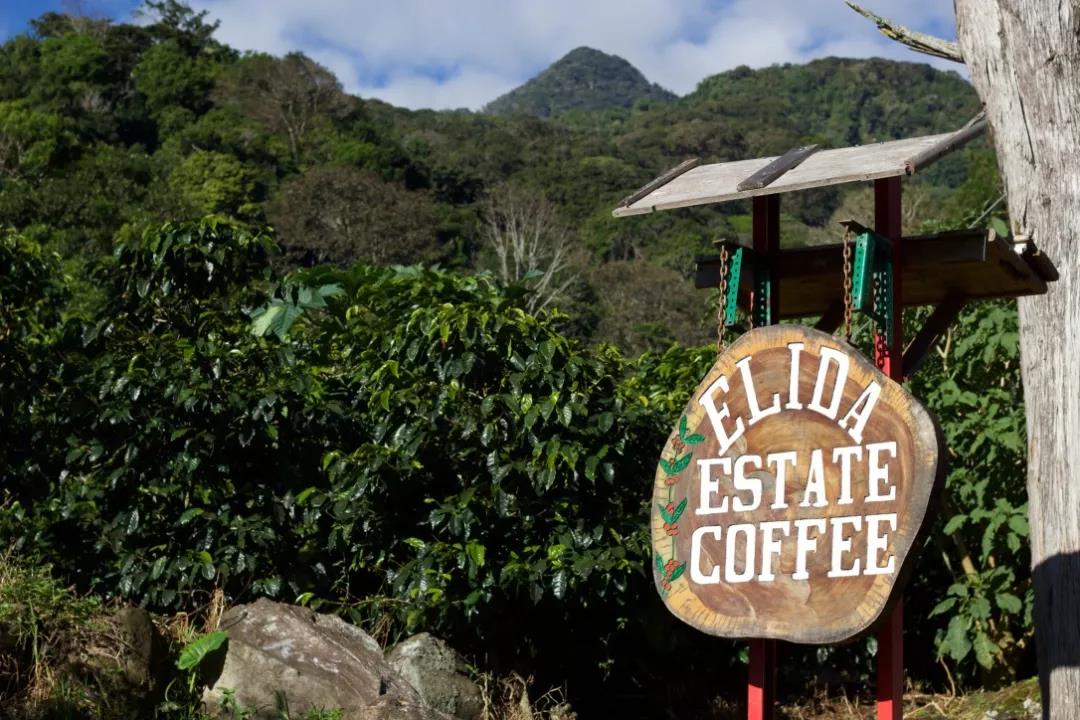
Elida Estate covers a total of 65 hectares, more than half of which lies within Baru Volcano National Park. Only 30 hectares are used for growing coffee trees, with the rest still primary forest. Coffee is grown at altitudes from 1670 to 1850 meters, making it one of the two highest-altitude coffee estates in Panama (the other is Carmen Estate in the Volcan Valley).
In such high-altitude conditions, low temperatures delay the cherries' maturation by about a month compared with normal periods. The fertile volcanic soil supplies ample nutrients, and combined with the excellent microclimate brought by Baru Volcano, Elida Estate has repeatedly achieved excellent results in cupping competitions.
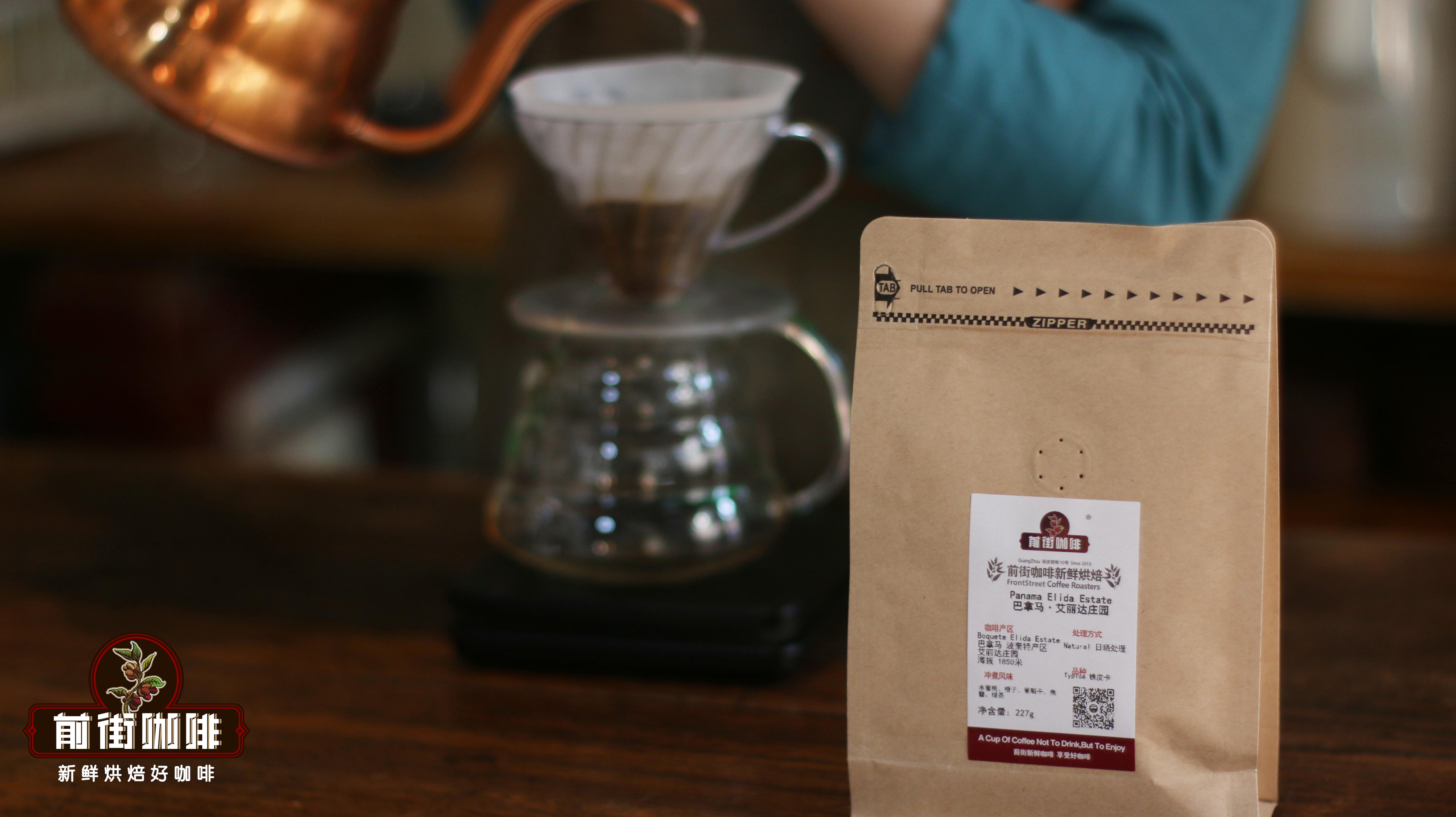
FrontStreet Coffee - Panamanian Elida Estate Geisha Coffee Beans
Region: Boquete
Estate: Elida Estate
Altitude: 1900 meters
Variety: Geisha
Processing: Anaerobic fermentation low-temperature slow natural
Flavor: Fermented aroma, roses, berries, citrus, green tea, cream, nuts
Hartmann Estate
Hartmann Estate is located in the Volcan region and was founded in 1940. What makes it most special is its respect for the natural environment: it preserves most of the primary forest and is an academic cooperation partner with the Smithsonian Tropical Research Institute and other wildlife conservation organizations. Even the estate's trademark uses the words "Bird Friendly." This family business has a state-level cupping laboratory and sample roasting room, using a rigorous attitude and strict standards to cup every batch of cherries, ensuring the stable quality of Hartmann Estate coffee while always seeking improvement.

FrontStreet Coffee - Panamanian Hartmann Estate Geisha Coffee Beans
Region: Volcan
Estate: Hartmann Estate
Altitude: 1300-2000 meters
Variety: Geisha
Processing: Anaerobic Natural
Flavor: Bergamot, pineapple juice, passion fruit, Earl Grey tea, blueberries, apricots
FrontStreet Coffee Recommendation
Geisha's fame began with Hacienda La Esmeralda, and the estate's labels remain the clearest way into its flavors. The Red Label, sold as "Esmeralda Special," is grown at 1600-1800 meters, cups above 90 points and comes from a single plot, each batch with its own number; the Jaramillo plot, for instance, is where the estate's 2004 Best of Panama win was rooted. The Green Label, sold as "Private Collection," blends several high-altitude plots and carries the estate's signature high-altitude Geisha character at a more accessible price, which makes it especially good value.
For a first taste of the "Geisha flavor" people talk about, FrontStreet Coffee usually points drinkers to the entry-level FrontStreet Boquete Geisha. At a friendly price it delivers the classic Panamanian profile - orange-blossom honey sweetness, an oolong-tea feel, fine fruit acidity and clear layering.
From Ethiopia, FrontStreet Coffee's Gesha Village range offers two estate-level options. The Gold Label is a Gesha1931 lot that makes up about 10% of the estate's production and is the estate's top coffee outside its auctions, often selected by competition baristas; the Red Label is a Gori Gesha lot accounting for about 15% of production, cupping at 88 points or above, and is a fully traceable single-terroir series. The Genlana Estate Geisha, meanwhile, is roasted medium-light and shows bright citrus acidity, an elegant ginger-flower aroma and ripe-fruit sweetness with a refined finish.
For pour-over, FrontStreet Coffee suggests a medium-coarse grind of about 78% through a Chinese standard #20 sieve, roughly fine-sugar texture, and water at 91°C. Use 15g in a small Hario V60 at a 1:16 ratio and pour in three stages: bloom with 30g of water for 30 seconds, circle slowly up to 125g, then finish at 225g for a total extraction of about 2:10 to 2:20. If you prefer Geisha as espresso, the FrontStreet Genlana Estate Geisha SOE, roasted medium, pulls into apricot, caramel and nuts at a 20g dose, a 1:2 ratio, a 25-second shot and about 40g of liquid.
Important Notice :
FrontStreet Coffee is a long-established specialty coffee roaster in Guangzhou China, selling freshly roasted beans from its own farm in Yunnan as well as dozens of carefully selected single-origin beans from around the world for both pour-over and espresso. The products deliver consistently excellent quality and great value, with shipping within 24 hours. Guangzhou's FrontStreet Coffee shop is recommended by many coffee lovers, and the beans are now available online at the Tmall 。
FrontStreet Coffee has moved to a new address:
FrontStreet Coffee Address: 315,Donghua East Road,GuangZhou
Tel:020 38364473
 Scan and follow the En Gafei WeChat official account. Please indicate that the reprint comes from "En Gafei".