Mandheling Coffee Introduction: Characteristics, Origin, and Historical Story
Mandheling Coffee Introduction: Characteristics, Origin, and Historical Story
FrontStreet Coffee's Mandheling is a coffee whose very name suggests weight and depth, beloved by countless fans of bold, bitter brews. Whenever we brew a pot of its finest representative — our Golden Mandheling — the whole shop fills with a roasty aroma like dark chocolate melting into cream. The first sip captivates with its unmistakable herbal spice notes, and a lingering caramel sweetness keeps you coming back for more.
What is Mandheling Coffee?
Mandheling comes from the mysterious island of Sumatra, in Indonesia, Asia's largest coffee-producing country. Unlike most coffees, its name is bound up with a long-standing story — one that stems, improbably, from a miscommunication with a local ethnic group.
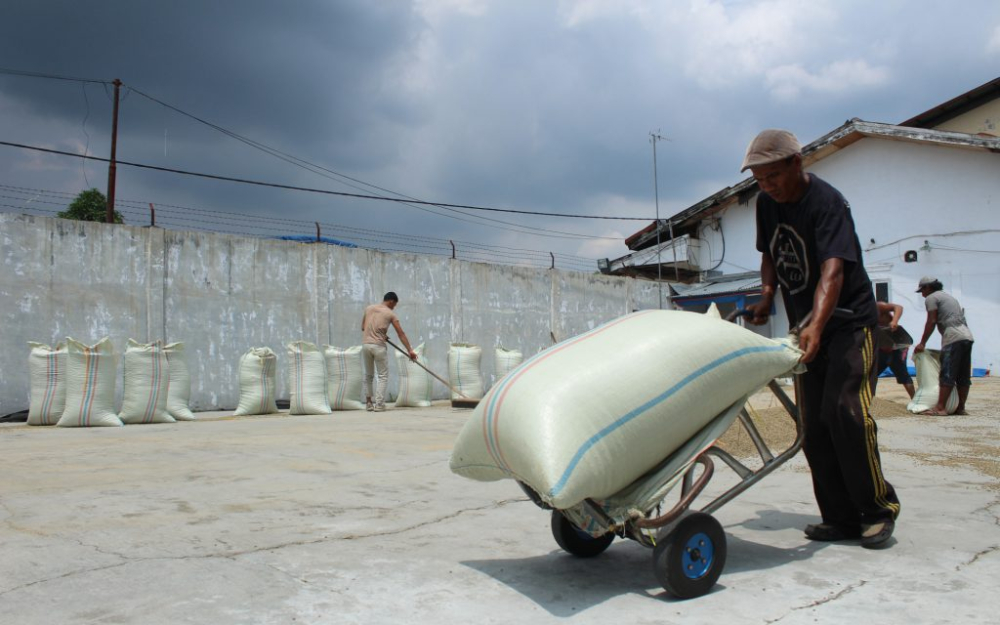
The story goes that during World War II, a Japanese soldier drinking coffee at a small shop in central Indonesia asked the owner what the coffee was called. The owner, assuming he was being asked where he was from, answered "Mandailing" — the name of his people. After the war, back in Japan, the soldier recalled that uniquely flavored coffee as "Mandheling." Then in 1968, Japan's Nomura Trading Company of Osaka visited Indonesia's N.V. Pawani Medan company and imported 15,000 kilograms of Sumatran Mandheling, which took the Japanese market by storm. From that point on, both the coffee and the Pawani company became famous.
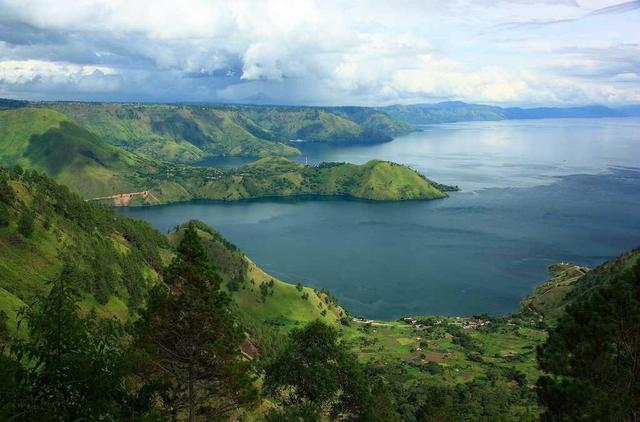
Sumatra is divided into eight provinces, but only the two northernmost — Aceh and North Sumatra — grow coffee on a large scale. Lake Toba, the world's largest and deepest volcanic lake, lends its mineral-rich soil to Lintong Mandheling. Most coffee trees grow on high-altitude slopes covered with ferns that shield them from the sun, so growers don't need to plant shade trees.
What's the Story Behind Golden Mandheling?
The local green-coffee supplier PWN Company specializes in acquiring top-quality lots of Mandheling and produces only specialty-grade coffee, with "Golden Mandheling" as its flagship. As the Japanese developed a lasting appetite for Sumatran coffee and bought it year after year, they noticed that quality was often inconsistent — so they took a firmer hand in production, setting strict screening standards covering bean density, size, shape, and color. The resulting Mandheling was both machine- and hand-sorted to guarantee large, uniform, translucent beans while stripping out earthy and grassy off-flavors. Legend has it that the beans gleamed golden under the sun, hence the name.
As the specialty Mandheling market grew, PWN understood the value of a trademark and registered "Golden Mandheling" as its exclusive English trademark ahead of the Japanese buyers. That means only Mandheling produced by PWN can truly be called Golden Mandheling; Japanese companies had to relabel theirs "Top Mandheling." The Golden Mandheling FrontStreet Coffee carries is, of course, genuine PWN product — you can identify it by the PWN-branded green-bean sacks and a certificate of origin signed by PWN, both of which we display at our Dongshankou store.
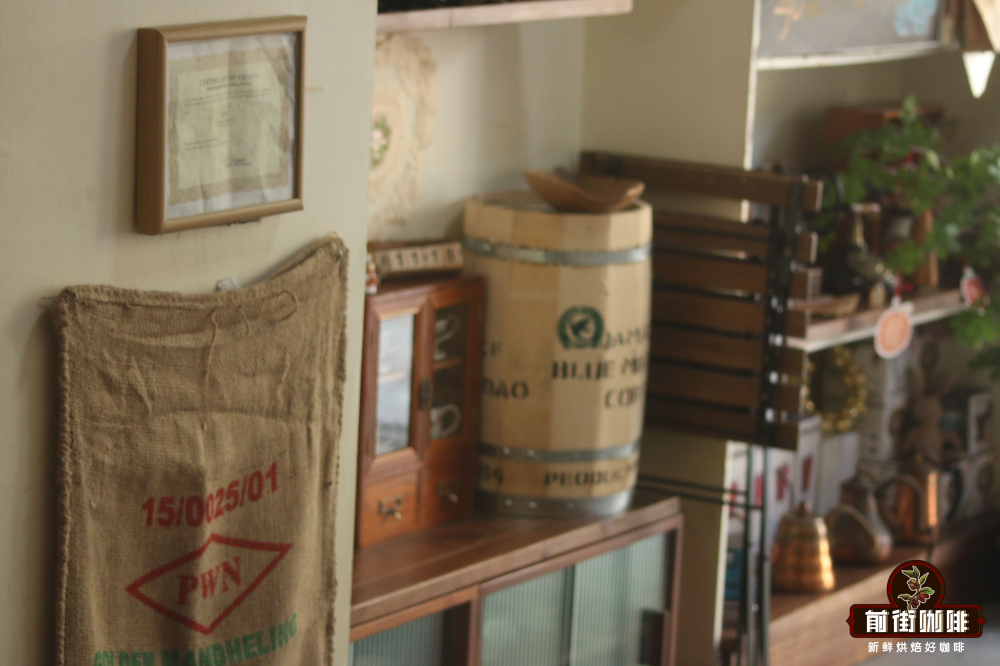
Look closely at those sacks and you'll see the words "Triple pick" and "GRADE 1" — Indonesia's highest green-bean grade. In production, PWN puts the GRADE 1 beans through three rounds of manual selection on top of machine sorting.
Indonesian green coffee is graded primarily by defect count, with size as a secondary criterion. Baseline quality requirements: no live insects, no moldy or rotten beans, moisture content no higher than 12.5%, and an impurity rate below 0.5%. Beans are sorted into six grades by defect rate, and the top grade, G1, requires fewer than 11 defective beans in a 300 g sample. FrontStreet Coffee's Lintong Mandheling daily bean is a G1 lot from Sumatra's Lintong region, wet-hulled and classic through and through: dark chocolate, nuts, herbal spices, and caramel.
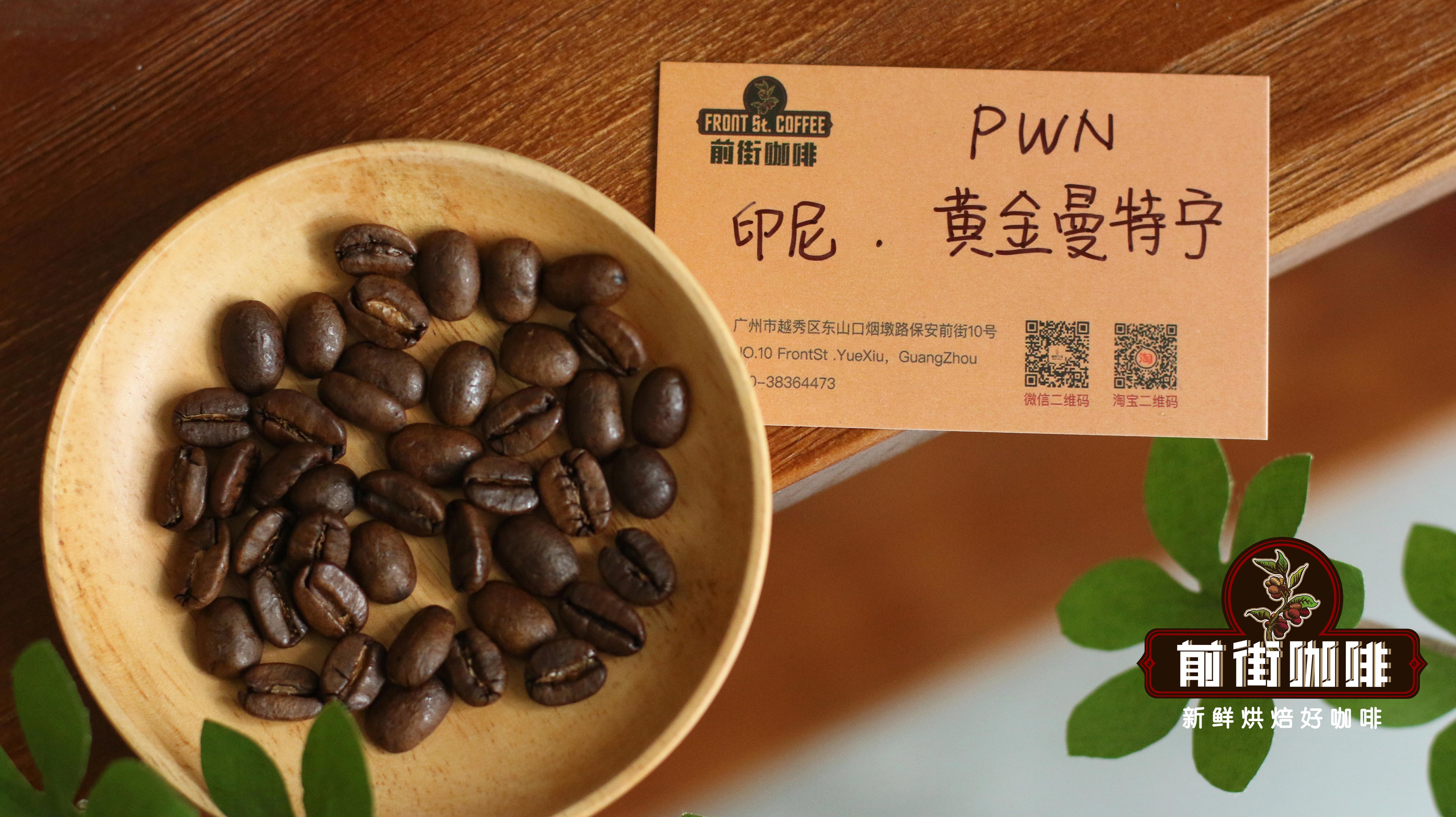
PWN takes screening to another level altogether. On top of the G1 baseline, its Golden Mandheling must be 18-mesh or larger, with fewer than 3 defective beans per 300 g sample, and it receives one machine selection plus three manual passes. That's what minimizes the defect rate, removes the earthy off-notes, and lifts the sweetness and cleanliness of the cup. Before packing, the green beans also run through density and color sorting machines, ensuring the final product is large, uniform, and translucent.
Why Mandheling's Flavor is Unique
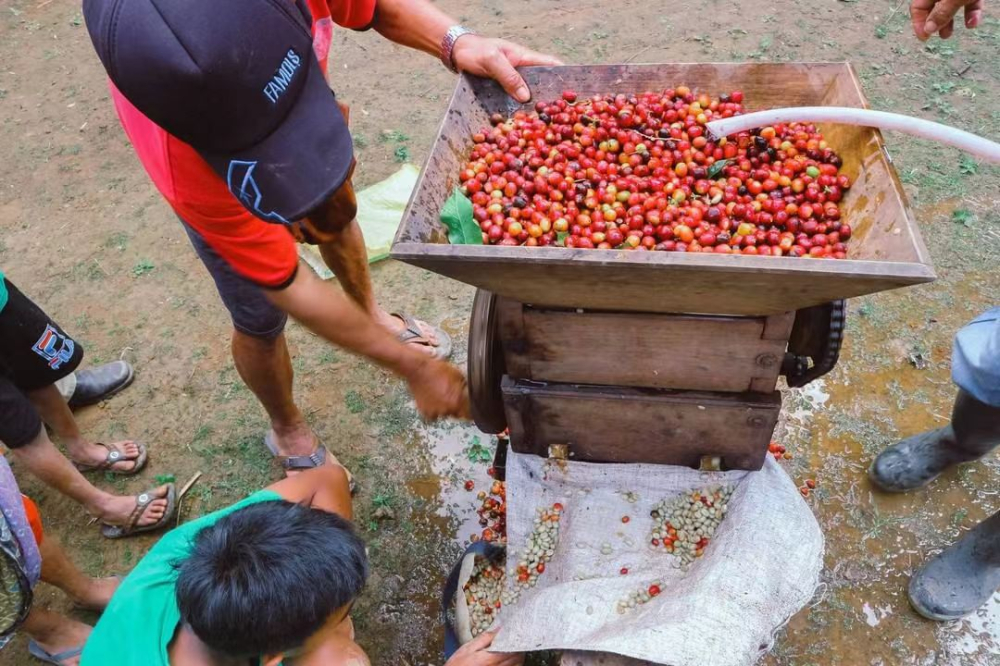
Sumatra sits near the equator under an island tropical rainforest climate, with air humidity between 70% and 90%. In that heat and moisture, coffee beans mold easily during fermentation or drying. So local farmers developed a processing method suited to their conditions: wet-hulling. In wet-hulling, the parchment is forcibly stripped off before the beans have fully dried, letting the "naked" green beans finish drying in the open air.
Wet-hulling diverges from conventional washed processing at the fermentation stage: it uses less water and less time. After the brief fermentation, a little pulp still clings to the bean's shell. When the beans reach 35–40% moisture during their first drying, farmers sell them to collectors, who hull the semi-dry parchment coffee on the spot — pulp and shell off, green beans out. Although every stage is dramatically shortened, the exposed beans soak up moisture from the humid air, which gives Mandheling its additional woody, herbal, and spicy mellowness.
FrontStreet Coffee's Lintong Mandheling is wet-hulled and carries those traditional flavor signatures. We believe this "mellow aroma" is unique to Indonesian Mandheling, which is why it earned a spot in our daily bean series. The series was created so newcomers to specialty coffee could taste each region's foundational flavors at an affordable price, then explore more refined processing styles as their palate develops. The daily beans also come in small 100-gram packages to cut down on waste from unfinished bags. Affordable pricing plus each region's classic flavors is what makes them genuinely "daily" beans.
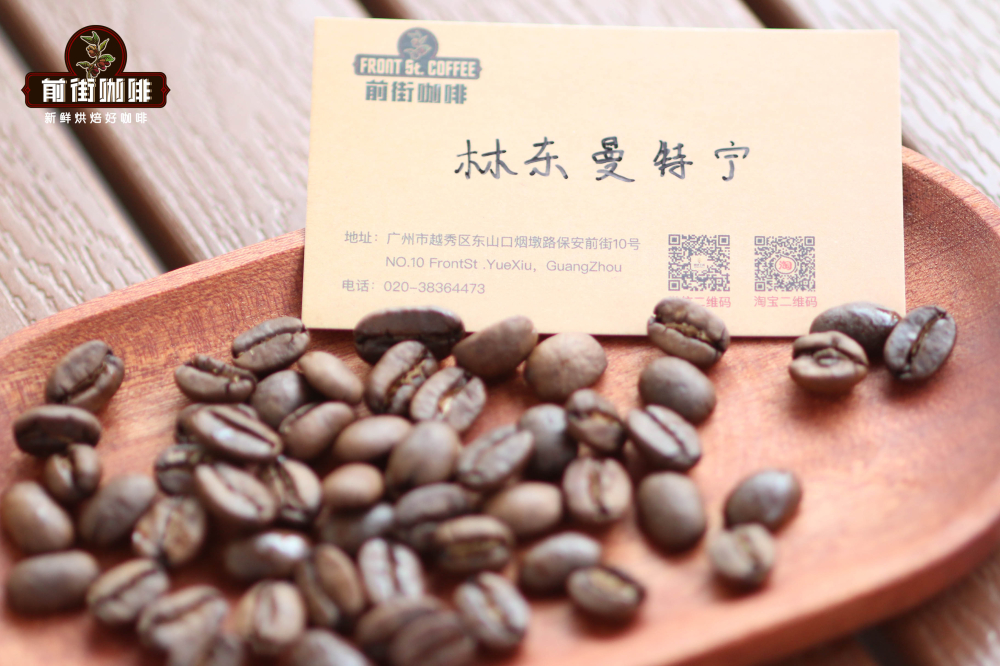
Indonesian Coffee Grades
To recap how the grading works: Indonesian green beans are classified first by defect count, then by size. At origin, sorting machines screen out impurities and defective beans, but Mandheling's beans are large and hard, and defects introduced during cultivation, harvest, and processing can't always be caught by machine alone. Reaching the top grades therefore demands rigorous manual selection. The six defect-based grades top out at G1 — fewer than 11 defects per 300 g sample — and FrontStreet Coffee's Lintong Mandheling is a hand-selected G1.
When we talk about meticulous selection, the premium example that comes to mind is PWN's Golden Mandheling. This renowned green-coffee purchaser, the exclusive supplier behind FrontStreet Coffee's Golden Mandheling, buys only high-quality Mandheling and runs every lot through one machine selection plus three manual passes, ensuring each bean is whole, uniform, and plump, at 18 mesh or above — Indonesia's local G1 standard. In side-by-side cupping, we've found that this rigorous selection eliminates the earthy, woody notes typical of ordinary Mandheling, leaving the cup noticeably cleaner and brighter.
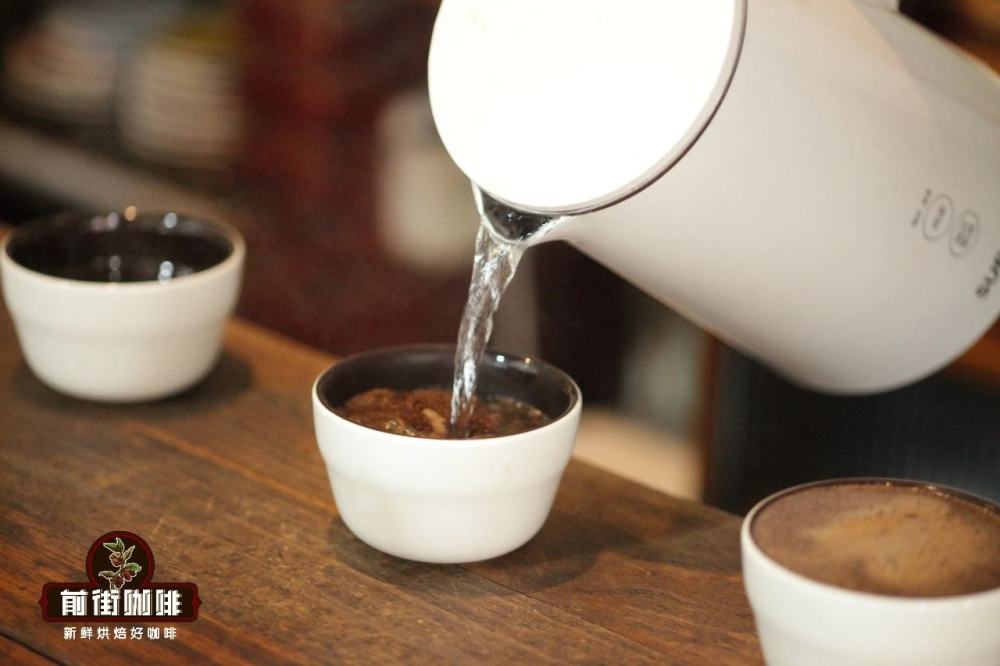
How to Showcase Mandheling's Unique Flavor
As noted above, Sumatra's environment and soil give the coffee rich herbal notes alongside cocoa and fruit sweetness. Classic Mandheling is prized for its deep dark chocolate character, so FrontStreet Coffee roasts medium-dark to deliver a mellow, full-bodied texture while preserving the aromatic herbal qualities.
Coffee hits its optimal flavor window 4–7 days after roasting; past that point (roughly a month and a half out), the aromatics can fade and woody flavors may creep in. That's why FrontStreet Coffee ships only beans roasted within the previous 5 days, so every bag arrives at its best.
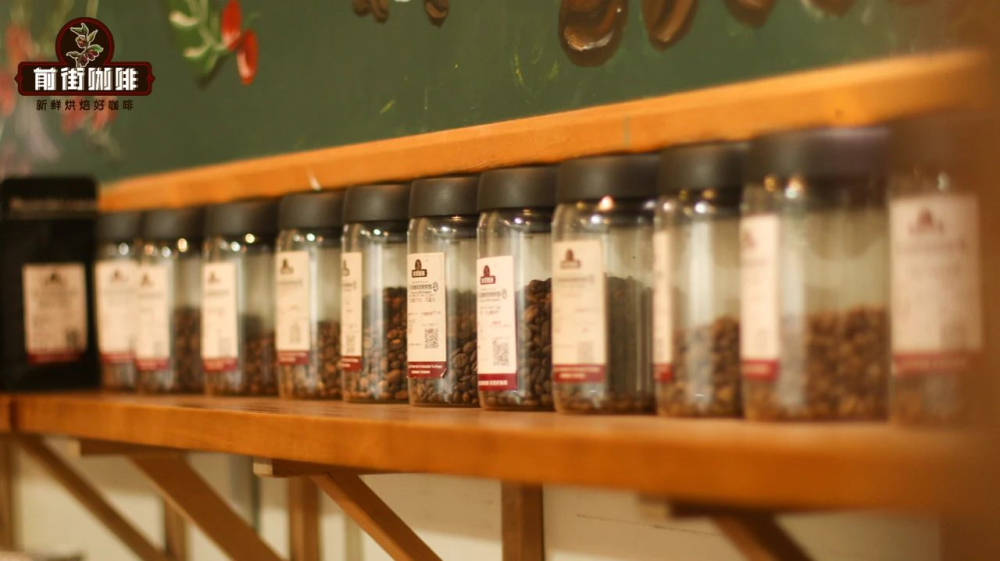
Once you have a fresh bag of quality Mandheling, the only question left is how to brew it. There are countless ways to brew coffee and no single right answer — as long as the cup expresses the coffee's inherent character, it's a success. Simply put: if it tastes good, you did it right. For our PWN Golden Mandheling, we favor a three-stage pour-over to draw out more layers of flavor.
With dark-roast beans we grind slightly coarser and drop the water temperature compared with light roasts, avoiding the over-extraction of large bitter molecules that leaves nothing but char. The Kono dripper is our choice for boosting roundness and body: its smooth, curved upper walls let the filter paper sit flush, restricting upward airflow and forcing hot water to flow downward only — a siphon-like effect that releases more of the grounds' aromatics. That makes it ideal for medium-dark beans like our Golden Mandheling and Brazil Queen Estate.
Dripper: KONO dripper
Water temperature: 87-88°C
Dose: 15 grams
Coffee-to-water ratio: 1:15
Grind size: Medium grind (70% pass-through rate on China standard #20 sieve)
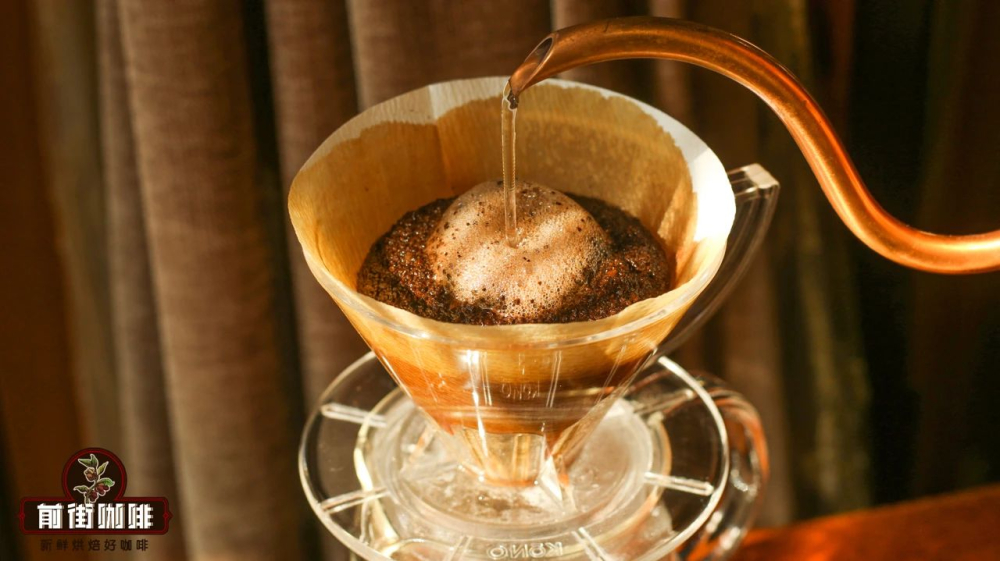
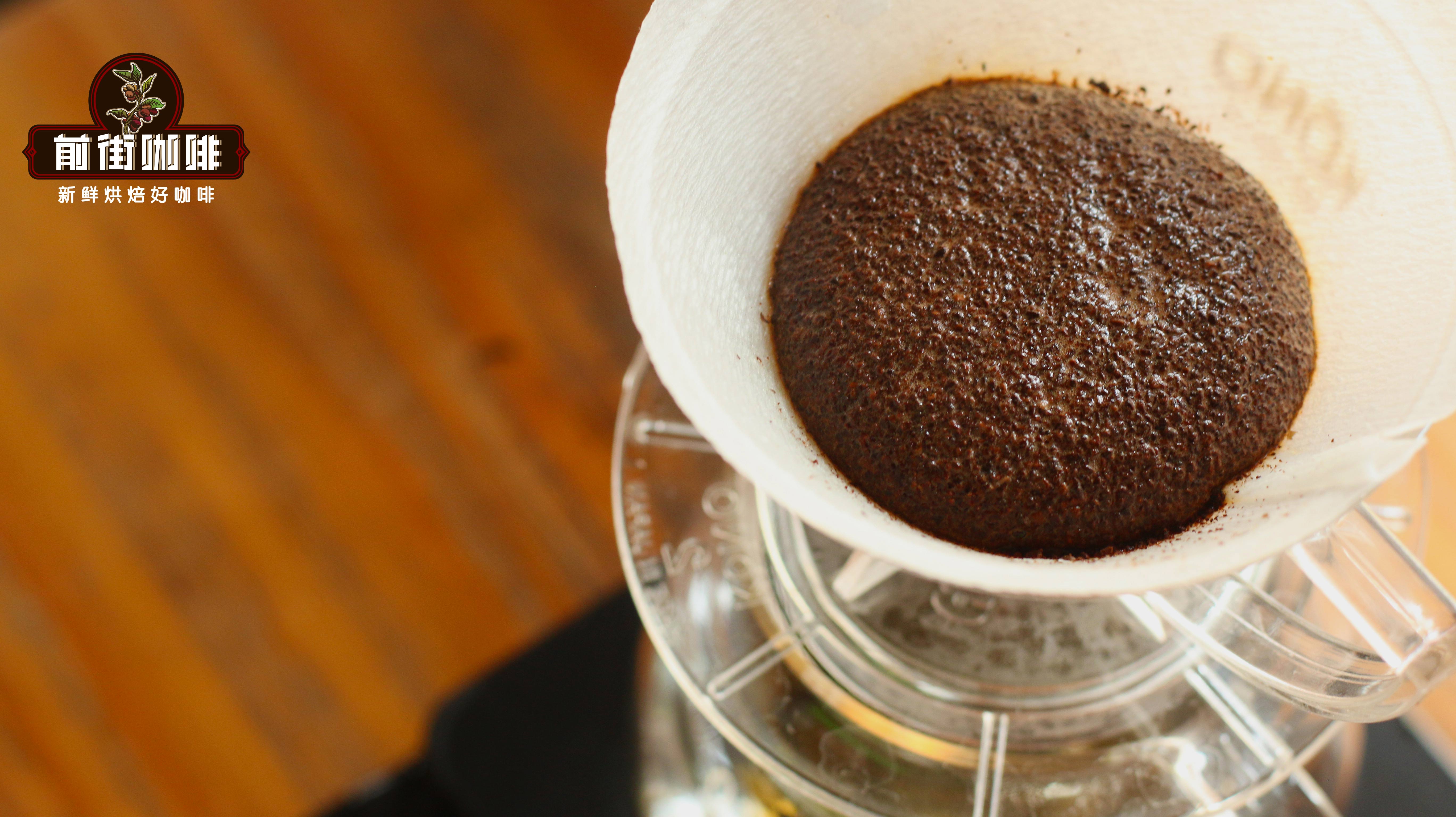
Start by pouring twice the coffee dose in water to wet the bed, forming a dome, and bloom for 30 seconds. Then, with a small, steady flow, pour in circles from the center outward up to 125 g for the first segment. Once the bed drops to half the dripper's height, continue with the same fine flow, pouring the final segment up to 225 g. When all the liquid has drawn down, remove the dripper. Total brew time is about 2 minutes.
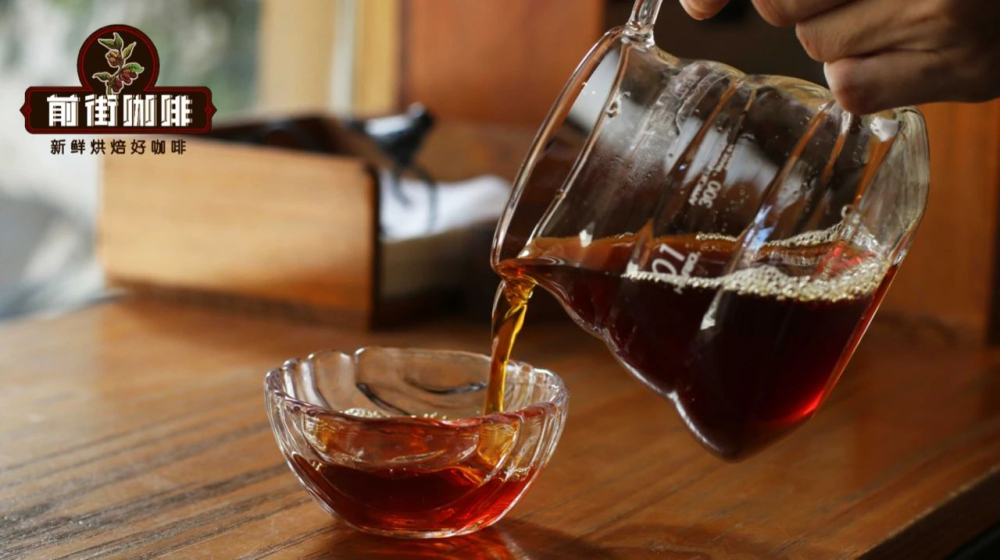
Brewed this way, the PWN Golden Mandheling delivers rich dark chocolate, nut, and caramel aromas with a spicy, herbal finish — a clean, transparent cup with a mellow, substantial body and distinct layers.
FrontStreet Coffee Recommendation
Wet-hulling is the heart of the Mandheling story. Indonesia's rainy season overlaps with coffee harvest, so the long African-style sun-drying is impossible there; since the 1970s, growers have instead peeled off skin and pulp, washed briefly, and then — once the beans reach a half-dry state — machine-hulled the parchment away, exposing the green beans to the humid air. That acceleration, plus local microbial fermentation, creates the mysterious, wild flavor that makes Mandheling one of a kind.
Sumatra now accounts for over 60% of Indonesia's Arabica and Robusta output, and the Arabica it produces is what people call Mandheling, grown mainly in the Aceh region around Lake Tawar (Gayo) and the Lintong area around Lake Toba in North Sumatra. Aceh Mandheling shows delicate aroma and a brighter cup, while traditional Lintong lots — boosted by wet-hulling and local fermentation — offer the classic intense profile: rich fragrance, thick body, clove and woody notes, low acidity, minty spice, and a powerful, lasting sweetness.
To taste that classic style, we recommend FrontStreet Coffee's Lintong Mandheling daily bean, medium-dark roasted to bring out dark chocolate, caramel, spice, and mint against a heavy, low-acid body. For the cleanest, sweetest expression, choose our PWN Golden Mandheling: beans of 18 mesh or larger with fewer than 3 defects per 300 g, triple hand-selected — a level of quality so exacting that supply is naturally limited, with most of the crop reserved for Japan and the US markets.
At home, brew our PWN Golden Mandheling as pour-over to see it at its best: 87–88°C water, 15 g of coffee at 1:15, ground to coarse-granulated-sugar size, with a three-stage pour. Bloom with 30 ml to degas, pour 100 ml to lift the bed and bring up the golden crema, then finish with a gentle 95 ml center pour to maximize sweetness — caramel sweetness over chocolate and nuts in a thick, syrupy body.
Important Notice :
FrontStreet Coffee is a long-established specialty coffee roaster in Guangzhou China, selling freshly roasted beans from its own farm in Yunnan as well as dozens of carefully selected single-origin beans from around the world for both pour-over and espresso. The products deliver consistently excellent quality and great value, with shipping within 24 hours. Guangzhou's FrontStreet Coffee shop is recommended by many coffee lovers, and the beans are now available online at the Tmall 。
FrontStreet Coffee has moved to a new address:
FrontStreet Coffee Address: 315,Donghua East Road,GuangZhou
Tel:020 38364473
 Scan and follow the En Gafei WeChat official account. Please indicate that the reprint comes from "En Gafei".