Introduction to Flavor and Taste of the Premium Arabica Typica Variety
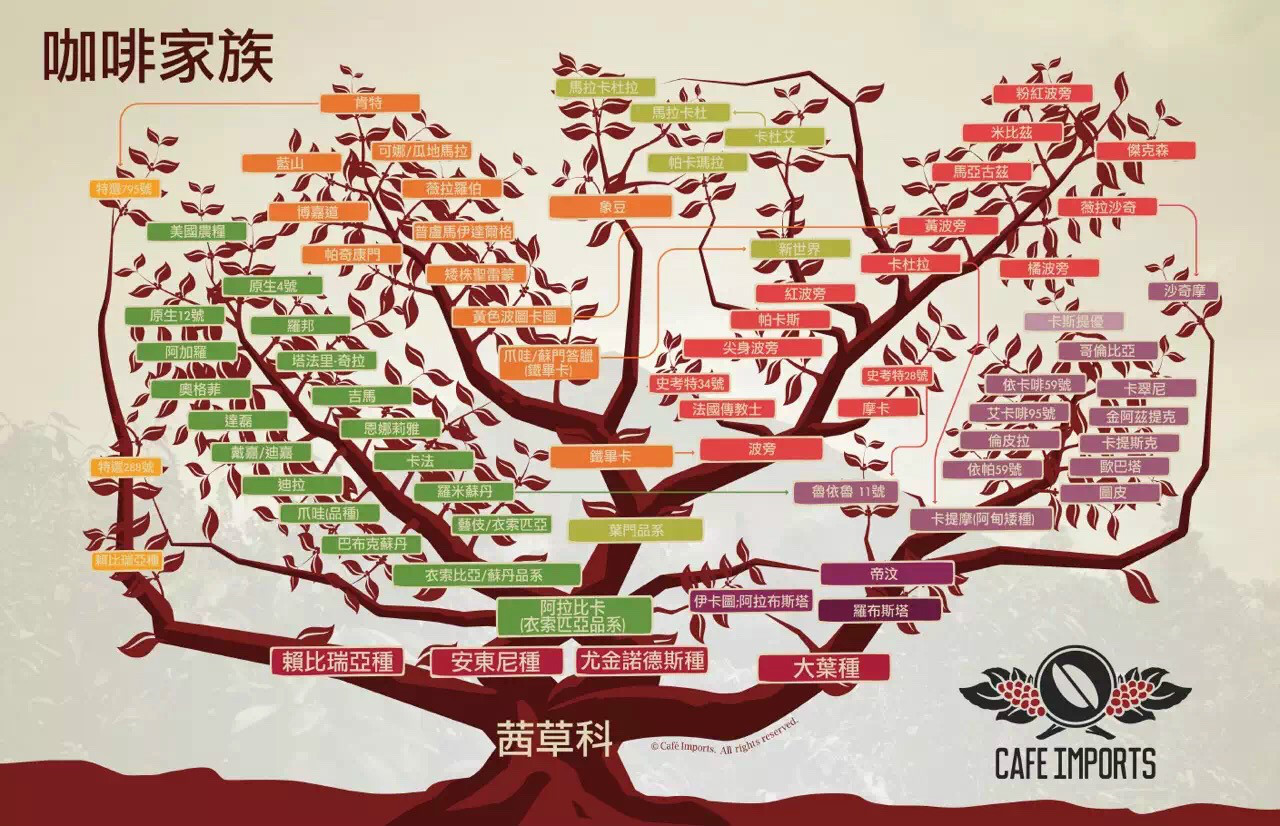
Almost everyone who has encountered coffee knows Typica as the finest variety among Arabica beans, which leads many people to assume that "Arabica" and "Typica" describe the same level of classification. In fact, Typica is just one branch within the Arabica family. Typica and Bourbon are the two most ancient original varieties in that family, and most of the familiar varieties we see today have either evolved naturally from Typica and Bourbon or been created through hybrid breeding.
FrontStreet Coffee carries five Typica coffee beans: Ethiopia's 2020 Cup of Excellence 22nd-place bean, Jamaica Blue Mountain No. 1, Hawaii Kona, Papua New Guinea Bird of Paradise, and Yunnan Baoshan small-grain Typica. In this article, FrontStreet Coffee explores how this "ancestor" variety expresses itself across different growing regions.
A Brief Introduction to Arabica Varieties
Each Arabica cherry contains two seeds, which is why Arabica beans have one flat side. Occasionally two beans fuse into one — the famous peaberry. Some believe peaberries taste better, so many merchants sort them out and sell them at a premium. FrontStreet Coffee considers peaberries simple "accidents" of nature: as long as the cherry ripened fully and the variety is high quality, the coffee will taste good. That said, sorting them does allow these odd shapes to be roasted uniformly for consistent flavor.
Although both Arabica and Robusta grow in the coffee belt between latitudes 45° north and south, Arabica is grown at altitudes above 800 meters: it demands strict growing conditions and has weak resistance to pests and disease. Robusta is grown below 800 meters, is extremely adaptable, and resists pests strongly. To put it plainly, that difference in hardiness is exactly why Arabica beans taste delicate and refined while Robusta tastes wild and rough.
The Typica Coffee Variety
Typica originated in Ethiopia and southeastern Sudan and is one of the most ancient of all Arabica varieties. Its young terminal leaves are copper-red — the origin of the name "red-topped coffee" — and it is also known as old-variety small-grain coffee. Typica is among the most easily confused of coffee varieties. The tree grows a vertical main trunk that can reach 5 meters, and that height means the spacing between branches, and between nodes on the same branch, is longer than in other varieties.
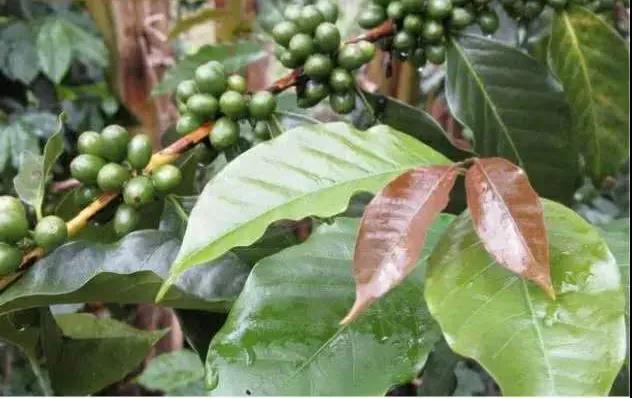
The lateral branches form angles of 50 to 80 degrees with the trunk, and neither trunk nor branches is particularly stout. The leaves are smooth with few wavy edges, slender and elongated — and the most telling leaf trait is the bronze tint of young leaf tips. Ripe Typica cherries are a bright red, and both the cherries and green beans tend to run long and narrow. The downside: low yields, demanding altitude requirements, and susceptibility to leaf rust with generally weak pest and disease resistance.
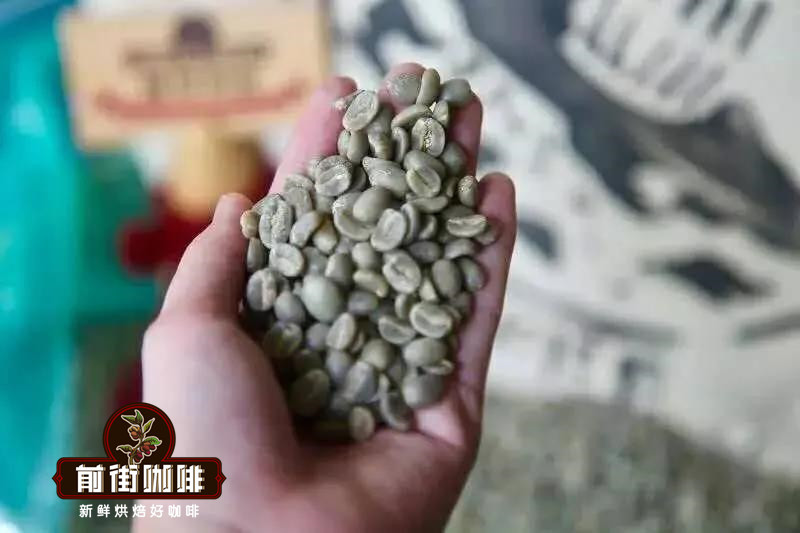
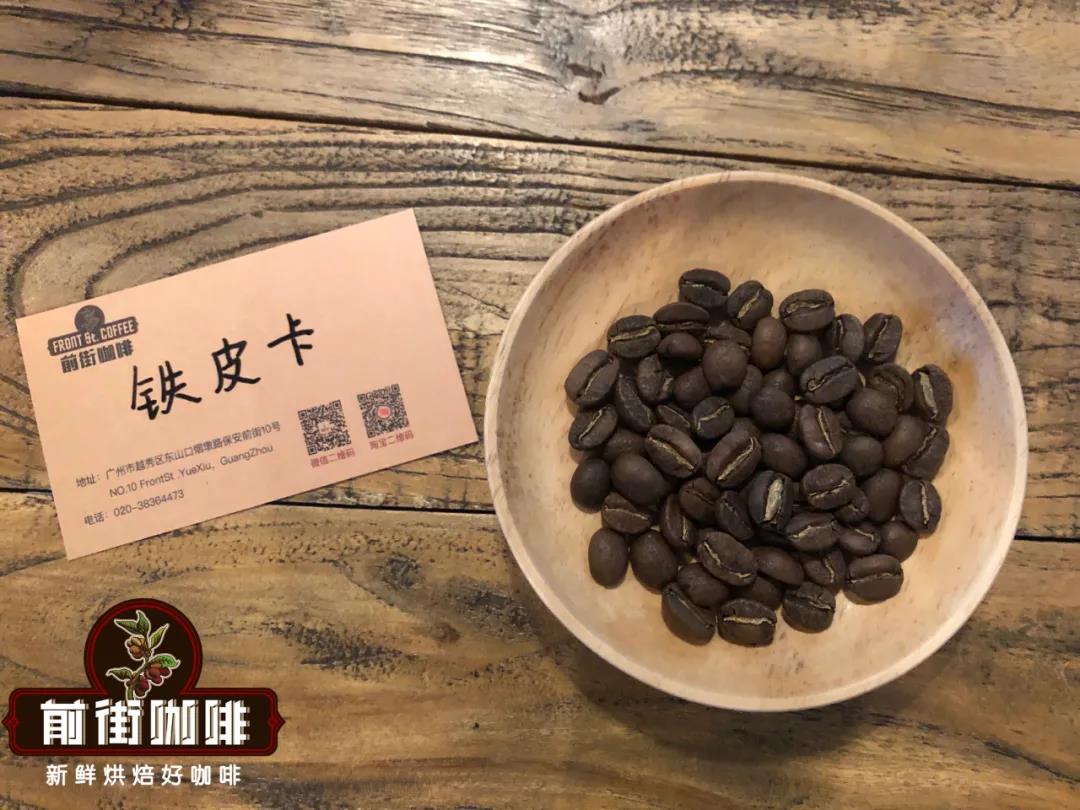
Typica green beans are relatively large, pointed-oval or slender-pointed in shape — again the "red-topped" look. Cupping Typicas from different regions, FrontStreet Coffee has found a signature elegance and cleanliness, along with balanced character. High cup clarity is the variety's greatest strength, and the higher the altitude, the richer the flavor.
Typica Coffee Beans from the Ethiopian Region
As noted above, Typica first appeared in Ethiopia, whose soils have nurtured one outstanding coffee variety after another. FrontStreet Coffee's Ethiopia 2020 Cup of Excellence 22nd-place Typica is grown in the Arsi region of Sidamo. Sidamo's flavors are remarkably diverse, with each town producing clearly distinct coffees, yet all revolve around a pronounced fruitiness. Cupping this Typica against another native-variety lot from Arsi, FrontStreet Coffee found that alongside the region's signature fruitiness, the Typica cup was cleaner with more pronounced sweetness.
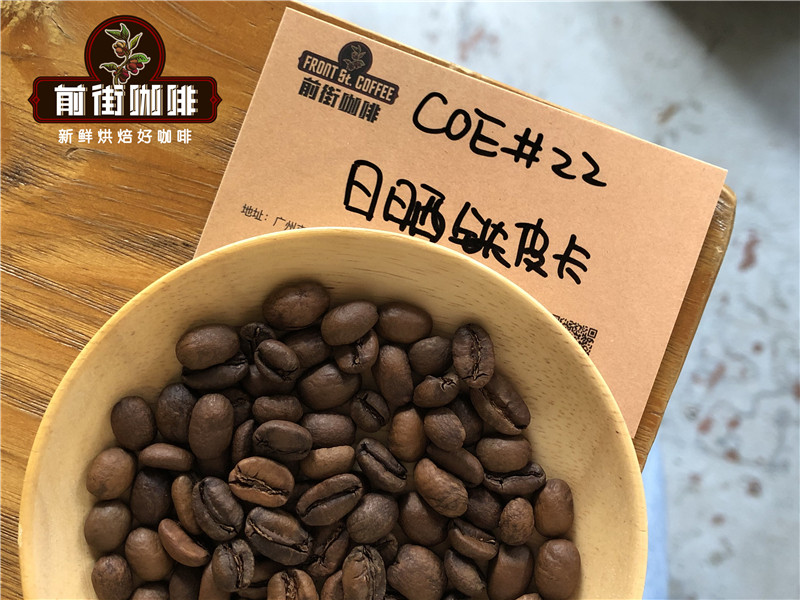
FrontStreet Coffee - Ethiopia COE #22
Region: Ethiopia, Sidamo, Arsi
Grower: Adem Banta Sute
Processing: Natural
Variety: Typica
Brewing flavors: Strawberry and lychee sweet-and-sour, fermented wine aroma, creamy smoothness, honey-like aftertaste.
Jamaica Blue Mountain Typica Coffee Beans
Blue Mountain's Typica was carried from Martinique to Jamaica's Blue Mountains in the 1720s. Over more than 200 years, it evolved improved disease resistance — particularly against fruit rot, where it outperforms typical Typica. Yet once Blue Mountain Typica leaves Jamaica, it cannot reproduce its characteristic sweet, elegant fragrance. Cupping Jamaica Blue Mountain Typica, FrontStreet Coffee has found a flavor balance that no other region's coffee can fully match.
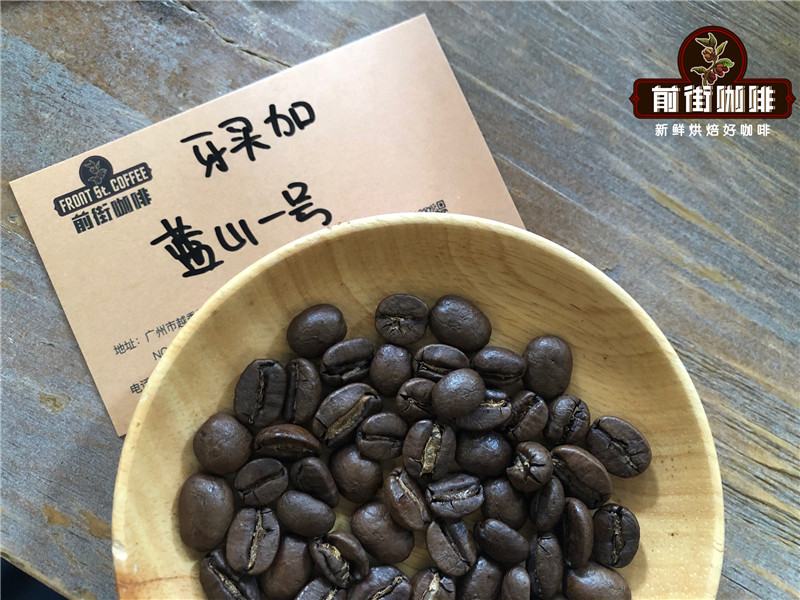
FrontStreet Coffee - Jamaica Blue Mountain No. 1 Coffee
Region: Blue Mountain region, Clifton Manor
Altitude: 1310m
Variety: Typica
Processing method: Washed
Tasting notes: Dark chocolate and nut flavors, high cleanliness, very bright, good body, balanced sweetness and bitterness.
Papua New Guinea Typica Coffee Beans
Papua New Guinea Typica, nicknamed "Little Blue Mountain," was introduced from Jamaica in 1931. Britain had occupied Jamaica for nearly 300 years by then, and the island's most representative coffee was Typica-based Blue Mountain. Given Australia's friendly ties with Britain, it was natural for Papua New Guinea to adopt Typica. Cupping Papua New Guinea beans, FrontStreet Coffee found the flavor similarly balanced, though the body is thinner and the acidity more pronounced than Blue Mountain Typica.
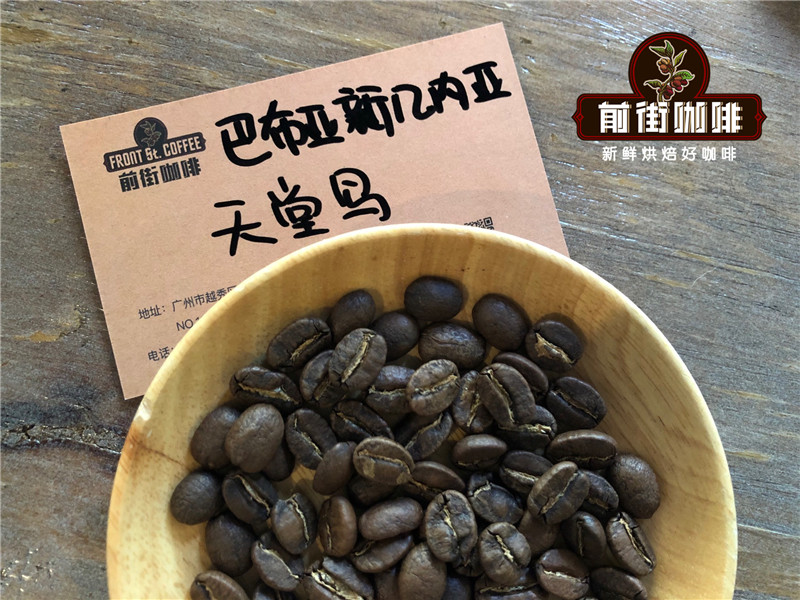
FrontStreet Coffee - Papua New Guinea Bird of Paradise
Country: Papua New Guinea
Estate: Sigri Bird of Paradise Estate
Altitude: 1600-1800m
Processing: Washed
Variety: Typica
Brewing flavors: Toasted bread and nutty sweetness, subtle fruit acidity creating good layering, a special spiced sweetness in the aftertaste — rich and balanced, with bright acidity and a fruit-like aroma.
Hawaii Kona Typica Coffee Beans
Kona's Typica arrived from Guatemala in 1892. The beans run large, and the growing altitude of 600-1100m is low by international standards — yet within the Hawaiian Islands, Kona counts as high altitude. Growers once tried transplanting Kona Typica to other islands, but the heat was too intense and the elevations too low, so the trees never developed Kona's signature soft, delicate acidity. Cupping Kona beans, FrontStreet Coffee finds a rich, aromatic cup with no bitterness or astringency and no burnt notes, soft acidity, maltose sweetness, and a smooth, mellow mouthfeel.
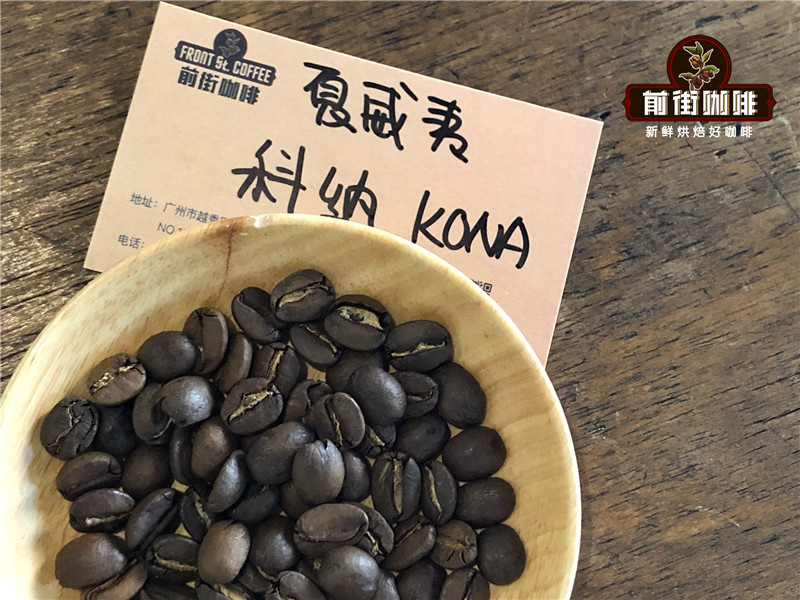
FrontStreet Coffee - Hawaii Kona Coffee Beans
Region: Hawaii Kona
Estate: Queen's Estate
Altitude: 1100m
Variety: Typica
Processing method: Washed
Brewing flavors: Gentle, balanced osmanthus-honey sweetness with an elegant body that is substantial but never heavy; brewed coffee gives off a mulberry aroma, and the finish carries smooth malt notes — as it cools, like a cup of mulberry tea.
Yunnan Typica Coffee Beans
In 1904, the French missionary Father Tian De Neng traveled to Dali and planted a Typica tree in Zhugula Village — the ancestor of Yunnan coffee. Typica is one of the old varieties Baoshan farmers still speak of, but low yields and high planting costs gradually replaced it with Catimor. To change the impression that Yunnan coffee needs special processing to overcome harsh flavors, FrontStreet Coffee pioneered replanting this ancient Typica on the border of Yunnan Baoshan and Myanmar. Cupping Yunnan Typica, they found rich fruit aroma along with melon and herbal notes.
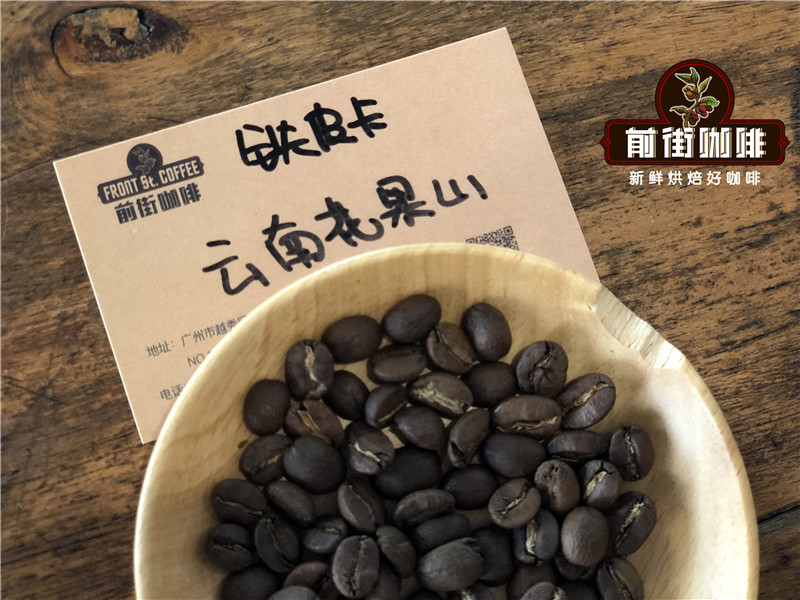
FrontStreet Coffee - Yunnan Flower and Fruit Mountain Coffee Beans
Region: Yunnan Baoshan
Altitude: 1450-1550m
Variety: Typica
Processing: Washed
Brewing flavors: Smooth entry with Asian herbal aromas, lively bright acidity that makes the mouth water, good body balance, rich layering, and a finish of dark chocolate, honey, and sucrose — turning to brown sugar as the cup cools completely.
FrontStreet Coffee Recommendation
If this tour of Typica inspires you to taste the ancestor variety itself, FrontStreet Coffee's Jamaica Blue Mountain No. 1 is the definitive choice. Sourced from Clifton Manor in the Blue Mountain region at 1310 meters and washed-processed, it shows dark chocolate and nut flavors with a high degree of cleanliness, pleasant brightness, solid body, and a beautifully balanced sweetness and bitterness — the classic profile Typica expresses at its very best, a balance FrontStreet has found no other origin can fully replicate.
To brew Blue Mountain No. 1 at home, FrontStreet recommends a Kono dripper to draw out its full body: 15g of coffee, a grind slightly coarser than for light roasts (about white sugar texture), and water at 87-88°C — hotter water is the usual culprit behind a scorched, bitter cup. Rest the beans 4-7 days from the roast date, then pour in three stages: 30g to bloom for 30 seconds, then to 120g with a slow vertical pour in small circles, pause, and finish at 225g with a slightly faster pour at a 1:15 ratio. Expect a clean, complex, and gentle cup where sweetness, acidity, and bitterness fall into perfect harmony.
Important Notice :
FrontStreet Coffee is a long-established specialty coffee roaster in Guangzhou China, selling freshly roasted beans from its own farm in Yunnan as well as dozens of carefully selected single-origin beans from around the world for both pour-over and espresso. The products deliver consistently excellent quality and great value, with shipping within 24 hours. Guangzhou's FrontStreet Coffee shop is recommended by many coffee lovers, and the beans are now available online at the Tmall 。
FrontStreet Coffee has moved to a new address:
FrontStreet Coffee Address: 315,Donghua East Road,GuangZhou
Tel:020 38364473
 Scan and follow the En Gafei WeChat official account. Please indicate that the reprint comes from "En Gafei".