Famous Coffee Bean Varieties: Jamaica Blue Mountain Coffee Flavor Profile and Grade Introduction
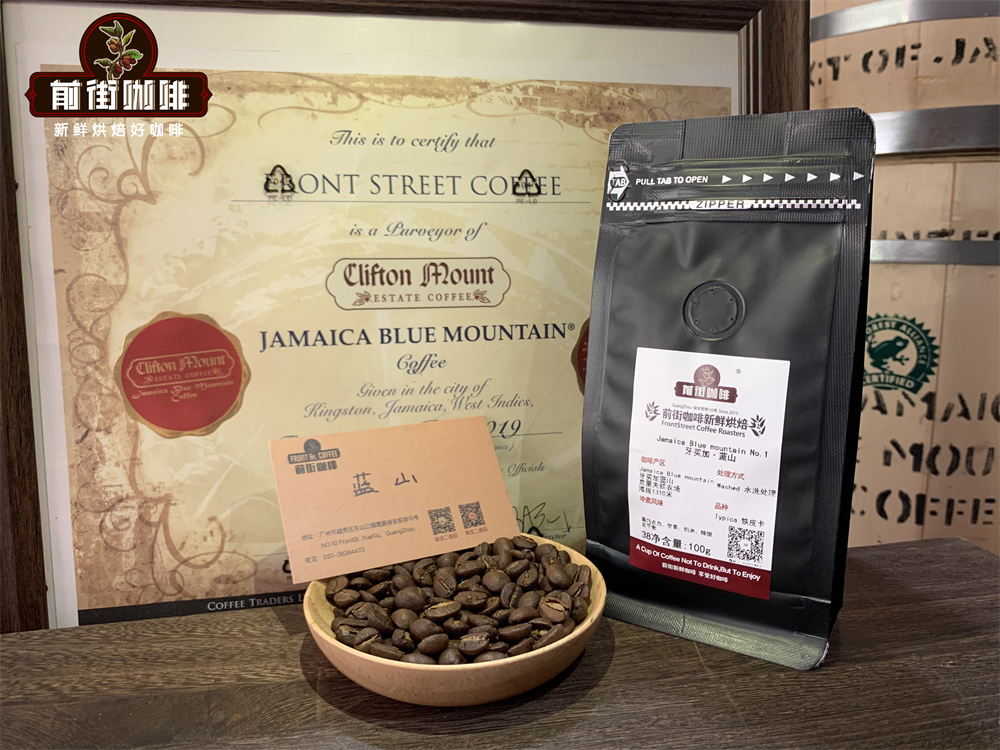
As one of the world's finest coffees, high-quality FrontStreet Coffee Blue Mountain No. 1 offers rich, dense, and lasting aromas of chocolate and roasted hazelnut, with sweet, sour, and bitter notes in perfect balance, an even body and sweetness, and a memorable aftertaste. To understand why its flavor is so exquisite, you have to look at the exceptional terroir and climate of the Blue Mountains and the discerning eye of Jamaican producers.
Which Country Does Jamaican Blue Mountain Belong To?
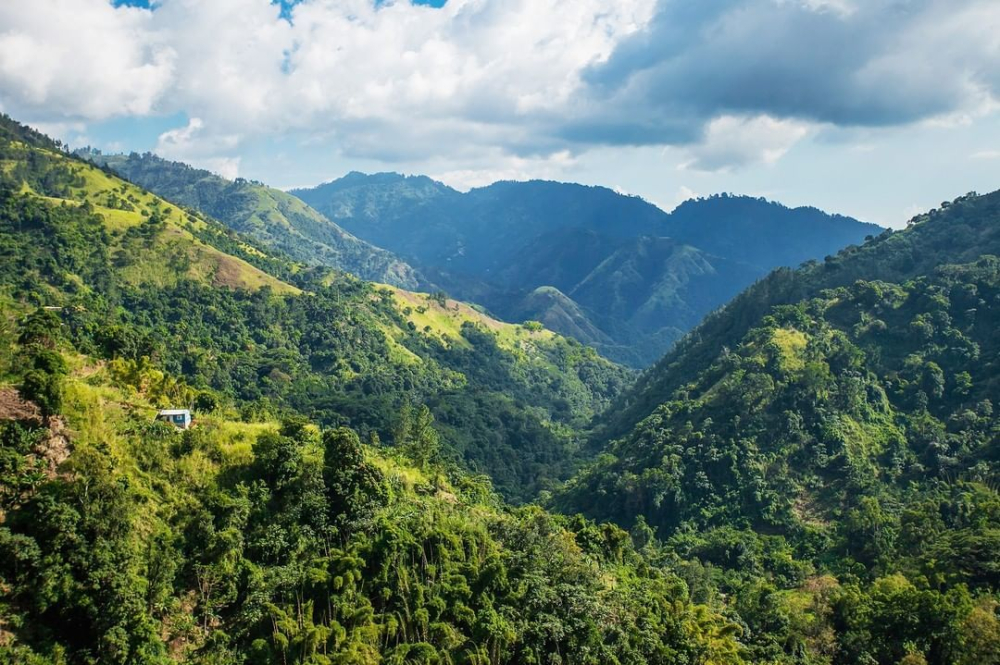
The island of Jamaica sits in the Caribbean Sea, with beautiful scenery and fresh, unpolluted air. The Blue Mountain Range in the eastern part of the island lies squarely within the coffee belt between 25° north and south latitude. Volcanic ash soil from ancient eruptions supplies abundant nutrients, while the towering, rugged highlands create a unique microclimate: clouds frequently shroud the mountains, and condensing water vapor provides ideal natural shade and irrigation. Coffee trees are often planted alongside banana and avocado trees, under whose canopy they grow. The Blue Mountains are among the highest ranges in the Caribbean—the highest peak reaches 2,256 meters—and the range takes its name from the mist that wraps the peaks in a bluish haze year-round.
Jamaica's coffee cultivation goes back over two hundred years, to 1728, when Governor Sir Nicholas Lawes brought coffee seeds from Martinique for trial planting in the St. Andrew region. In the late 18th century, abundant enslaved labor drove a surge in production that spread to the more suitable Blue Mountain region; by 1814, national output had reached 15,000 tons a year. But after the abolition of slavery in the early 19th century, many farmers switched to other crops, and Jamaican coffee production plummeted, sending the whole industry into decline.
To regulate the industry, the Jamaican government passed legislation in 1891 to improve coffee production and quality, providing professional guidance to growers. In 1944 it established the Central Coffee Clearing House, where every export batch had to be assessed and graded. In 1950, Jamaica formally established the Jamaica Coffee Industry Board (CIB), granting it official authority to improve, control, and maintain the quality and reputation of Jamaican coffee.
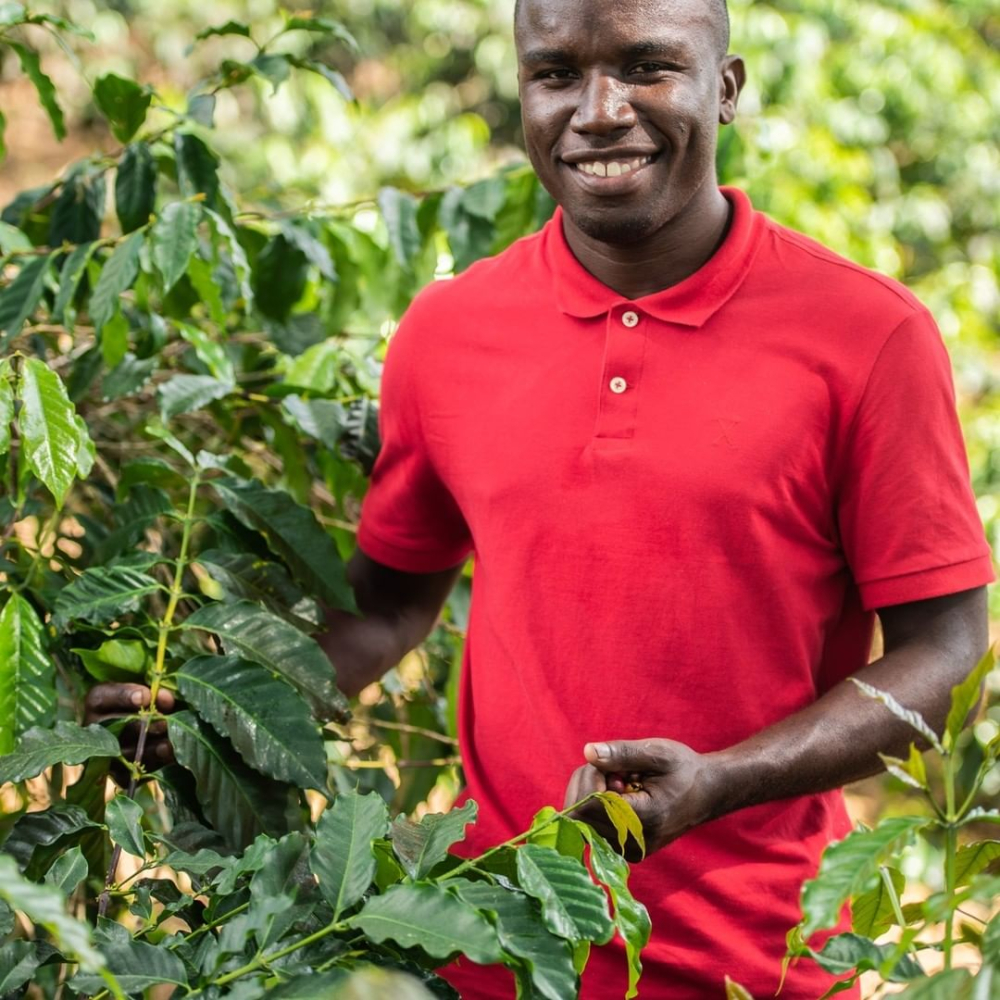
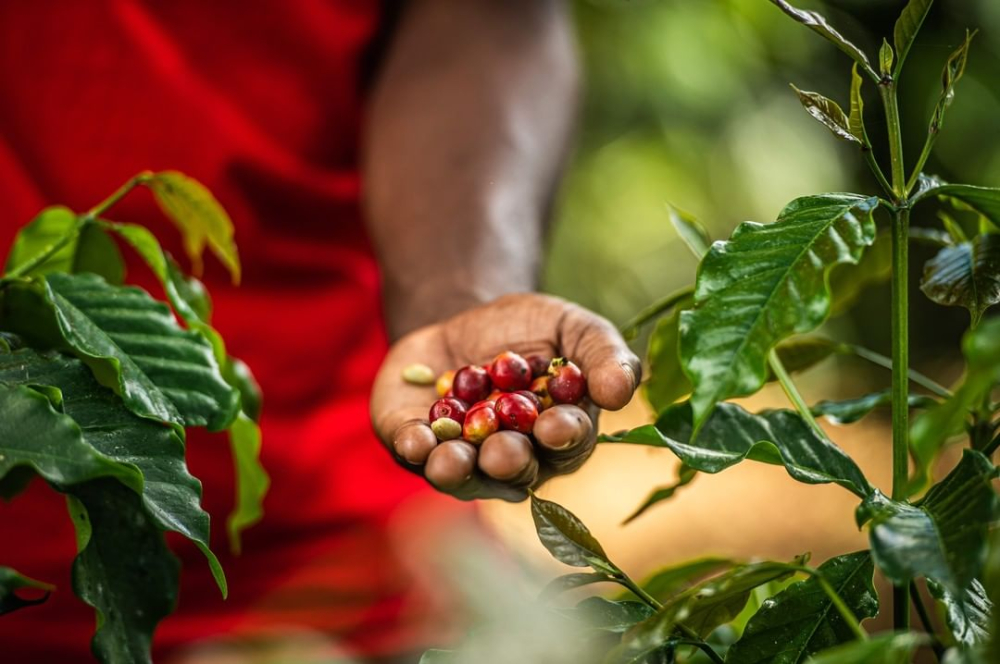
Jamaica's Coffee Industry Regulation Act strictly limits Blue Mountain coffee cultivation to four administrative parishes—St. Andrew, St. Thomas, Portland, and St. Mary—and only Typica coffee grown there at altitudes between 910 and 1,700 meters may be named Jamaican Blue Mountain Coffee. By quality, the coffee is classified from highest to lowest as No. 1, No. 2, No. 3, and PB (Peaberry). That strict quality control and grading made Blue Mountain coffee world-renowned, and in the mid-20th century it was considered one of the finest coffees money could buy.
It is worth noting that in the 1960s nationwide hurricanes devastated several Jamaican industries, coffee included. Japan's UCC came to the rescue, helping rebuild and introducing ecological cultivation methods to the Blue Mountain region. In 1972, Jamaica and Japan signed a 30-year coordination agreement granting Japan priority purchasing rights in gratitude for that corporate assistance. During that period, 90% of Blue Mountain coffee went to Japan, with the remaining 10% divided among countries in Europe, the Americas, and Asia—which explains why Blue Mountain commanded such high prices in that era.
What Is the Quality Level of Blue Mountain No. 1?
Blue Mountain's ability to hold its quality and reputation is inseparable from the Jamaican government and the CIB, whose role is to promote, regulate, monitor, and guide the industry and to guarantee the quality of exported coffee.
Before export, Blue Mountain beans must be inspected, certified, and graded by the CIB, based on bean size, color, roasting quality, aroma, cup quality, and screen size. By size, the beans fall into four grades:
Grade
Screen size (defect rate ≤3%)
No.1
17-18
No.2
16
No.3
15
PB (Peaberry)
10
FrontStreet Coffee's Blue Mountain is the highest grade—Jamaican Blue Mountain No. 1: a defect rate below 3%, size above 17 screen, moisture between 10% and 12.5%, uniform color, and neat, even beans—a genuinely rare premium lot. Before export it must also pass inspection by CIB-approved professional cuppers and show appropriate levels of acidity, sweetness, bitterness, body, and aroma.
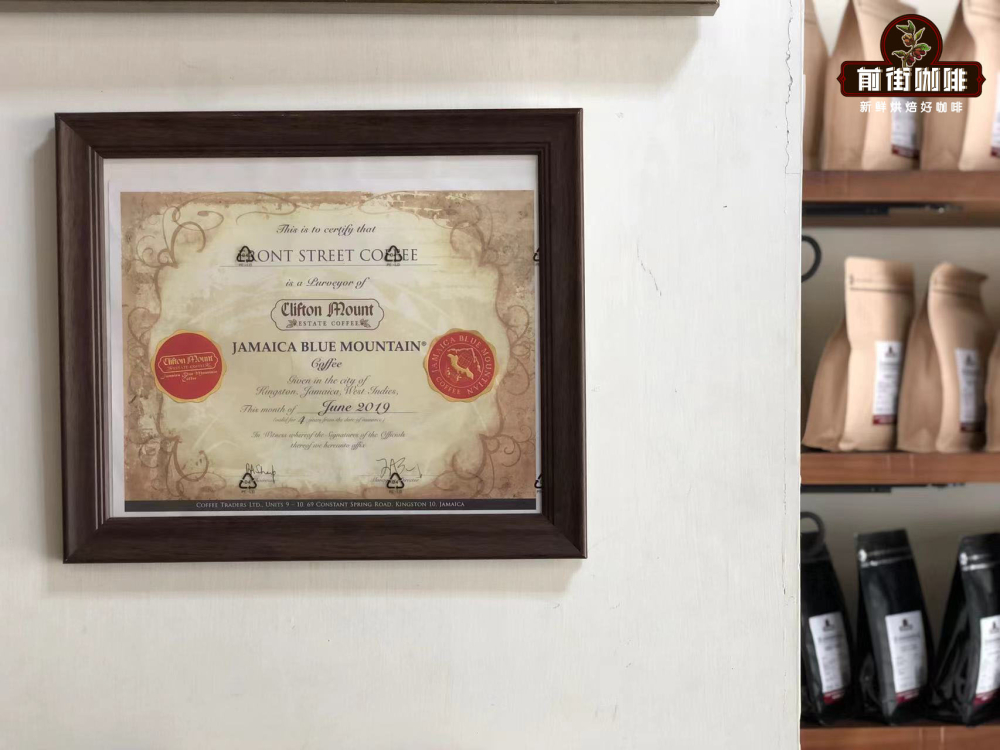
After inspection, Blue Mountain beans are shipped in handcrafted wooden barrels to roasters worldwide. Unlike the coarse burlap bags used elsewhere, oak barrels absorb and release humidity while keeping coffee aroma from escaping, holding bean moisture steadier and roasting more consistent. Those wooden barrels—traditionally in 15, 45, and 70 kg sizes, each stamped with detailed batch information—later became one of the identifiers of authentic Blue Mountain coffee. Along with the barrels, FrontStreet Coffee's Blue Mountain No. 1 comes with a quality certificate from the Jamaican Coffee Board, an authorized-sales certificate from the Blue Mountain producer, and a Jamaican Blue Mountain origin certificate. Even the green beans tell the story: genuine Blue Mountain beans are even, plump, slightly upturned at both ends, and green in color.
How to Brew Blue Mountain Flavor?
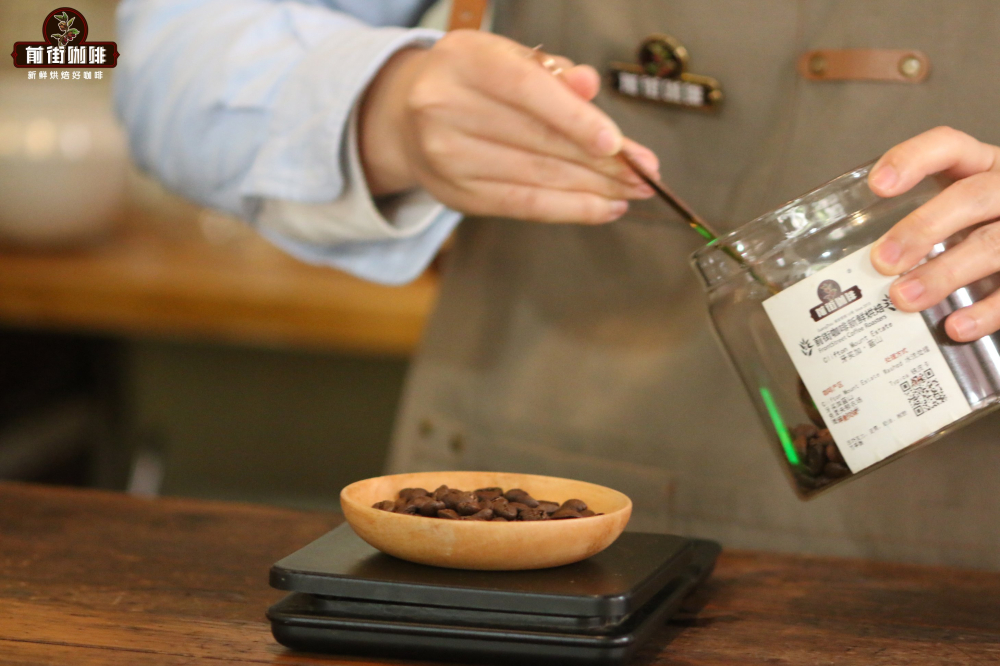
To taste Blue Mountain's classic flavor layers, FrontStreet Coffee believes pour-over presents them best—and that great pour-over is not complicated: find the right parameters and practice, and the flavors and mouthfeel will follow.
Start with beans at their flavor peak. If the roast date is more than a month old, some aromas may already have faded and woody notes may have set in. FrontStreet Coffee ships beans roasted within the past 5 days; if they taste too fresh, let them rest a few days—most coffee is at its best 4–7 days from the roast date—so most of the gas escapes before brewing and the cup performs more stably.
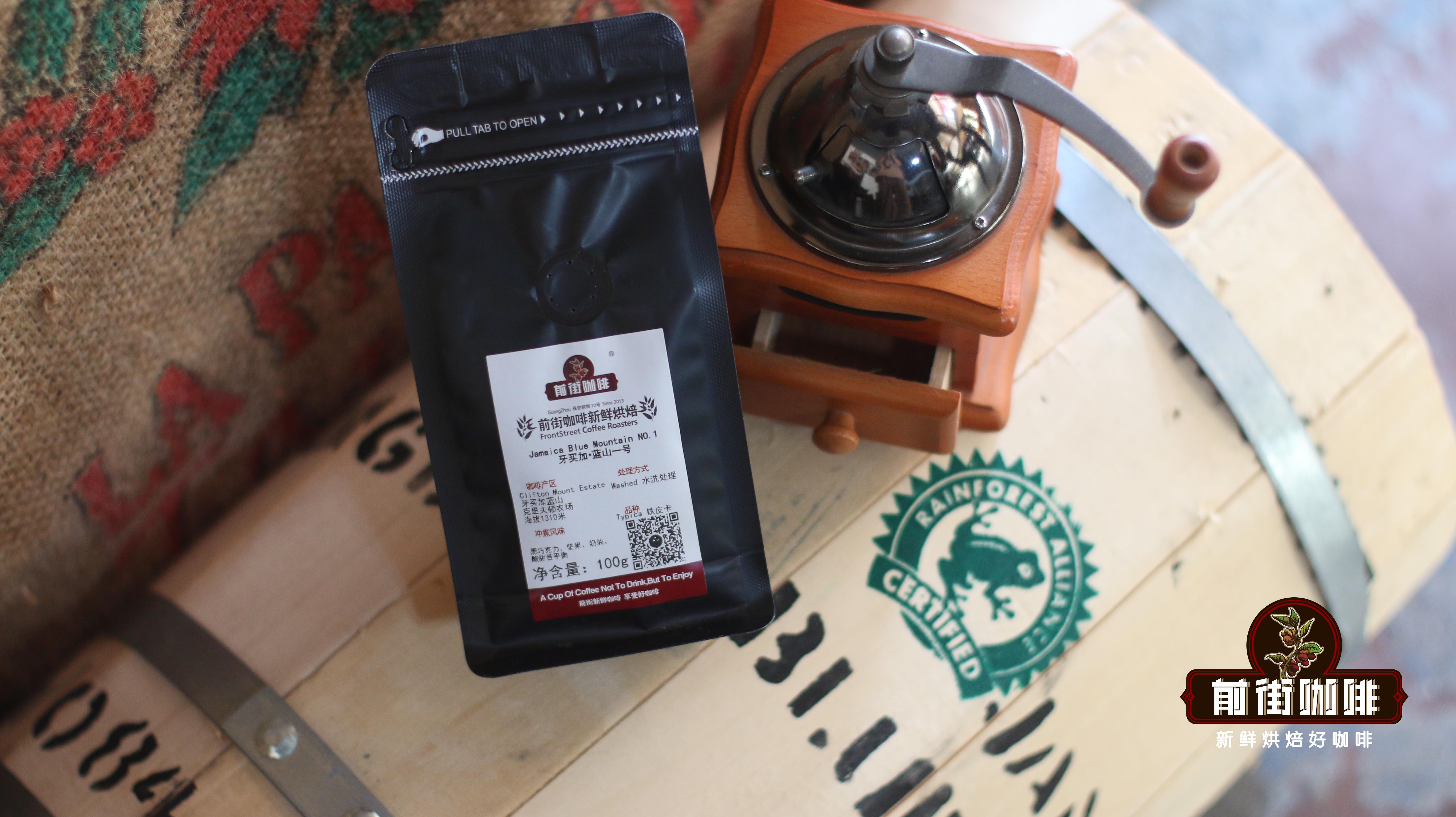
Classic Blue Mountain flavor means rich chocolate and roasted-nut aromas, soft acidity, and full body. To recreate it, FrontStreet Coffee's roasters chose a medium-dark roast that highlights roasted aromas while keeping some acidity. Cupping showed balanced acidity, sweetness, aroma, bitterness, and body, and the baristas built the brewing recipe around that profile.
FrontStreet Coffee's parameters: a KONO dripper (which best enhances the bean's body), a grind with 75% pass-through on the No. 20 standard sieve—slightly coarser than for light roasts, about the texture of white granulated sugar—and 87–88°C water. Water that is too hot is the most common cause of a scorched, bitter cup, while water that is too cool leaves the coffee flat. Dose: 15 g; coffee-to-water ratio: 1:15. (Some recipes tighten the ratio to 1:13 or lower for a stronger cup and to dodge late-stage bitterness, but that costs the finish; with water temperature and grind under control, 1:15 shows the coffee's full character.)
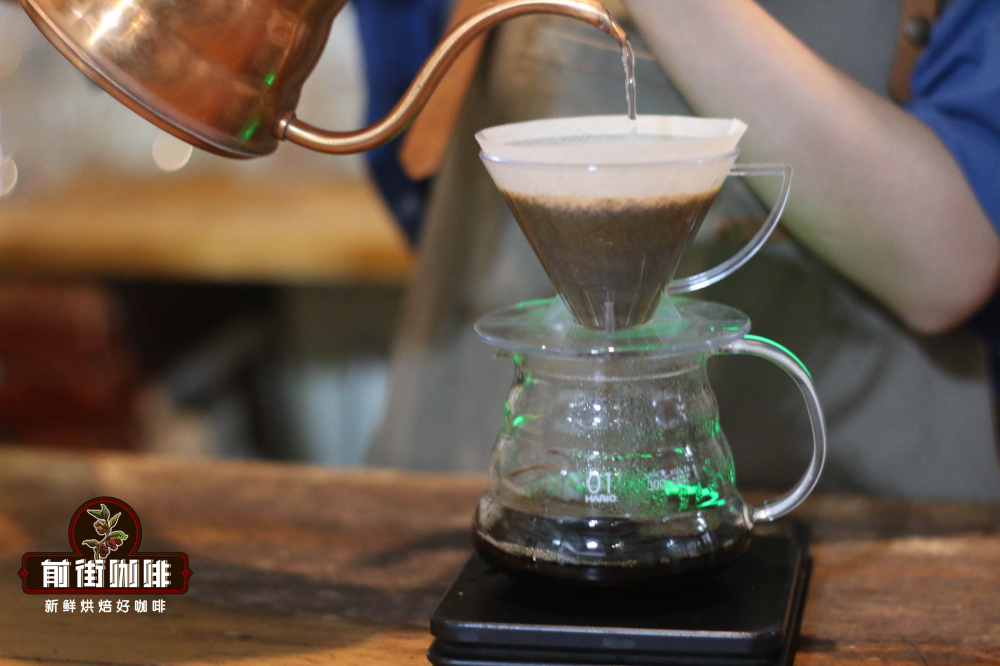
Three-stage pouring: use 30 g of water to wet the grounds evenly and bloom for 30 seconds. For the second stage, pour 95 g (to 120 g total on the scale) in slow, tight circles with a fine vertical stream. For the third stage, pour the final 100 g (to 225 g) with a slightly faster flow and circles, which keeps fines from clogging the dripper and over-extracting. After roughly 2 minutes of drawdown, remove the dripper, stir the coffee gently, and taste.
FrontStreet Coffee Jamaican Blue Mountain No. 1 in the cup: dark chocolate, roasted nuts, and toffee on entry, with caramel sweetness and soft, elegant acidity—every element balanced into a smooth, rich mouthfeel—and as the cup cools, the aromas turn more transparent and layered. It is exactly that flawless equilibrium—gentle acidity, no harsh bitterness, a persistent fruity finish—that has made Blue Mountain the coffee nearly everyone loves.
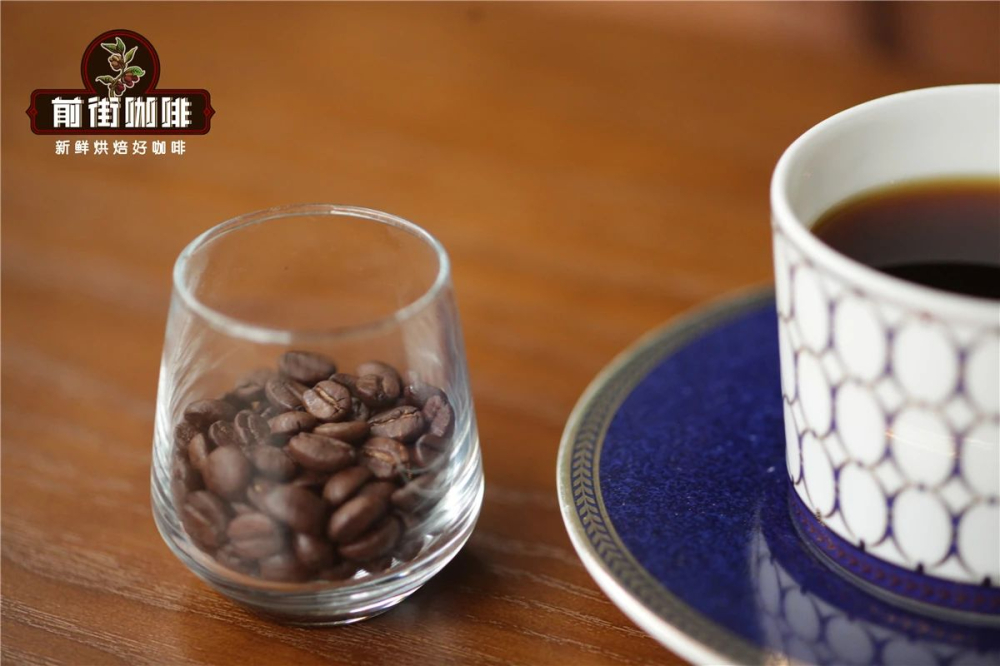
Pour-over aside, many other methods also present Blue Mountain No. 1 beautifully—siphon, French press, moka pot, AeroPress, or convenient Blue Mountain drip bags. Because Blue Mountain is so well balanced, a moka pot or espresso machine brings out its chocolate, caramel, and nutty depth in a thicker, fuller-bodied cup. Good coffee expresses itself through many extraction methods, so if you have the equipment at home, experiment.
FrontStreet Coffee Recommendation
Blue Mountain's mystique has bred plenty of fakes, so buy with the certification system in mind: genuine Jamaican Blue Mountain carries government-issued certificates and origin documents, travels in its characteristic wooden barrels, and—once brewed—shows a dense, clean, delicate flavor with no off-notes that imitations cannot match. Jamaica's entire Blue Mountain zone produces under 2,500 tons a year, a sliver of world output, and Japan's long-standing trade relationship has historically absorbed more than 70% of it, keeping supply scarce and prices high. Chinese buyers, however, have been able to purchase officially certified Blue Mountain through regular channels since 2003, when Jamaica began exporting green beans to China directly. For the authentic experience, FrontStreet Coffee recommends its Blue Mountain No. 1 from the historic Clifton Estate—growing coffee since roughly 1750 at an average of 4,300 feet (1,310.64 m), where elevation, afternoon cloud cover and forest shade, ample sunshine, and mineral-rich soil slow the cherries' ripening and deepen the cup—complete with full origin documentation and original shipping barrels on display. The medium-dark roast unfolds nut, dark chocolate, cream caramel, and gentle sweetness in harmony, and whether as an everyday specialty brew or a high-end gift, Blue Mountain No. 1 delivers the enduring charm that has kept this legendary coffee at the top for decades.
Important Notice :
FrontStreet Coffee is a long-established specialty coffee roaster in Guangzhou China, selling freshly roasted beans from its own farm in Yunnan as well as dozens of carefully selected single-origin beans from around the world for both pour-over and espresso. The products deliver consistently excellent quality and great value, with shipping within 24 hours. Guangzhou's FrontStreet Coffee shop is recommended by many coffee lovers, and the beans are now available online at the Tmall 。
FrontStreet Coffee has moved to a new address:
FrontStreet Coffee Address: 315,Donghua East Road,GuangZhou
Tel:020 38364473
 Scan and follow the En Gafei WeChat official account. Please indicate that the reprint comes from "En Gafei".