Coffee Origins: Characteristics of Ecuadorian Coffee
Professional Coffee Knowledge Exchange
For more on coffee beans, follow Cafe_Style (WeChat official account: cafe_style).
Coffee Origin: Ecuador
Arabica coffee trees were first brought to Ecuador in 1875, and the quality is excellent, especially the coffee harvested in early June. Ecuadorian beans fall into two varieties, Galápagos and Gigante, both known for large grains and heavy weight. Ecuadorian coffee is graded by quality into No.1 and Extra Superior, and most of it is exported to the Nordic countries of the Scandinavian Peninsula.
The main problem facing producers is holding quality consistent. In general, coffee from this region has a very balanced, refreshing taste with a distinctive aroma.
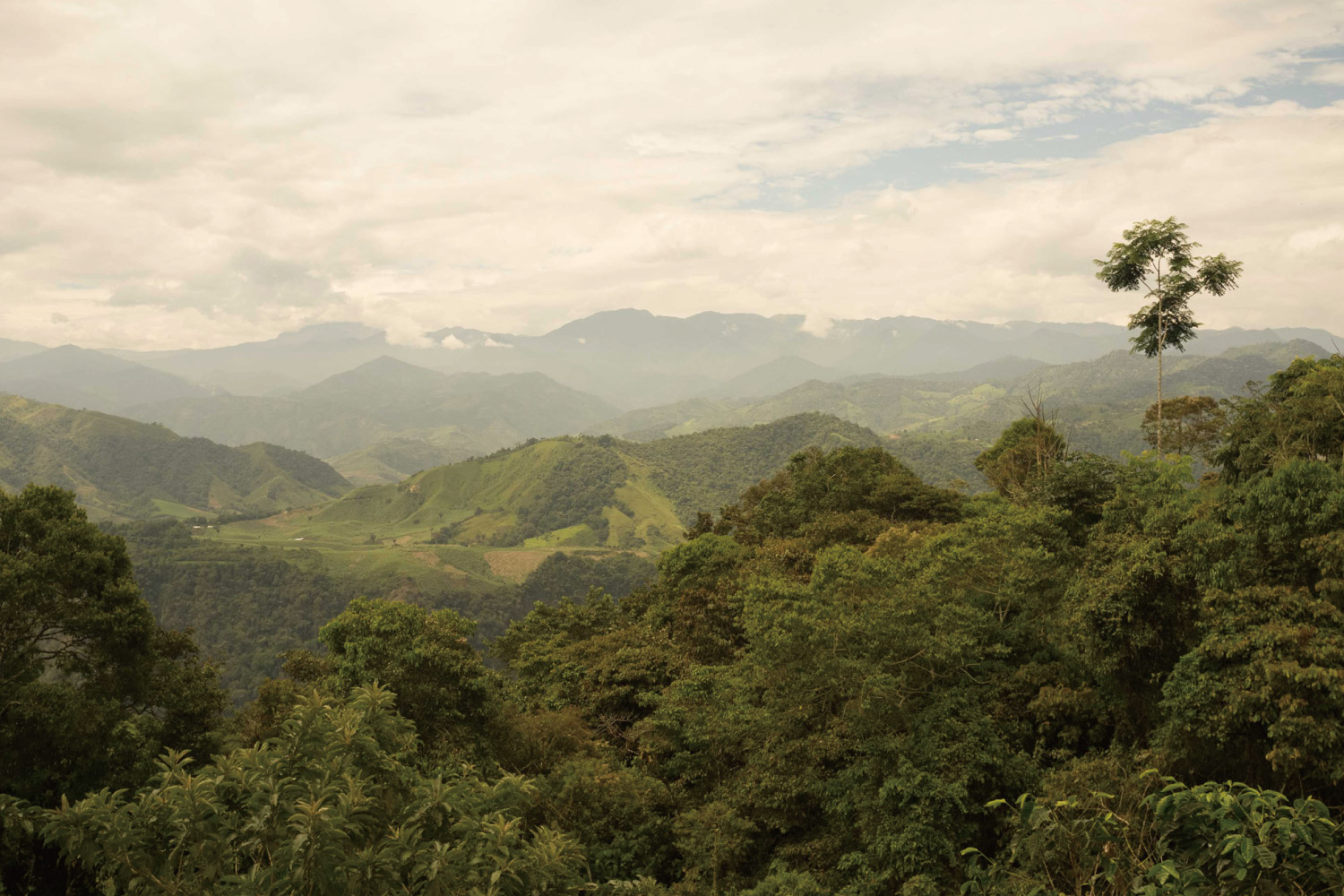
Ecuador is one of the few South American countries producing both Arabica and Robusta. Because land suitable for Arabica is shrinking, Robusta output is gradually rising. The best Arabica comes from the Andes, particularly the Chanchamgo Valley. The Andes split into two ranges that run south to north and reach central Ecuador.
Flavor Profile
Balanced acidity, rich and fragrant aroma.
Recommended Roasting Method
Medium to dark roasting, well suited to high-quality blended coffee and usable in many ways.
Rating
Fair
Ecuador Giant Tortoise Island Coffee Beans
A Coffee Treasure from the Homeland of Giant Tortoises
The best Ecuadorian coffee grows on San Cristóbal Island in the Galápagos, which has the unique natural conditions to nurture the finest coffee in the world. A cup of Galápagos coffee, like the scenery of the islands themselves, leaves a lasting impression.
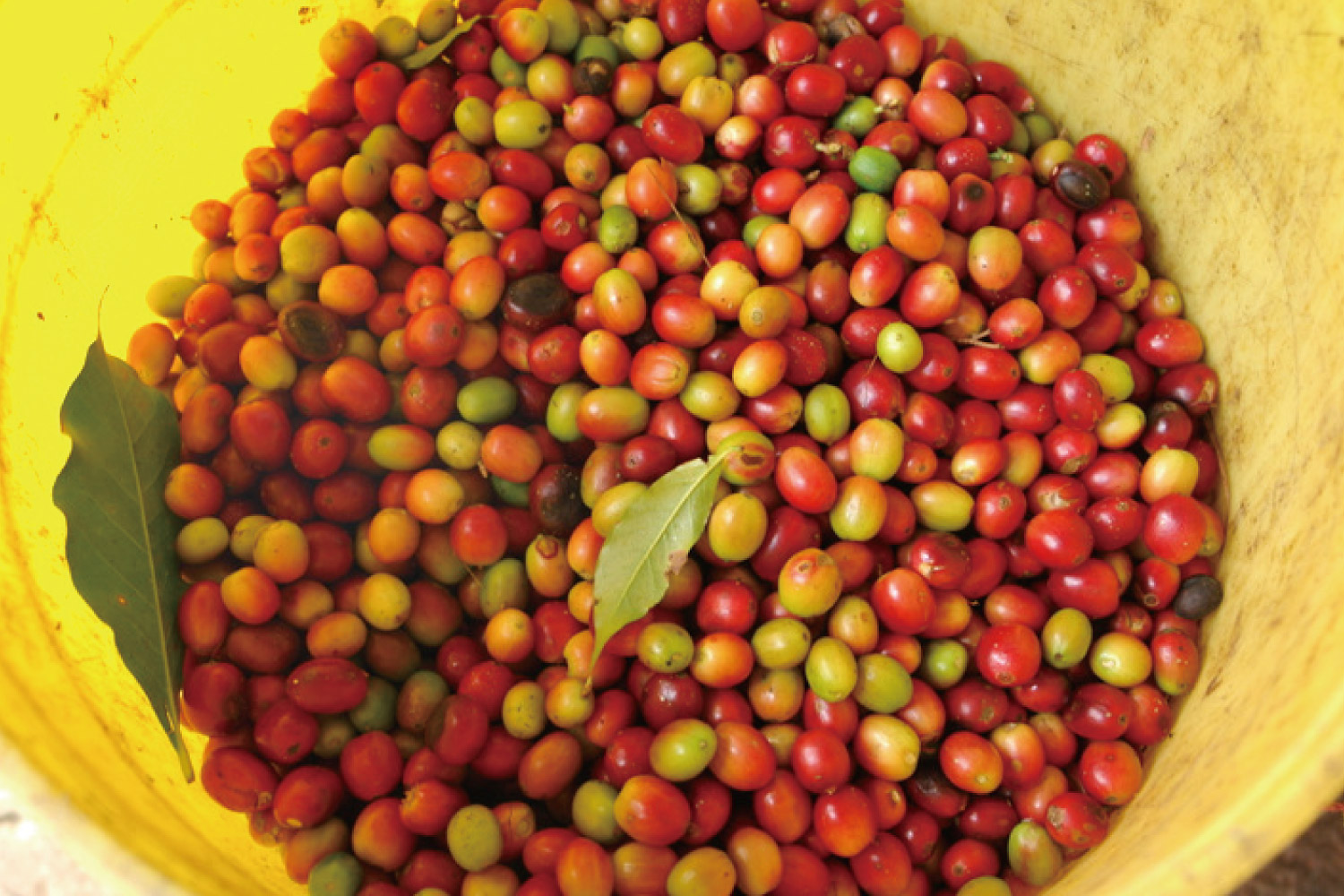
In the mid-15th century, among fishermen working the western Pacific off South America, legends circulated about enchanted mysterious islands. The story went that these islands could sometimes be seen clearly in the distance but vanished as ships drew near, and that sometimes they looked like a great sailing ship, other times like a witch. The fishermen called them "enchanted islands" and believed they might be ruled by demons like the sea sirens of "The Odyssey." The island the fishermen called enchanted is today's Galápagos.
Ecuador Coffee Growing Regions
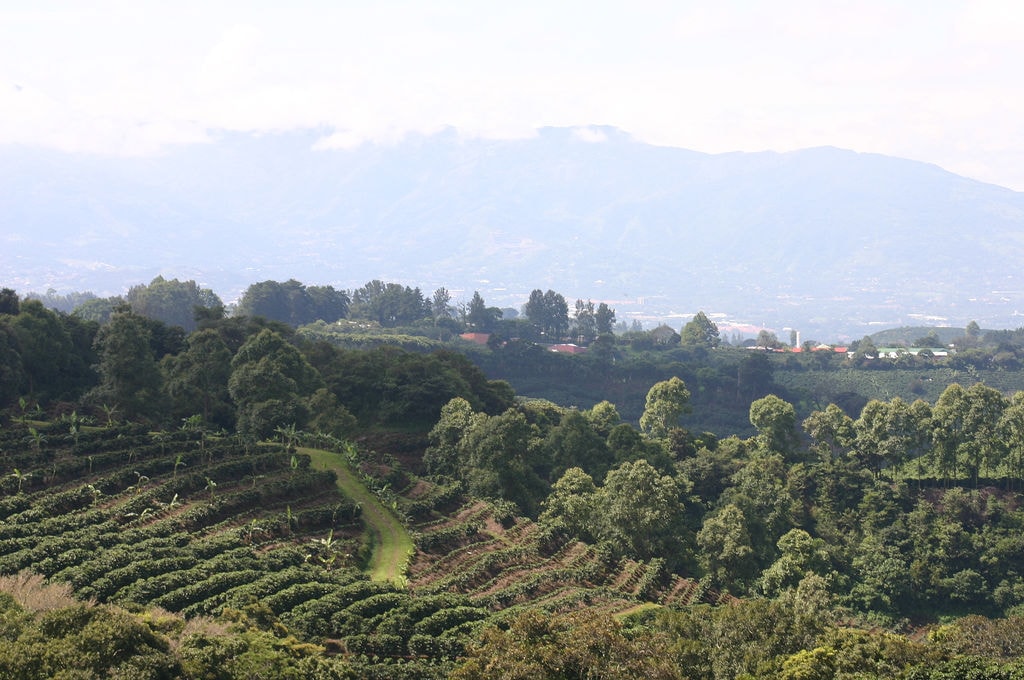
Loja Region
Loja lies in southern Ecuador, against the Andes, and is one of the highest coffee growing areas in the world at 1,450-2,000 meters. It is also an important coffee export city for the country. The variety is Typica, processed by the washed method and mostly grown under natural shade. The high altitude, climate variation and soil quality suit coffee cultivation well, giving the region many of the conditions needed to grow excellent coffee.
Galápagos Islands
Lying in Ecuadorian waters directly below the equator, this is a mysterious and charming archipelago. The Galápagos are home to many endemic species found nowhere else, and UNESCO has declared them a World Cultural and Natural Heritage site.
Ecuadorian law therefore strictly prohibits the import or use of fertilizers, herbicides, pesticides or any other chemical products.
Certified by OCIA and Rainforest Bird Protection as an organic shade-grown environment, and combined with the island's unique climate, this creates aromatic, full-bodied coffee.
Galápagos coffee is a pearl among specialty coffees, rarely combining floral aroma with a rich body as it does. With its floral and fruity sweetness and aftertaste, its flavor is in no way inferior to the famous Jamaican Blue Mountain and Hawaiian Kona.
Most of it is exported to the Nordic countries of the Scandinavian Peninsula. Ecuador has the highest-altitude Arabica plantation in the world. Since coffee trees were first introduced to Ecuador in 1875, its coffee quality has remained unchanged for 100 years, especially the crop harvested in early June each year, known as "the best tasting coffee in the world." Ecuadorian beans divide into two varieties, Galápagos and Gigante, both with relatively large grains and heavy weight. The unique geography of the Galápagos in particular gives its beans superior genes compared with other origins, and that quality stems from cultivation without any chemical agents. Because land suitable for Arabica is gradually shrinking in Ecuador, Galápagos coffee is all the more precious.
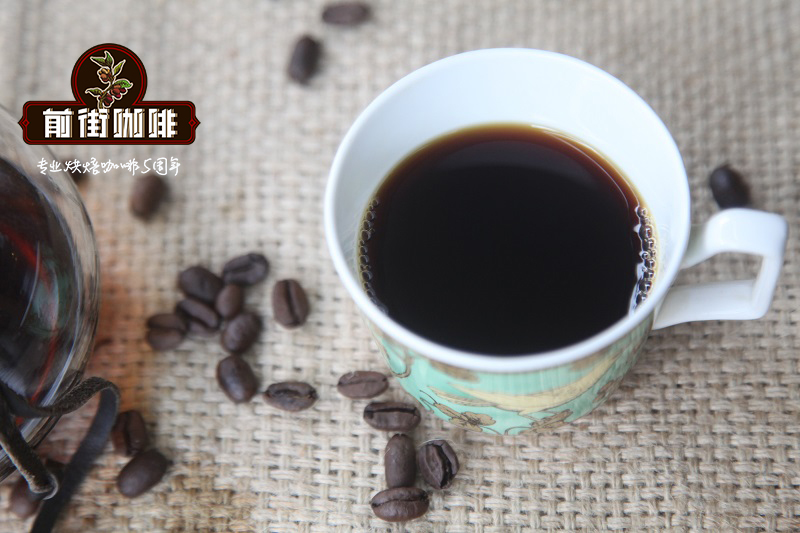
FrontStreet Coffee recommends brewing at 90°C water temperature to bring out the floral and fruity sweetness and the pleasant aftertaste.
About FrontStreet Coffee
FrontStreet Coffee: a roastery in Guangzhou with a small shop but a diverse range of beans, where you can find famous and lesser-known coffees alike, with online store service as well. https://shop104210103.taobao.com
FrontStreet Coffee Recommendation
Ecuadorian coffee is balanced, refreshing and medium-to-dark roast friendly, which makes it a natural fit alongside the espresso blends FrontStreet Coffee keeps in stock. FrontStreet offers five different styles of espresso blend, and every one of them ships within 5 days of roasting so the full flavor reaches you intact. FrontStreet Premium Blend suits homes, offices and boutique neighborhood cafes: combining washed Colombian and semi-washed Brazilian coffee, it shows nuts, dark chocolate and caramel with a comfortable bittersweet edge, and with milk it makes a smooth latte with stable latte art and a rich roasted aroma, while as a Dirty it pours a handsome layer with a dark brown surface.
FrontStreet Commercial Blend is built for cafes of every kind, pairing washed Colombian and semi-washed Brazilian coffee with a small amount of Robusta. The classic Brazil-and-Colombia combination, rounded out by the Robusta, adds layers of toasted bread, almond and walnut to the nut, cocoa and caramel core, with good oil flow, low acidity and a full body - and at its price it is hard to beat for a shop. FrontStreet Black Cocoa Blend, the one so many baristas recommend, works for cafes, bakeries, drink shops and home espresso machines; it marries washed Yunnan small-bean coffee with semi-washed Brazilian for the acidity of ripe plum against a nutty base, and grinding it releases aromas of creamy chocolate and cocoa cookies. The flavor is balanced and the crema has a golden sheen, which makes it a great fit for both shops and home use.
For anyone new to espresso or learning latte art, FrontStreet Classic Blend is the pick. Inspired by the old Mamba recipe of Mandheling and Brazil, this medium-dark three-origin formula adds a small amount of Robusta for aroma and body, lifting the flavor intensity so a beginner can pull an espresso with golden crema at home. And when you have had enough of traditional dark-roast profiles and want an americano or latte without bitterness, FrontStreet Strawberry Candy Espresso Blend is the one: as the name suggests, it is very sweet, and because it is made from three single-origin coffees it carries rose florals, with grape, dried blueberry, sweet orange and fruit-candy notes coming through in both americano and latte.
Important Notice :
FrontStreet Coffee is a long-established specialty coffee roaster in Guangzhou China, selling freshly roasted beans from its own farm in Yunnan as well as dozens of carefully selected single-origin beans from around the world for both pour-over and espresso. The products deliver consistently excellent quality and great value, with shipping within 24 hours. Guangzhou's FrontStreet Coffee shop is recommended by many coffee lovers, and the beans are now available online at the Tmall 。
FrontStreet Coffee has moved to a new address:
FrontStreet Coffee Address: 315,Donghua East Road,GuangZhou
Tel:020 38364473
 Scan and follow the En Gafei WeChat official account. Please indicate that the reprint comes from "En Gafei".