Introduction to Kenyan Coffee Beans - Varieties, Characteristics, Flavors, and Brewing

The Remarkable Contrast Between Kenyan and Ethiopian Coffee
Although Kenya and Ethiopia are neighboring countries in Africa, their coffee flavors are remarkably different. When it comes to Ethiopian coffee, most people immediately think of fresh flavors like citrus, flowers, and tea. Mention Kenya, though, and the characteristic flavors are dark plum, cherry tomato, and caramel — a delightful balance of sweet and sour.
Even on a global scale, Kenyan coffee flavors are exceptionally distinctive. That uniqueness partly stems from Kenya's coffee-growing environment and climate. Kenya falls within the "coffee golden belt," where coffee benefits from ideal conditions, and it is grown mainly in volcanic regions at altitudes between 1,600 and 2,100 meters, stretching from the capital Nairobi to the Kenyan highlands.
Volcanic soil holds abundant trace elements that support coffee growth, and Kenyan volcanic soil in particular is extremely rich in phosphorus, which contributes significantly to the country's distinctive flavors. Now that geography is covered, let's talk varieties — after all, geography alone isn't enough; you need the right plant varieties to produce delicious beans.
The Birth of Kenyan Coffee Varieties
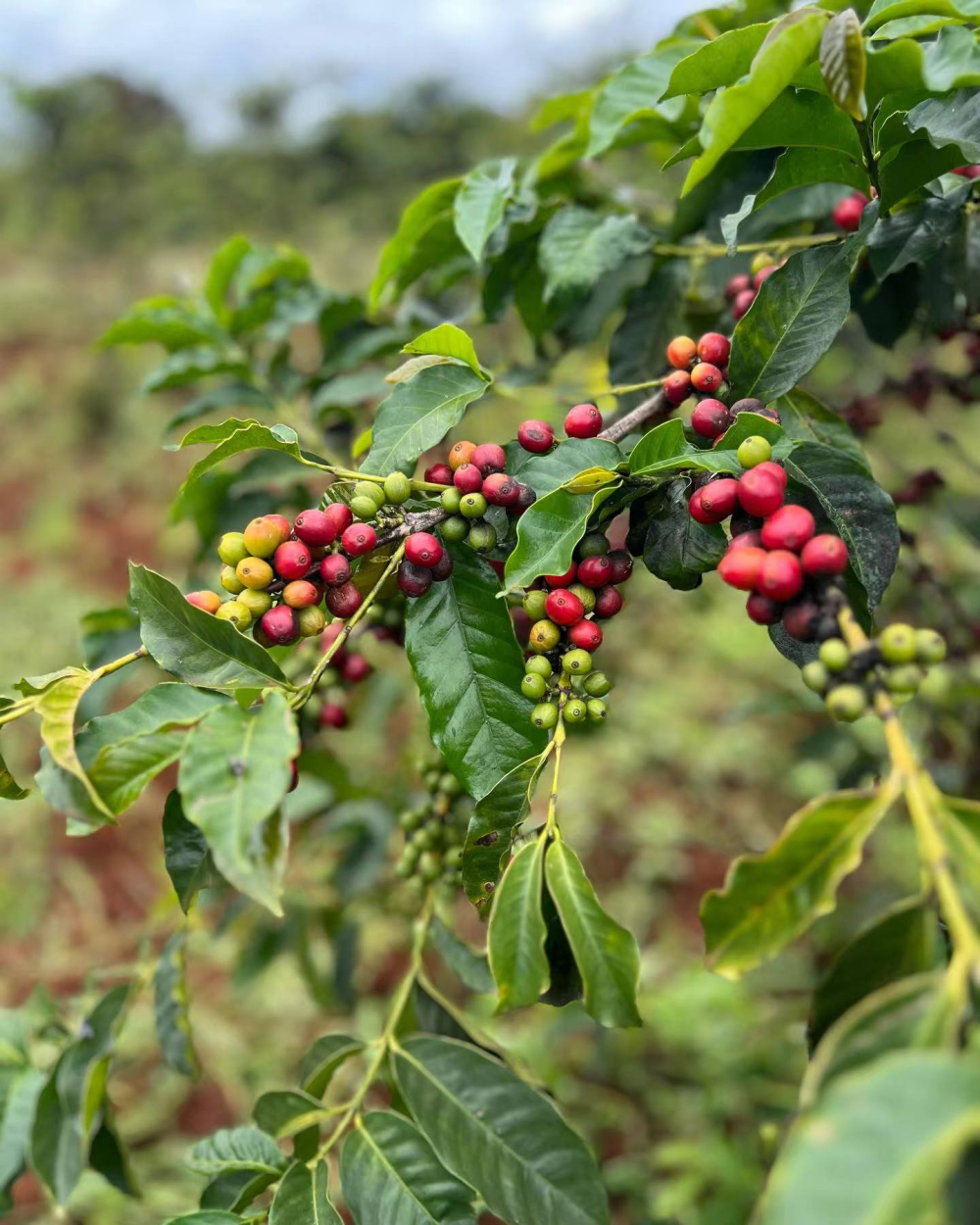
In the late 19th century, French missionaries introduced Bourbon varieties from Réunion Island to Kenya, marking the beginning of Kenya's coffee cultivation history. Kent from India and Typica from Jamaica's Blue Mountain were introduced to Kenya soon after. None of these, however, became the creators of Kenya's legendary flavor profile — the true architects were the varieties that emerged after Bourbon and Typica.
SL28 and SL34
Recognizing that Bourbon and Typica could not carry the torch for Kenyan coffee, the country began seeking superior varieties capable of shouldering the industry's growth. Kenya's coffee research center took action, and between 1935 and 1939 its Scott Laboratories found and cultivated 42 different coffee varieties — a process that took over a decade. In the end, SL28 and SL34 emerged as the standouts from those forty-two candidates.
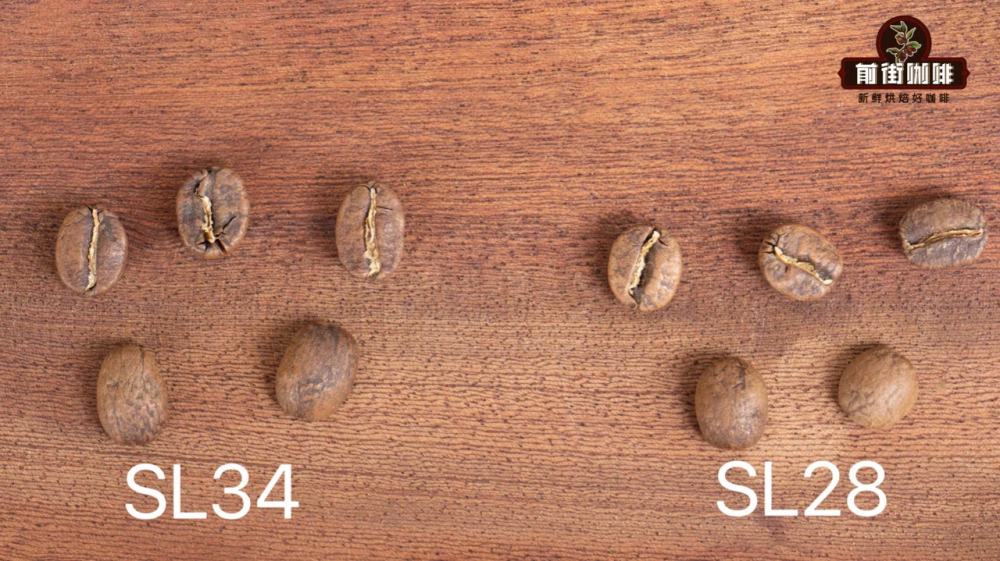
"SL" is an abbreviation for "Scott Laboratory," while 28 and 34 are their respective numbers, which together became their final variety names. Looking at them, one is rounder and smaller while the other is more elliptical and larger — a familiar sight. Unsurprisingly, genetic pairing revealed that the rounder SL28 is a Bourbon mutation, while the larger, elliptical SL34 is a Typica mutation.
They did indeed become the champions carrying Kenya's coffee banner. With the support of Kenya's geography and its unique processing methods, SL28 and SL34 possess not only exceptional acidity but also high-sweetness flavors of snow pear and caramel. It is fair to say that the world's favorable impression of Kenya comes from washed-processed SL28 and SL34.
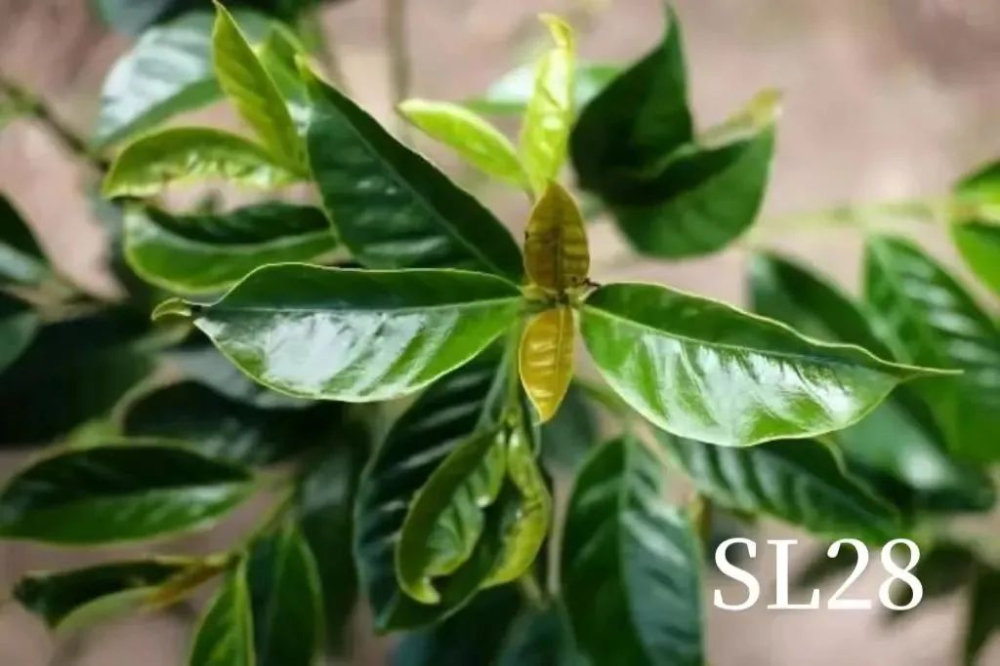
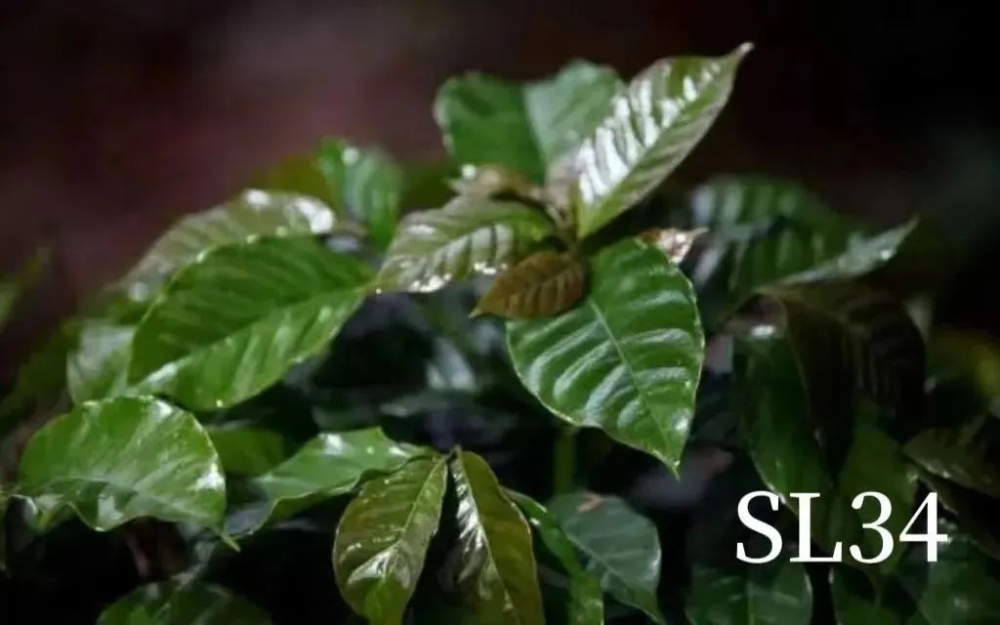
But just when things seemed too perfect, disaster struck. In 1968, pest and disease outbreaks began ravaging Kenya. The disease- and pest-resistant SL28 and SL34 suffered tremendous damage in that disaster, causing Kenya's production to drop by over half. The Kenyan Coffee Research Center had to abandon plans to make them the main varieties and began researching highly disease-resistant varieties to fight the outbreak and minimize losses. It was against that backdrop that Ruiru 11 was born.
Ruiru 11
Ruiru 11 is a completely new variety developed through the painstaking efforts of Kenyan agricultural experts. It was named Ruiru 11 because it was developed at Kenya's Ruiru Laboratory, hence the "Ruiru" prefix. The "11" does not mean it is the eleventh variety; it signifies that it is the first variety developed by Kenyans and that it is a single-cross hybrid, so two "1"s were combined to make "11."
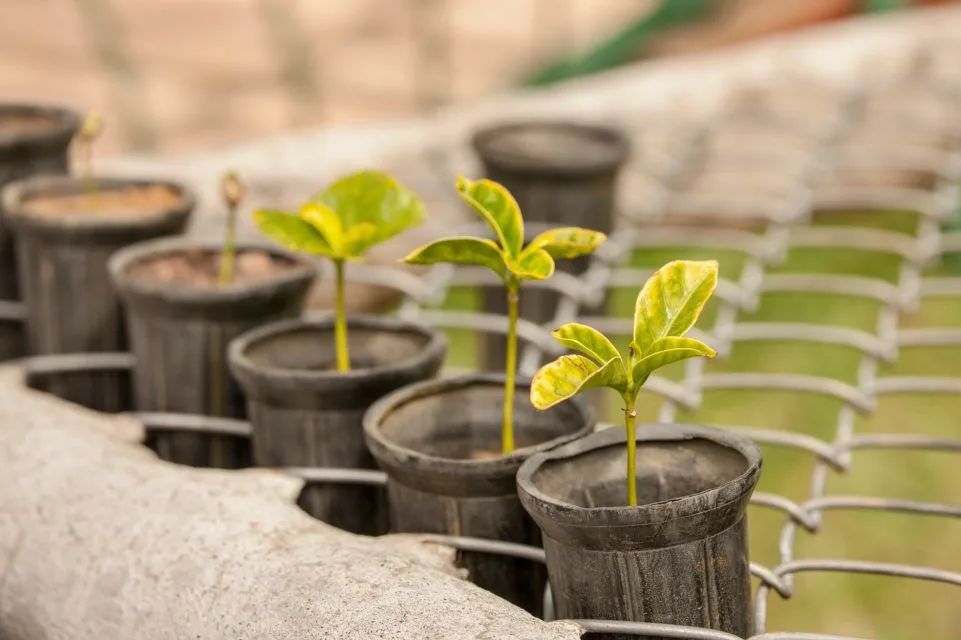
It was bred from several different varieties: Catimor, Sudan Rume, Bourbon, K7, N39, and SL28. Compared with SL28 and SL34, it has much higher disease resistance and significantly improved yields — all thanks to the presence of Catimor genes. Upon its release, Ruiru 11 received strong endorsement from Kenyan authorities.
Unexpectedly, it was not well received by the market. Compared with the sweet-and-sour berry flavors produced by SL28 and SL34, Ruiru 11 offered acidity without sweetness. Put simply: it was just sour, with no complexity beyond the acidity — the negative effect brought by Catimor genes. That made it hard for Ruiru 11 to replace SL28 and SL34 as Kenya's coffee standard-bearers. Facing reality, Kenyan authorities had no choice but to keep investing in research.
Batian
By 2010, the Kenyan Coffee Research Center finally released a variety with high disease resistance, high yield, and good flavor — "Batian." It was named after Kenya's highest peak, and it is a complex variety created by backcrossing Ruiru 11 offspring with SL28 and SL34.
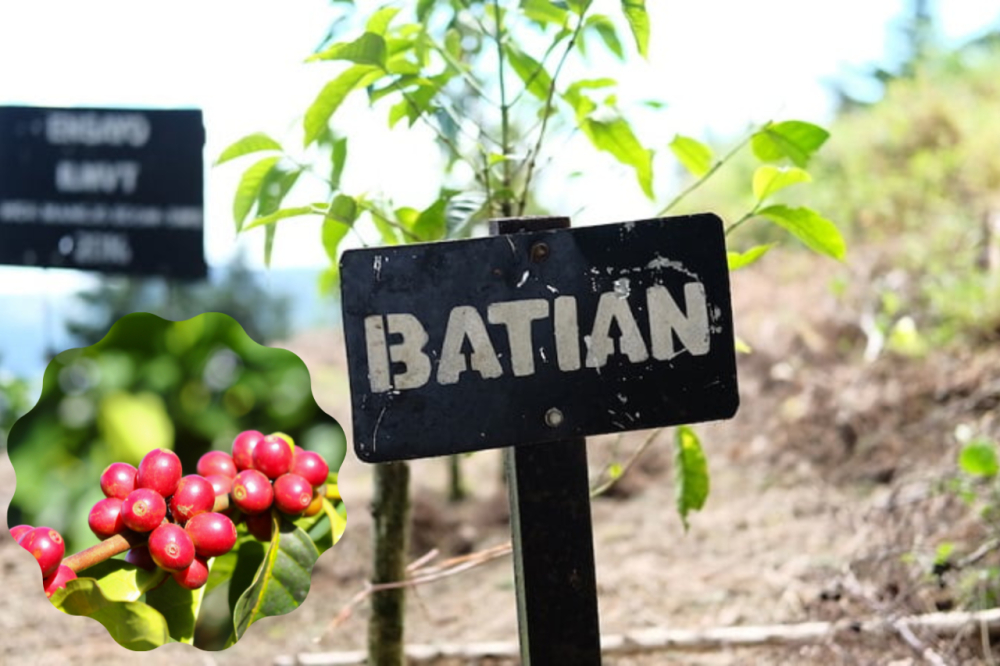
In flavor, it no longer carries the negative woody and earthy tastes brought by Catimor. Instead it shows sugarcane sweetness, cherry tomato, and black plum, redefining how people see new varieties. Though it has not yet surpassed the honor brought by SL28 and SL34, FrontStreet Coffee believes that in the near future Kenya will cultivate new varieties that do. Let's let our taste buds wait and see.
Although FrontStreet Coffee currently carries only one Kenyan coffee, it is composed of the renowned SL28 and SL34 varieties — "FrontStreet Coffee Kenya Asalia," processed using the K72 washed method.
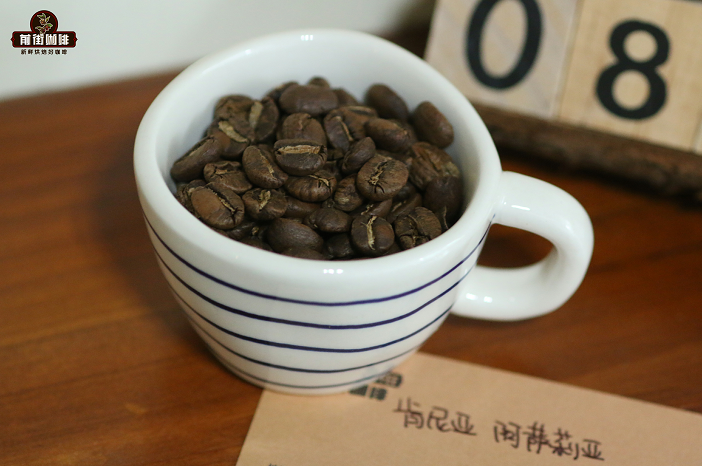
FrontStreet Coffee: Kenya Asalia Coffee Beans
Region: Kenya, Thika Region
Altitude: 1,550-1,750 meters
Varieties: SL28, SL34
Grade: AA
Processing: Washed
Flavor Notes: Dark plum, snow pear, brown sugar, cherry tomato, black plum
FrontStreet Coffee Brewing Recommendations
Recommended Brewing Method: Pour-over
Dripper: V60
Water Temperature: 91-93°C
Coffee Dose: 15 grams
Water Ratio: 1:15
Grind Size: Medium-fine (80% retention on Chinese standard #20 sieve)
Brewing Technique: Multi-stage extraction
Extraction Time: 2'00"-2'15"
Specific Steps: Bloom with 30g of water for 30 seconds. Using a small flow, pour in a circular motion to 125g, then segment. When the water level drops and is about to expose the coffee bed, continue pouring to 225g and stop. End the extraction after all the water has passed through the coffee bed (timing starts from the bloom).
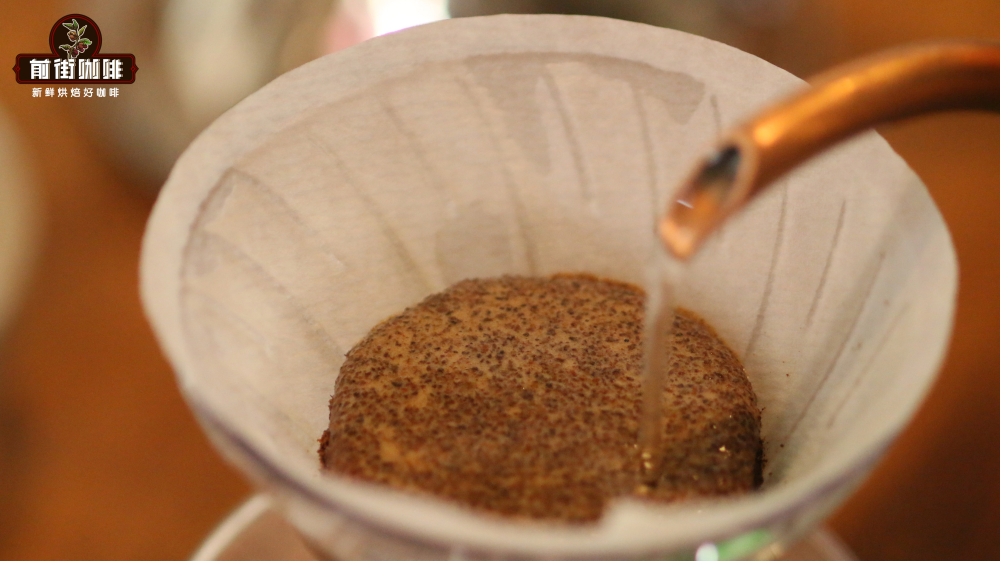
When brewing, FrontStreet Coffee detects rich, dense notes of cherry tomato and dark plum in both the dry aroma and the wet aroma of this Kenya Asalia. The entry is full of stone fruit acidity with elegant floral notes, accompanied by a subtle caramel aftertaste. As the temperature gradually falls, the mouthfeel becomes like snow pear juice — very sweet and smooth. The overall complexity is rich enough that you want to keep drinking after every sip.
FrontStreet Coffee Recommendation
Kenya Asalia stands out precisely because washed, high-altitude coffee at its best is about balance and clarity, and that is also where FrontStreet Coffee Jamaica Blue Mountain No. 1 excels. It is Typica grown between 910-1,700 meters, a medium-dark roast with nut, dark chocolate, creamy caramel, and a soft sweetness, and an acidity, bitterness, and aroma that stay in step. Brew it as a pour-over in a Kono dripper: 15g of coffee at a 1:15 ratio, ground medium-coarse like white sugar, with 87-88°C water — 30g to bloom for 30 seconds, then to 120g, then to 225g.
Important Notice :
FrontStreet Coffee is a long-established specialty coffee roaster in Guangzhou China, selling freshly roasted beans from its own farm in Yunnan as well as dozens of carefully selected single-origin beans from around the world for both pour-over and espresso. The products deliver consistently excellent quality and great value, with shipping within 24 hours. Guangzhou's FrontStreet Coffee shop is recommended by many coffee lovers, and the beans are now available online at the Tmall 。
FrontStreet Coffee has moved to a new address:
FrontStreet Coffee Address: 315,Donghua East Road,GuangZhou
Tel:020 38364473
 Scan and follow the En Gafei WeChat official account. Please indicate that the reprint comes from "En Gafei".