Indonesian Kopi Luwak Price Premium Civet Coffee Cost Characteristics Story
Professional coffee knowledge exchange. For more coffee bean information, please follow Coffee Workshop (WeChat official account: cafe_style).
Introduction to Kopi Luwak: The World's Most Expensive Coffee
Indonesian Kopi Luwak is the world's most unusual and expensive coffee, and the main reason for its price is its production method. This article from FrontStreet Coffee explains why Kopi Luwak costs so much and what it really tastes like.
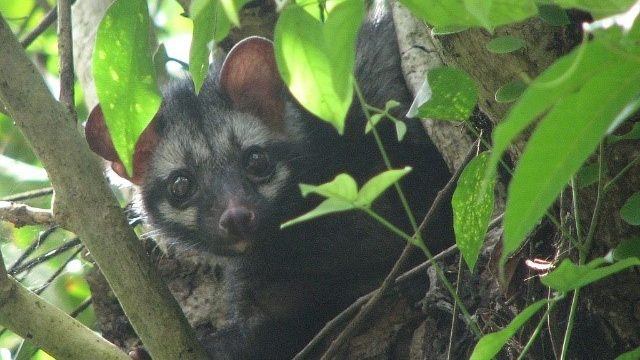
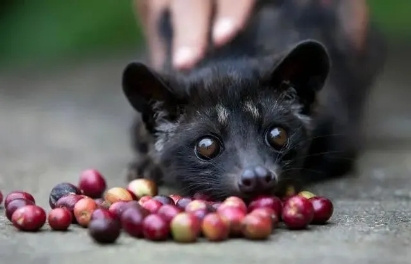
Kopi means coffee in Indonesian, while luwak refers to a ferret-like animal, similar to a cat. Kopi Luwak is therefore commonly known as civet coffee, a name many people recognise.
The Unique Production Process
Kopi Luwak is not a type of coffee so much as a processing method. It is made from partially digested coffee beans that the Asian palm civet has eaten and excreted. Farmers search out civet droppings and collect the beans from them for cleaning and further processing, which is why the coffee is so precious: it cannot be mass-produced.
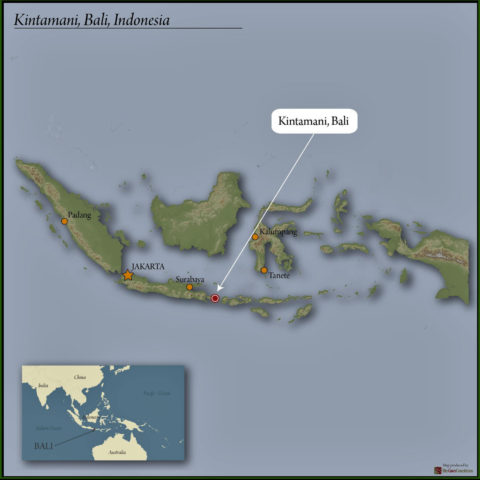
In the 1800s, in the Dutch East Indies, the colonies of Java and Sumatra produced coffee from Arabica plantations. The Dutch forbade local workers to pick fruit from the coffee trees themselves but allowed them to collect beans that had fallen to the ground. The locals soon learned that civets ate the fruit and left undigested seeds in their droppings, so they collected, cleaned, roasted and ground those beans for their own use, and the practice eventually spread across the colony. Because producing the coffee by hunting for wild civet droppings took so much time, it became an extremely expensive commodity. Sources say that until tourism flourished in Bali, this delicacy attracted still more interest and demand.
Factors Behind the High Price
The price is high because the traditional method requires enormous energy and time. Farmers search forests and farmland, collecting only five to six beans from each dropping. They say the best time to find droppings is early morning, since civets are nocturnal. Imagine how long it takes to gather enough beans for production when there is no automatic or efficient way to collect or clean them. The cleaning itself is extremely arduous, and foodborne illnesses often originate from faecal contamination. This may be the most faeces-contaminated food I can think of.
Farmers on Indonesian plantations describe their cleaning process: "After collection, we wash the yellow beans, remove the outer shell, and then sun-dry them in Indonesia. After drying, we wash them a second time to make sure all the outer shell is gone. At that point we dry the beans again. Finally, just before preparing them for shipment, we roast the coffee at 220 degrees Celsius. At such temperatures, bacteria cannot survive."
The Unique Flavor Profile
Another reason Kopi Luwak is so expensive is its unique and inimitable flavour. It is noticeably non-bitter and very aromatic, with a complex profile that is smooth, earthy and sweet with a hint of chocolate.
FrontStreet Coffee holds that the appeal of Kopi Luwak depends first on the region. In Indonesia, Arabica is grown at high altitude and Robusta in the lowlands, so Kopi Luwak collected at low altitude cannot be of excellent quality. Only at high altitude, where civets select and eat Arabica cherries, will quality be superior. Second comes the difference between wild and captive civets. Wild civets are omnivores, and the lactic acid bacteria in their digestive tracts cannot be imitated by captive animals. Wild civets also choose fully ripe fruit, which screens for high-quality beans.
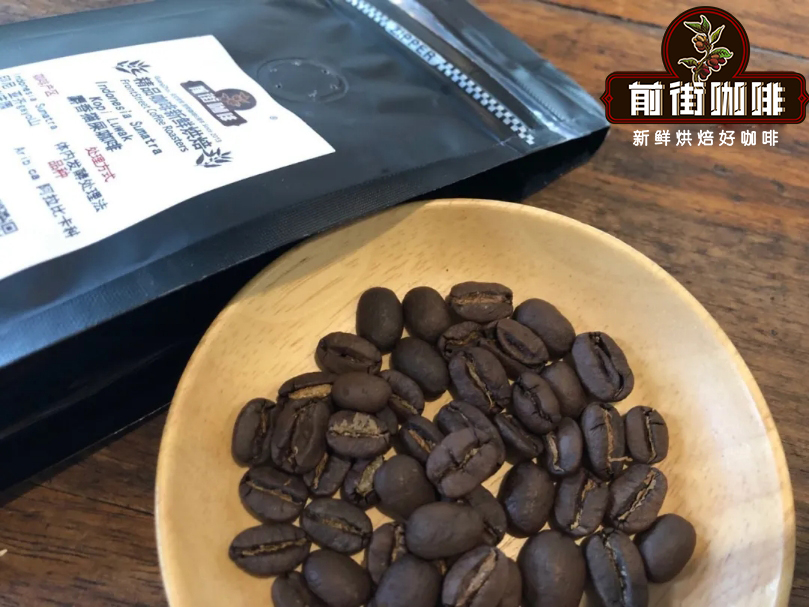
FrontStreet Coffee's Indonesian Kopi Luwak
Origin: Sumatra, Indonesia
Variety: Arabica
Processing Method: Fermented in the civet's digestive system
Grade: G1
FrontStreet Coffee's Brewing Recommendations
To express the herbal flavours and rich body of Kopi Luwak, FrontStreet Coffee uses a medium-dark roast. Medium-dark beans generally lose more moisture and are lighter in weight. During brewing the grounds do not settle completely at the bottom; they absorb water the moment it is poured. Because outgassing is vigorous, bubbles form around the grounds and create channels, and the fresher the beans the longer those channels last, which makes the water level drop quickly. I generally use a coarse water flow and circle slowly.
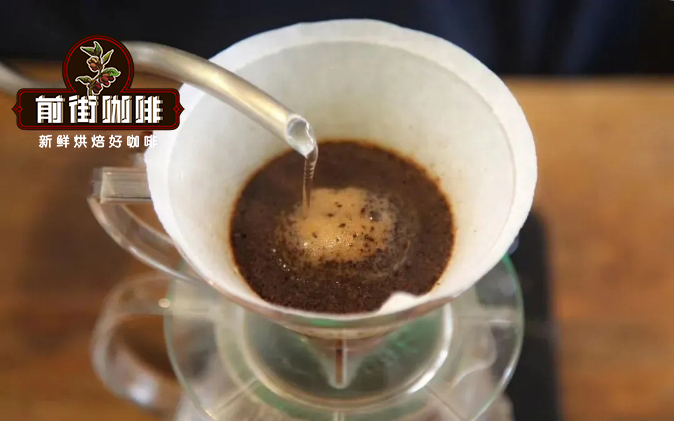
For Kopi Luwak, FrontStreet Coffee chooses the KONO dripper, whose only exhaust area is the quarter-rib design. Once the water level passes the ribs, the volume in the dripper keeps rising and builds pressure through the weight of the water. Because the outlet is relatively small, the contact time between coffee particles and water is extended, and as the water flows it extracts soluble material more effectively, generally achieving the high body richness customers expect.
Brewing Parameters: Water temperature 86-87°C, Grind size: BG#6w, Coffee-to-water ratio: 1:15 (15 g coffee to 225 ml water)
Brewing Steps:
1. First pour: 30 g of water, bloom for 25 seconds.
2. After the bloom, pour the second portion until the scale reads 125 g. Then wait for the water level to drop by half.
3. When the coffee bed is about to be exposed, pour the third portion until the scale reads 225 g. Total extraction time is approximately 1:50 to 2:00.
Flavor Description
Kopi Luwak flavour profile: herbal and nutty, with a smooth texture and rich body.
For more specialty coffee beans, please add FrontStreet Coffee's private WeChat account: kaixinguoguo0925
FrontStreet Coffee Recommendation
Civet coffee is an extreme, and it is not the only remarkable coffee Indonesia produces. FrontStreet Coffee's Mandheling, from the Lake Toba area of the Lintong region in Sumatra, is the most representative Indonesian coffee: moderate acidity, an extremely rich aroma and a thick, full body. It is processed by wet hulling, and to show the classic Mandheling profile it is medium-dark roasted for low acidity and full body, carrying caramel, dark chocolate and toasted-bread aroma with a long sweet finish.
For the finest expression of the same tradition, FrontStreet Coffee's PWN Golden Mandheling is the flagship. PWN applies strict green bean standards and removes defects through one machine selection and three hand selections, so the beans are even, plump, large and bright with a low defect rate. Freshly roasted, it shows sandalwood, herbs, spice, roasted hazelnut, caramel and dark chocolate, clean and layered, with a sweet, mellow body that suits both daily drinking and gifting.
If you prefer espresso, FrontStreet Coffee's Classic Blend follows a Taiwanese idea from the days before light roasts: a Mandheling and Brazil blend that combines Mandheling's wild character with Brazil's smooth mouthfeel, the nutty sweetness balancing Mandheling's stronger bitterness and herbal notes. A small amount of Robusta is added, and the coffee is dark roasted so that the dark chocolate, nut and caramel aromas come through fully.
Important Notice :
FrontStreet Coffee is a long-established specialty coffee roaster in Guangzhou China, selling freshly roasted beans from its own farm in Yunnan as well as dozens of carefully selected single-origin beans from around the world for both pour-over and espresso. The products deliver consistently excellent quality and great value, with shipping within 24 hours. Guangzhou's FrontStreet Coffee shop is recommended by many coffee lovers, and the beans are now available online at the Tmall 。
FrontStreet Coffee has moved to a new address:
FrontStreet Coffee Address: 315,Donghua East Road,GuangZhou
Tel:020 38364473
 Scan and follow the En Gafei WeChat official account. Please indicate that the reprint comes from "En Gafei".