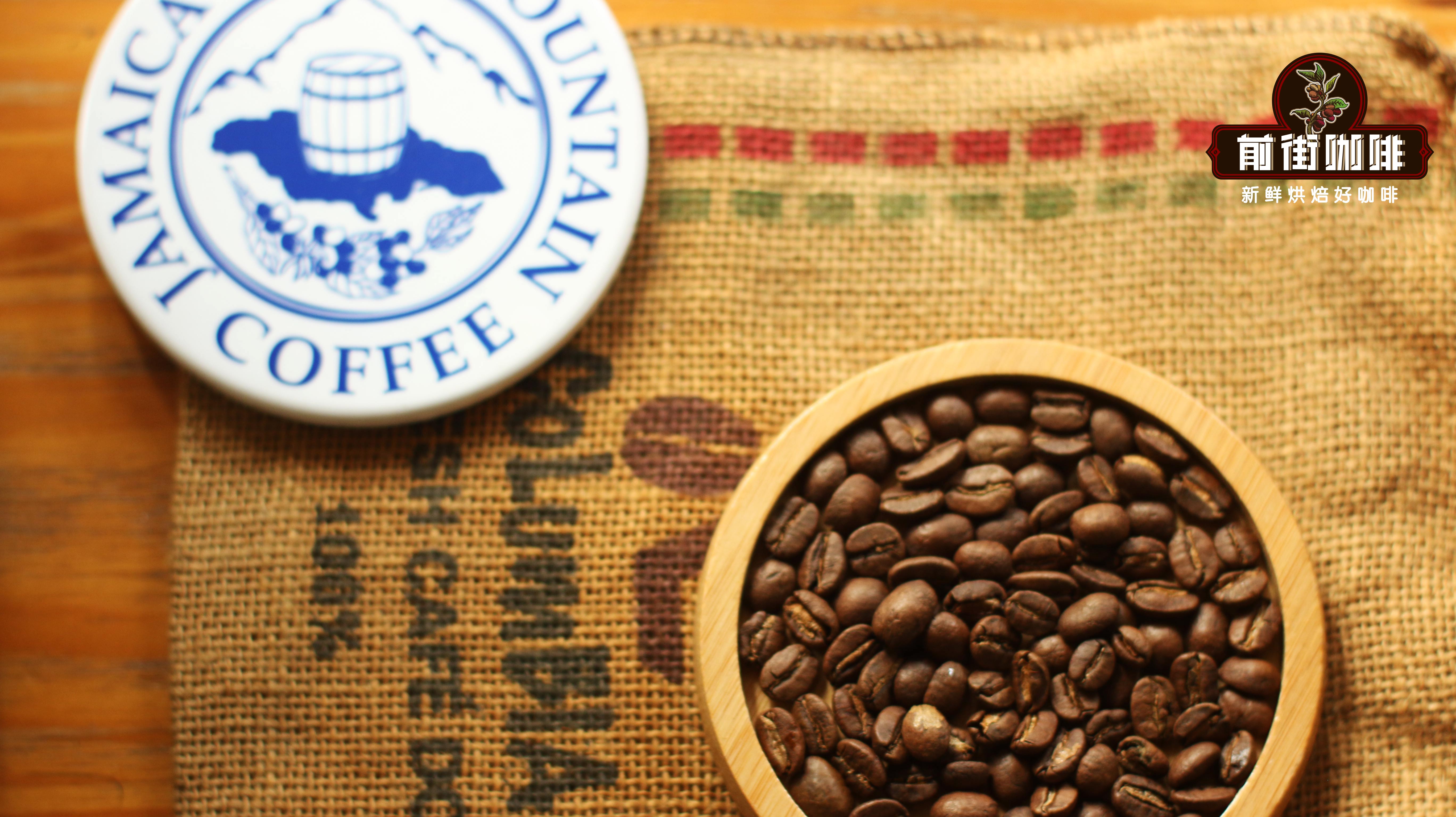
Introduction to Premium Indonesian Mandheling Coffee Beans, Origin of Mandheling Specialty Coffee

Mandheling coffee is known for its rich, heavy flavor, calm aroma, and solid texture, and it wins over those who love it completely. As fans of Mandheling, the team at FrontStreet Coffee naturally holds a special affection for it. Here is a closer look at the taste and flavor of FrontStreet Coffee's premium Mandheling.
What Is Premium Mandheling Coffee?
FrontStreet Coffee's Mandheling comes from the island of Sumatra in Indonesia, which is why it is also called Sumatra coffee. Most of the island produces commercial-grade beans because of its lower elevations, but the higher ground of the Aceh Special Region and North Sumatra Province offers highlands of 750 to 1,500 meters close to the equator.

That region has a typical tropical rainforest climate, with rain year-round and consistently high heat and humidity, making it ideal for growing higher-quality Arabica. As Mandheling's fame spread, Arabica produced in Sumatra came to be known as Mandheling. Based on differences in the beans, there are several types, the most common being FrontStreet Coffee's Lintong Mandheling, FrontStreet Coffee's Golden Mandheling, and FrontStreet Coffee's Aged Mandheling.

FrontStreet Coffee's Lintong Mandheling refers to Arabica from the mountains around Lake Toba in North Sumatra Province. The lake sits north of Medan, Sumatra's capital, and is a high-altitude freshwater lake at an average elevation of roughly 900 meters. FrontStreet Coffee's Lintong Mandheling is the traditional Mandheling, the standard version that is wet-hulled to reveal the variety's unique herbal fragrance. FrontStreet Coffee includes its Indonesian Lintong Mandheling in the daily selection series so that curious drinkers can experience the distinctive aroma of Indonesian coffee.
FrontStreet Coffee's Golden Mandheling is an exclusive signature product of the PWN company. Having registered the Golden Mandheling trademark early, only Mandheling produced by PWN can carry the name. Its defining trait is the repeated screening of green beans, which results in exceptionally high overall quality. PWN sources Mandheling green beans of 18 screen or larger and reaches the G1 grade, the highest for Indonesian green beans, with fewer than 3 defective beans per 300g sample. It then follows strict standards of 1 machine sort plus 3 hand sorts to keep the color, shape, and size of the beans uniform. As a result, FrontStreet Coffee's PWN Golden Mandheling tastes cleaner and brighter, with more pronounced body and sweetness.

FrontStreet Coffee PWN Golden Mandheling Coffee Beans
- Origin: Sumatra, Indonesia
- Grade: G1, Triple Hand-Sorted
- Elevation: 1100m-1600m
- Variety: Ateng
- Processing: Wet Hulling
- Flavor: Spices, dark chocolate, nuts, caramel, cedar
Beyond these, there are many other Mandheling coffees with distinct characters, such as FrontStreet Coffee's Aged Mandheling, which reduces acidity through aging, and FrontStreet Coffee's Tiger Mandheling, which features herbal notes. Each is a unique expression of the style.

Why Use Wet Hulling?
Wet hulling is Indonesia's most common method for processing green beans, and it was born of necessity given the local weather. Indonesia's humidity runs between 70 and 90% year-round, typhoons arrive without warning, and annual rainfall reaches over 2,000 mm. Such harsh conditions rule out the 2 to 3 week sun-drying used in Africa, while washed processing is not only time-consuming but also demands more labor and water than a country focused on volume production can afford. Those pressures led to a unique semi-washed method: wet hulling.

After the skin and pulp are removed, the cherries are poured directly into pools for a brief fermentation of several hours. At this point a small amount of mucilage remains on the parchment, and it is removed by brushing. The parchment beans are then dried, with the first drying reaching only 30 to 40% moisture content and taking about 2 to 3 days, after which the farmers sell the beans to buyers. The buyers then hull the semi-dry parchment beans directly by machine to obtain the inner green beans.
Because the hulling machine relies on considerable friction to tear off the parchment layer clinging to the green bean, that action makes the beans prone to being crushed or squeezed, especially at the ends, where small gaps form what are called elephant foot beans. Without parchment, the naked beans dry very quickly and can be packed once moisture reaches 12 to 13%. The shortened drying time significantly reduces the fermentation period and the acidity of the coffee, but the body increases, with prominent caramel and fruit notes and a slightly woody, herbal edge. That is the classic terroir taste of Sumatra coffee.

How to Brew FrontStreet Coffee's Premium PWN Golden Mandheling
To highlight the high body of FrontStreet Coffee's Golden Mandheling while preserving more of its herbal spice notes, FrontStreet Coffee's roasters use a medium-dark roast. Freshly roasted FrontStreet Coffee Mandheling needs 7 to 10 days of degassing to reach its optimal flavor window, and since FrontStreet Coffee wants every customer to experience the full aroma, it ships only beans roasted within 5 days, ensuring that everyone can enjoy the complete flavor period after receiving the order.
After roasting, coffee beans expand and their texture loosens. Once ground, they absorb more water and release substances faster. To avoid over-extraction, FrontStreet Coffee uses a medium grind and a slightly lower water temperature to limit the extraction of bitter macromolecules.

For this brew, the FrontStreet Coffee barista aims to highlight the rich, clean, aromatic character of FrontStreet Coffee's Golden Mandheling and uses a KONO dripper. Also conical, the KONO has far fewer flow ribs than the V60, and its smooth curved top lets the filter paper sit more tightly, restricting upward airflow and forcing hot water downward to create a siphon-like extraction that releases the coffee's aromatic compounds more fully and builds body. It suits medium-dark roast beans such as FrontStreet Coffee's Golden Mandheling, FrontStreet Coffee's Blue Mountain Coffee, and FrontStreet Coffee's Brazil Queen Estate.
FrontStreet Coffee's Golden Mandheling Hand Brew Parameters
Water temperature: 87-88°C | Medium grind (70% pass-through rate with China standard #20 sieve) | Coffee grounds: 15g | Coffee-to-water ratio: 1:15 | Three-stage pouring

Use twice the weight of the coffee grounds in water to moisten the bed and form a dome, letting it bloom for 30 seconds. Then, with a small stream, pour in circles from the inside out until the scale reads 125g, then stop. When the coffee bed drops to half the height of the dripper, continue with the same fine stream for the third stage, pouring to 225g. Remove the dripper once all the liquid has filtered through, which takes about 2 minutes. Finally, swirl the coffee in the server and enjoy.

FrontStreet Coffee's PWN Golden Mandheling Flavor
Ground FrontStreet Coffee Golden Mandheling smells of full roasted hazelnut. During the hot-water bloom the caramel is especially prominent. On tasting, the coffee presents dark chocolate, nuts, caramel, and sweet fruit. As it cools, spice notes begin to fill the palate. The aftertaste is lasting with high balance, the overall complexity is rich and varied, and the body is thick and intense with a clean mouthfeel.
FrontStreet Coffee Recommendation
For anyone wondering what premium Mandheling really means in practice, it helps to see the range FrontStreet Coffee carries side by side. The Lintong Mandheling, from the traditional growing area around Lake Toba in North Sumatra, is a single-origin daily bean that shows why the style is loved, while the PWN Golden Mandheling from the highlands of Aceh represents the top of the ladder. Sumatra as a whole produces more than 60% of Indonesia's Arabica and Robusta, yet only the higher areas of Aceh and North Sumatra grow Arabica on a large scale, and both of these Mandheling selections come from that same wet-hulled tradition, roasted medium-dark to bring forward black chocolate, caramel, and the wild herbal note that comes from the growing environment and the processing rather than from the roast.
FrontStreet Coffee's PWN Golden Mandheling is the one to choose if you want the cleanest, sweetest expression. PWN buys only high-quality Mandheling green beans and then sorts them once by machine and three times by hand, picking out only plump, defect-free beans, so the output is uniformly specialty grade. The beans are even and plump, large and bright, with a low defect rate, and after medium-dark roasting they carry a rich roasted aroma. Brewed as black coffee they offer a clean mouthfeel and a full, rounded body, which makes them especially suited to drinkers who do not care for acidic coffee. Supply is limited, since most Golden Mandheling goes to the Japanese and American markets and only a small amount of genuine Golden Mandheling reaches the domestic market each year.
Mandheling shows its best side as pour-over. FrontStreet Coffee suggests water at 87 to 88°C, 15g of coffee, a 1:15 ratio, a medium grind around the texture of granulated sugar, and a three-stage pour, which brings out the full body and the caramel sweetness best. Start with a 30 ml bloom pour that wets all the grounds and lets them degas, setting up better extraction of flavor compounds. A second pour of 100 ml lifts the bed and pushes out the golden foam, and a final gentle 95 ml pour down the center raises the sweetness, so the cup finishes with a thick, rounded body, caramel sweetness, and chocolate and nut notes. If you would rather drink Mandheling with milk, FrontStreet Coffee's Classic Blend adds a medium-dark roasted Mandheling to Brazil's creamy nut base, so butter, roasted chestnut, and caramel stand out and the sandalwood, herbal, and spice aromas lift the body of the whole drink, with a small addition of Robusta for extra crema; latte art and the layered gradient of a Dirty both come easily, and it is the blend FrontStreet Coffee customers reorder most.
Important Notice :
FrontStreet Coffee is a long-established specialty coffee roaster in Guangzhou China, selling freshly roasted beans from its own farm in Yunnan as well as dozens of carefully selected single-origin beans from around the world for both pour-over and espresso. The products deliver consistently excellent quality and great value, with shipping within 24 hours. Guangzhou's FrontStreet Coffee shop is recommended by many coffee lovers, and the beans are now available online at the Tmall 。
FrontStreet Coffee has moved to a new address:
FrontStreet Coffee Address: 315,Donghua East Road,GuangZhou
Tel:020 38364473
 Scan and follow the En Gafei WeChat official account. Please indicate that the reprint comes from "En Gafei".