How to Make Espresso: Brewing Methods, Flavor Characteristics, and the Art of Enjoying Italian Espresso Coffee
For professional coffee knowledge exchange and more coffee bean information, please follow Coffee Workshop (WeChat public account: cafe_style). For more premium coffee beans, please add FrontStreet Coffee's private WeChat account: qjcoffeex
In Italian, espresso means "made quickly for you." A barista needs roughly a minute to pull a cup, and a guest finishes it in three small sips. Both the making and the drinking are fast, which is why people are used to standing at the bar, drinking, and leaving right away. If you want to sit down and savor it slowly, an extra service charge may apply.
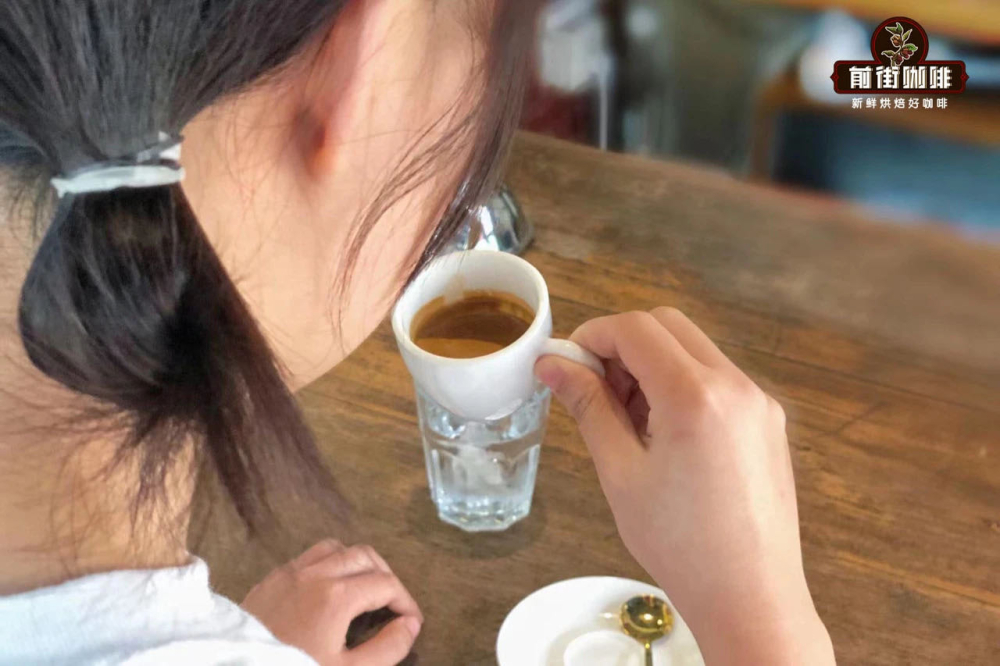
Of course, when you order an espresso in a café at home, you are welcome to sit and enjoy it — though it is still best finished in just a few sips.
Why Should Espresso Be Drunk Quickly?
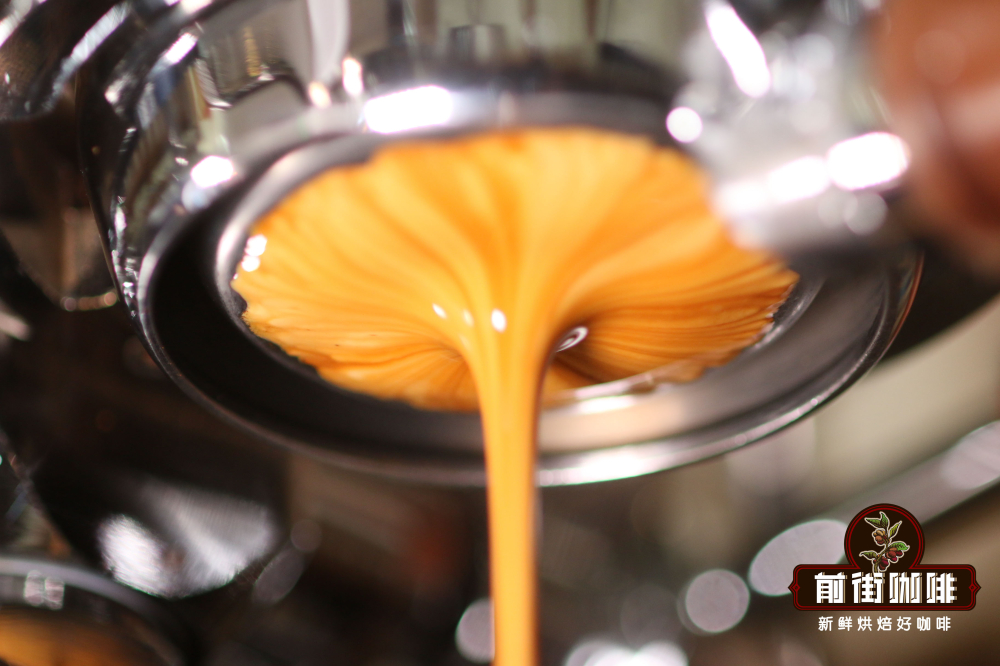
What makes espresso so addictive, beyond the intense flavor and body that jolt you awake, is the smooth, delicate layer of crema resting on top.
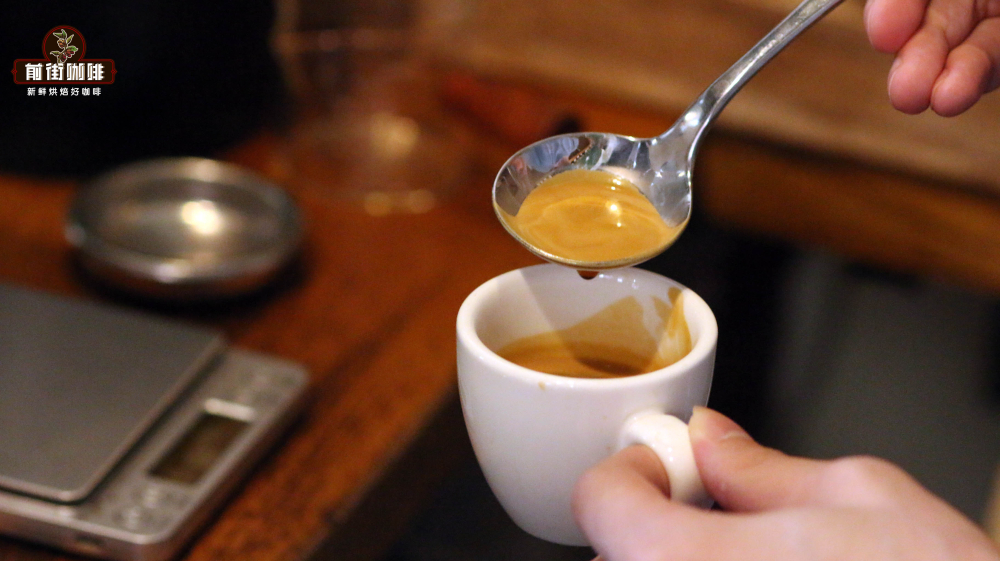
That crema, however, is not simply oil: it is mostly foam formed by carbon dioxide. As espresso drips into the cup, the carbon dioxide escapes back into the air and the foam dissipates quickly. This is exactly why an Italian espresso is meant to be drunk promptly.
How Do You Extract an Espresso with Rich Crema?
Only freshly roasted, freshly ground medium-dark roast beans can produce that inviting golden crema. Crema forms in a sealed, pressurized environment where the bean oils and carbon dioxide fuse together before being forced out by the water, creating a fine, smooth foam.
The longer beans are roasted, the more carbon dioxide they generate and hold, and the more rich, full-bodied compounds they develop. When you extract espresso under pressure with light roast beans, their natural acidity is amplified by concentration and turns sharp and sour, while the thin body leaves the mouthfeel hollow.
Just as important, espresso depends on beans that hold their quality and flavor steadily over time. FrontStreet Coffee therefore suggests choosing blended beans made specifically for espresso extraction.
Single-origin beans used for espresso are shaped by each year's climate and terroir, and their flavor grows less stable as time passes after roasting. Blends, by contrast, are the work of roasters who understand how beans from different regions behave; they balance the cup by combining regional coffees in proportions that play each one's strengths against its weaknesses.
Drawing on what most consumers enjoy in coffee, FrontStreet Coffee has developed four FrontStreet espresso blends. Whatever your taste, there is a FrontStreet espresso blend to match.
For Lovers of Distinctive Coffee Flavor
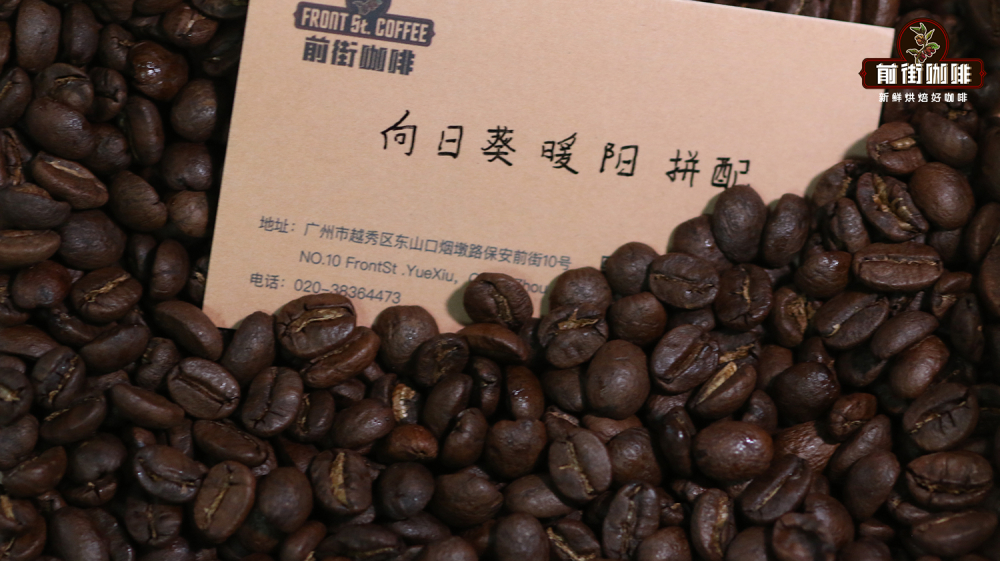
Choose "FrontStreet Sunshine Blend Coffee Beans." Composed of FrontStreet Ethiopia Natural Red Cherry Coffee Beans (30%) + FrontStreet Honduras Sherry Barrel Coffee Beans (70%), it delivers a rich wine aroma, vanilla cream, a sweet-and-tart berry note, and roasted nut flavors.
For Nutty Flavor Enthusiasts
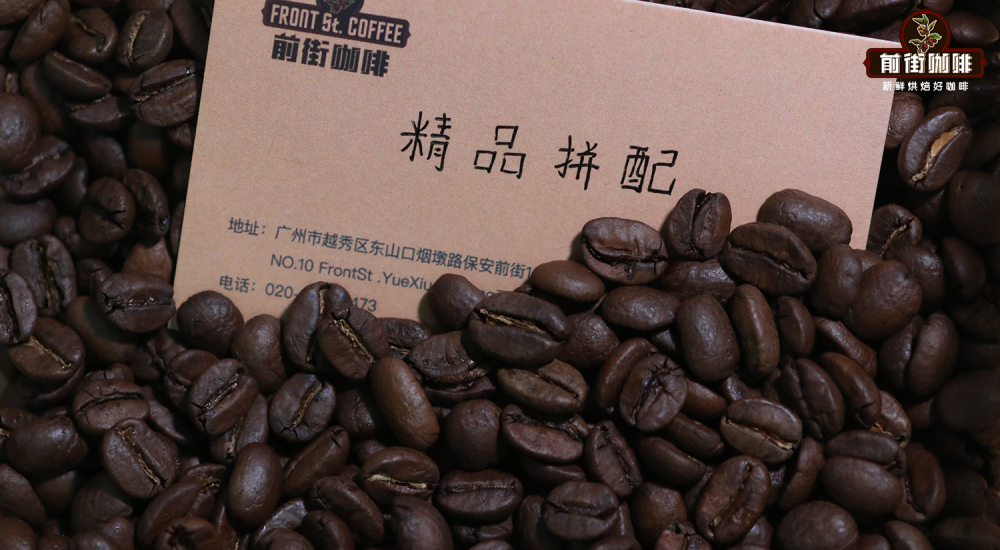
Choose "FrontStreet Premium Blend Coffee Beans." Made from Colombian Washed Coffee Beans (30%) + Brazilian Semi-Washed Coffee Beans (70%), it presents nutty, dark chocolate, and caramel flavors. This FrontStreet premium espresso blend is also very well suited to everyday café production.
For Those Who Prefer a Richer, Fuller Cup
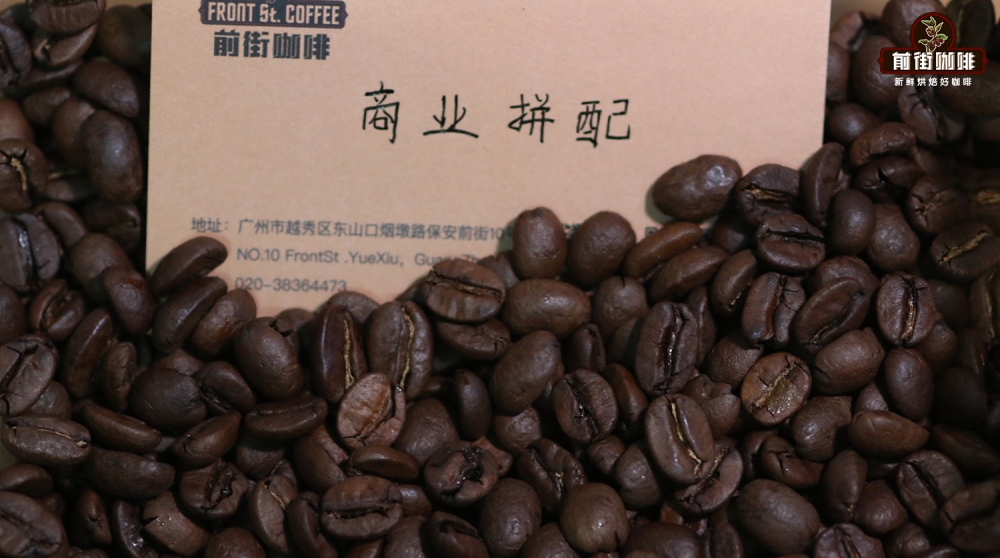
Choose "FrontStreet Commercial Blend Coffee Beans." Composed of Robusta Washed Coffee Beans (10%) + Colombian Washed Coffee Beans (30%) + Brazilian Semi-Washed Coffee (60%), it delivers nutty, cocoa, and caramel flavors and meets the needs of day-to-day shop operation.
For Nutty Notes with a Hint of Fruit Acidity
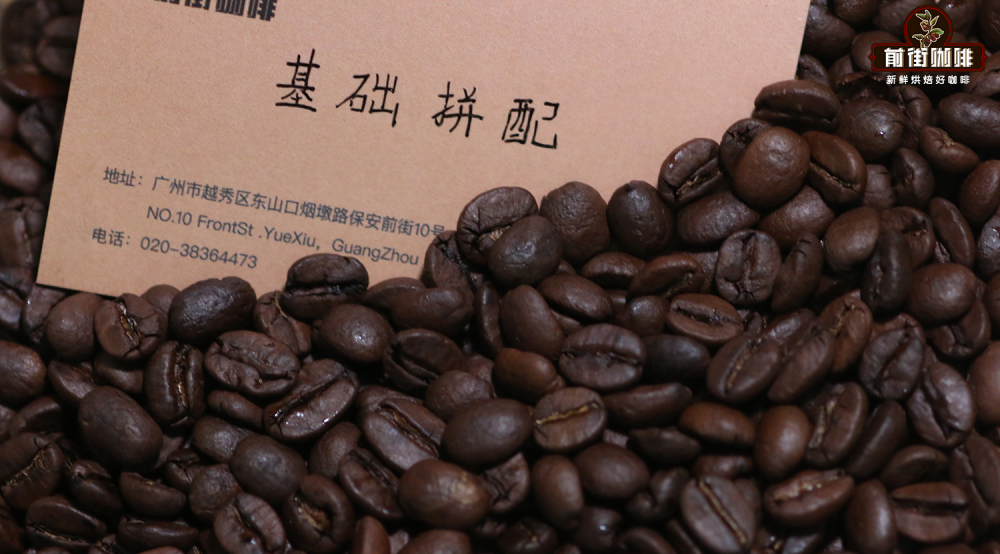
Choose "FrontStreet Basic Blend Coffee Beans," 50/454g: Yunnan Washed Arabica Coffee Beans (30%) + Brazilian Semi-Washed Coffee Beans (70%), offering a gentle fruit acidity with caramel and nut flavors. This cost-effective FrontStreet basic espresso blend suits shop and home users who prioritize cost and have moderate flavor requirements.
How Do You Extract Espresso?
When you order espresso, you will notice options such as one shot or double shot. What exactly is a shot, and how do one shot and double shot differ?
One shot versus double shot: a single shot is one espresso, while a double shot is a double espresso. The two serving sizes call for different doses of ground coffee and different extraction times.
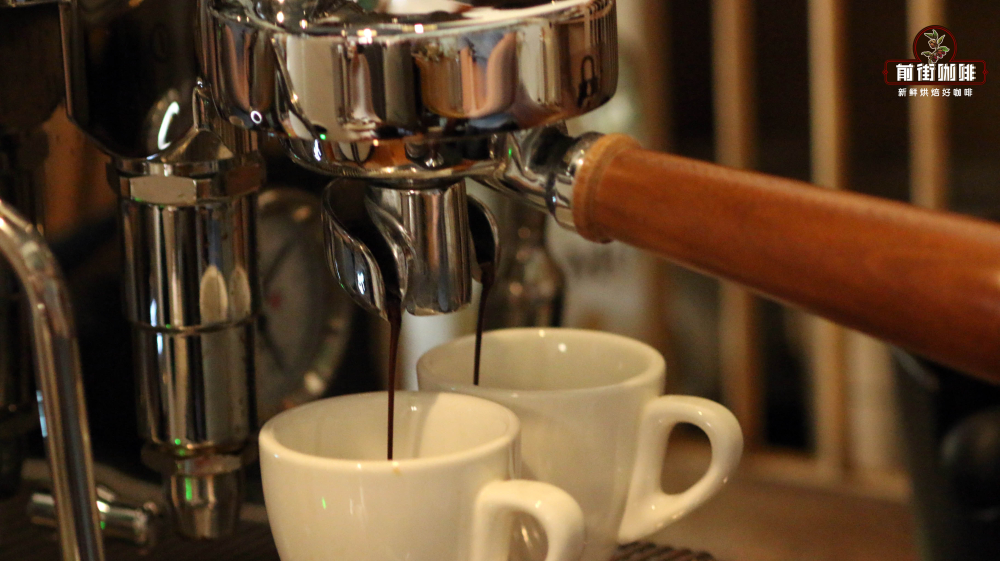
According to Specialty Coffee Association (SCA) standards, a single espresso uses 7–9 grams and a double espresso uses 14–18 grams of coffee grounds to extract 25–35g of liquid in 20–30 seconds, at an extraction pressure of 9–10 bar and a water temperature between 90–96°C. Every café adjusts these figures up or down to suit its beans and equipment.
FrontStreet Coffee uses its own Sunshine Blend, which has a gentle fruit acidity and a charming fermented wine aroma. The extraction water temperature is therefore set at 94°C, with extraction pressure held at 10 bar.
FrontStreet Coffee's shop pulls a single espresso from about 10 grams of grounds to yield roughly 20g of liquid, and a double from about 20 grams of grounds to yield roughly 40g. A single espresso uses a single basket and single-spout portafilter to extract one serving at a time, while a double espresso uses a bottomless basket and bottomless portafilter to extract two servings in a single extraction.
FrontStreet Coffee Recommendation
If you are chasing a thick, glossy crema, FrontStreet's Classic Blend is the surest bet in the lineup. Built for espresso machines and moka pots alike, it draws out a dense, velvety crema even on an unassuming home setup — the foundation of a good latte, cappuccino, or Dirty. On the traditional Mamba recipe, its body is full and mellow, making it as easy for a first-timer to enjoy as it is for a seasoned drinker, and it is just as at home behind a café bar as on a kitchen counter.
Prefer a single-origin shot? FrontStreet's Brazil Queen's Estate SOE is a fine choice. A yellow Bourbon from Brazil, it carries a soft, low-acidity profile with chocolate, nut, and cream aromas — a balanced structure that makes extraction reassuringly stable. Roasted medium-dark and pulled on an espresso machine, it shows butter cookie, macadamia, and toasted bread notes wrapped in a creamy sweetness.
Important Notice :
FrontStreet Coffee is a long-established specialty coffee roaster in Guangzhou China, selling freshly roasted beans from its own farm in Yunnan as well as dozens of carefully selected single-origin beans from around the world for both pour-over and espresso. The products deliver consistently excellent quality and great value, with shipping within 24 hours. Guangzhou's FrontStreet Coffee shop is recommended by many coffee lovers, and the beans are now available online at the Tmall 。
FrontStreet Coffee has moved to a new address:
FrontStreet Coffee Address: 315,Donghua East Road,GuangZhou
Tel:020 38364473
 Scan and follow the En Gafei WeChat official account. Please indicate that the reprint comes from "En Gafei".