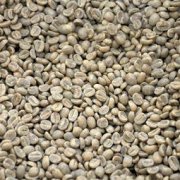
South American Coffee Beans - Premium Coffee Bean Recommendations
FrontStreet Coffee · El Salvador
Constant volcanic activity has showered El Salvador with mineral-rich volcanic ash. That ash-based soil holds plenty of minerals but little organic matter, so Salvadoran farmers fertilize under their coffee trees with processed coffee pulp residue and other organics to keep the soil fertile. The result is coffee trees producing beans of harmonious, balanced flavor.
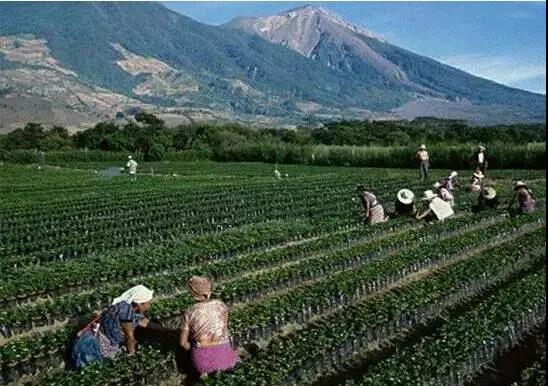
El Salvador's most significant contribution has been pioneering organic agriculture, growing over 150,000 tons of organic coffee a year. The country has six major producing regions, mostly on high mountain slopes or plateaus above 1,200 meters and blanketed in volcanic ash. Harvest runs from November to April. Because coffee prefers mild climates, Salvadoran trees are mostly grown under tall shade trees - shade-grown coffee - to avoid excessive heat and direct sun that would damage bean quality.
The beans are Arabica, mainly Pacas and Bourbon. They run large, and FrontStreet's El Salvador lots are sweet with excellent mouthfeel.
FrontStreet Coffee · Nicaragua
Nicaraguan coffee comes mainly from the country's center and north. Widespread volcanic ash soil and shade cultivation produce coffee of moderate, gentle flavor with slight acidity - excellent blending material. Shade growing is its hallmark, and the beans are washed and sun-dried.
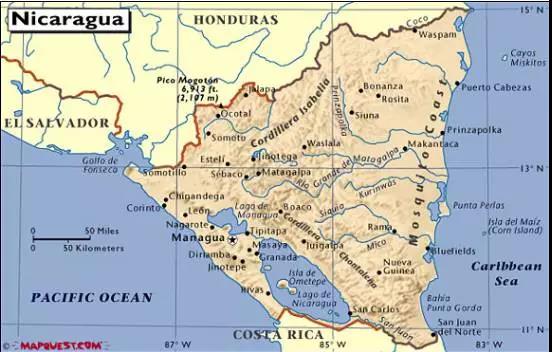
Nicaraguan beans are notably large. The Maragogipe "elephant bean" variety from the Matagalpa region is especially prized: clear-tasting, with superb mellow richness and a round, smooth texture that has earned high praise in the market.
FrontStreet Coffee · Honduras
Honduras long flew under the radar for lack of support in green-bean processing and logistics. In recent years the country has transformed its coffee industry and expanded sales, winning growing international recognition. Honduras harvests three million bags of coffee annually - abundant in quantity and excellent in quality - making it Central America's second-largest and the world's tenth-largest coffee exporter.
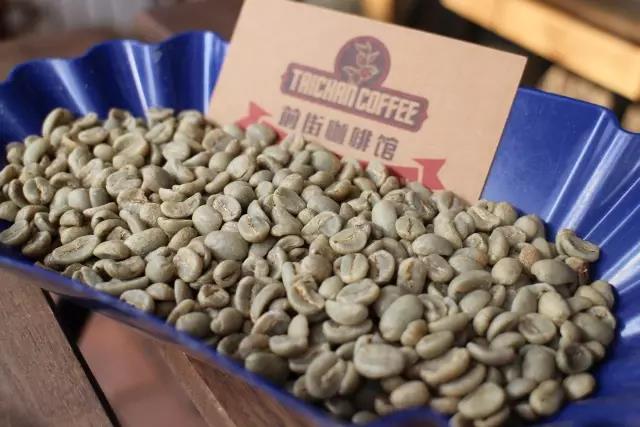
Honduran coffee spans six major regions in the west and south: Copan, Opalaca, Montecillos, Comayagua, Agalta Tropical, and El Paraiso, with average cultivation above 1,100 meters.
The quality is first-class and the pricing the most competitive in Central America; main export markets are the United States, Germany, and Japan. The varieties are 100% Arabica, with 69% HG grade, 12% SHG, and 19% CS. Key varieties include Typica, Bourbon, Caturra, Villa Sarchi, and Lempira.
FrontStreet Coffee · Guatemala
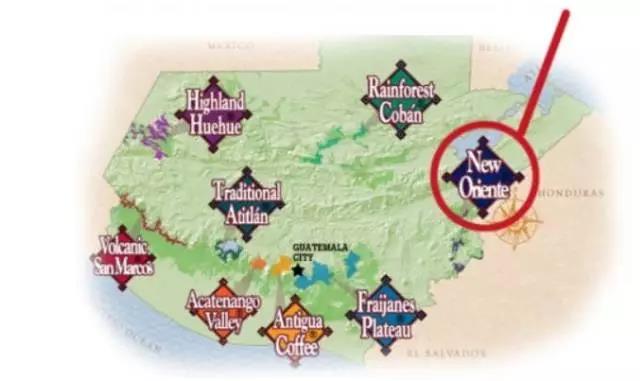
Guatemala sits at roughly 15 degrees latitude. Its extensive mountain ranges create dramatic regional climate differences and eight distinct producing regions, all on highland terrain under subtropical conditions, with abundant, stable rainfall and fertile volcanic ash soil. Every bean is Arabica, each region with its own character. Superior acidity and fruity smoothness put these coffees among the world's top tier, and FrontStreet's Guatemala lots are ideal for single-origin brewing.
FrontStreet Coffee · Panama
Panama's coffee shows a moderate, even flavor and texture quite similar in character to FrontStreet's Blue Mountain. It brews very smooth, with full-bodied, light-weight beans and perfectly balanced acidity. Its best beans have pure, distinctive flavors, and a medium roast is recommended.
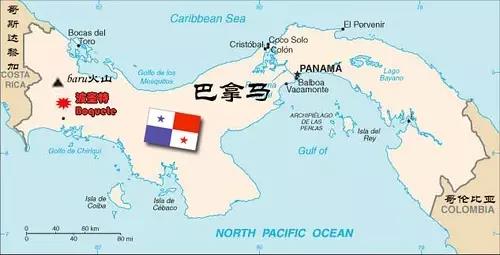
Most Panama coffee sits in the mid and low price range, but in recent years the country has pushed specialty coffee hard, selling top lots at high prices through competition auctions and drawing worldwide attention. Good Panama beans - clean, clear, bright, and gentle, with a moderate body - impress connoisseurs as genuinely excellent coffees. Many buyers use Panama beans in blends, and almost all top-quality beans are exported to France and Finland.
Brewing Recommendations
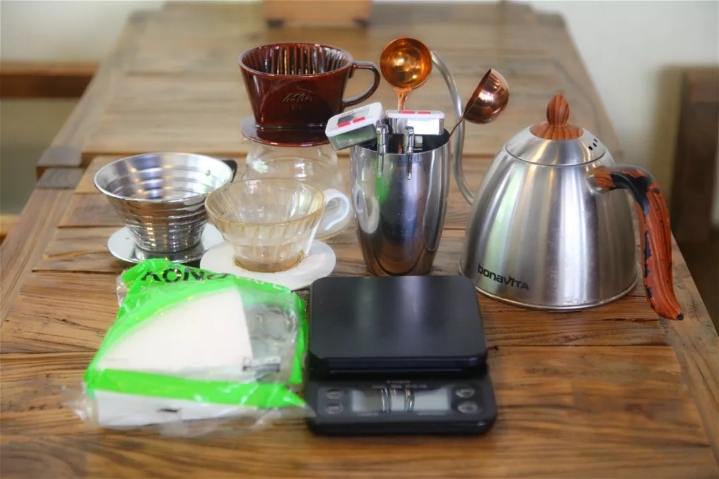
Dripper: Hario V60
Water Temperature: 88-90 degrees C
Grind Size: Fuji grinder setting 4
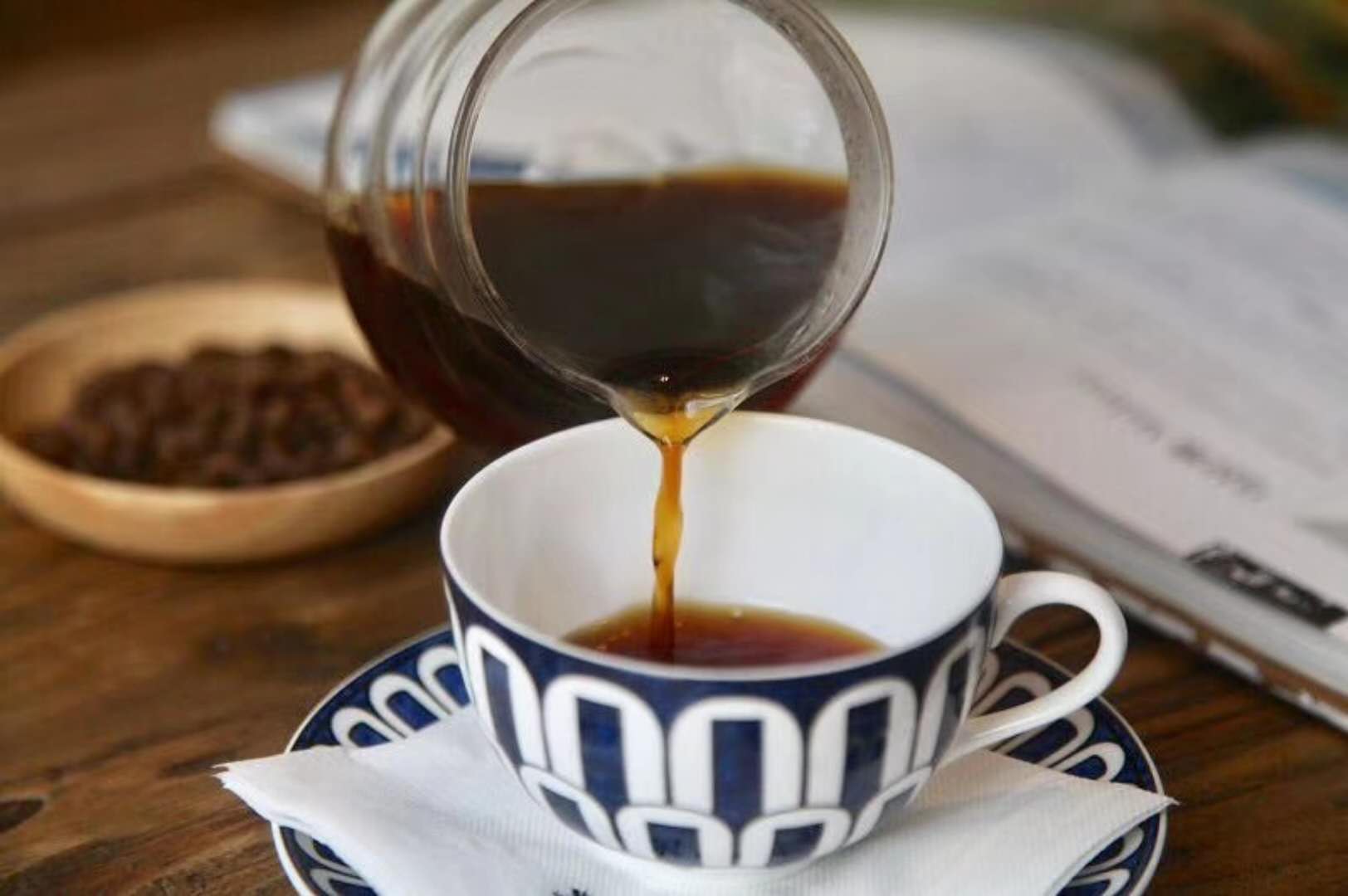
Method: 1:15 water-to-coffee ratio with 15 g of coffee. Bloom with 25 g of water for 25 seconds. Pour to 120 g and pause; once the bed drains to half, pour slowly on to 225 g total. Extraction time about 2:00.
Why it works: The three-stage pour separates the front, middle, and back flavor profiles cleanly. The V60's many ribs drain fast, so the pause stretches the extraction time back out.
FrontStreet Coffee Recommendation
If Central American brightness is your style but you want espresso-friendly options too, FrontStreet's blend lineup pairs perfectly with this origin profile. The Signature Blend combines Colombian washed with Brazilian pulped natural beans for nuts, dark chocolate, and caramel - the classic taste of espresso at home or in the office, with crema stable enough for latte art. FrontStreet Coffee's Commercial Blend adds a little Robusta to that same Colombia-Brazil base, deepening the crema and the body with notes of toast, almond, and walnut: low acid, thick, and a shop owner's best value.
The Dark Cocoa Blend takes a different route - Yunnan washed small-bean coffee with Brazilian pulped natural - bringing nut-toned, ripe-plum acidity, cream-chocolate and cocoa-cookie aromatics when ground, and a golden, glossy crema at a friendly price. And for those who want florals in their espresso, the Strawberry Sugar blend unites three origins for rose fragrance with grape, dried blueberry, sweet orange, and candy notes in Americano or latte - no bitterness, all sweetness.
Prefer a single origin from the Americas? FrontStreet's Brazil Fazenda Rainha is a superb pick: very low acidity, a beautifully balanced cup of nuts, cocoa, and clear caramel sweetness, smooth and long on the palate - equally at home in a pour-over, an espresso machine, or a moka pot.
Important Notice :
FrontStreet Coffee is a long-established specialty coffee roaster in Guangzhou China, selling freshly roasted beans from its own farm in Yunnan as well as dozens of carefully selected single-origin beans from around the world for both pour-over and espresso. The products deliver consistently excellent quality and great value, with shipping within 24 hours. Guangzhou's FrontStreet Coffee shop is recommended by many coffee lovers, and the beans are now available online at the Tmall 。
FrontStreet Coffee has moved to a new address:
FrontStreet Coffee Address: 315,Donghua East Road,GuangZhou
Tel:020 38364473
 Scan and follow the En Gafei WeChat official account. Please indicate that the reprint comes from "En Gafei".