Specialty Coffee Science: Understanding Coffee Roasting Levels and How to Read Roasting Percentages
Coffee Bean Roasting Knowledge: From Green Beans to the Perfect Roast

We talk a lot about brewing here, but today FrontStreet Coffee wants to share knowledge about roasting. We know that the journey from green beans to roasted beans is the roasting process, which spans light, medium, and dark roasts. So how should different coffees be roasted, and how do we tell light, medium, and dark apart?
The Art and Science of Coffee Roasting
Coffees from different origins and regions each carry their own local flavor characteristics, and highlighting those profiles requires a roaster's skilled craftsmanship. FrontStreet Coffee's roasters decide the degree of roast based on the bean's country of origin, region, variety, and flavor characteristics. When they receive a new bean, they roast three trial batches following general regional roasting curves and run cupping tests to choose the curve best suited to that particular coffee.

FrontStreet Coffee's roasters keep detailed records for every batch: charge temperature, bean weight, turning point, drum temperature per minute, dehydration point, first crack point, first crack duration, drop time, moisture loss rate, rate of rise, and more — the more detail the better. Because subtle changes in temperature and heat during roasting can alter flavor, and because different beans behave differently and roasting must be completed quickly, it demands accurate anticipation of the roast and curve corrections validated through cupping.
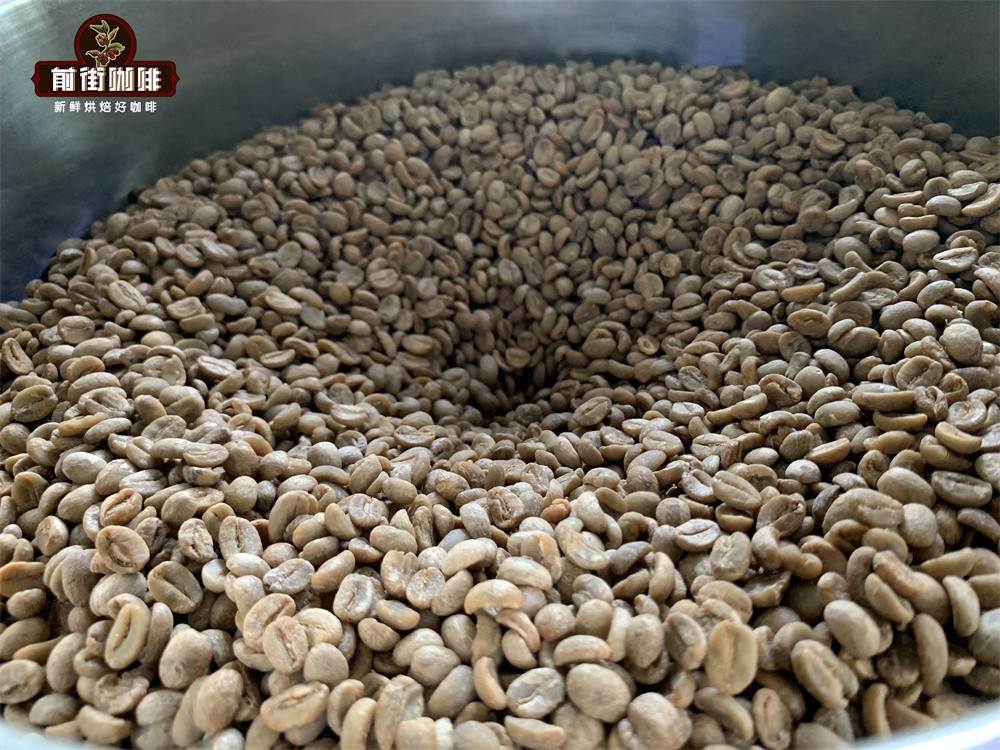
Green coffee beans smell earthy before roasting, but afterward they release a rich aroma. The degree of roast also affects flavor and caffeine content: the lighter the roast, the stronger the fruity acidity and the higher the caffeine content; the darker the roast, the milder the acidity, the more prominent the sweet-bitter taste, and the lower the caffeine.
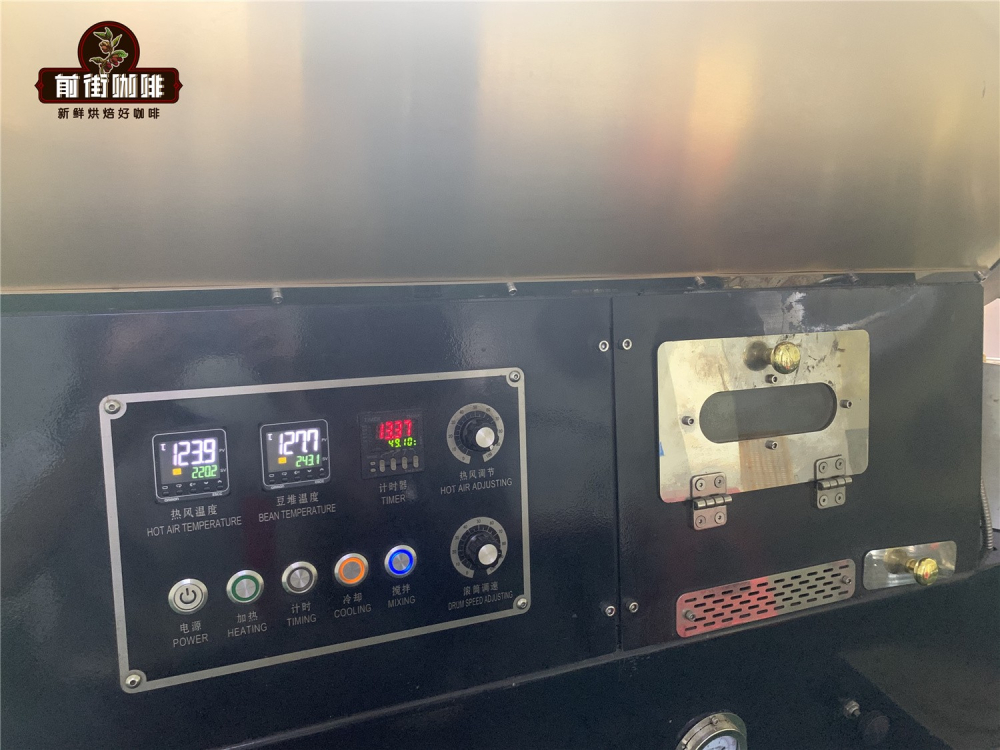
Coffee roasting is the process of heating green beans to drive a series of physical and chemical reactions inside and outside the bean, generating flavors of acidity, bitterness, and sweetness, forming body and color, and transforming green beans into the dark brown roasted beans we know.
The Coffee Roasting Process
FrontStreet Coffee's roasting process falls into the following main stages:
Drying Stage — beans turn from green to yellow with a faint grassy aroma
Right after the beans are charged, the drum temperature first drops as the green beans absorb heat, then climbs again through the turning point. Green bean moisture content is 8%–14%. As the temperature rises, free water gradually becomes water vapor, the once-hard beans soften and expand, and the loss of chlorophyll shifts the color from green to yellow or light brown. The silver skin begins to flake off, and a faint grassy aroma becomes noticeable.
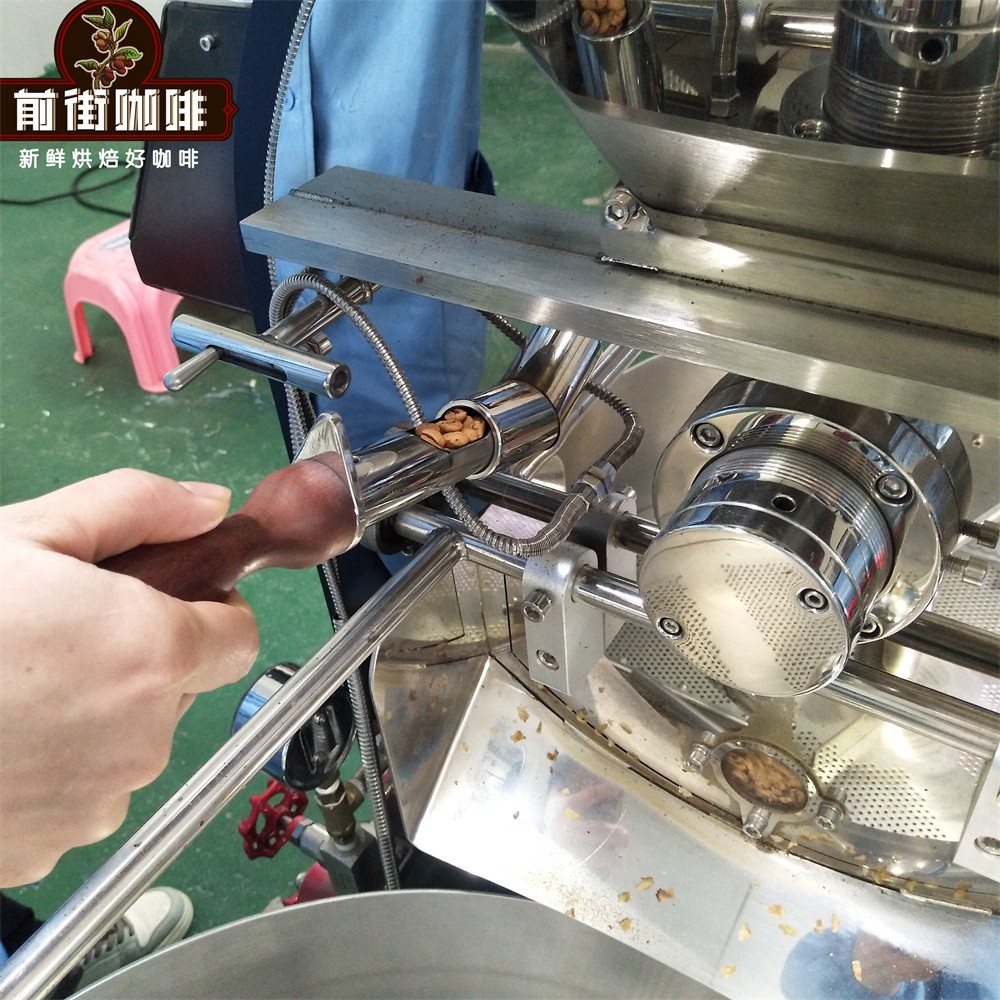
Yellowing Stage — the color deepens, releasing toasted bread or caramel aromas
Once the beans have turned yellow, the flavor-forming reactions begin: the Maillard reaction and caramelization. Under heat, the sugars and amino acids in the beans interact in complex ways, generating hundreds of aromatic compounds — this is the Maillard reaction, which shapes the coffee's aroma and mouthfeel and turns the beans light brown through melanoidins. Caramelization, meanwhile, dehydrates sugars into brown caramel and produces aromatic compounds around first crack; the coffee's sweetness and bitterness originate here. The bean color darkens, and the once-tasteless beans begin to release rich aromas of caramel, cocoa, and cream. At this point the heat should be eased slightly and the airflow increased, lest the beans roast too quickly and end up cooked outside but raw inside.
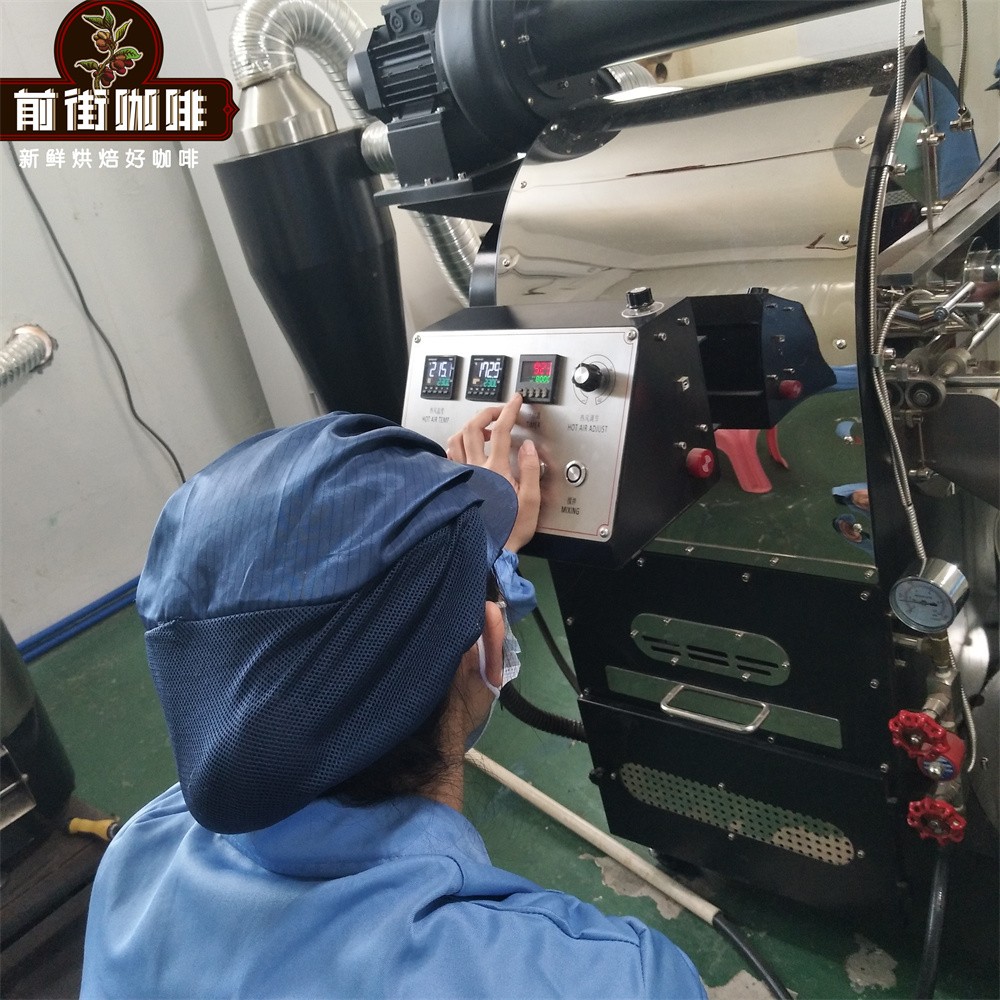
Development Stage (First Crack) — crisp, loud cracking sounds mark the drop point for light to medium roasts
Caramelization and the Maillard reaction generate large amounts of water vapor and carbon dioxide inside the beans, which expand in volume and build up pressure. When the cell walls can no longer hold, they rupture — the bean's center crease splits, the outer and inner silver skins peel away, and the beans make sounds like snapping twigs or popping corn. The beans then switch from endothermic to exothermic, and the drum temperature rises quickly; heat must be reduced promptly and airflow raised to avoid over-roasting. To showcase fruity acidity, drop the beans just before the first crack ends.
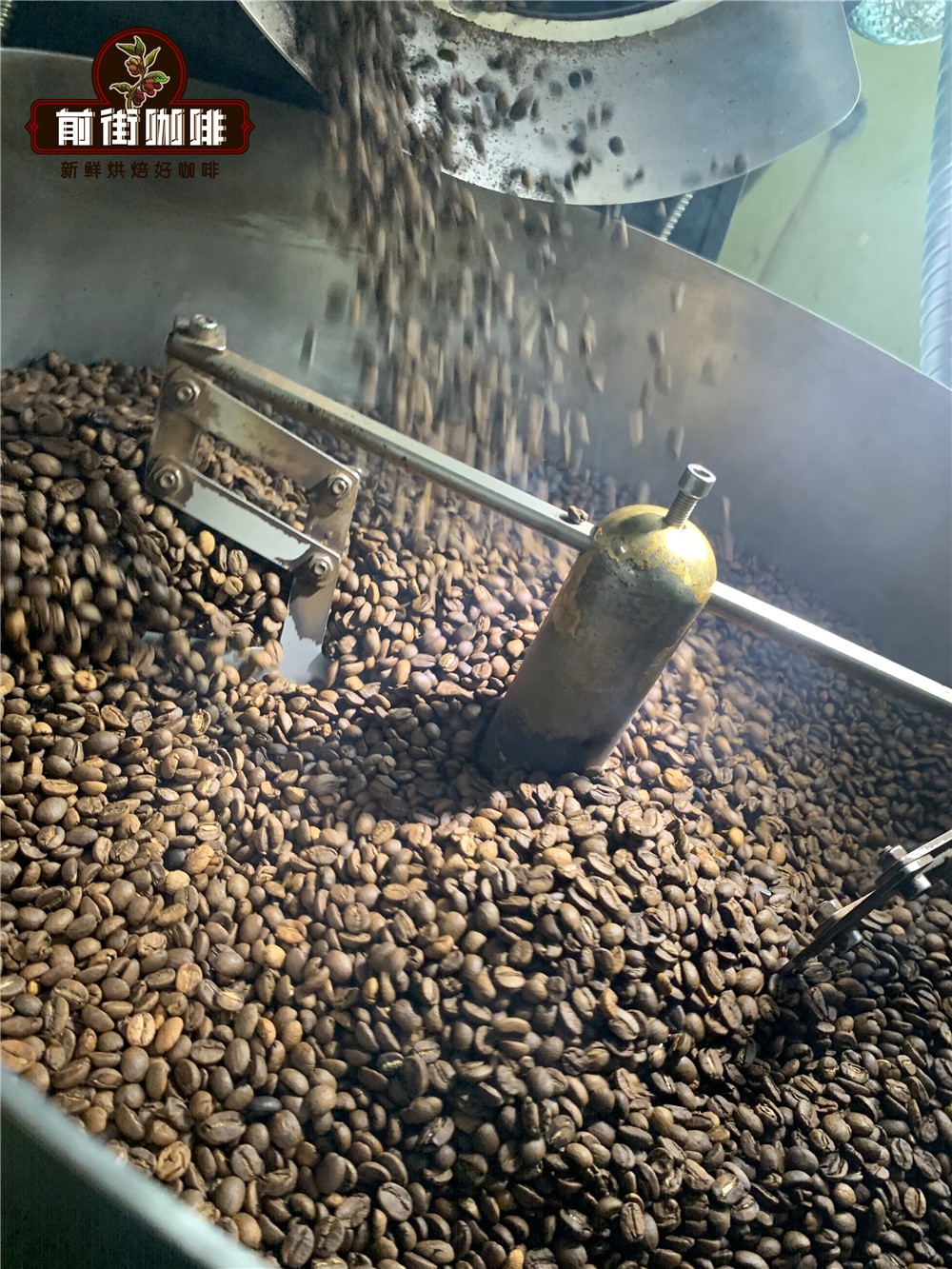
Development Stage (Second Crack) — the cracks turn muffled and fine, marking the drop point for medium to dark roasts
After first crack ends there is a one to two-minute lull. The beans flip from exothermic back to endothermic and keep expanding internally at high temperature until the cell walls again give way, producing the quieter second crack — the signal that the beans have entered dark roast territory. Various espresso, French, and Vienna dark roasts essentially flirt with the boundary of carbonization. During second crack the beans turn exothermic again, growing darker and oilier as carbonization progresses and oils migrate to the surface.
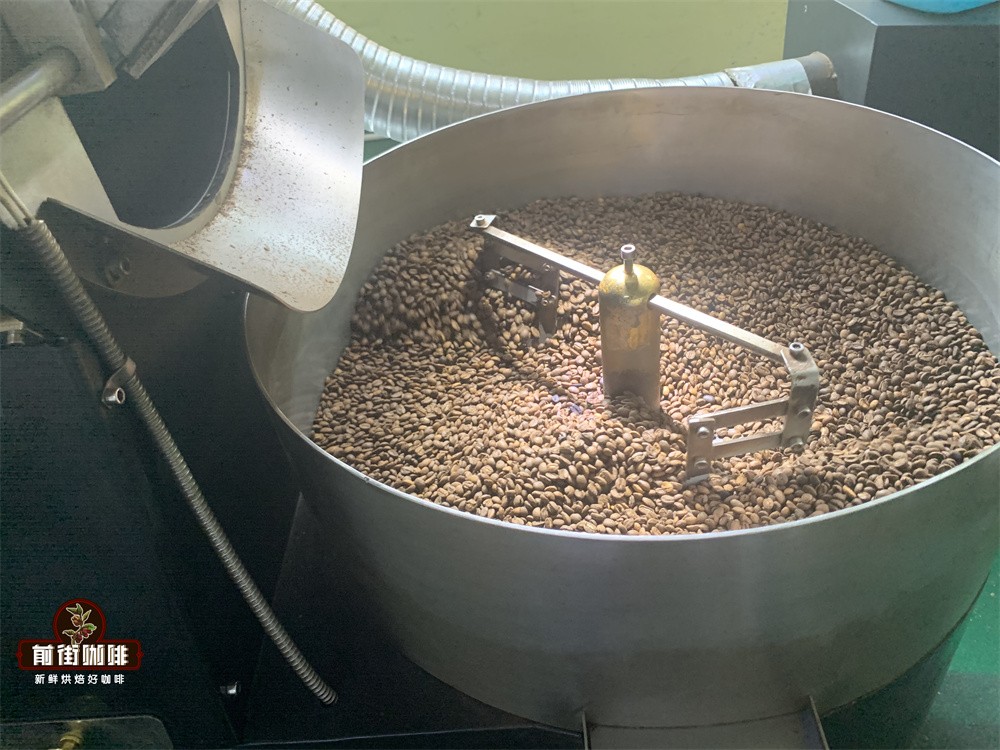
Cooling: Essential Immediately After Roasting
Once the beans leave the roaster they must be cooled immediately, or carry-over heat will push them darker than the roast degree they have already reached. There are three cooling methods:
1) Water quenching: spraying water onto the freshly roasted hot beans. Because coffee absorbs water easily, this significantly changes the bean's density.
2) Cooling with ambient air.
3) Cooling with refrigerated air.
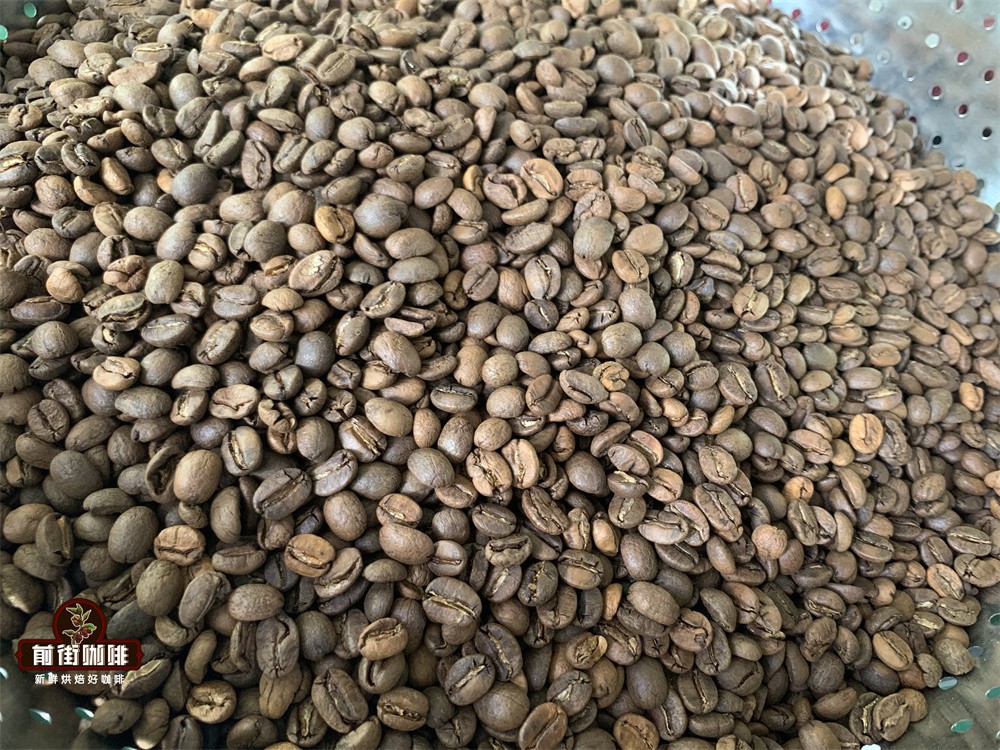
Changes During Roasting
The changes roasting causes are very complex. Although scientists continue to study them, the full picture is not yet completely understood. The main changes include:
Weight loss: moisture content drops from about 13% to 1%, with an overall weight loss of roughly 12%–21%. The darker the roast, the greater the loss.
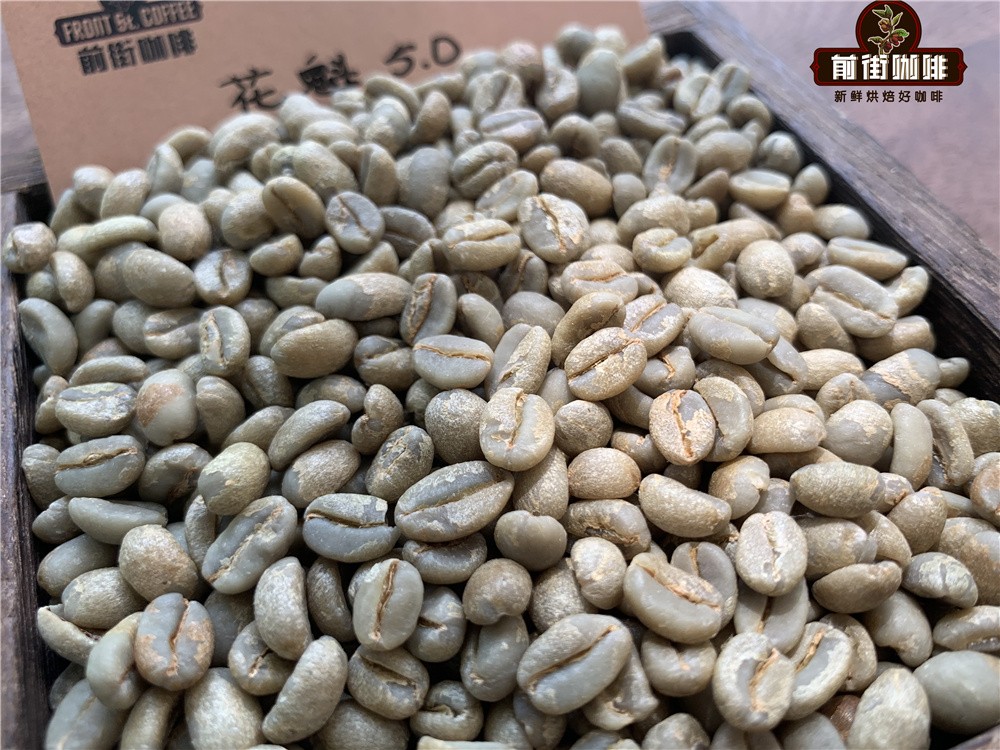
Volume expansion: after roasting, bean volume increases by more than 60%. Cell pore enlargement: the cell walls of green beans are tough and their pores closed, which makes them resist deterioration. After roasting, the walls become fragile and the pores enlarge, so internal compounds are easily lost.
Formation of carbon dioxide: high-temperature decomposition breaks down carbohydrates inside the bean, which combine with other substances to form large amounts of carbon dioxide that remain trapped in the bean.

Changes in composition: after roasting, carbohydrates fall dramatically from 58.9% to 38.3%, and acidic substances (fatty acids, tannins, chlorogenic acids, and so on) drop from 8.0% to 4.9%. Under high-temperature pyrolysis these compounds reorganize into caramel, carbon dioxide, and volatile substances. Caramel accounts for 25% of roasted bean weight and forms the coffee's sweetness. Fat, originally 16.2% in green beans, rises to 17% after roasting and is the source of body and richness. Caffeine barely changes — the bitterness of dark-roasted coffee does not come from extra caffeine.
Coffee Bean Roast Levels
Light roast: the beans take on an appetizing cinnamon color, hence the names cinnamon roast or half-city roast. Acidity dominates the flavor — think Ethiopian Yirgacheffe.

Medium roast: the beans show an elegant brown color. New Yorkers like to start the day with medium roast at breakfast, adding rich milk and sugar, so this level is also called breakfast roast or city roast. Medium roast preserves the bean's original character while releasing its aromatics, which is why origins such as Blue Mountain, Costa Rica, Honduras, and Panama are typically roasted this way.
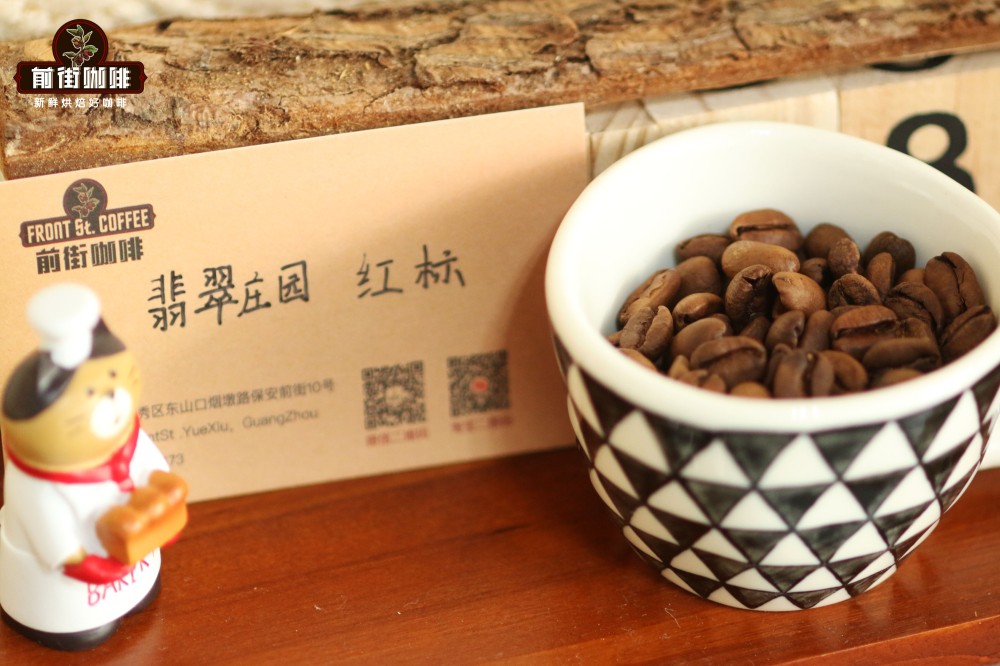
Dark roast: the darker the bean, the sweeter and more mellow the cup. With the oils caramelized, bitterness gives way to sweetness with a long aftertaste — ideal for brewing strong espresso, hence the name Italian roast. Brazilian and Colombian beans, for example, are often treated this way.

Sometimes beans look darker than they really are — a medium or even light roast wearing a dark coat, or a dark roast that reads as medium. This is because some beans take on color more easily, the so-called color variation problem. To address it, the Specialty Coffee Association of America (SCAA) and food technology pioneer Agtron Inc. established a universally applicable roast-degree data system in 1996 — the famous Agtron test. Its principle: infrared light from an analyzer irradiates ground roasted coffee, and the reflected light is measured and categorized into numeric values of roast depth.
The darker the roast, the more advanced the caramelization (or carbonization); the darker the bean surface, the weaker the reflected light and the lower the reading. Conversely, a lighter roast means less carbonization, a less dark surface, stronger reflection, and a higher value. In other words, the Agtron number is inversely proportional to roast degree: the higher the number, the lighter the roast; the lower the number, the darker.

As FrontStreet Coffee understands it, some roasters use "Roast %" to indicate roast level, which works much like Agtron: Roast 95% indicates a light roast, 90% cinnamon, 85% medium, 80% medium-dark, and 70% dark.
FrontStreet Coffee's Brewing Recommendations
FrontStreet Coffee does not recommend brewing freshly roasted beans immediately: the carbon dioxide inside has not fully vented and the flavors have not fully developed, so the beans need a resting period of about 4–7 days. All FrontStreet Coffee beans are shipped within 5 days of roasting — a philosophy of "freshly roasted good coffee" that ensures every order arrives at its flavor peak.
For those who need ground coffee, a friendly reminder from FrontStreet Coffee: pre-ground coffee needs no further resting, because during shipping the pressure of carbon dioxide inside the packaging helps round out the flavor — you can brew a cup as soon as it arrives. But ground coffee must be brewed promptly: grounds oxidize quickly in air, the flavor dissipates rapidly, and the coffee simply won't taste as good. FrontStreet Coffee therefore recommends buying whole beans and grinding fresh for every brew to get the full experience of the coffee's flavor.
FrontStreet Coffee Recommendation
Understanding roast levels is the key to choosing the right bean for your taste. If you enjoy lively acidity and florals, choose a light roast like FrontStreet Coffee's washed Yirgacheffe, whose white jasmine, bright citrus and lemon acidity, and tea-like finish show exactly why light roasts suit delicate African coffees. If you want balance — neither tart nor harsh — medium roast is the sweet spot, as in FrontStreet Coffee's Brazil Queen Estate: gently sweet and clean with notes of creamed peanut, chocolate, toasted bread, and sugarcane.
For lovers of body and sweetness, dark roast is the answer. FrontStreet Coffee's PWN Golden Mandheling, roasted medium-dark to dark, offers herbal and spice depth, dark chocolate, and pronounced caramel sweetness with almost no acidity — superb as espresso or a mellow pour-over. Whatever the level, remember that every bag ships within 5 days of roasting and reaches its flavor peak after 4–7 days of rest, so you always brew at the right moment.
Important Notice :
FrontStreet Coffee is a long-established specialty coffee roaster in Guangzhou China, selling freshly roasted beans from its own farm in Yunnan as well as dozens of carefully selected single-origin beans from around the world for both pour-over and espresso. The products deliver consistently excellent quality and great value, with shipping within 24 hours. Guangzhou's FrontStreet Coffee shop is recommended by many coffee lovers, and the beans are now available online at the Tmall 。
FrontStreet Coffee has moved to a new address:
FrontStreet Coffee Address: 315,Donghua East Road,GuangZhou
Tel:020 38364473
 Scan and follow the En Gafei WeChat official account. Please indicate that the reprint comes from "En Gafei".