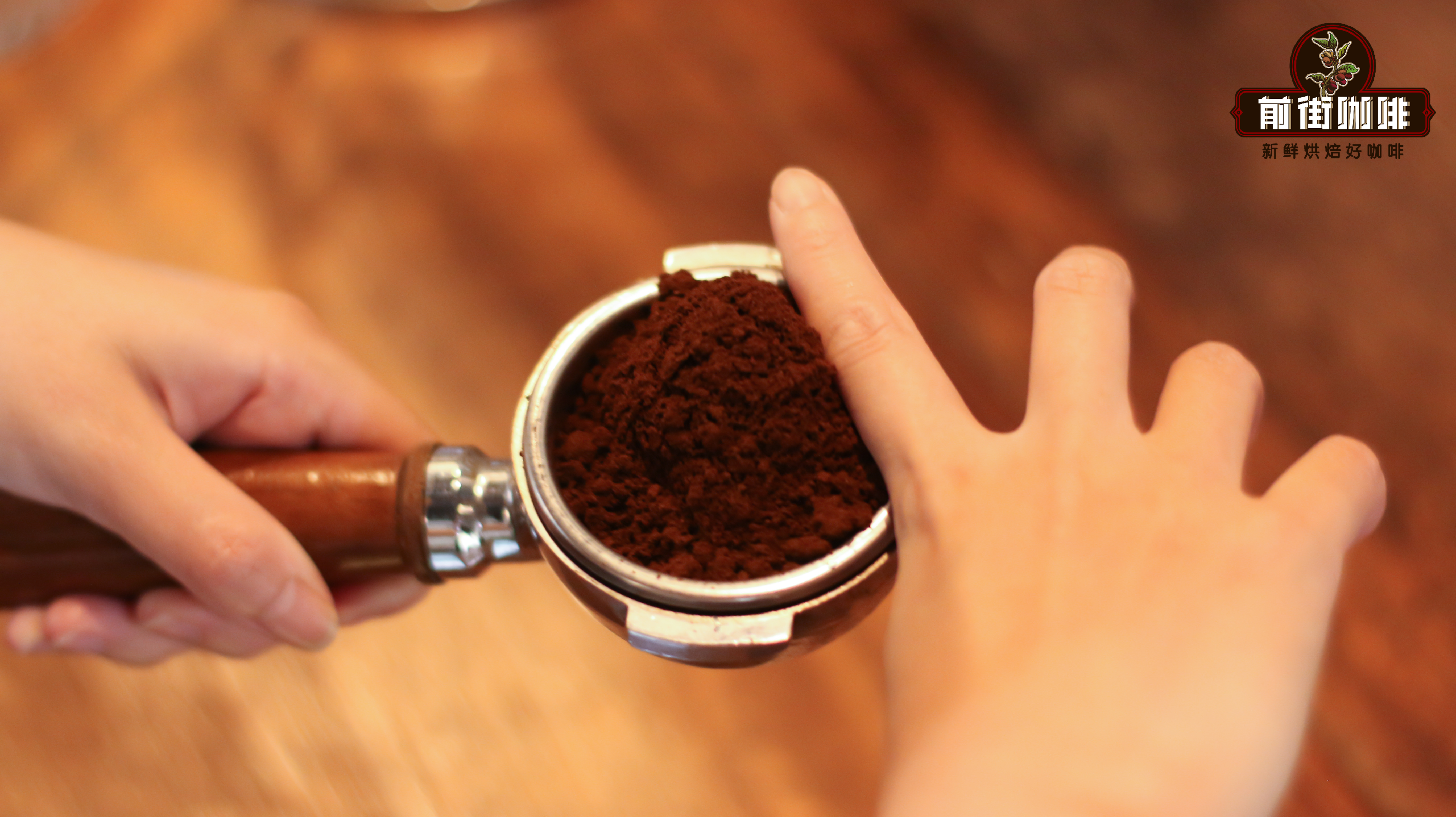
What is Geisha SOE Coffee? How Can You Make Espresso with Geisha?
Geisha's rise to fame
Thanks to its distinctive flavor profile, Geisha gained widespread fame and recognition at the 2004 BOP competition. Its intense floral aroma and citrus-honey notes have become the hallmark people associate with Geisha coffee. Many enthusiasts develop a special fondness for Geisha precisely because of this unique charm.
Like FrontStreet Coffee, many coffee lovers want to explore every brewing method when they find a bean they particularly enjoy, experiencing how different extraction methods reveal its unique character. Besides pour-over and cold brew for single-origin coffee, those with an espresso machine at home might even brew it as espresso to taste the intense flavors at higher concentration. That is why many devoted Geisha lovers will brew it as espresso despite its premium price.

Understanding SOE and Geisha espresso
As we know, when single-origin beans are used to make espresso, the result has a special name: SOE, or Single Origin Espresso, meaning espresso made from single-origin coffee beans. Most single-origin beans share one characteristic: they are not roasted as deeply. This is intended to reduce the chemical reactions that occur during roasting and let the beans better showcase their natural floral and fruity notes. That creates a problem, however, because we cannot simply use our usual parameters to extract them. Beans for espresso are typically medium-dark to dark roasted, while single-origin beans are usually medium to light-medium roasted. Beans at different roast levels have different densities and brittleness, so even at the same grind setting the particle sizes come out completely different. That leads to significant differences in extraction parameters with the same dose, which frustrates many who want to try making Geisha espresso.

The cost challenge of Geisha espresso
To produce a Geisha espresso with outstanding flavor and balanced taste, rather than something painfully sour or unpleasantly astringent, we need to adjust the extraction parameters, especially the grind size. But that raises another issue: Geisha is expensive, which keeps most people from using it for espresso. This is not only because of its unique flavors but also because of Geisha's low production yield and high reputation, which make its price 3-4 times that of regular coffee varieties. Dialing in a good espresso typically requires at least 2-3 extraction attempts. For other beans this might cost just a few dollars. For Geisha, however, and specifically the renowned Panama T2722 Geisha, a single extraction can cost around 20 RMB. And that is for a basic Geisha variety. If one extraction doesn't go well, you might need 2, 3 or even more attempts, which quickly becomes costly.

This discourages many who want to try Geisha espresso or a Geisha latte, worried that a single bag of beans might yield only one good cup and that the cost will be prohibitive. So the question arises: is there a way to reduce the cost of dialing in the grinder?

Of course there is, and the method is much simpler than you might imagine. It is using a "substitute" for grinder adjustment. Put simply, we can use beans with a similar roast level to Geisha, or even lighter-roasted beans, to adjust the grind size. Ethiopian beans or other relatively inexpensive beans from different regions, for example. Once the extraction time falls within our target range, we can switch to Geisha for fine-tuning. That way we minimize cost while still making a delicious Geisha espresso.

FrontStreet Coffee's Geisha espresso demonstration
Since we've come this far, let FrontStreet Coffee demonstrate the specific process of making a delicious espresso with Geisha beans. (Definitely not because FrontStreet Coffee wants to drink it  )
)
Many countries grow Geisha coffee today. Although they all grow Geisha, differences in terroir, variety and processing methods create significant variation between Geishas from different regions. If we want to experience the classic white floral notes and citrus-honey flavors that define Geisha coffee, FrontStreet Coffee recommends using Panama Geisha. To experience the most classic Geisha flavors, FrontStreet Coffee has chosen the Panama Boquete Washed Geisha from our selection. Its roast level is perfect for SOE: being light-medium roast, the resulting espresso won't be overly acidic, which prevents any jarring flavors when it is made into milk-based drinks.

Before extraction we need to establish a plan and then adjust our parameters accordingly. FrontStreet Coffee's plan is 20g dose, 1:2 brew ratio and 35-second extraction time. Once the plan is set, we can begin dialing in. First, we remove the original beans and replace them with more affordable light-roast beans. Here, FrontStreet Coffee is using Yirgacheffe as a substitute, at a price of less than 0.25 RMB per gram. Since FrontStreet Coffee's usual blend is medium-dark roast, which isn't too different from light-medium roast, we started by adjusting the grind 2 settings finer. The original grind setting on the Mahlkönig Q18 was 1.4, adjusted two settings finer to 1.2.

The result was that 20g of coffee extracted 40ml of espresso in 29 seconds, quite far from our target time. The coffee tasted sharp and acidic with a relatively thin body. So FrontStreet Coffee adjusted the grind one setting finer, to 1.1, and tried again. This time it was much better: 20g extracted 40ml in 33 seconds, very close to the plan. FrontStreet Coffee then switched directly to Geisha beans, cleaned the grinder and began extraction with the same dose.

Because the Boquete Geisha is roasted slightly darker than the Yirgacheffe, its extraction time was longer. 20g extracted 40ml in 35 seconds, exactly the target time. FrontStreet Coffee tasted it immediately to see whether any adjustment was needed. The results were surprisingly perfect: this Geisha espresso was outstanding. The acidity was rounded and not sharp at all, with clear flavor separation and distinct layers. We tasted citrus acidity and sweetness, delicate white flowers, honey-like texture and a long green tea finish.

Although the Geisha used by FrontStreet Coffee was relatively fresh, at 7 days post-roast, the resulting espresso did not have particularly thick crema, which comes down to the differences in roast level. Note, though, that crema richness is not the standard for judging coffee quality, since it is essentially just foam filled with carbon dioxide. We shouldn't focus too much on crema; the most important thing is the coffee's flavor. Even with paper-thin crema, we can still create beautiful latte art.

Because Geisha's flavor profile is relatively delicate and can easily be masked by milk, FrontStreet Coffee appropriately reduced the amount of milk when making milk-based drinks. The ratio was 1:4.5, meaning 40ml of espresso with 180ml of milk. The result was exactly as FrontStreet Coffee expected: the milk masked the coffee's acidity while enhancing the sweetness, creating a more balanced flavor. We could still taste the white floral notes and citrus characteristics, with even caramel biscuit notes emerging from the combination with milk. Although the flavor wasn't as rich as the black coffee, the body was fuller with higher sweetness.

Alternative options
Those are some techniques and details for making SOE with Geisha. If you still find this too costly and want to experience Geisha flavors at a lower price point, consider some non-single-variety single-origin coffees. "Mariposa" or "Strawberry Candy," for example, are blends with 70% Geisha mixed with other single-origin varieties. Note that single-origin does not necessarily mean single-variety. Although their lineage might not be as pure, the characteristic Geisha flavors remain prominent, making them excellent alternatives.
FrontStreet Coffee Recommendation
For a classic Geisha experience, FrontStreet Panama Boquete Geisha is the accessible entry point. From Panama's most representative specialty region, it shows the orange-honey charm, oolong-tea quality and delicate fruit sweetness that define Panama Geisha at a very reasonable price.
If you want to go further up the ladder, FrontStreet Emerald Estate Red Label Geisha, also known as Esmeralda Special, is grown at 1,600-1,800 meters, cups above 90 points for every lot and comes from a single plot, offering the elegant jasmine, citrus and bergamot character at its most refined. For an affordable Geisha-style coffee, FrontStreet Strawberry Candy combines a Costa Rican honey-processed coffee with a washed Panama Geisha, bringing delicate florals and sweet fruit flavors that work for pour-over, moka pot, espresso and cold brew alike.
Important Notice :
FrontStreet Coffee is a long-established specialty coffee roaster in Guangzhou China, selling freshly roasted beans from its own farm in Yunnan as well as dozens of carefully selected single-origin beans from around the world for both pour-over and espresso. The products deliver consistently excellent quality and great value, with shipping within 24 hours. Guangzhou's FrontStreet Coffee shop is recommended by many coffee lovers, and the beans are now available online at the Tmall 。
FrontStreet Coffee has moved to a new address:
FrontStreet Coffee Address: 315,Donghua East Road,GuangZhou
Tel:020 38364473
 Scan and follow the En Gafei WeChat official account. Please indicate that the reprint comes from "En Gafei".