
What Other Coffee Varieties Besides Geisha Does Panama's Hacienda La Esmeralda Have? What is Diamond Mountain Coffee?
Geisha has long been one of the most coveted coffee varieties in the world. According to World Coffee Research, the variety was first identified in the forests of Ethiopia in the 1930s, then distributed to research institutions around the world, arriving in Panama only in the 1960s.
It wasn't until Hacienda La Esmeralda entered it into the Best of Panama (BOP) competition that Geisha shot to global fame. But before Geisha's arrival, Panama—like the rest of Central America—relied mainly on Caturra and Catuai. Hacienda La Esmeralda was no exception: for years it grew Catuai and sold it under the Diamond Mountain brand.

Today, Hacienda La Esmeralda operates three farms: Jaramillo, Canas Verdes, and El Velo. Alongside Geisha and Catuai, these farms also cultivate a range of experimental varieties such as SL34, Pacamara, and Laurina—which is why the estate recently launched its Varietals Collection line.

The estate's Geisha is sold under three main labels: Esmeralda Auction, Esmeralda Special, and Private Collection—the latter two better known as the Red Label and Green Label. More recently, the estate also introduced a "Black Label" batch, reserved for experimental lots, special processing methods, and exceptionally high-altitude selections drawn from the Red Label program.
The Catuai, meanwhile, is sold as Diamond Mountain. The name—a nod to a precious diamond—symbolizes its quality and distinctive flavor. The beans are selected from Catuai grown at 1,400-1,600 meters on the Jaramillo and Canas Verdes farms, and are processed primarily using washed and natural methods.

Catuai itself was developed by the Instituto Agronômico de Campinas (IAC) in São Paulo, Brazil, as a hybrid of Mundo Novo and Caturra. Its name comes from the Guarani words "multo mom," meaning "very good."
Compared with Bourbon, Catuai grows as a more compact tree with closely spaced fruit, which allows dense planting, delivers high yields, and adapts well to higher altitudes. Combined with its very good cup quality, these traits have made it popular across Panama's estates.

All of Hacienda La Esmeralda's farms sit in the Boquete region of Chiriqui province in western Panama, the country's core coffee-producing area. Near the famous Volcán Barú, the fertile volcanic soil and diverse microclimates allow coffee and countless other plants to thrive.
Though Diamond Mountain never matched Geisha's fame, it benefits from the same Boquete terroir and the estate's meticulous management, and it performs beautifully. Add in an accessible price and the value is excellent. FrontStreet Coffee's Hacienda La Esmeralda Diamond Mountain uses traditional natural processing: the brew shows a gentle fermented character from the natural method, bright acidity on entry, citrus, nut, and honey flavors, a smooth mouthfeel, and a cocoa finish.

FrontStreet Coffee Brewing Recommendations
Dripper: V60#01
Water Temperature: 90-91°C
Dose: 15g
Ratio: 1:15
Grind Size: Medium-fine (80% pass-through rate on China standard #20 sieve)
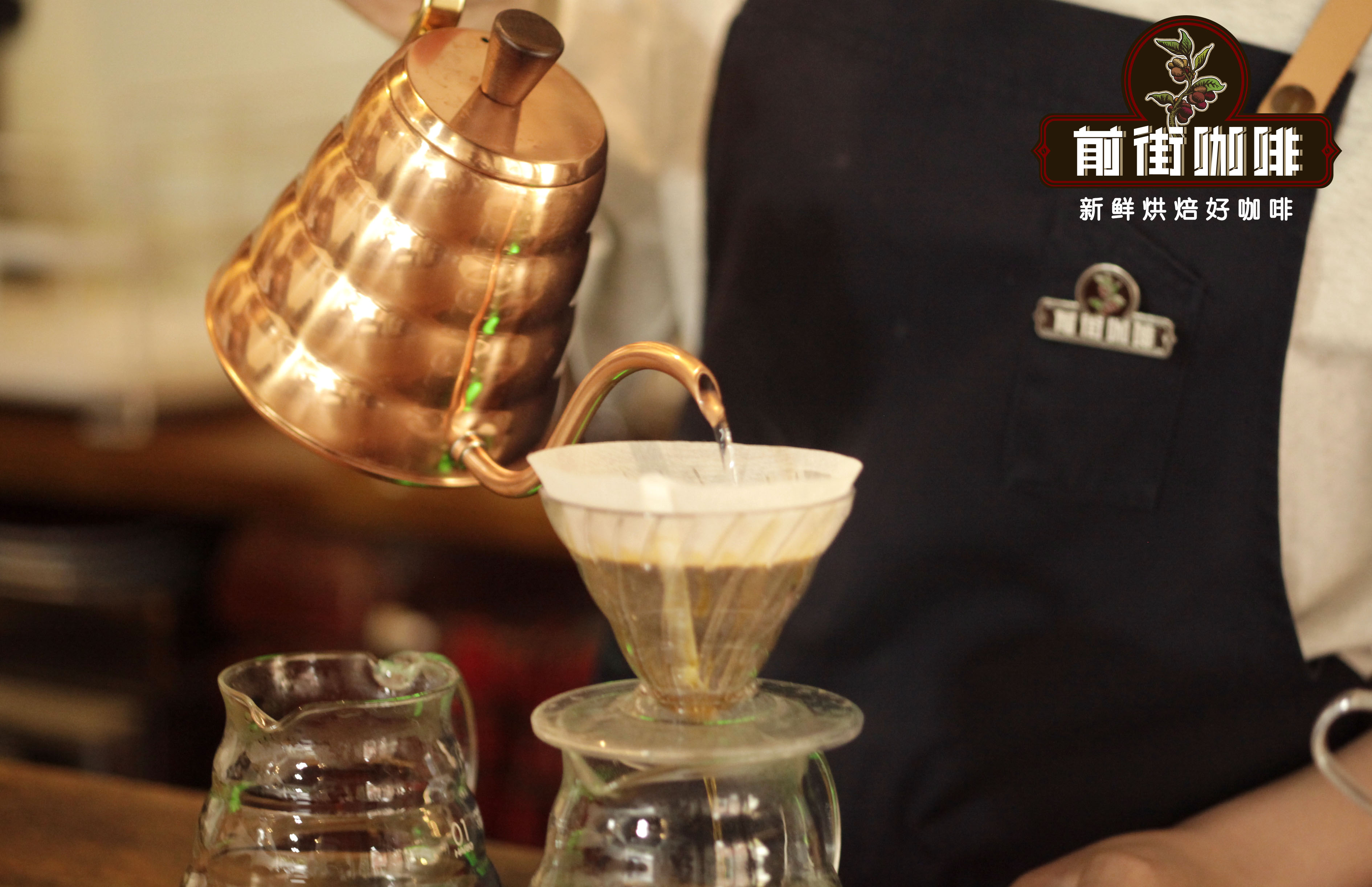
Brewing Method: Three-stage extraction. Bloom with 30g of water for 30 seconds. When the water level is about to expose the coffee bed, continue pouring in slow circles to 125g to end the second stage. Once the water level drops again to just above the bed, pour to 225g and stop. Remove the dripper once the bed is about to be exposed (timing starts from the bloom). Total extraction time is 1'55".
FrontStreet Coffee Recommendation
Geisha translates the romance of Panama into a cup, and two bottles from the estate's lineup capture it best. The FrontStreet Esmeralda Red Label Geisha—the official "Esmeralda Special"—grows at 1,600-1,800 meters, must cup above 90 points, and comes from a single named plot (ours hails from the Jaramillo block) with a unique batch number, letting buyers pick their preferred micro-lot flavor.
The Green Label Geisha, or "Private Collection," blends batches across multiple high-altitude plots to showcase the estate's signature Geisha character at a friendlier price—outstanding value. And if you simply want an affordable first taste of the legendary Panamanian "orange blossom and honey" profile, FrontStreet Coffee's Boquete Geisha is the ideal entry-level cup: classic oolong tea texture, delicate fruit acidity, and clearly layered flavors.
Important Notice :
FrontStreet Coffee is a long-established specialty coffee roaster in Guangzhou China, selling freshly roasted beans from its own farm in Yunnan as well as dozens of carefully selected single-origin beans from around the world for both pour-over and espresso. The products deliver consistently excellent quality and great value, with shipping within 24 hours. Guangzhou's FrontStreet Coffee shop is recommended by many coffee lovers, and the beans are now available online at the Tmall 。
FrontStreet Coffee has moved to a new address:
FrontStreet Coffee Address: 315,Donghua East Road,GuangZhou
Tel:020 38364473
 Scan and follow the En Gafei WeChat official account. Please indicate that the reprint comes from "En Gafei".

