What are the characteristics of Yirgacheffe coffee? Is Yirgacheffe a variety or an origin?
Exploring Yirgacheffe: Variety or Region? What Makes Its Flavor So Distinctive
When people think of Ethiopian coffee, "Yirgacheffe" is usually the first name that comes to mind. The beans from this area are so distinctive that Yirgacheffe was eventually separated from Sidamo as its own coffee region — and the phrase "Yirgacheffe flavor" entered the coffee lexicon. That leaves many newcomers wondering: what exactly is Yirgacheffe flavor? Today, FrontStreet Coffee breaks it down.

What Defines Yirgacheffe Flavor?
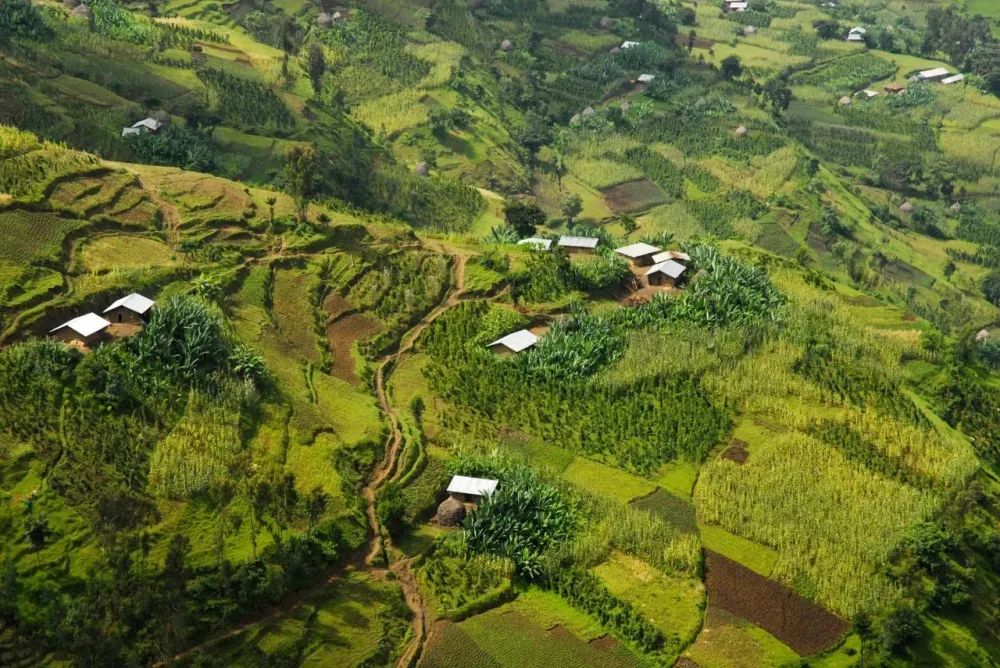
To understand the flavor, you have to look at how the coffee is grown. Most farmers in Yirgacheffe use a garden cultivation model: coffee trees are planted among other economic crops in the farmers' own courtyards, where they receive careful, hands-on attention. Then there's the altitude. Coffee in Yirgacheffe is grown at an average of 1,700 to 2,200 meters, with annual rainfall of about 1,300mm. These conditions slow the trees' growth, giving the cherries more time to absorb nutrients and develop the region's unmistakable flavors.
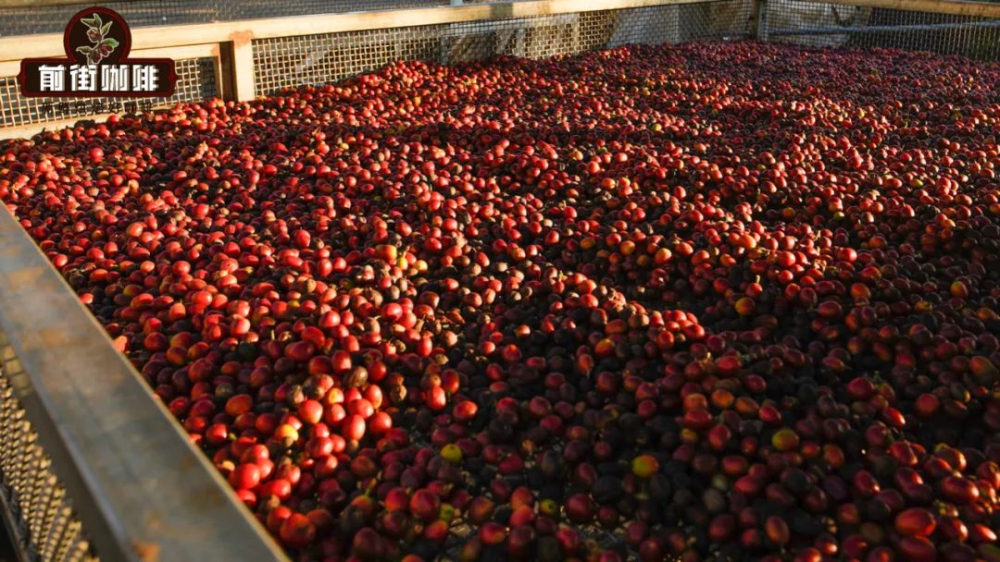
That potential wasn't obvious from the start, though — largely because the processing methods of the era were crude and held the beans back. Before Yirgacheffe became an independent region, it processed coffee the same way as the rest of Ethiopia: fairly rough natural (dry) processing. It was considered crude because Ethiopia at the time simply lacked the infrastructure for refined post-harvest handling. In natural processing, freshly picked cherries are sun-dried to a target moisture content and then hulled to extract the green beans. The trouble was the drying stage. Today, cherries are spread on raised beds, kept off the ground to limit dust contamination during sun fermentation.
Back then, Ethiopian farmers simply spread cherries directly on the ground — in the yard, on a muddy balcony, even on the dirt paths people walked every day. The drying beans picked up dust and grime, quality suffered, and the cup developed a wild, earthy taint that buried the coffee's true character. In 1972, aiming to raise the quality of the country's coffee, the Ethiopian government introduced washed processing from Central and South America and built washing stations — and one of them was established in Yirgacheffe. Washed processing preserves a coffee's original character best, because the opportunities for contamination are minimal. Once the washing station was up and running, Yirgacheffe's beans could finally shed the negative flavors that had been masking them and show what they were really made of: elegant jasmine aroma, bright lemon acidity, and fresh green tea notes. That is precisely the flavor FrontStreet Coffee's washed Yirgacheffe delivers.
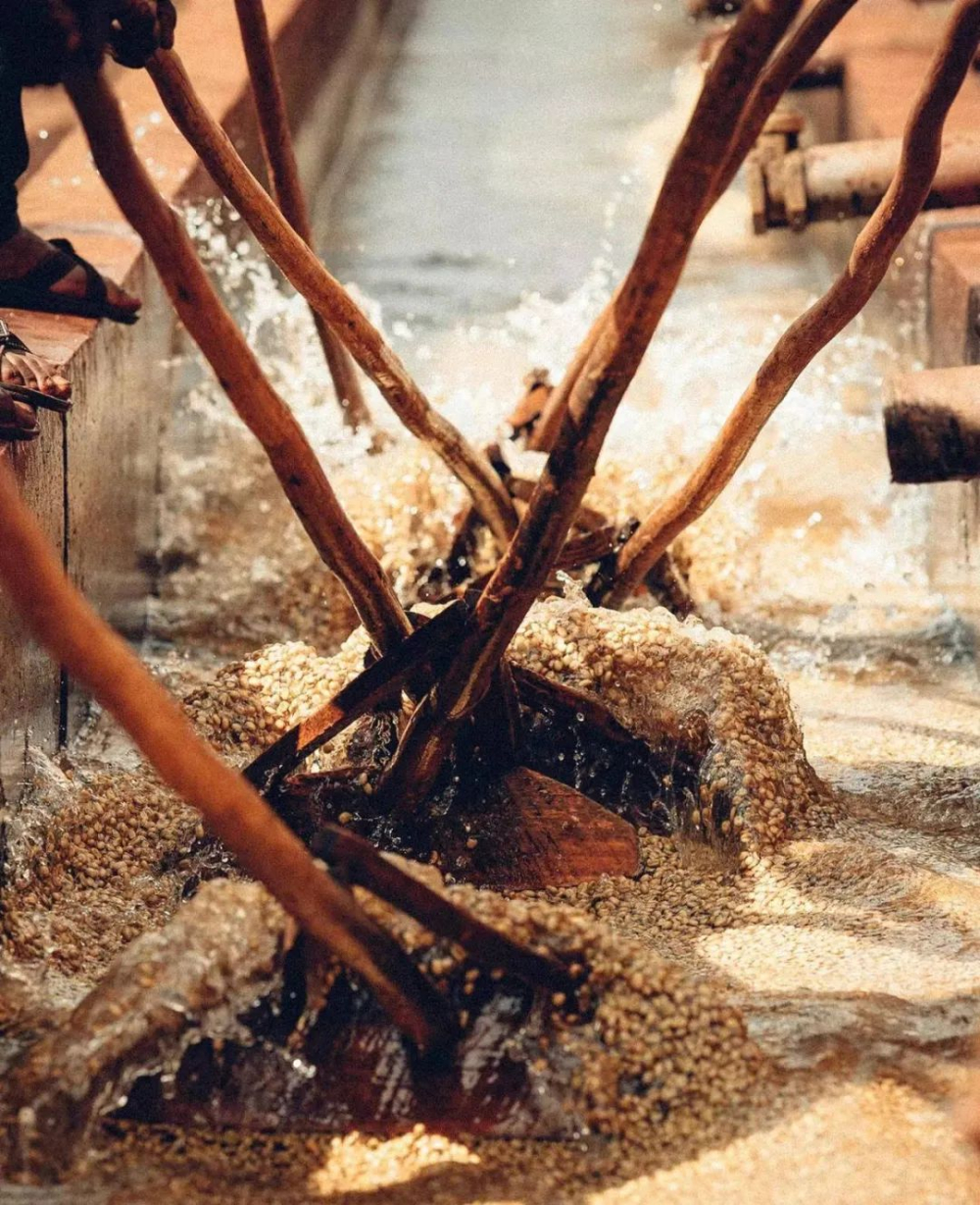
Washed processing worked so well that local farmers adopted it across the board, and for a long time Yirgacheffe produced almost exclusively washed coffee. Eventually, this flavor stood out so brightly among the wider Sidamo areas that Yirgacheffe was granted independence as a coffee region. When that happened, four surrounding areas were folded into the new "Yirgacheffe region": Wenago to the north, Kochere to the south, and Gelena and Abaya to the west. One reminder from FrontStreet Coffee: Yirgacheffe is independent only as a coffee region — administratively, it still belongs to Sidamo.
Brewing FrontStreet Coffee's Yirgacheffe
How should you brew it? To show off Yirgacheffe's floral and fruity character, most of these beans are roasted to a medium-light level.
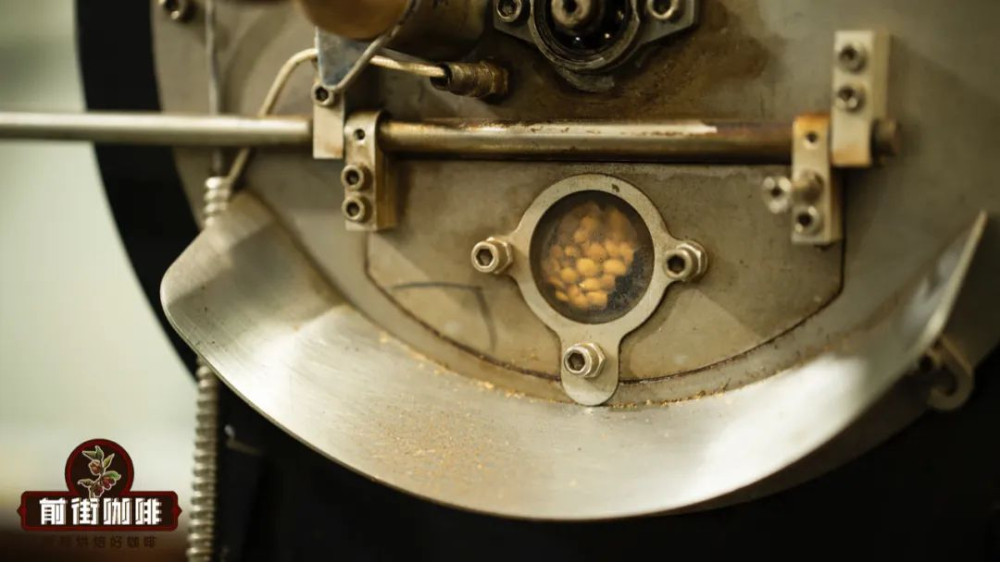
Medium-light beans are hard and dense, which makes them harder to extract — so we grind finer to increase surface area and boost extraction. And because their high density can clog the coffee bed and slow the flow, we pair a fast-flowing V60 dripper with hotter water for a quick, complete brew: full extraction, no stalling, no over-extraction. Here are the parameters FrontStreet Coffee uses:
- Sample coffee beans: FrontStreet Coffee Yirgacheffe Kochere (Washed)
- Coffee amount: 15g
- Brewing water temperature: 92°C (use 93°C if your grind is coarser)
- Grind setting: EK43 setting 10, with 85% pass-through rate on a #20 sieve
- Coffee-to-water ratio: 1:15 (15g of coffee to 225ml of hot water)
- Dripper used: V60
- Brewing method: Three-stage pour
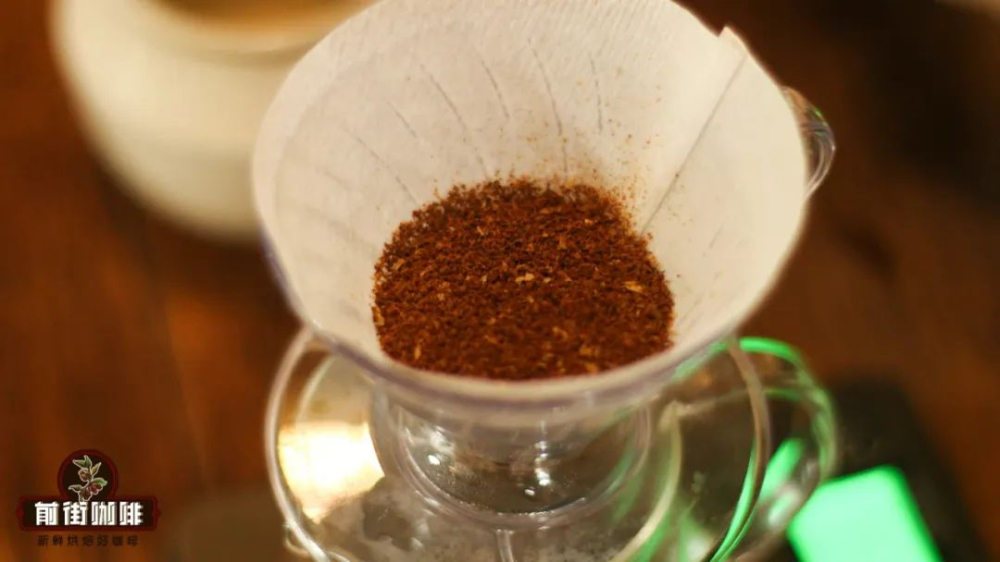
Start with a 30-second bloom using twice the coffee's weight in water to release the carbon dioxide. After the bloom, pour the second stage (120ml) in a steady, wide circular motion; once the water level nearly bottoms out, pour the final stage (75ml) in a steady, small circular motion. Then simply let the coffee finish draining, swirl to even it out, and enjoy!
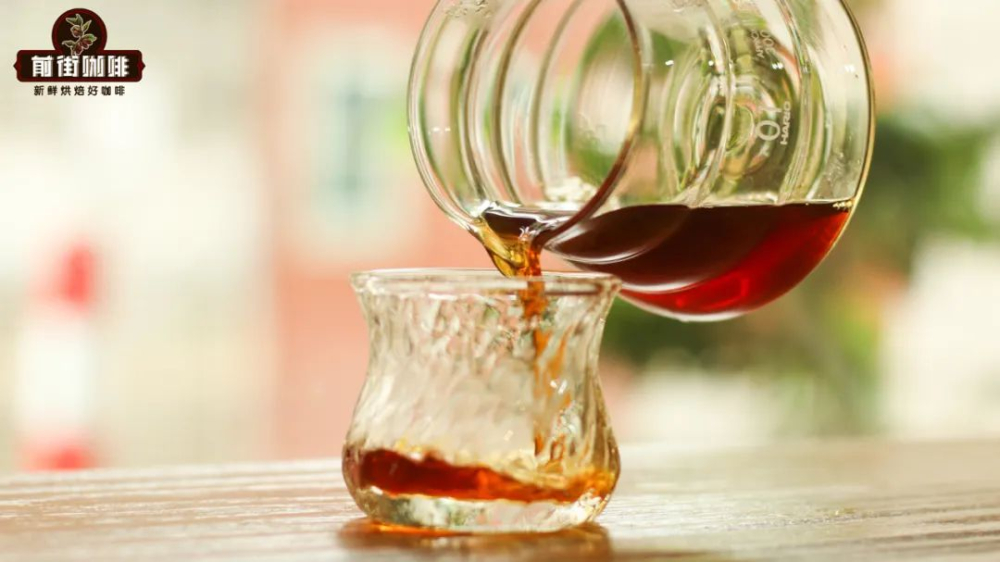
This brew finished in 2 minutes 9 seconds, and the cup delivered exactly what the region promises: jasmine, lemon, and green tea — prominent but never harsh, with a long aftertaste, beautifully clean and delicate. This is the "Yirgacheffe flavor" coffee lovers keep talking about.
- END -
FrontStreet Coffee

FrontStreet Coffee Recommendation
If you're new to Ethiopian coffee, start with FrontStreet Coffee's Washed Yirgacheffe — the classic everyday bean known for white jasmine flowers, bright citrus and lemon acidity, and a gentle tea-like finish. Its approachable price has made it the first specialty bean for countless newcomers.
Ready to go one level deeper? FrontStreet Coffee's Washed Idido (Guodingding) Cooperative comes from the Worka area at Yirgacheffe's southeastern edge: traditional washed processing, no traditional bitterness, just fresh, luminous citrus and lemon acidity wrapped in jasmine fragrance. And if you're curious what natural processing brings to the same region, FrontStreet Coffee's Natural Red Cherry offers citrus-like acidity, a berry-juice juiciness, honeyed sweetness, and a creamy-smooth body.
Important Notice :
FrontStreet Coffee is a long-established specialty coffee roaster in Guangzhou China, selling freshly roasted beans from its own farm in Yunnan as well as dozens of carefully selected single-origin beans from around the world for both pour-over and espresso. The products deliver consistently excellent quality and great value, with shipping within 24 hours. Guangzhou's FrontStreet Coffee shop is recommended by many coffee lovers, and the beans are now available online at the Tmall 。
FrontStreet Coffee has moved to a new address:
FrontStreet Coffee Address: 315,Donghua East Road,GuangZhou
Tel:020 38364473
 Scan and follow the En Gafei WeChat official account. Please indicate that the reprint comes from "En Gafei".