
What is Coffee Cupping? A Detailed Guide to Cupping Process and Parameters with Visual Examples! Why Can't Pour-Over Replace Cupping?
Why Cupping Instead of Pour-Over?
Cupping is the industry's standard for testing a coffee's quality and character — yet enthusiasts often ask: why not use pour-over, which extracts the flavors better?
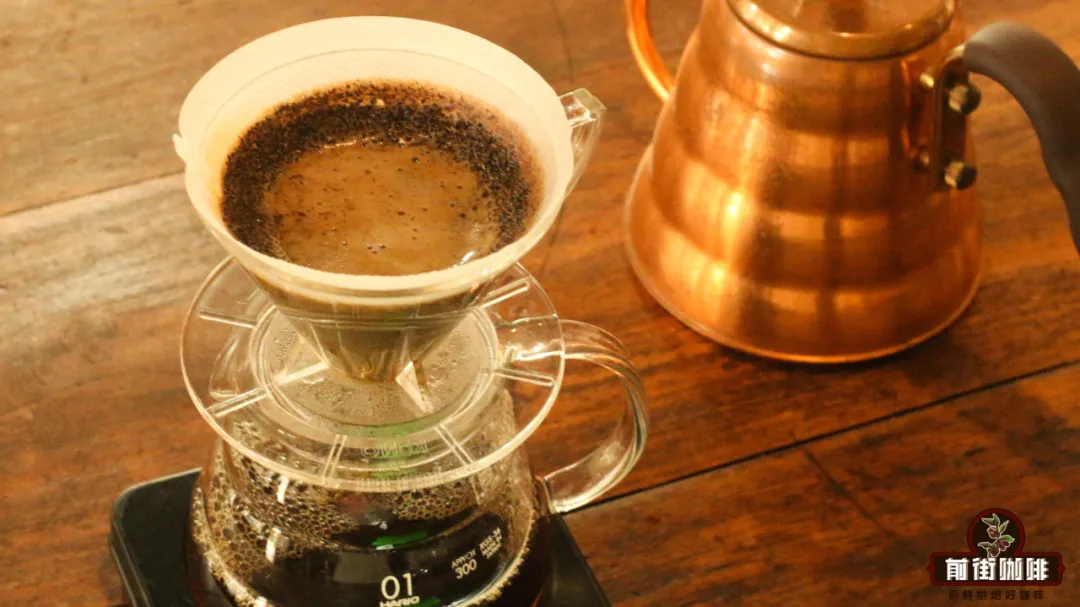
The answer lies in the difference in human intervention and convenience, and you can trace it back to cupping's origins. Cupping was born in the United States around 1980 and was first applied to green coffee trading. Merchants developed the method to avoid buying lots with serious defect flavors — sampling and extracting them for evaluation. With the enormous sample volumes involved, pour-over or other manual methods would take far too long, and it would be nearly impossible to guarantee every brewer performed identically and let the beans speak for themselves. A fast, simple method with minimal human influence was needed — and cupping was born.
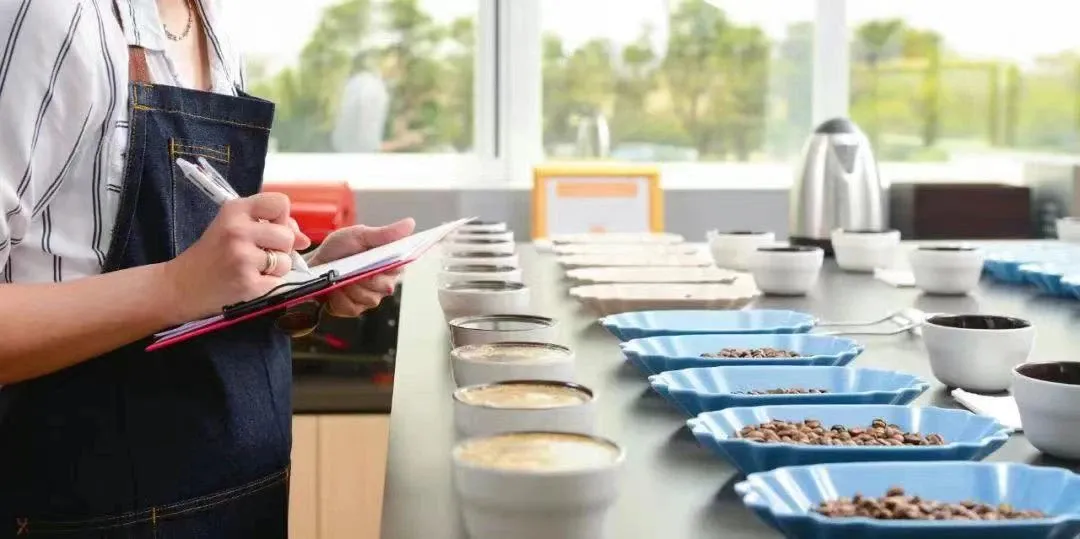
Steeping grounds directly in water not only speeds up batch evaluation but removes the influence of personal technique, revealing the beans' unfiltered character — that was cupping's founding purpose. Over time its use spread beyond trade: competitions, evaluations, and research all adopted it. For anyone in coffee, cupping remains the best way to judge bean quality and design plans for brewing, roasting, or blending.
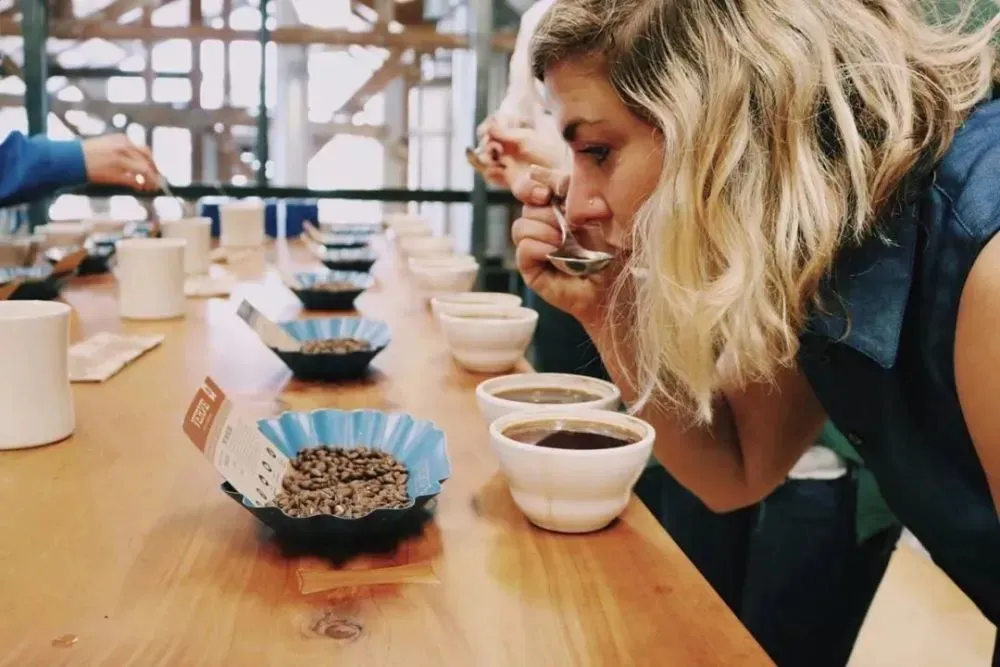
Home Cupping Guide
You can absolutely cup at home, too. Cupping not only reveals a bean's inherent flavors but also sharpens your palate. Here are the parameters and procedure FrontStreet Coffee uses.
Cupping Parameters
Cupping follows a single unified standard. All sessions use:
- Coffee amount: Set by the size of your cupping bowl
- Coffee-to-water ratio: 1:18.18
- Grind size: 75% pass-through on a #20 sieve
- Water temperature: 94°C
- Water quality: TDS 75–250ppm
- Steeping time: 4 minutes
- Tasting method: Slurping
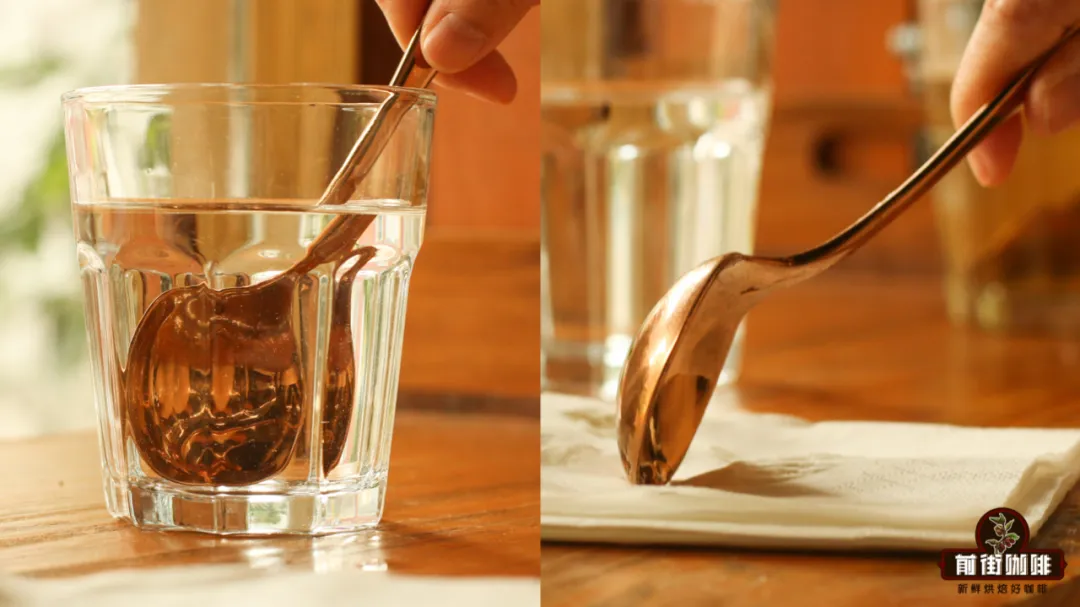
Besides the cupping bowl and spoon, prepare two glasses of water and paper towels — the water for rinsing the spoon, the towels for drying it.
Cupping Procedure
1. Grinding Coffee
Grind the beans and pour the grounds into the cupping bowl. But since you'll want to smell the dry aroma first, don't add water immediately — take a moment to appreciate the fragrance, then pour.
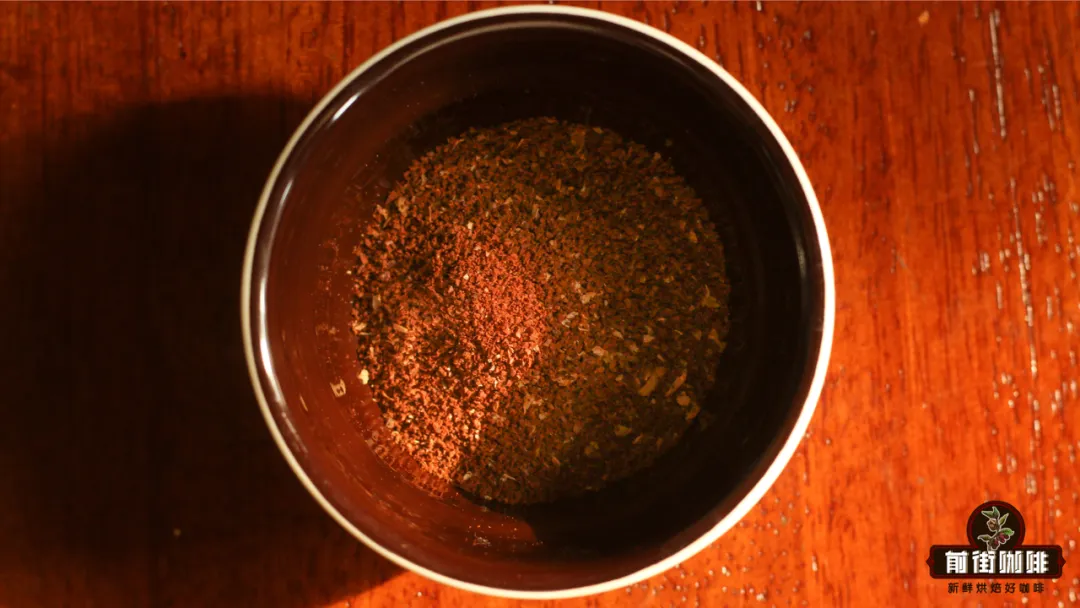
Note that coffee aromas are volatile, so keep the dry-fragrance stage within ten minutes. When you're not actively smelling, cover the bowl with anything on hand to limit air exposure.
2. Adding Hot Water
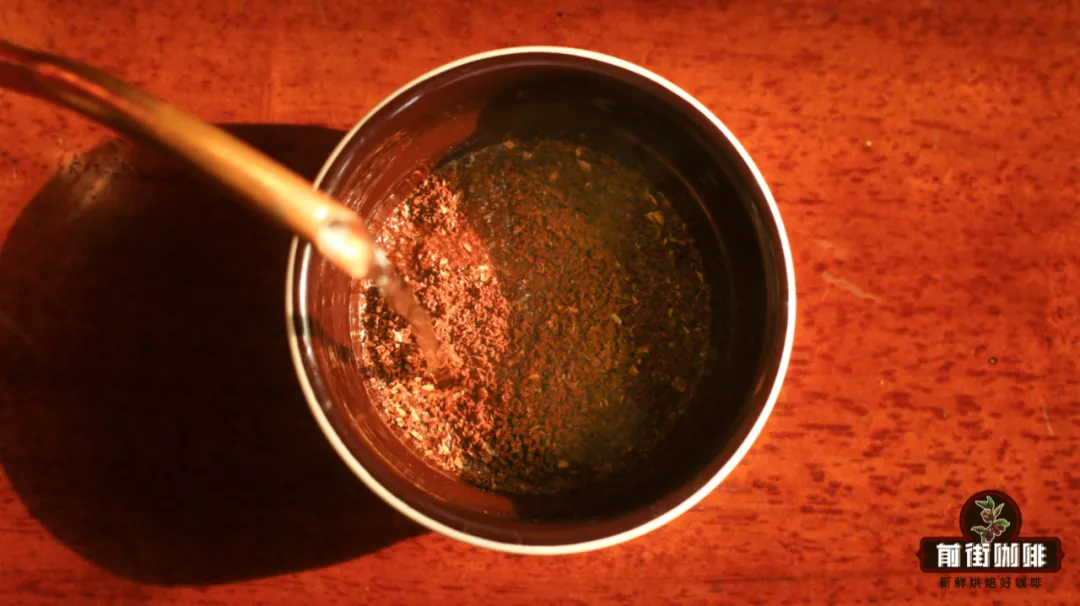
Once you've noted the dry aroma, add the water. With a professional cupping bowl you don't even need a scale — dose the standard amount of coffee and fill with hot water. (Start the timer the moment you begin pouring.) During the 4-minute wait, smell the wet aroma.
3. Breaking the Crust
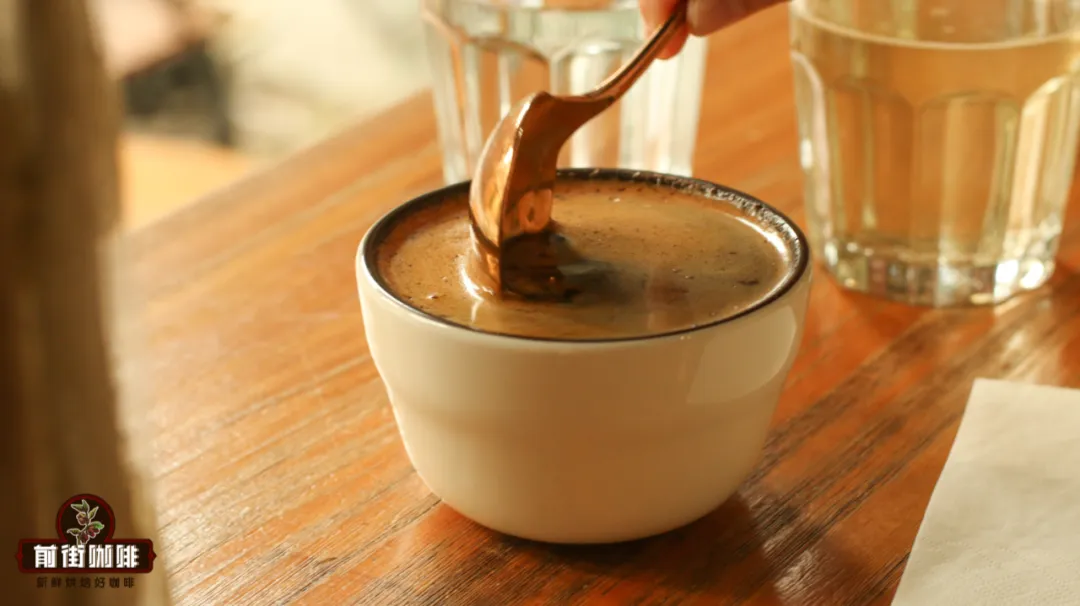
At 4 minutes, break the crust: push the cupping spoon through the surface three times, back to front. This gathers the floating grounds into one corner, readying them for removal.
4. Removing the Crust
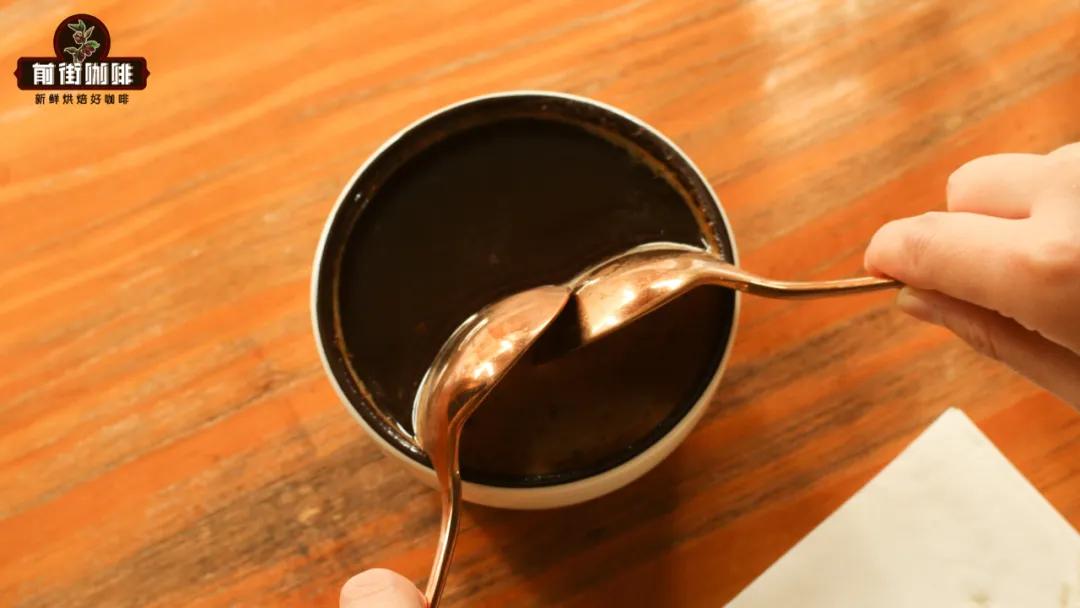
Breaking and removal are one continuous motion. After breaking, take a second spoon to "herd" the floating grounds out of the bowl. Rinse the spoon in the water glass and dry it with a towel afterward, every time, to prevent cross-contamination and dilution.
5. Tasting
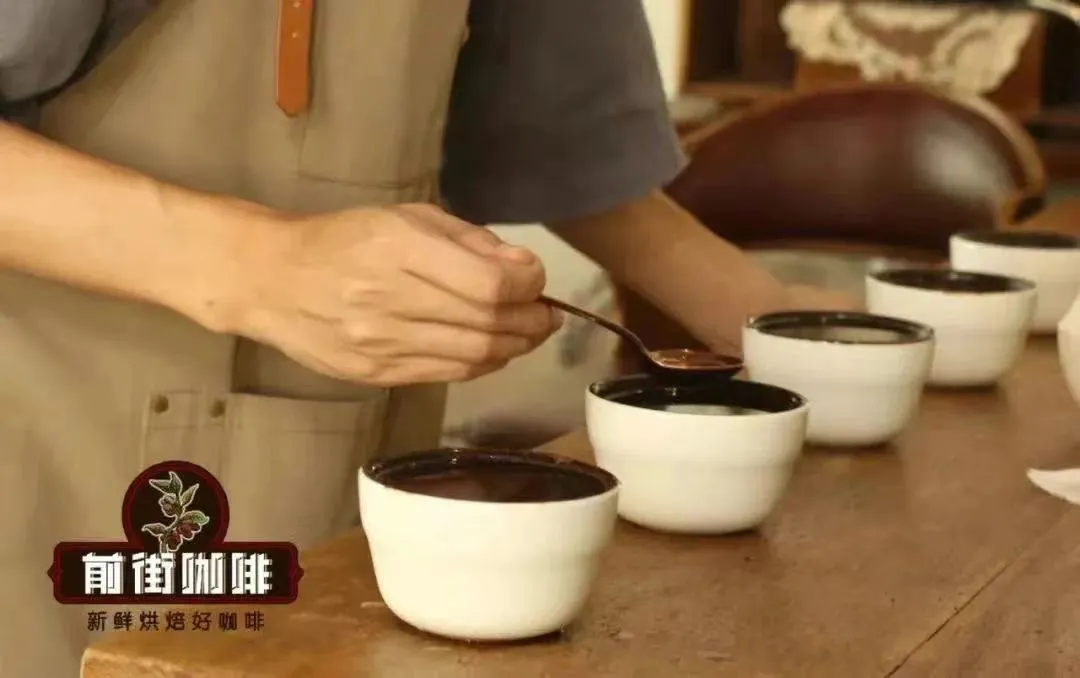
After cleanup, wait just one minute, then begin tasting: scoop a spoonful of coffee and slurp it in. (Slurping sprays the coffee across your palate and cools it fast, letting you perceive flavors more completely.) Rinse and dry the spoon between cups, always.
FrontStreet Coffee Recommendation
Cupping is also the fastest way to train your palate — and to appreciate how clean, well-processed beans stand out. Two FrontStreet Coffee picks worth putting in your next home cupping:
FrontStreet Kenya Cherry Tomato: A washed bean from Thika at 1550–1750 meters — SL28 and SL34 given Kenya's 72-hour double-washed fermentation, then a light roast. Dried cherry tomato and floral dry aroma, bright cherry tomato and dried plum in the cup, full juice-like acidity, snow pear and black plum through the middle, and a clean finish of yellow sugar and green tea. A masterclass in clarity.
FrontStreet Jamaica Blue Mountain No.1: From the historic Clifton Estate at about 4300 feet, where cool mists, sunshine, and mineral-rich soil extend ripening. At a medium-dark roast it layers nuts, dark chocolate, cream caramel, and gentle sweetness in a cup where sour, sweet, bitter, and aroma sit in perfect accord — famously the "specialty coffee easiest for most people to love."
Important Notice :
FrontStreet Coffee is a long-established specialty coffee roaster in Guangzhou China, selling freshly roasted beans from its own farm in Yunnan as well as dozens of carefully selected single-origin beans from around the world for both pour-over and espresso. The products deliver consistently excellent quality and great value, with shipping within 24 hours. Guangzhou's FrontStreet Coffee shop is recommended by many coffee lovers, and the beans are now available online at the Tmall 。
FrontStreet Coffee has moved to a new address:
FrontStreet Coffee Address: 315,Donghua East Road,GuangZhou
Tel:020 38364473
 Scan and follow the En Gafei WeChat official account. Please indicate that the reprint comes from "En Gafei".

