
Why Does the Liquid in the Filter Cone Become Transparent During Extraction? How to Prevent Pour-Over Coffee Blockage?
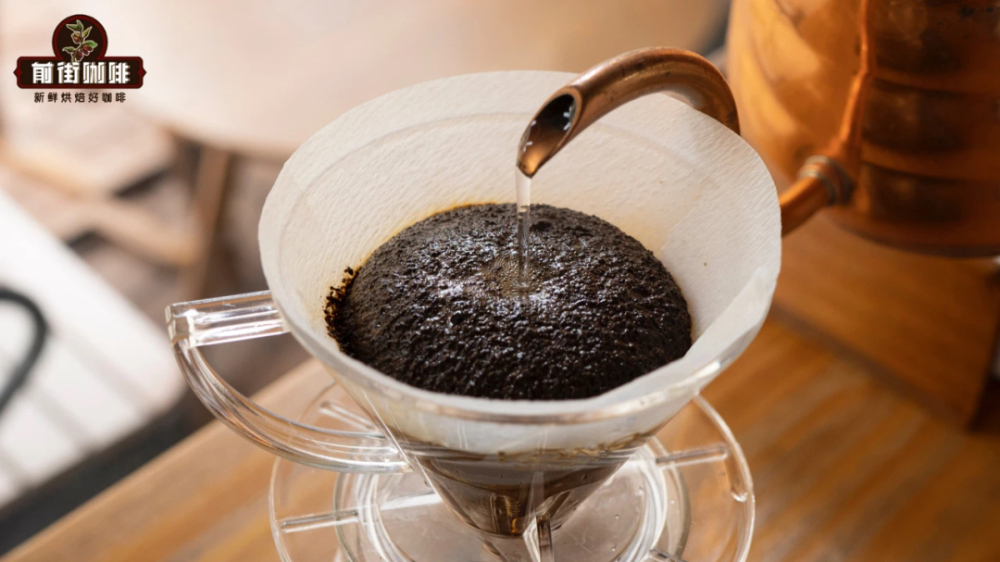
Yesterday, while browsing online, FrontStreet Coffee came across an interesting question. The original post went roughly like this: during brewing, the liquid in the filter cup should be covered by foam and low in transparency, as shown below.
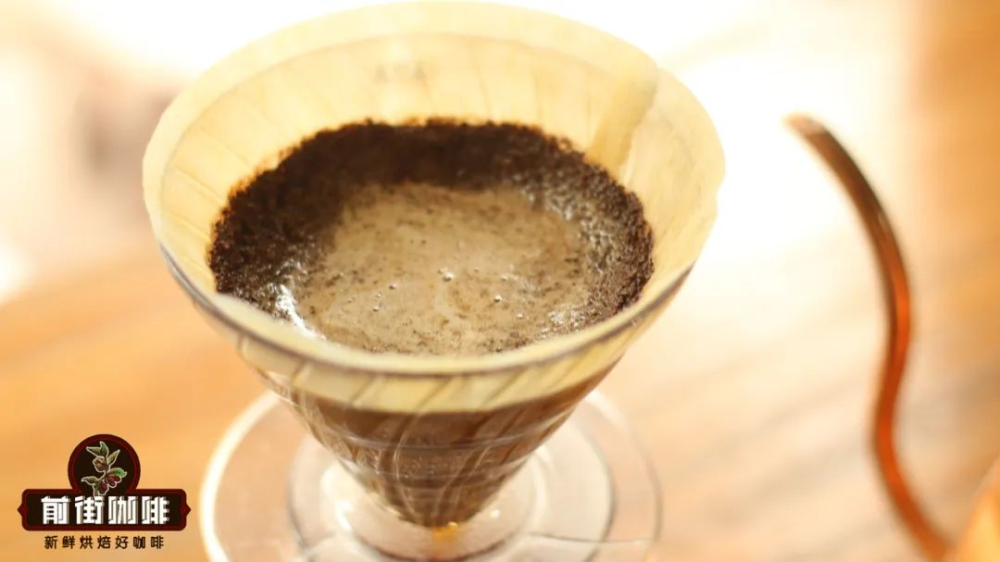
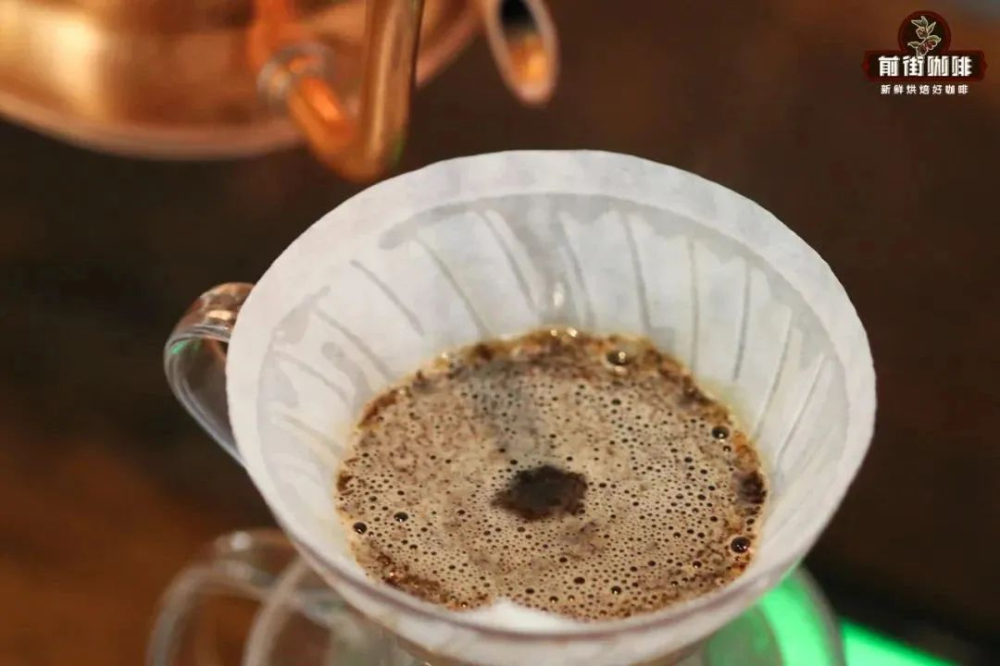
Sometimes, though, brewing produces a transparent liquid instead - nothing on the surface and high visibility, as shown below.
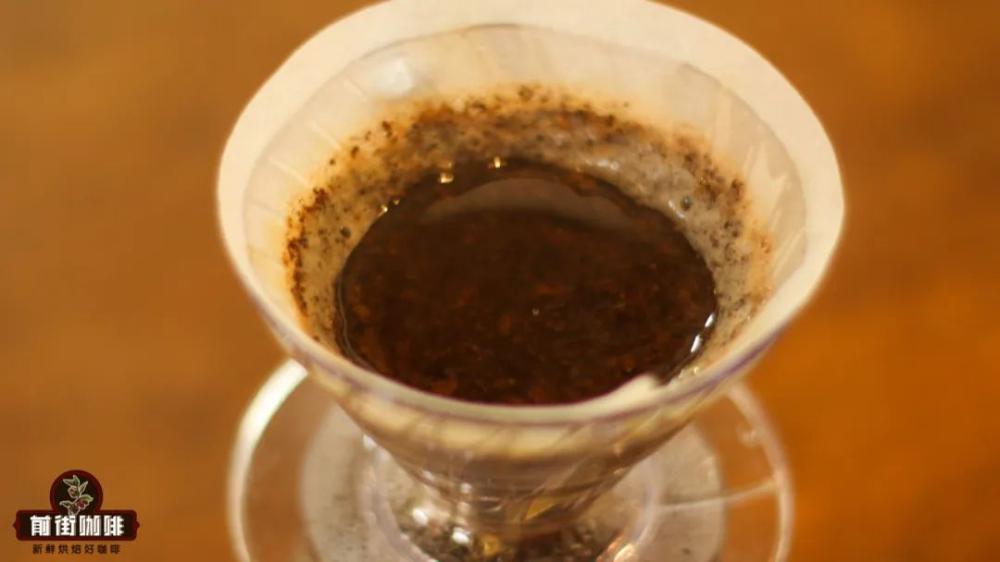
So what is going on? Some experienced drinkers will spot the problem immediately. That's right - the brew is probably blocked. This state tells you that during a prolonged extraction the fine particles and foam that had been floating on the surface have settled or drifted to the sides and were not replenished, leaving the highly visible liquid in the cup. When that happens, the extraction has been compromised and the final cup will most likely not taste good. If you see this, FrontStreet Coffee suggests adjusting a few things.
1. Grind Size
Blockages turn up often when brewing light roast beans. Light roasts extract less efficiently, so to get enough out of them people usually grind finer, which increases the amount of fines. Whatever grinder you use, the grounds will contain some powder - and the less precise the grinder, the more fines. Excess fines are more likely to clog the filter paper's holes during brewing, and the coffee ends up over-extracted because the brew runs far too long.
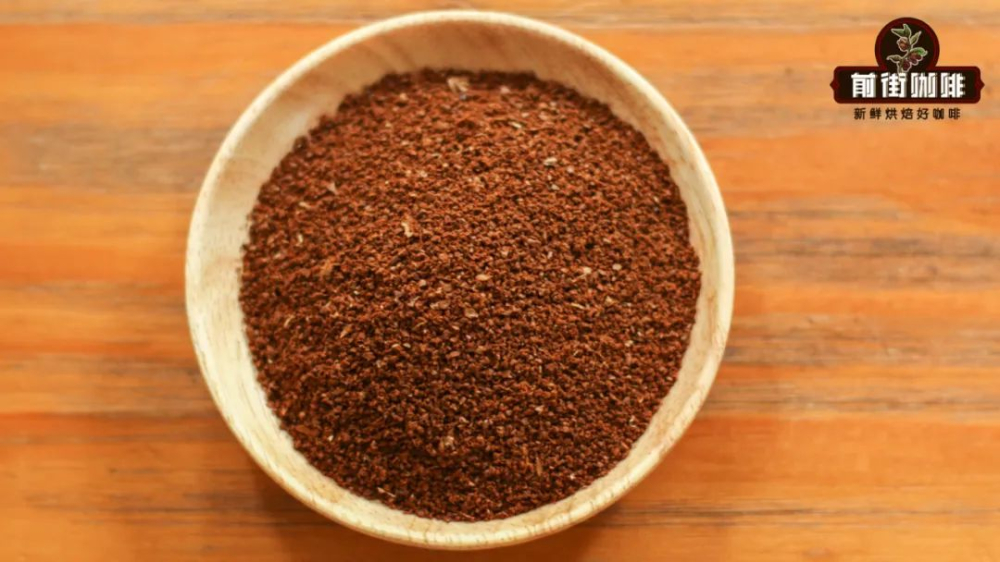
So we can coarsen the grind somewhat and raise the water temperature to improve extraction efficiency. When FrontStreet Coffee brews light roasts, for example, we use water between 92°C and 90°C with an Ek43 grind setting of 10, achieving a 75% pass-through rate on a #20 sieve. These parameters have more tolerance: they keep the extraction rate up while blockages happen less often. Alternatively, you can sift out the fines that cause the blockage without changing the grind at all.
2. Brewing Technique
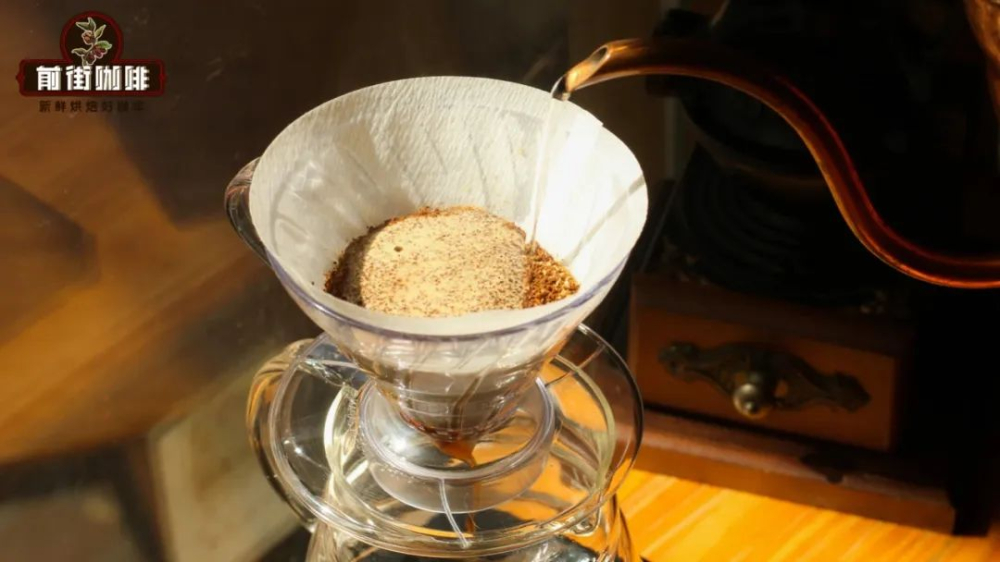
Compared with dark roasts, light roast beans have more intact fibers and greater density, so they tend to sink more easily when saturated during brewing. If the water we pour lacks the penetration force to "lift" them, they keep accumulating at the bottom and cause a blockage. FrontStreet Coffee therefore recommends increasing the water flow when brewing light roasts, which boosts penetration and lets the particles piled at the bottom tumble, reducing the chance of blockage.
3. Filter Cup
Different filter cup designs change how fast coffee liquid percolates. The V60 and the Kono are both conical filter cups, for instance, yet when we brew with the same parameters and the same method, they finish extracting at completely different times - the Kono, with its small holes and no ribs, is far slower.
So when brewing light roasts that block easily, if you are using a slower-flowing filter cup, adjust the parameters and method - coarsen the grind - to cut the chance of blockage. Beyond these factors, one more thing can raise the transparency of the liquid in the cup: bean freshness.
Bean Freshness
When coffee beans have been stored for a long time - over two months - most of the carbon dioxide that hinders extraction has dissipated. The foam produced during brewing drops off and the liquid becomes more transparent. At the same time, the beans give up their soluble compounds more easily. If we keep brewing them the usual way, it becomes very easy to extract negative compounds that hurt the flavor.
So with beans that are not as fresh, slow the extraction efficiency down a little. Shortening the brew time, lowering the water temperature, or coarsening the grind are all good options.
- END -
FrontStreet Coffee Recommendation
Brewing light roasts without blockage is mostly about the beans and the pour. FrontStreet Coffee's Yirgacheffe Gudingding is a forgiving place to start: vivid citrus, berry, and floral notes with a green-tea-like finish, and acidity that is soft and bright rather than sharp. Alongside it, FrontStreet Coffee's Ethiopia Huakui brings a bold tropical-fruit aroma of strawberry, passion fruit, jackfruit, and lychee, with clear sweetness, very little bitterness, and a smooth, juicy body - a good test of your technique because so much of its character comes from a clean, even extraction.
Whatever bean you brew, a V60's large single hole lets the flow rate follow your control, and its 60-degree cone keeps water and coffee in contact longer. Sourced through a village-level washing-station model, coffees like Gudingding are processed with the pulp stripped before drying, so their aromas come through more clearly - which means an even pour and a sensible grind are rewarded right in the cup.
Important Notice :
FrontStreet Coffee is a long-established specialty coffee roaster in Guangzhou China, selling freshly roasted beans from its own farm in Yunnan as well as dozens of carefully selected single-origin beans from around the world for both pour-over and espresso. The products deliver consistently excellent quality and great value, with shipping within 24 hours. Guangzhou's FrontStreet Coffee shop is recommended by many coffee lovers, and the beans are now available online at the Tmall 。
FrontStreet Coffee has moved to a new address:
FrontStreet Coffee Address: 315,Donghua East Road,GuangZhou
Tel:020 38364473
 Scan and follow the En Gafei WeChat official account. Please indicate that the reprint comes from "En Gafei".

