
How to Find the Right Grind Setting for Pour-Over Coffee? How to Use a #20 Sieve? How to Calculate Pass-Through Rate?
The grind setting of coffee beans is a hard brewing parameter to master. Different grinders have different settings, and different people have different ideas about particle size. Without a unified description, people can only fall back on analogies when sharing grind parameters - coarse sugar, fine sugar, flour-like consistency, and so on. Then some observant friends noticed something about FrontStreet Coffee and asked: "FrontStreet Coffee, why do you always use sieve pass rates?"
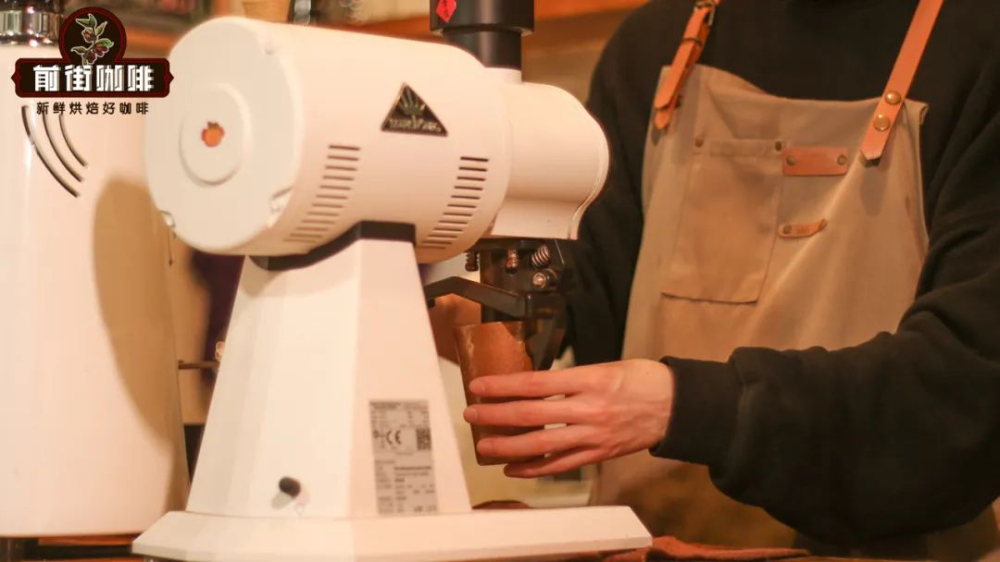
As noted, everyone has their own sense of particle size. What one person calls coarse sugar might look like fine sugar to someone else, which makes it very hard to communicate a grind setting accurately. When communication drifts, even the same beans give different flavors because the grind parameters differ. So FrontStreet Coffee adopted a "sieve calibration method." It has its limits, but it ensures that friends can brew at roughly the same grind level and keeps their results close to one another. So today, FrontStreet Coffee will explain how to use the sieve.
The Sieve Calibration Method
First, understand that no grinder, whatever its price or precision, produces absolutely uniform particles. In a single batch of ground coffee, particles from 0.1mm to 1mm may appear at once. We cannot force every particle to the same size precisely, so what we can do is keep most of them within the ideal range.
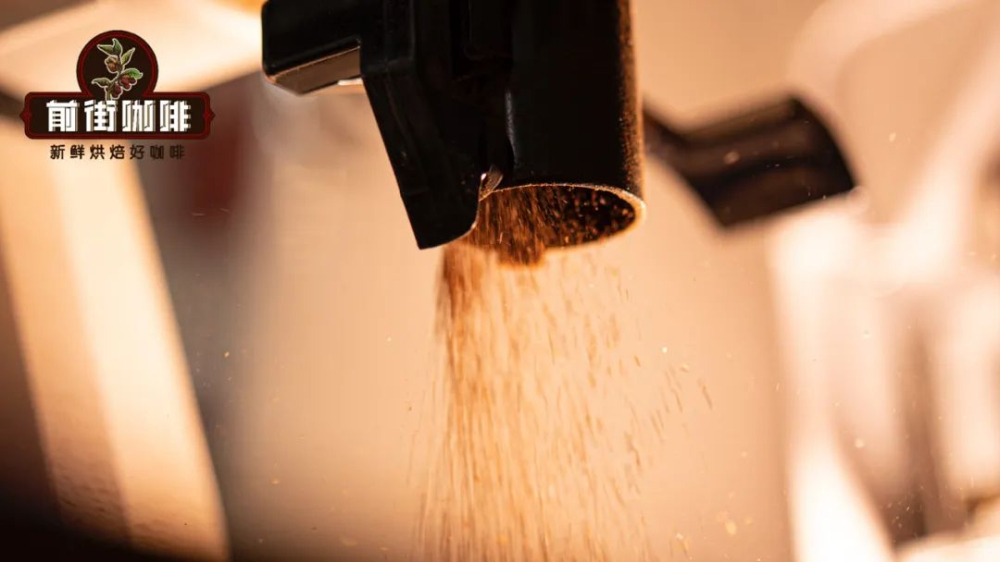
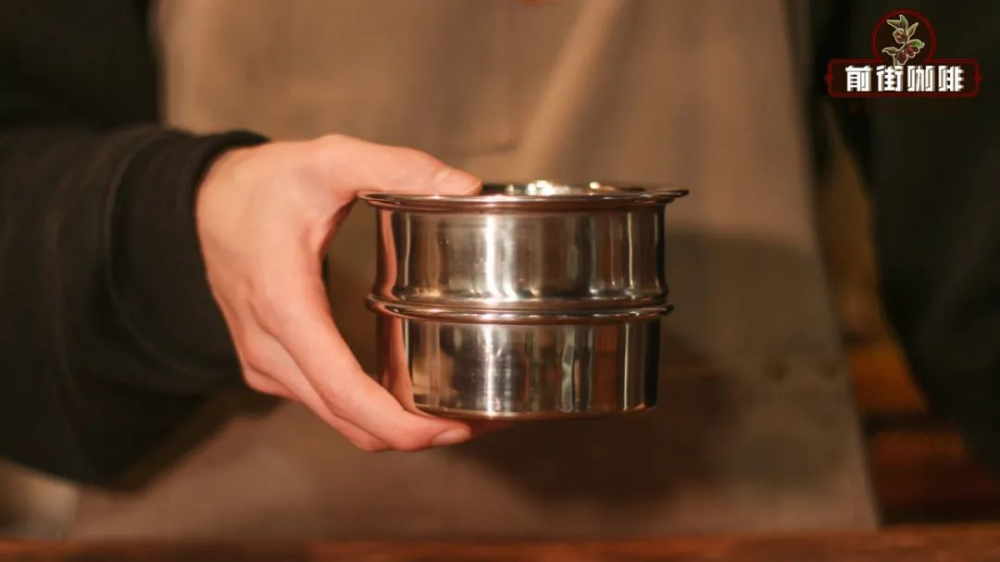
That ideal range is best kept within 0.6-0.85mm. Even if some smaller particles fall outside it, the impact will not be too great. With that in mind, we can learn the sieve calibration method. First, prepare a #20 sieve, available on major shopping platforms at very reasonable prices. Note that sellers often sell sieves separately, so when buying, choose an integrated unit rather than the sieve panel alone - otherwise it is more trouble to use.

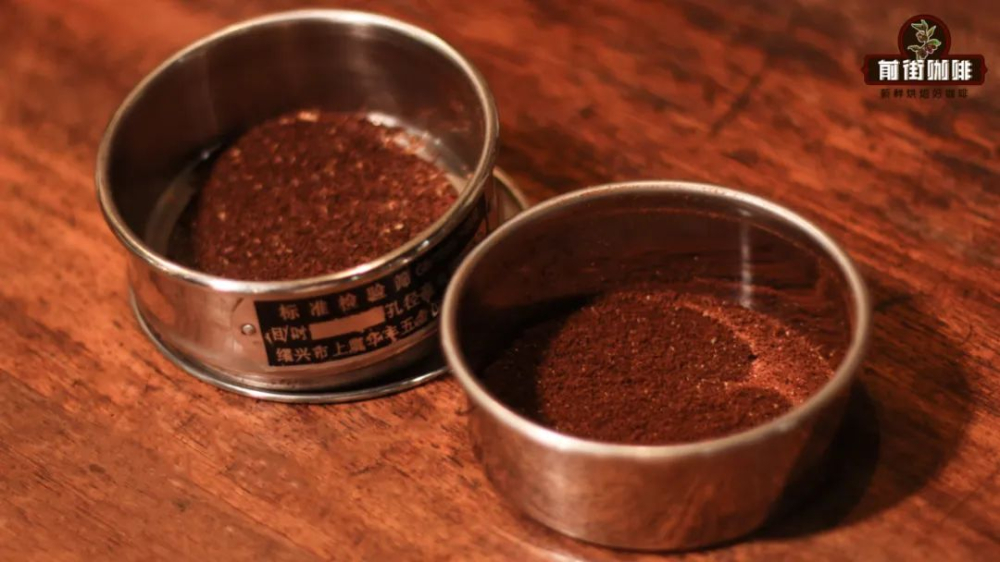
The sieve has a mesh size of 0.85mm, and its main job is to separate particles larger than 0.85mm from those smaller than 0.85mm. The value we want is the amount of powder that passes through. FrontStreet Coffee suggests a pour-over grind of 80% pass rate, meaning that in a batch of coffee powder, 80% passes through this sieve. The calculation is simple. Weigh out 10g of coffee beans, choose a grind setting you think is appropriate, and grind them. Then put the grounds in the sieve and shake it horizontally until no more particles fall - this takes about 5 minutes and can be tiring on the hands.
Next, weigh the powder that fell through and divide it by the total to get the pass rate. If 7g fell through, the pass rate is 70%. To reach 80%, adjust the grind finer and measure again until you hit the target.
The reason for targeting 80% is that this rate applies to most beans with a good margin of error. Even across different roast levels, it avoids most brewing disasters such as clogging or draining too fast. As FrontStreet Coffee mentioned, though, there is a limitation: the sieve pass rate is calibrated for grinders of decent quality. If your grinder is poor and imprecise, the particles will be very uneven - not only too many fines but also overly coarse pieces. In that case, FrontStreet Coffee recommends using brewing time as the reference for grind fineness. Taking FrontStreet Coffee's three-stage pour-over as an example, with normal parameters (15g coffee, 1:15 ratio, appropriate grind), the brew should take roughly 1 minute 50 seconds to 2 minutes 10 seconds. If it falls outside that range, the grind is too coarse or too fine, and you adjust from there.
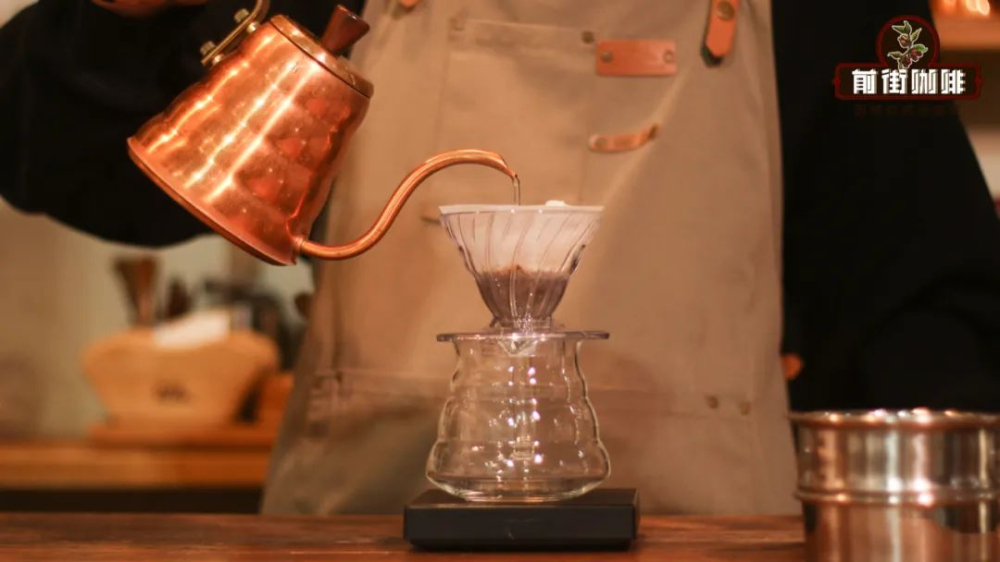
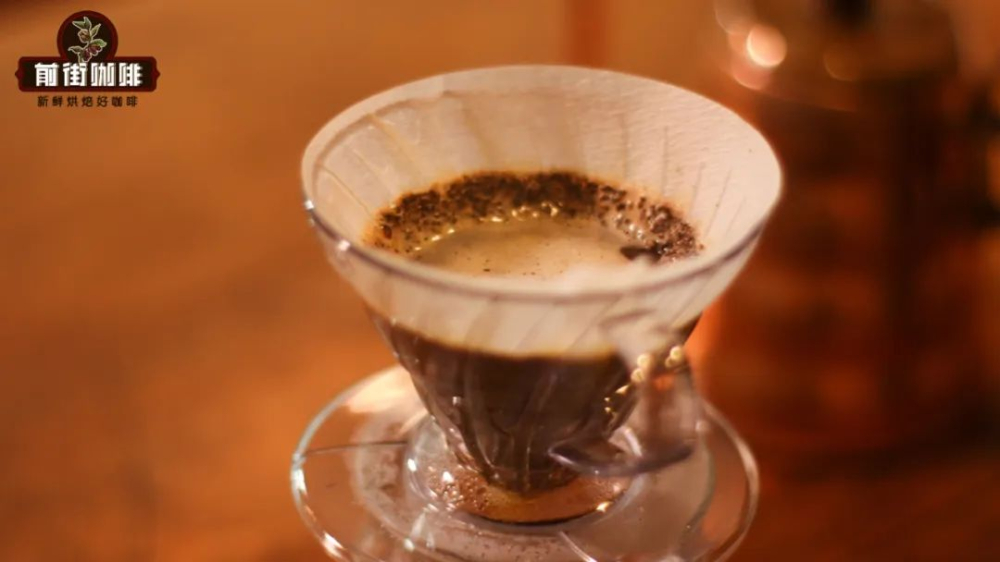
Time is not the only signal, of course - the state of the coffee bed can be read too. Under normal brewing, the bed settles at a steady rate. If the water level drops too quickly, the grind is too coarse; if it drops too slowly or clogs and the bed looks muddy, the grind is too fine. At that point, adjust accordingly to bring the grind back to normal and brew a delicious cup.
- END -
FrontStreet Coffee Recommendation
Once your grind is calibrated, the beans themselves will tell you whether you got it right. FrontStreet Coffee's Yirgacheffe Gudingding is an approachable first choice for pour-over: vivid citrus, berry, and floral notes with a green-tea-like finish, and an acidity that is soft and bright rather than sharp. FrontStreet Coffee's Ethiopia Huakui is more forgiving of small variations, with a tropical-fruit aroma of strawberry, passion fruit, jackfruit, and lychee, clear sweetness, very little bitterness, and a smooth, juicy body.
Both are light, aromatic coffees that respond well to the V60, whose 60-degree cone and single large hole extend the water's contact with the grounds and let a careful brewer draw out layered aroma and lively acidity. Brew them at the standard 1:15 ratio with a 15g dose, and an 80% pass rate on a #20 sieve is a reliable place to start - then adjust by taste and brew time.
Important Notice :
FrontStreet Coffee is a long-established specialty coffee roaster in Guangzhou China, selling freshly roasted beans from its own farm in Yunnan as well as dozens of carefully selected single-origin beans from around the world for both pour-over and espresso. The products deliver consistently excellent quality and great value, with shipping within 24 hours. Guangzhou's FrontStreet Coffee shop is recommended by many coffee lovers, and the beans are now available online at the Tmall 。
FrontStreet Coffee has moved to a new address:
FrontStreet Coffee Address: 315,Donghua East Road,GuangZhou
Tel:020 38364473
 Scan and follow the En Gafei WeChat official account. Please indicate that the reprint comes from "En Gafei".

