
An Introduction to Coffee Tasting Culture: Do You Know How Ethiopians Drink Coffee?
Ethiopia: The Birthplace of Coffee

As the birthplace of coffee, Ethiopia is a dream destination that countless coffee lovers long to visit. Yirgacheffe, Guji, Sidamo, and the country's other famous growing regions all produce coffees with strikingly distinctive flavors, and they are deeply loved by drinkers everywhere.
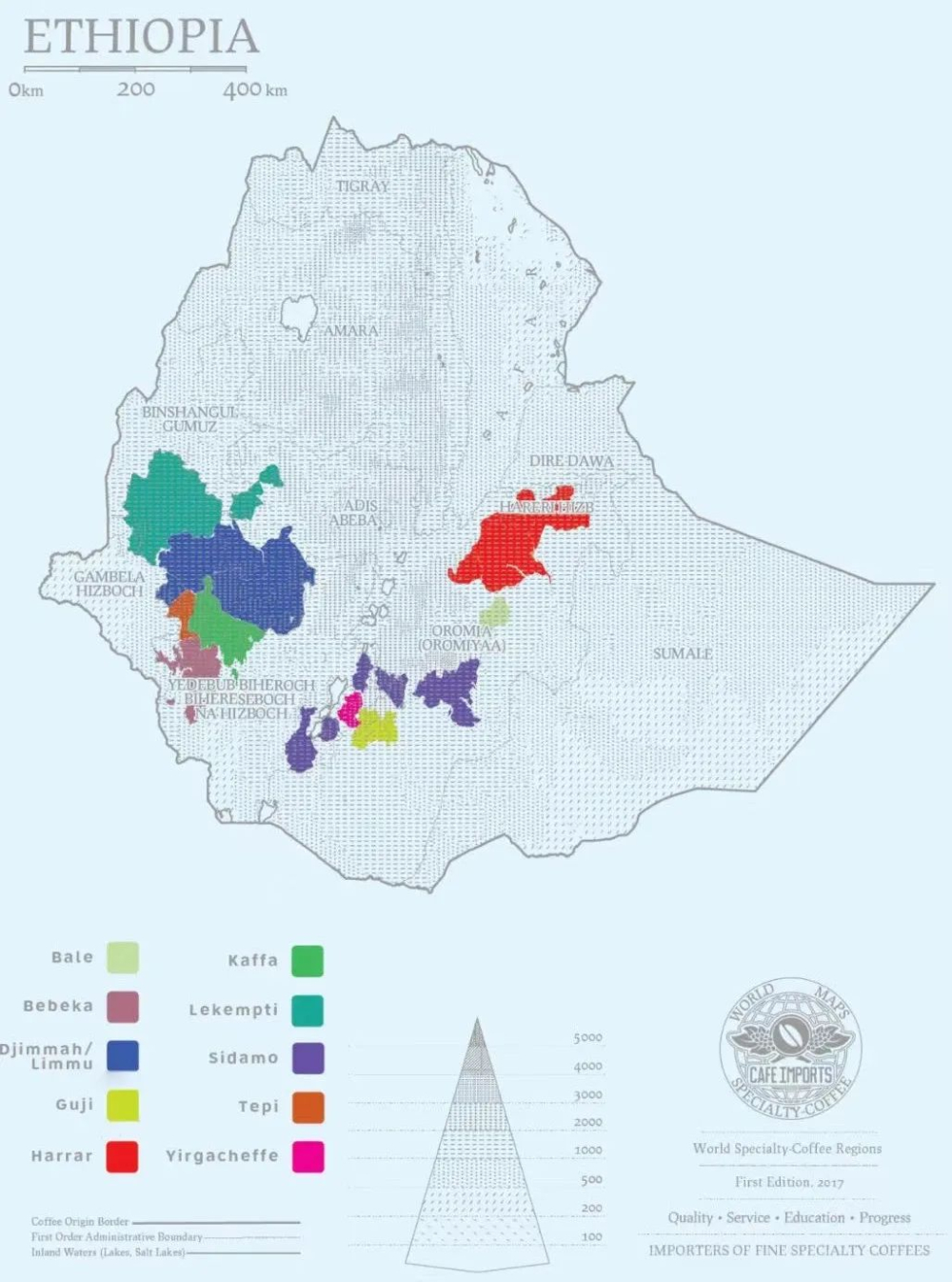
Coffee Culture in Ethiopia's Capital
Have you ever wondered how people in these regions actually prepare the delicious coffee they grow? In Ethiopia's capital, Addis Ababa, you'll find two very different kinds of coffee shop. One grew out of the coffee culture brought during the Italian occupation in World War II, and these espresso-based establishments cluster in the busy urban areas. The second kind is far more common across the country, found on practically every street corner and alley.
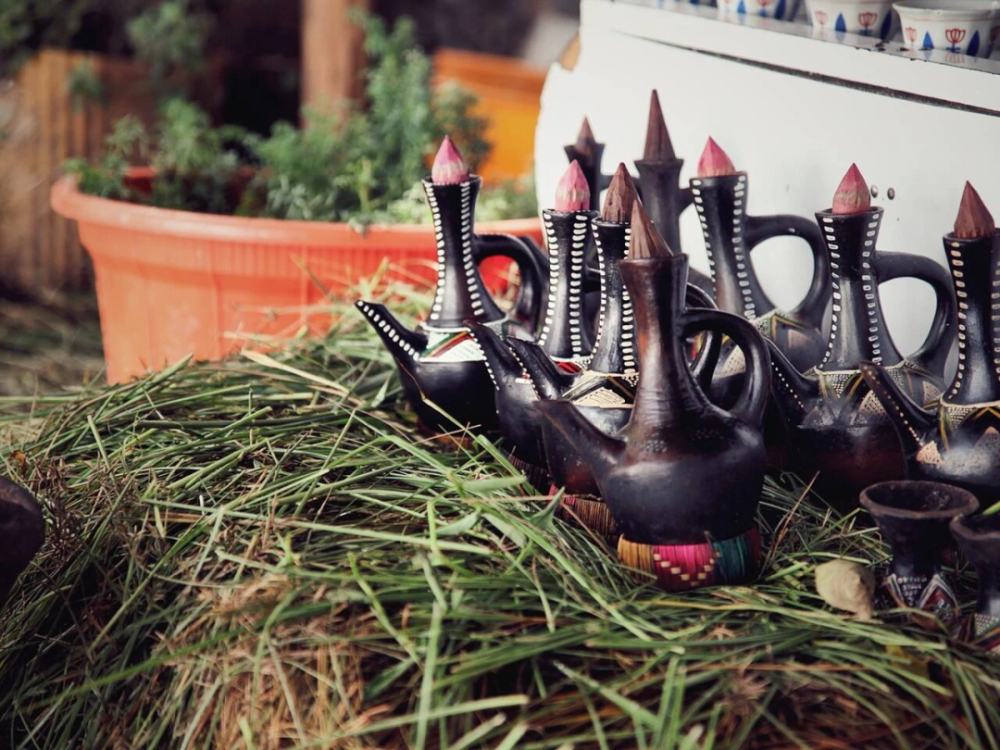
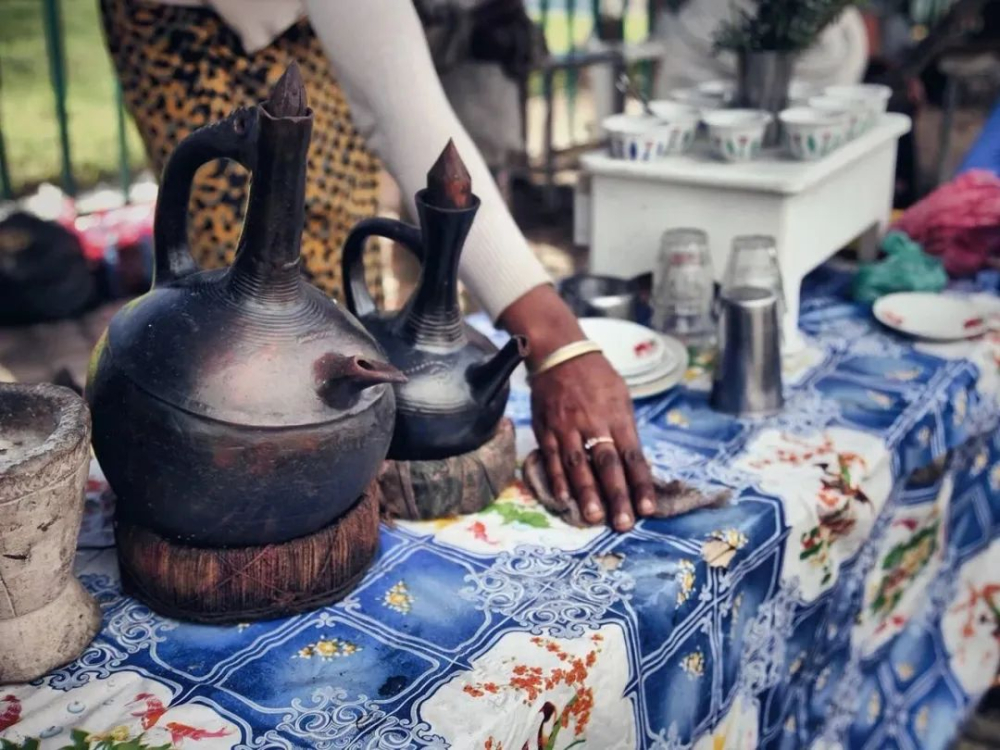
These are less coffee shops than coffee stalls, and they are quite plain. Plain as they are, what they sell is Ethiopian tradition: a way of brewing coffee that Ethiopians have kept alive for thousands of years. The stalls are crowded with cups and jars of every size, including African-style clay pots, known as jebena, and several handleless ceramic cups, all essential parts of the tradition. Alongside the pots and cups sit a stove, a flat pan, and a mortar and pestle, every one of them indispensable to the process.
The Traditional Ethiopian Coffee Brewing Process
When we drink coffee, we care about freshness, meaning we brew the beans within a certain window after roasting so we can enjoy a vivid, flavorful cup. Ethiopians value freshness too, but their idea of it is different: to them, fresh means made to order, and "making" begins with roasting the green beans. First, the stall owner adds charcoal to a rectangular stove and lights it. Once the fire is going, they set a flat pan on top, pour in raw coffee beans, and start roasting. When the beans are done, the owner takes off the pan, swaps in a clay pot of room-temperature water to heat, and pours all the beans into a cylindrical mortar to grind. Roasting through grinding takes roughly ten minutes.
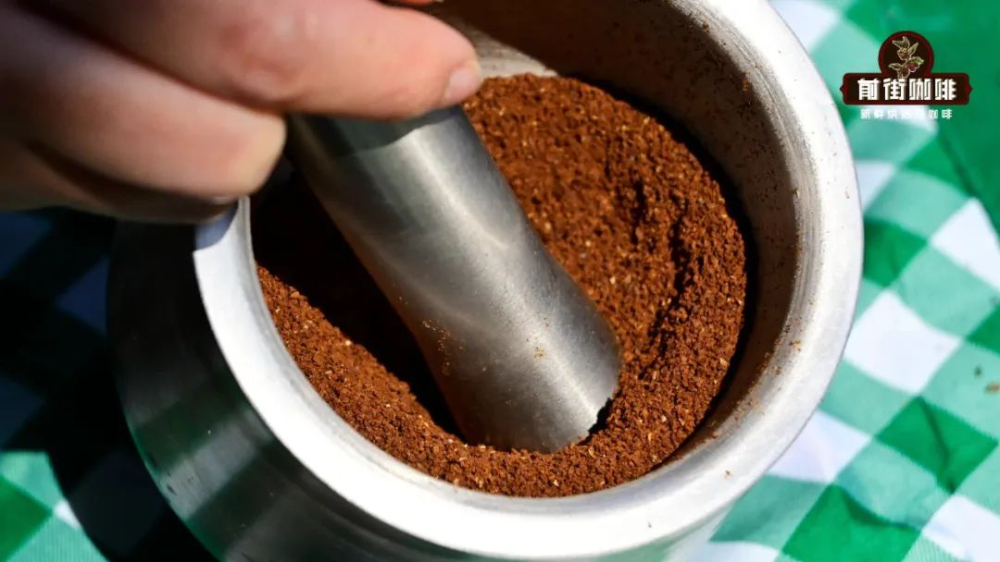
By the time the grinding is finished, the water in the clay pot has reached a boil and is bubbling hard. At that moment the ground coffee goes into the pot and the brewing begins.
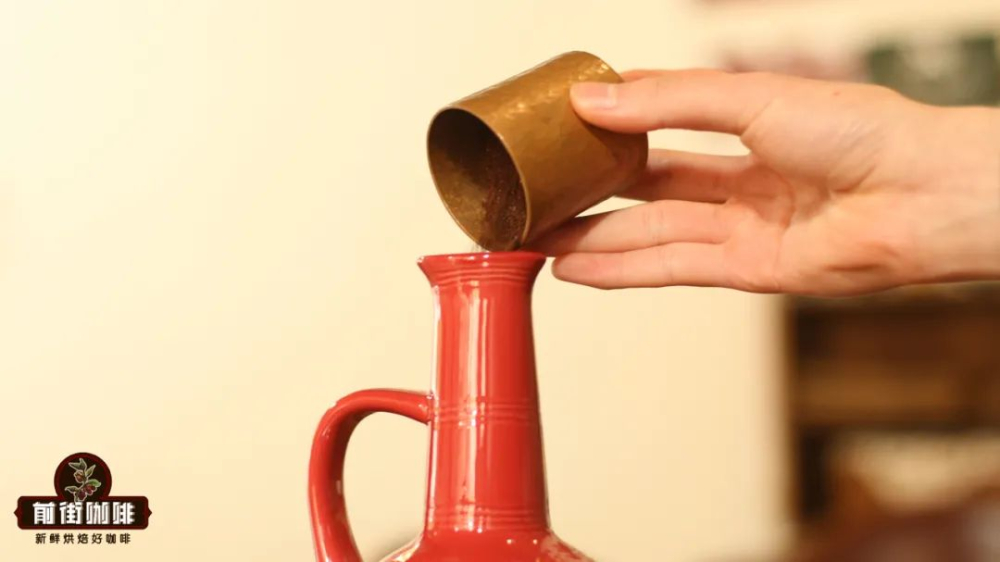
When the hot water comes to a bubbling boil once more, the coffee is ready. Pouring takes real care: move too much and the grounds settled at the bottom of the pot end up in the cup, which means drinking coffee with grit, an unpleasant experience no one wants.

Ethiopia's Coffee Consumption and Production
Watching the whole process, from roasting the beans to brewing the coffee, FrontStreet Coffee thinks anyone can see that this method looks rather crude by today's standards. Ethiopia produces nearly 6.5 million bags of coffee beans a year, and its own people drink almost 3 million of them. The remaining 3.5 million bags all go to export. That data alone shows just how much coffee Ethiopians drink.
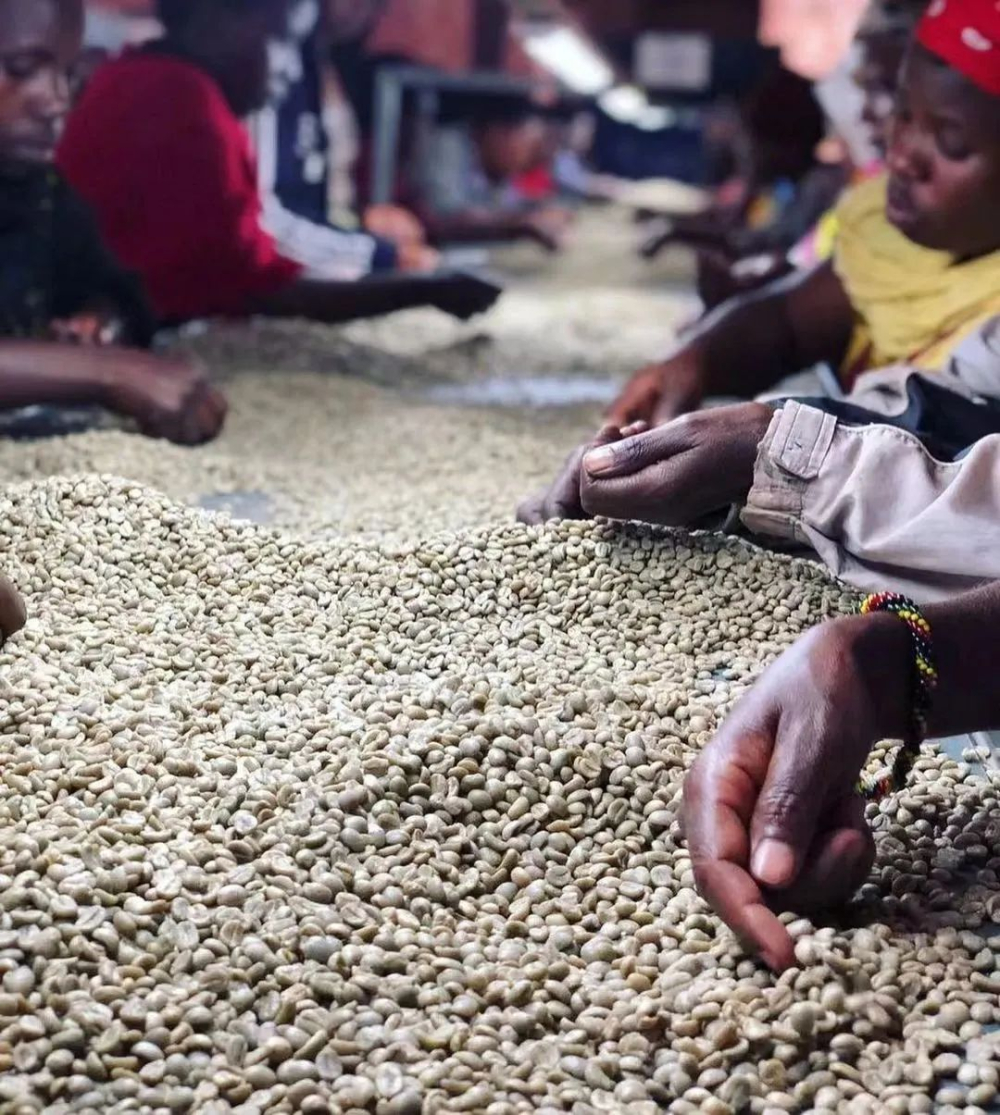
Despite that consumption, coffee technology there is not especially advanced. Given Ethiopia's economic conditions and technical limits, the beans are usually bought and shipped abroad for roasting and testing. Ethiopia itself has almost no specialty coffee roasting conditions or technology, very little at most, which means most finished coffee products sold inside the country are rather crude.
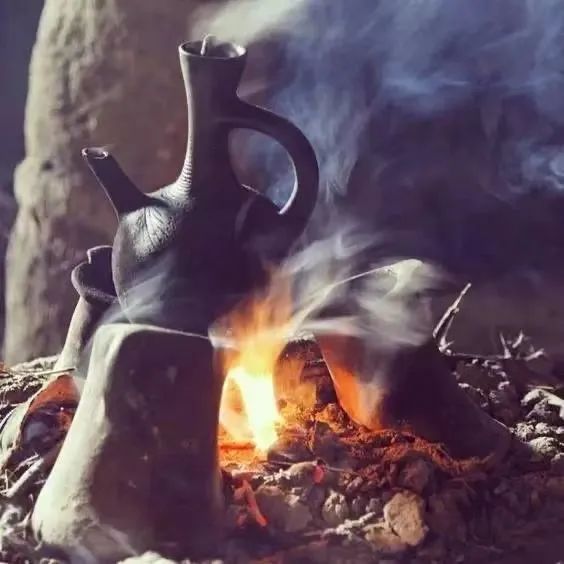
Preserving Ancient Coffee Traditions
And it is precisely because of this that Ethiopia has been able to preserve these thousand-year-old traditions. In some of the country's older villages, the coffee ceremonies that accompany this style of preparation are still kept alive today. Readers who are interested can look up FrontStreet Coffee's article "Ethiopia's Ancient Coffee Ceremony" for more detail. This way of making coffee may not suit us today, but FrontStreet Coffee believes it holds the unique charm of old-world coffee culture. To taste coffee the way it was a thousand years ago, here in 2024, is a genuinely romantic thing.

FrontStreet Coffee Recommendation
To bring a little of that Ethiopian tradition to your own cup, start with FrontStreet's washed Yirgacheffe. It is the classic introduction to the region, known for white jasmine florals, bright citrus and lemon acidity, and a tea-like body, all at a friendly price that has made it the first specialty bean for many new drinkers. Yirgacheffe is a small town in southern Ethiopia's Sidamo zone, with coffee trees planted above 1,800 meters in one of the highest growing regions in the world.
If you want to go deeper into the country's cooperative model, FrontStreet's Gutingding cooperative coffee is a great next step. Its traditional washed processing brings out delicate jasmine florals and a bright citrus and lemon acidity, making it a natural fit for pour-over, cold brew, or espresso. For a sweeter, fruitier Ethiopian cup, FrontStreet's sun-dried Yirgacheffe Red Cherry is worth trying, with citrus acidity, a berry-juice body, honey sweetness, and a creamy smoothness.
Important Notice :
FrontStreet Coffee is a long-established specialty coffee roaster in Guangzhou China, selling freshly roasted beans from its own farm in Yunnan as well as dozens of carefully selected single-origin beans from around the world for both pour-over and espresso. The products deliver consistently excellent quality and great value, with shipping within 24 hours. Guangzhou's FrontStreet Coffee shop is recommended by many coffee lovers, and the beans are now available online at the Tmall 。
FrontStreet Coffee has moved to a new address:
FrontStreet Coffee Address: 315,Donghua East Road,GuangZhou
Tel:020 38364473
 Scan and follow the En Gafei WeChat official account. Please indicate that the reprint comes from "En Gafei".

