
The Development of Panama BOP, Volcán Region, and Introduction to Hacienda La Esmeralda Geisha
Coffee Auctions: A Gateway to Premium Coffee
In the coffee industry, auctions are very important events. They are usually held alongside regional or national coffee competitions, and the winning coffees can be sold directly at auction. Auctions can generate high bids for high-quality coffee, improve awareness of origins, varieties and processing methods, and give farmers broader market access and greater income efficiency, which in turn encourages the production of high-quality coffee. Today, BOP and COE are the two most famous and successful auctions in the industry.
Best of Panama (BOP)
BOP stands for Best of Panama. This auction platform is designed and organized by the Specialty Coffee Association of Panama (SCAP), a non-profit association of coffee growers and processors in Panama.

The Development of BOP
Before 1989, coffee prices were controlled by the International Coffee Agreement. That system collapsed in 1989, leading to a sharp drop in coffee prices. Under those conditions Panama's coffee market also collapsed. At such low prices, no one in Panama could keep operating, so a new solution was urgently needed. Panama therefore decided to try specializing in premium coffee and established the Specialty Coffee Association of Panama in the early 1990s. The first Best of Panama launched in 1996. By 2002, at the second BOP auction, the award-winning coffee sold for $2.37 per pound, which at the time was already five times the world market price. The auction event brought Panamanian producers far more exposure with the international community.
The Volcan Coffee Region
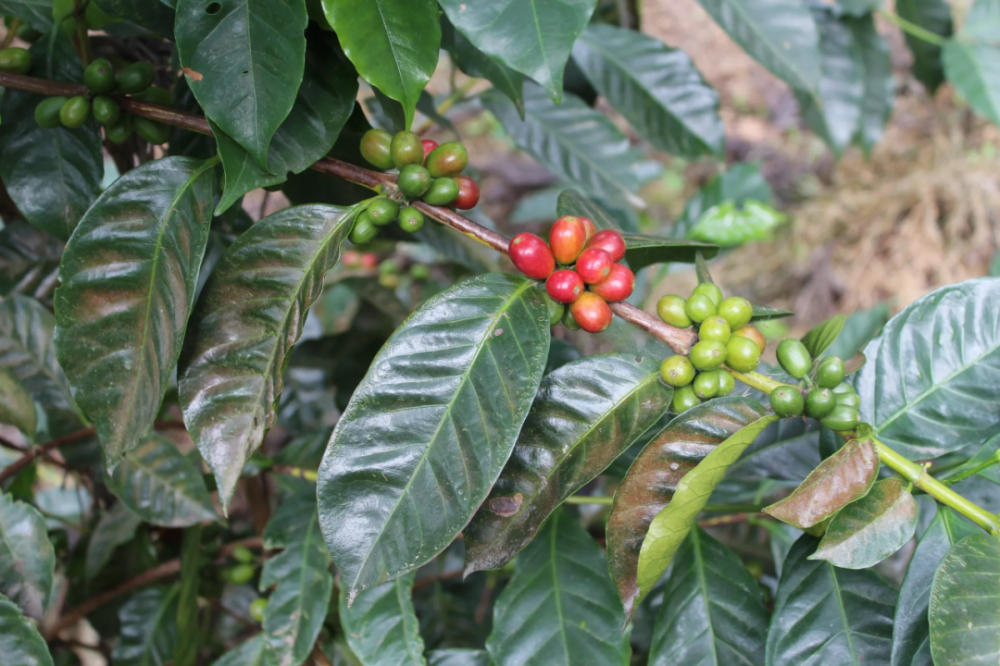
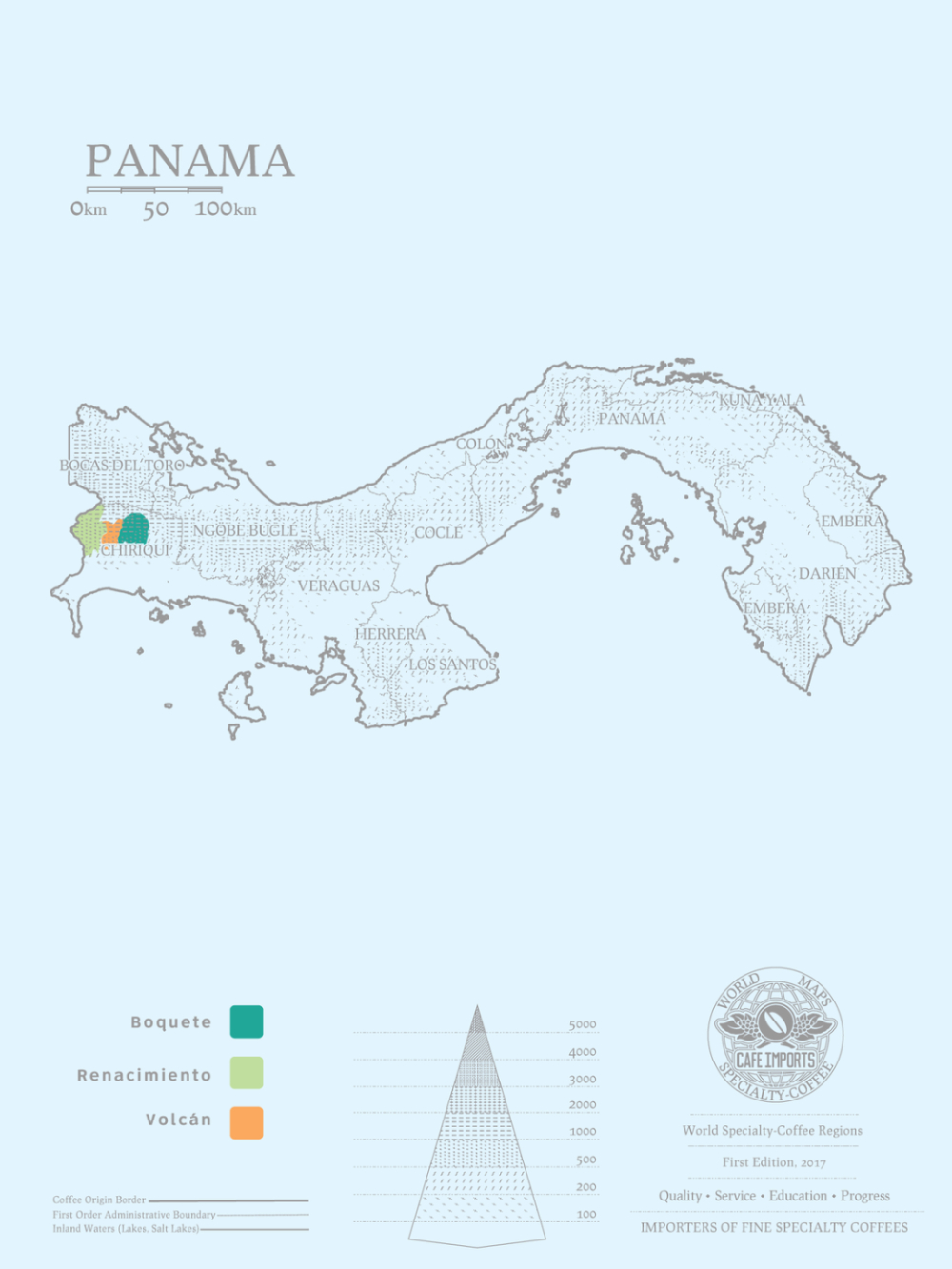
When people talk about Panamanian coffee, many think of the Boquete region, but in recent years excellent estates from the Volcan region have also appeared frequently at BOP. The Volcan region sits at an altitude of 1200 to 1600 meters, with less rainfall than Boquete, but its position on the western side of Baru Volcano gives the coffee strong dried-fruit flavors, higher sweetness and more abundant aroma. There are now many well-known estates in the Volcan region, such as Finca Hartmann.
Finca Hartmann
Finca Hartmann was established in the 1940s and can be called a pioneer in developing the Volcan coffee region. The estate holds 500 hectares of land but still preserves most of its original forest. The coffee-growing area accounts for only about 20% of the whole estate. Thanks to that forest protection, the estate is home to quite a few native birds, and the locally famous toucan has naturally become its standard logo. The estate sits in the Baru Volcano area, with nutrient-rich volcanic soil, and towering primeval forest provides the best shade-growing environment, which produces coffee with higher sweetness and brighter acidity. The estate grows many varieties, including Typica, Caturra, Bourbon and Geisha.
FrontStreet Coffee's Experience
FrontStreet Coffee has also acquired Geisha beans from Finca Hartmann. The Geisha beans FrontStreet Coffee acquired use anaerobic natural processing. Brewing with a V60 at a 1:15 ratio, you can smell elegant white floral aromas. On the palate you get bergamot, pineapple and blueberry across multiple layers. As the temperature drops slightly, it takes on an Earl Grey tea-like mouthfeel with a long-lasting aftertaste.
FrontStreet Coffee Recommendation
BOP put Panama on the map, and the bean that did it was Geisha, so the natural place to start is the FrontStreet Boquete Geisha. It is an estate-grade, entry-level Geisha planted at 1,600 meters in fertile volcanic ash soil, and it brews with the variety's signature jasmine, green tea, honey, citrus and orange notes. Nearby, the FrontStreet Emerald Estate Green Label blends lots from several plots to express the estate's signature high-altitude Geisha profile at a friendlier price, a good way to compare against a single-plot bottling.
For the top of the range, the FrontStreet Emerald Estate Red Label is harvested from a single plot at 1,700 meters and above, with each lot cupped at 91 points or higher, showing a refined orange-blossom-honey character. And if Geisha's low yields and delicate plants are the reason it commands such prices, the FrontStreet Geisha Village Gold Label from Ethiopia is a Geisha 1931 selection that makes up about 10% of the village's total output and is often chosen by competition baristas.
Important Notice :
FrontStreet Coffee is a long-established specialty coffee roaster in Guangzhou China, selling freshly roasted beans from its own farm in Yunnan as well as dozens of carefully selected single-origin beans from around the world for both pour-over and espresso. The products deliver consistently excellent quality and great value, with shipping within 24 hours. Guangzhou's FrontStreet Coffee shop is recommended by many coffee lovers, and the beans are now available online at the Tmall 。
FrontStreet Coffee has moved to a new address:
FrontStreet Coffee Address: 315,Donghua East Road,GuangZhou
Tel:020 38364473
 Scan and follow the En Gafei WeChat official account. Please indicate that the reprint comes from "En Gafei".

