
World's Top 10 Coffees: The Pioneer of Colombian Coffee Icons - Juan Valdez
Coffee lovers who enjoy Colombian coffee are almost certainly familiar with the barista and his mule — Juan Valdez, quite possibly the most famous coffee grower in history. You may have spotted him on television or even in the movies, and those in the know affectionately call him "Uncle Juan."
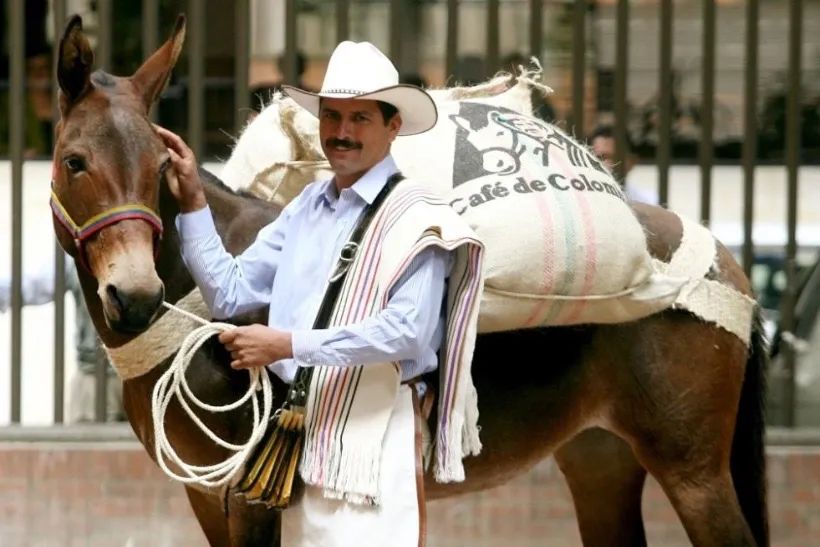
Who Is Uncle Juan?
In truth, "Uncle Juan" (Juan Valdez) is a symbolic figure of Colombian coffee created and introduced in 1959 by the Colombian Coffee Growers Federation (FNC) — and yes, Uncle Juan is entirely fictional!
The story of Uncle Juan begins with the story of Colombia's coffee growers. Today, Colombia has roughly 550,000 coffee growers who own their own small farms. Counting family members and everyone else directly or indirectly involved in the coffee trade, millions of Colombians make their living from coffee.
And whenever Uncle Juan comes up, it is hard to overlook the mule "Conchita" trailing behind him, laden with sacks of Colombian coffee.
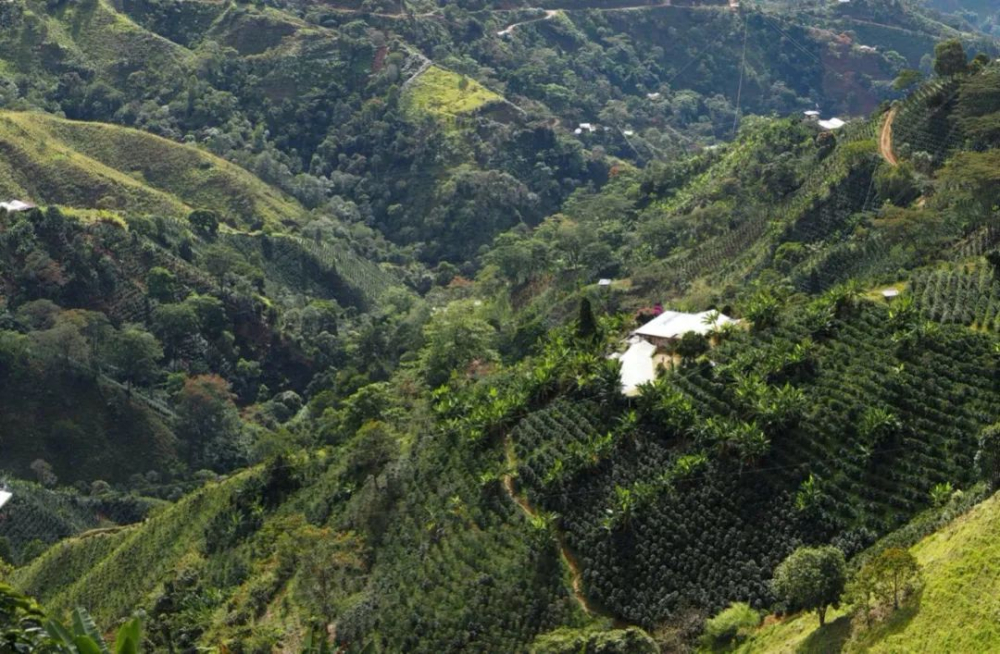
In Colombia, farmers really do rely on mules to haul coffee down from the mountains. The country's main coffee-growing regions are spread across three Andean cordilleras running roughly parallel to one another, and the rugged mountain roads make transport difficult. That is why mules became the farmers' preferred means of getting beans from farm to road. Thanks to this distinctive geography, even in an age of advanced transportation and technology, mules remain one of the coffee farmer's most dependable helpers.
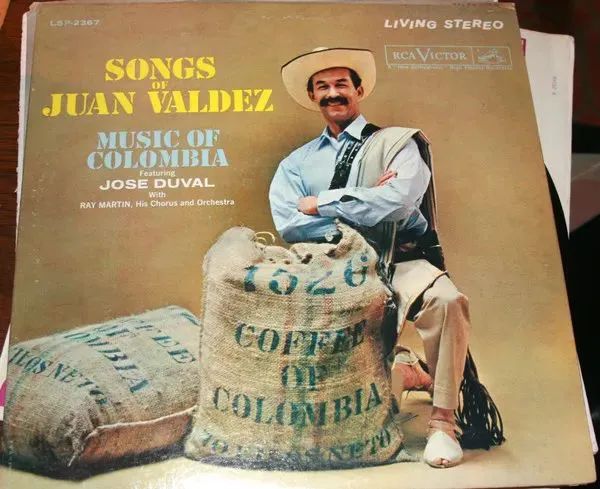
In a sense, Juan Valdez — with his mule, thick mustache, work clothes, a Colombian-style poncho draped over his shoulders, and the distinctive Aguadeño straw hat — stands in for the entire community of coffee growers. Although he was modeled on typical male growers from the Paisa region of central Colombia, his image represents every coffee farmer in the country.
The Historical Origins of Uncle Juan
The FNC was founded in 1927 with a mandate to improve and promote the quality of Colombian coffee. After three decades of development, Colombian coffee had earned the recognition and trust of many of the world's major coffee brands. Yet consumers at the time had little sense of what Colombian coffee actually tasted like, because most of it disappeared into blends.
The American market was absorbing 77% of Colombia's coffee production, yet only about 4% of American consumers knew Colombia was even a coffee-producing country. To change that and to boost Colombian coffee consumption in the United States, the FNC hired the New York advertising agency DDB in 1958 to launch a campaign. The agency's suggestion: create a symbolic character to represent all Colombian coffee growers and serve as the face of the promotion.
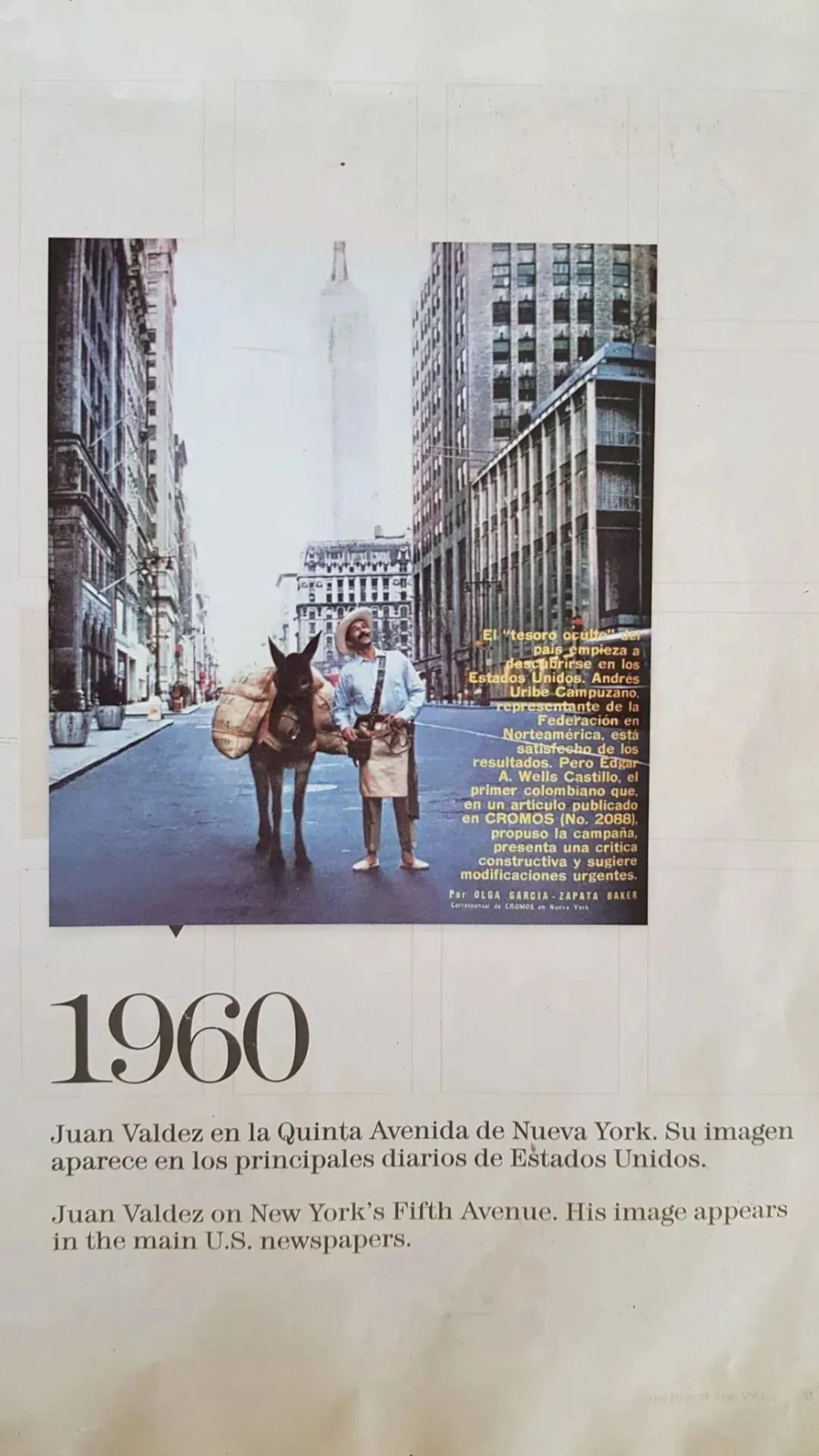
One year later, the charismatic and enduring "Uncle Juan" and his mule "Conchita" were born, created to market Colombian coffee as a single-origin product and a byword for quality. It is said that within just five months of Uncle Juan's debut, the number of Colombian coffee consumers grew by nearly 300%. The campaign was a runaway success, and the character once ranked among the five most recognized brand images in the world.
Uncle Juan's arrival gave consumers something concrete to associate with Colombian coffee. On television they could watch growers planting, harvesting, and processing coffee in the Andes, and gradually they began to recognize origin as a mark of quality — and to care about it. Just as wines from certain regions and countries earn special appreciation, coffee was finally getting its moment in the sun.
The Colombian Coffee Triangle Logo and Uncle Juan
The Colombian Coffee Triangle logo we know today dates from the early 1980s. To help Colombian coffee win consensus among consumers worldwide and to guarantee that drinkers got the purest Colombian coffee, the FNC set up ingredient-brand partnerships with coffee roasters, ensuring 100% Colombian green coffee at the source — the "100% Café de Colombia" program that continues to this day.
In 1981, again designed by DDB, the logo took shape around Juan Valdez and his mule Conchita, set against a triangle symbolizing the Andes Mountains, with "100% Café de Colombia" written beneath. This seal helped Colombian coffee emerge on the world map as a single-origin coffee, built brand recognition and a sense of belonging among consumers, and gave them a much clearer idea of exactly where their coffee came from.
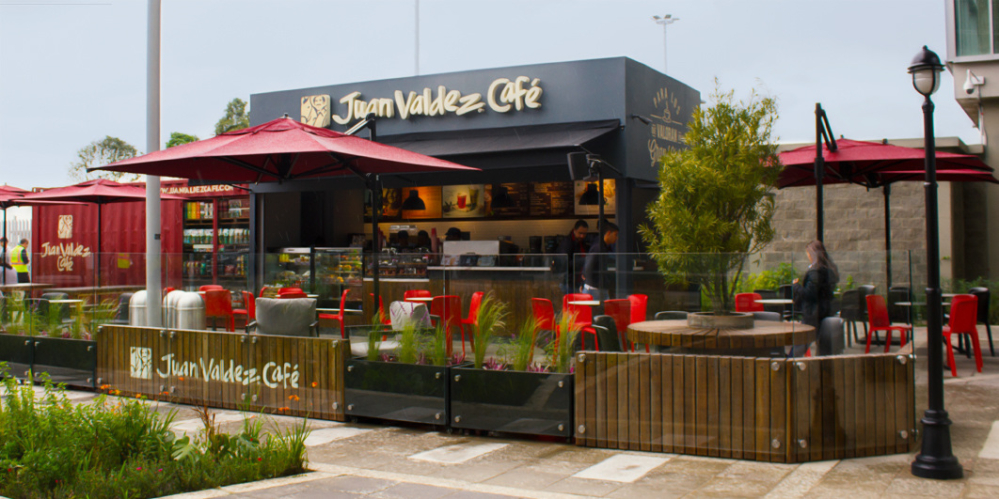
Today, Uncle Juan is far more than a symbolic figure. Juan Valdez Café, a namesake coffeehouse chain founded in 2002, operates hundreds of stores in roughly a dozen countries around the world. There you will find traditional Colombian tiles, vertical gardens that recall the lush vegetation of the coffee regions, and wooden tables made from recycled coffee trees — plus the familiar burlap export bags.
If you have read this far, perhaps you are a little curious about "Uncle Juan" yourself. When the chance arises, go and experience the unique charm of Colombian coffee for yourself!

FrontStreet Coffee Recommendation
Colombian coffee is remarkably versatile: it works in espresso blends just as well as it does as a single-origin pour-over, and the flavor spectrum runs from fruity and bright to full-bodied and rich, with some lots prized mainly for their floral aroma. Whatever your preference, there is a Colombian coffee to match.
FrontStreet Coffee Colombia Huila: Huila, in the southern part of Colombia's central mountain range, is the country's most celebrated specialty coffee region — a landscape of hills ringed by mountains, with plantations above 1,500 meters and the confluence of Colombia's most important rivers supplying abundant water. FrontStreet Coffee's washed Huila beans are roasted medium-dark to bring out the sweetness of dark chocolate and nuts, with a moderate body and smooth mouthfeel. They suit pour-over and French press, and also pull beautifully from a moka pot or espresso machine for Americanos and lattes.
FrontStreet Coffee Colombia Frontera Estate Sidra: Colombian coffee has traditionally been washed, but innovative processing methods have taken off in recent years. Anaerobic fermentation — sometimes called carbonic maceration — is fermentation in a low- or zero-oxygen environment, typically in a pressure-resistant stainless steel tank where temperature, time, and pH are all controlled. The best-known versions are anaerobic natural and anaerobic washed. FrontStreet Coffee's Sidra is an anaerobic natural; after oxygen-free fermentation the coffee develops rich tropical fruit aromatics, and roasted medium-light for pour-over, cold brew, drip bags, or moka pot, it delivers layered notes of passion fruit, grape, apricot, and dried fruit.
FrontStreet Coffee Signature Espresso Blend: If you brew with a home espresso machine or a moka pot, the baristas at FrontStreet Coffee heartily recommend their Signature Blend — an espresso developed for café use that combines the creamy nuttiness of Brazilian coffee with the deep, dark chocolate bitterness of Colombian coffee. It produces a fine, golden crema, pairs beautifully with milk for a rich, silky latte, is very beginner-friendly, and also serves as a solid base for Americanos, cappuccinos, mochas, and other classic espresso drinks.
Important Notice :
FrontStreet Coffee is a long-established specialty coffee roaster in Guangzhou China, selling freshly roasted beans from its own farm in Yunnan as well as dozens of carefully selected single-origin beans from around the world for both pour-over and espresso. The products deliver consistently excellent quality and great value, with shipping within 24 hours. Guangzhou's FrontStreet Coffee shop is recommended by many coffee lovers, and the beans are now available online at the Tmall 。
FrontStreet Coffee has moved to a new address:
FrontStreet Coffee Address: 315,Donghua East Road,GuangZhou
Tel:020 38364473
 Scan and follow the En Gafei WeChat official account. Please indicate that the reprint comes from "En Gafei".

