
Rare Coffee Varieties: Introduction to Geisha, Eugenioides, Wush Wush, and Laurina
Coffee divides into three major varieties: Arabica, Robusta, and Liberica. Arabica and Robusta are by far the most commonly cultivated commercially today. As the industry has developed, coffee varieties have been transplanted, mutated, and cross-bred again and again, producing a great many types. Beyond well-known varieties such as Bourbon, Typica, Caturra, and Gesha, there are also some relatively rare ones.
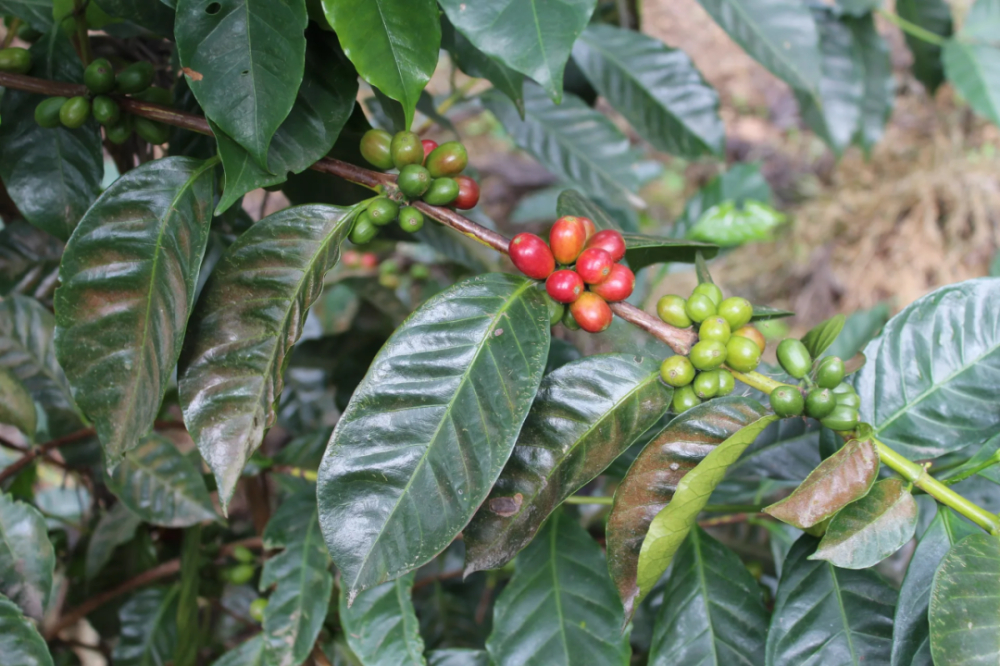
The Rise of Rare Coffee Varieties
In 2004, Hacienda La Esmeralda entered the Gesha variety in the Best of Panama (BOP) competition and auction. Exceptionally high cupping scores and a selling price of $21 per pound made the Gesha variety famous. After that, many baristas and coffee professionals chose Gesha varieties for professional competitions. In recent years, though, Gesha's popularity in competition has fallen noticeably, with entrants opting instead for more unusual and rare varieties such as Wush Wush, Sidra, Eugenioides, and Laurina.
Eugenioides
In 2021, at the World Coffee Championships, both world champion Diego and world brewer champion Matt used Eugenioides. Its native habitat is in the deep mountains of East African coffee-producing countries, and it is also known as the origin of Arabica. Its caffeine content is only half that of Arabica, and it has a very distinctive flavour profile with higher sweetness and almost no citric acid. It is, however, extremely weak in constitution: small fruits, low fruit-bearing rates on the branches, and fruits that drop easily. Under today's abnormal climate shifts and worsening pests and diseases, growers are unwilling to plant such a low-yield, labour-intensive variety, so it is cultivated only as a rarity or for experimental purposes.
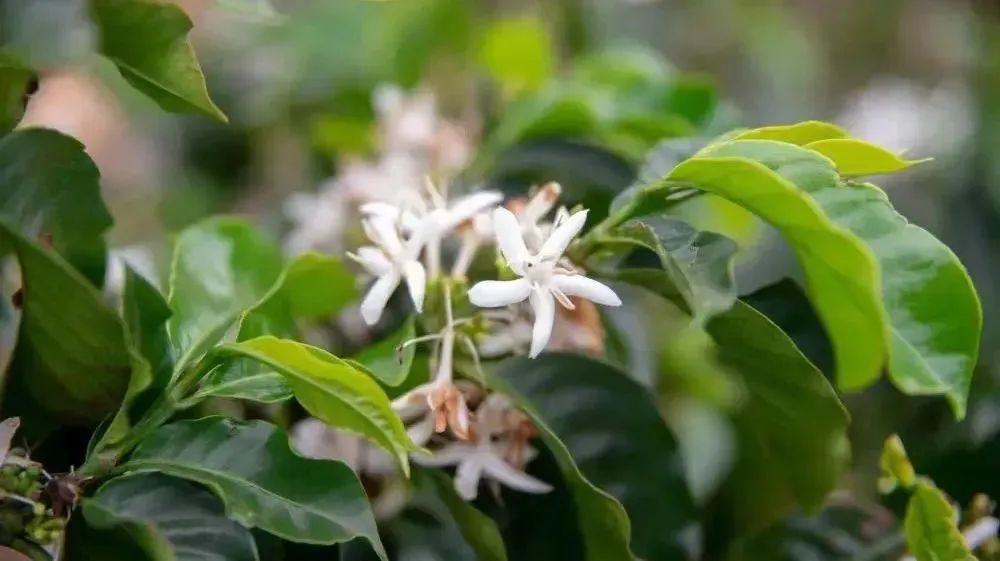
Wush Wush
This variety is also known as "Big Navel" and was first discovered in a forest area within the Kaffa region. Some villages near Kaffa grow Wush Wush coffee, and the variety was named after them. Around 2002, the Jimma Agricultural Research Centre (JARC) examined anthracnose-resistant selections from the Wush Wush area and continued to cultivate and purify them, finding that the plants were resistant to the disease while also carrying excellent flavour. In 2006, JARC officially released the purified Wush Wush variety. Today's Wush Wush has gone through localised adaptation and change, shaped by differences in microclimate, soil, and nutrients across farms in Colombia.

Sidra
Sidra gained fame in 2019 and 2022, when two competitors used Sidra beans in the World Barista Championship (WBC) and won the title in their respective years. Sidra was produced by hybridising Typica and Red Bourbon, but genetic testing revealed that Sidra samples are genetically similar to Ethiopian native varieties, which is why it carries floral and fruity characteristics. Sidra needs to grow in shaded environments and requires high altitudes. It has high yields and resists pests and leaf rust, but it is highly susceptible to coffee berry disease. The variety is produced mainly in South America, chiefly in Ecuador and Colombia. FrontStreet Coffee carries Sidra from the Diviso Estate in Colombia. Using double anaerobic natural processing and brewed with a V60 at a 1:15 coffee-to-water ratio, it shows grape, passion fruit, and citrus, with a light fermentation note and a rounded mouthfeel.
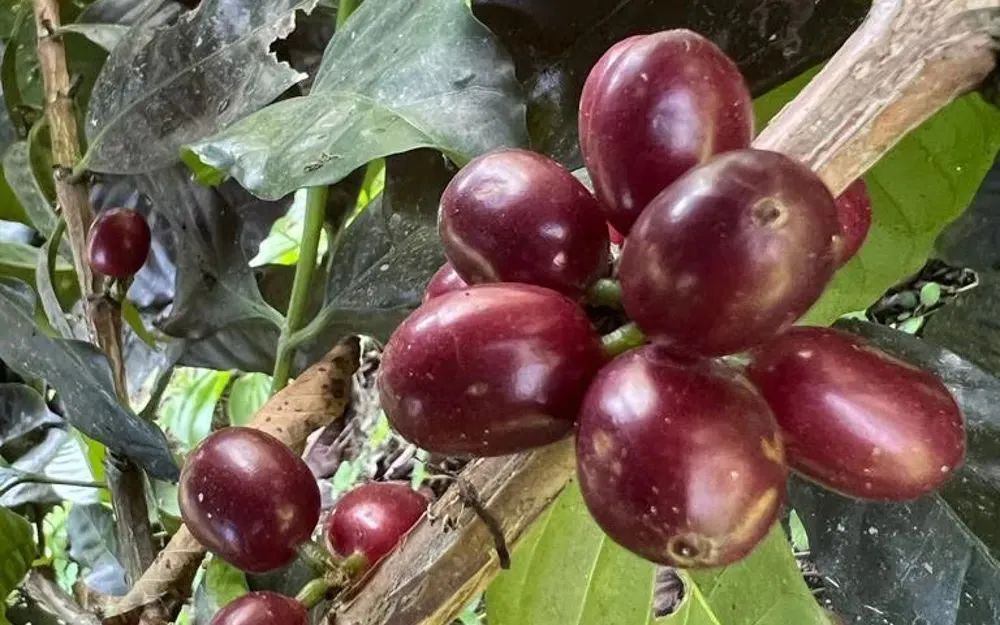
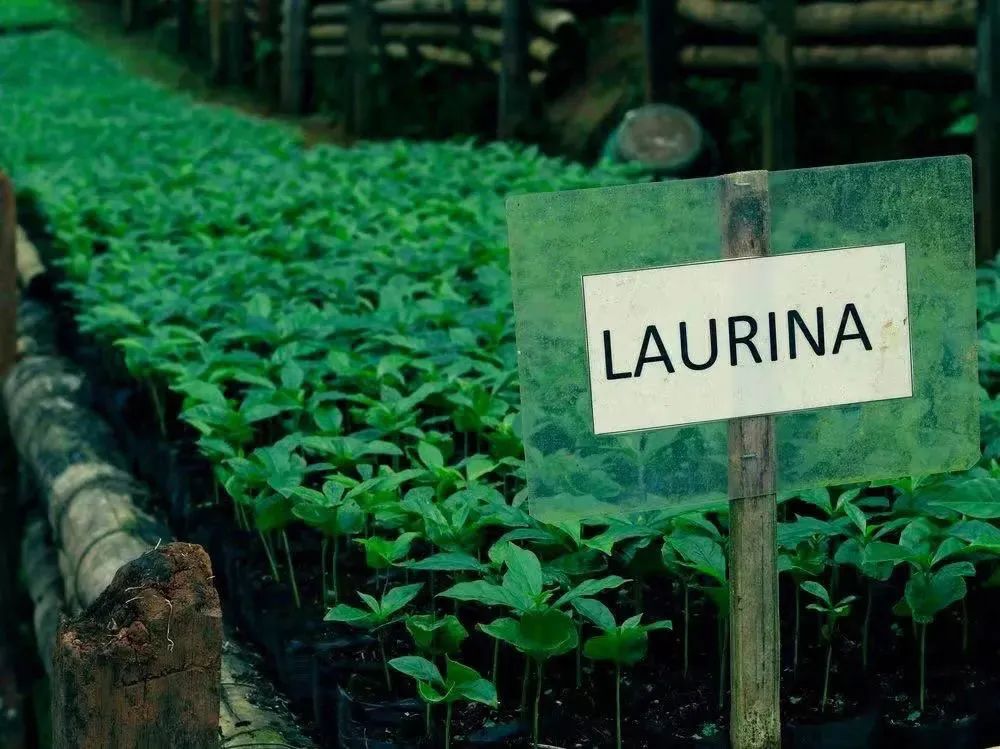
Laurina
Laurina is also known as "Bourbon Pointu" and was first discovered on Réunion Island in the Indian Ocean. In 2018, competitor Emi used anaerobically fermented Laurina at the World Brewers Championship, bringing the variety to wider attention. It has won fans for its ideal flavour profile and naturally low caffeine content. It is difficult to cultivate on a large scale, though. Although it resists drought, which helps it survive, it contains less caffeine — and caffeine is a natural insect repellent. Its growth rate is also much lower than that of other Arabica varieties. The Agronomic Institute of Campinas (IAC) in Brazil is currently researching and cultivating it.
FrontStreet Coffee Recommendation
The rare varieties above all trace their fame back to Geisha, and Ethiopia — the variety's original home — is where FrontStreet Coffee's Grana Gesha comes from. The Grana estate is one of the few farms to grow a single variety, with fruit coming from the Grana processing station on the border of Ethiopia's Kochere and Grana Abaya districts. The station was set up in 2014 under Israel Degefa and draws on a coffee-growing area of up to 700 hectares, much of it uncultivated, with fertile soil and shade trees everywhere. Fully ripe cherries are picked by hand and dried on raised beds for 14-20 days depending on the weather. Roasted medium-light, it shows bright citrus acidity, an elegant ginger-flower aroma, the full sweetness of ripe fruit, and a delicate, silky body with Geisha's signature refined finish.
Brewing a Gesha takes a little care, since the roasted bean is dense and can sink and clog the dripper. FrontStreet Coffee suggests grinding to about 78% pass-through on a Chinese-standard #20 sieve, roughly fine-sugar size, and brewing at 91°C. A typical filter recipe uses 15g of coffee in a small Hario V60 at a 1:16 coffee-to-water ratio, poured in three stages: bloom to 30g of water for 30 seconds, then a small circular pour to 125g, and once the bed has dropped by half, continue the small circular pour to 225g. Total extraction time lands around 2:10 to 2:20.
Important Notice :
FrontStreet Coffee is a long-established specialty coffee roaster in Guangzhou China, selling freshly roasted beans from its own farm in Yunnan as well as dozens of carefully selected single-origin beans from around the world for both pour-over and espresso. The products deliver consistently excellent quality and great value, with shipping within 24 hours. Guangzhou's FrontStreet Coffee shop is recommended by many coffee lovers, and the beans are now available online at the Tmall 。
FrontStreet Coffee has moved to a new address:
FrontStreet Coffee Address: 315,Donghua East Road,GuangZhou
Tel:020 38364473
 Scan and follow the En Gafei WeChat official account. Please indicate that the reprint comes from "En Gafei".

