
What is the difference between Nordic and Italian coffee roasting?
Before the idea of specialty coffee entered the mainstream, the world's coffee was overwhelmingly defined by the bitter, charred notes of dark roast. As specialty coffee has spread over the past several years, drinkers have gradually discovered the pleasures of lighter roasts. But it's worth remembering that the wheels of history don't turn on their own — it takes new forces pushing against the old order to keep them moving.

The terms we use today — Japanese dark, Italian dark, French dark — all describe degrees of roast, but in their day they represented the reigning orthodoxy. Each degree was tied to the country where it flourished: Italian meant Italy, French meant France. In that era, dark-roast countries like Italy and France were the establishment. The younger, then-unconventional style favoring lighter roasts came from northern Europe — the Nordic countries. Because they encountered coffee relatively late, they never absorbed the assumption that coffee must taste bitter. Thus was born the "Nordic roast," considered borderline rebellious at the time and wildly popular today.

Although the earliest Nordic roasts were far lighter than Italian roasts, they were still, by today's standards, essentially medium roasts — not the truly light roasts we recognize now, in an age long before specialty coffee took off. Even so, to drinkers elsewhere at the time they seemed radical. Roasters from other countries would look at a Nordic roast and think: "These beans aren't roasted properly. Sharp, acidic, harsh. Is this even drinkable?" In truth, those reactions said more about the technical and conceptual limits of the era than about the coffee itself.
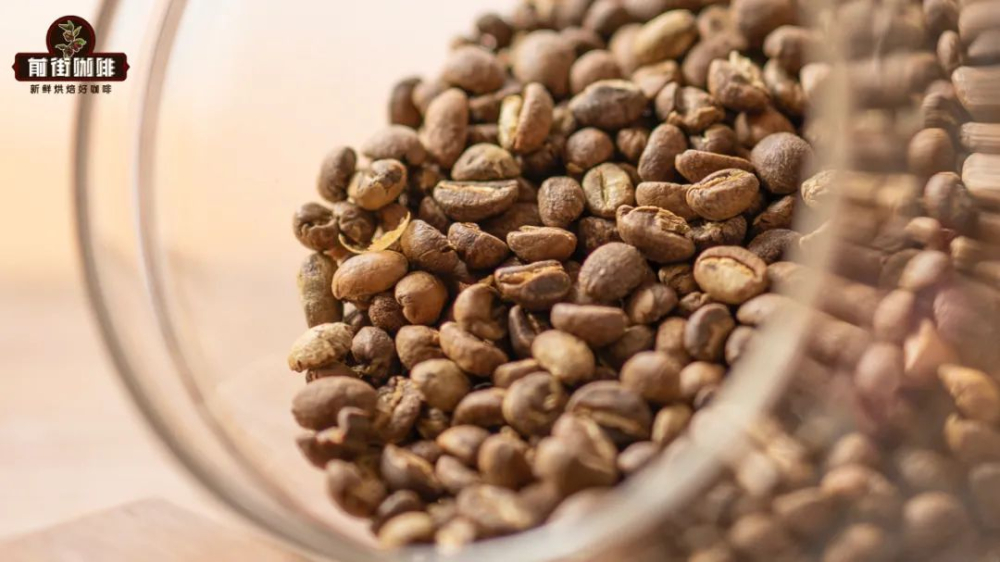
That history explains why Nordic roasters avoid describing their work as "light roast" or "extra light roast." The labels carry baggage — they invite associations of underdeveloped beans, insufficient flavor development, excessive astringency, dominant herbal notes. Instead they prefer terms like "the Nordic Approach," "Scandinavian style," or simply "Nordic style."
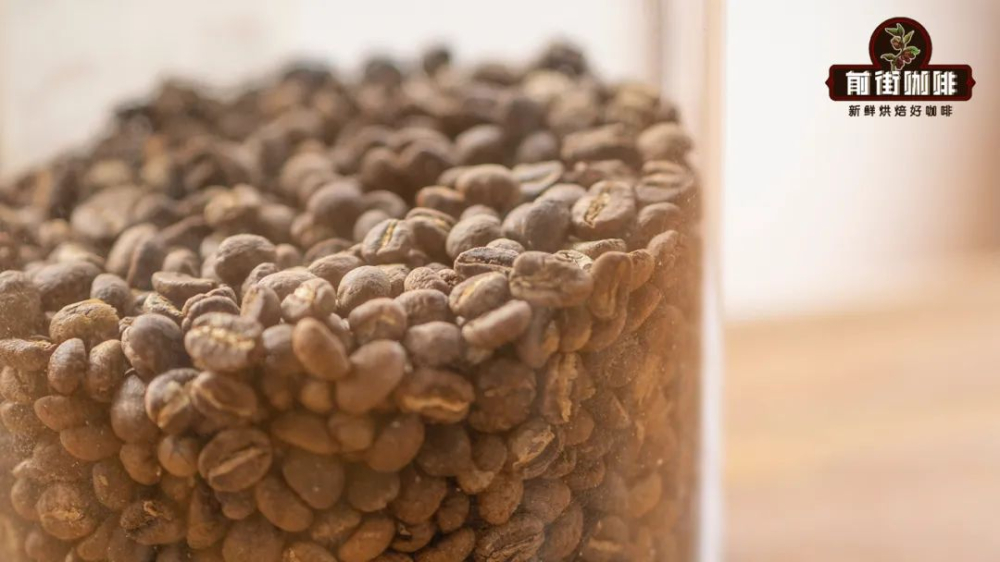
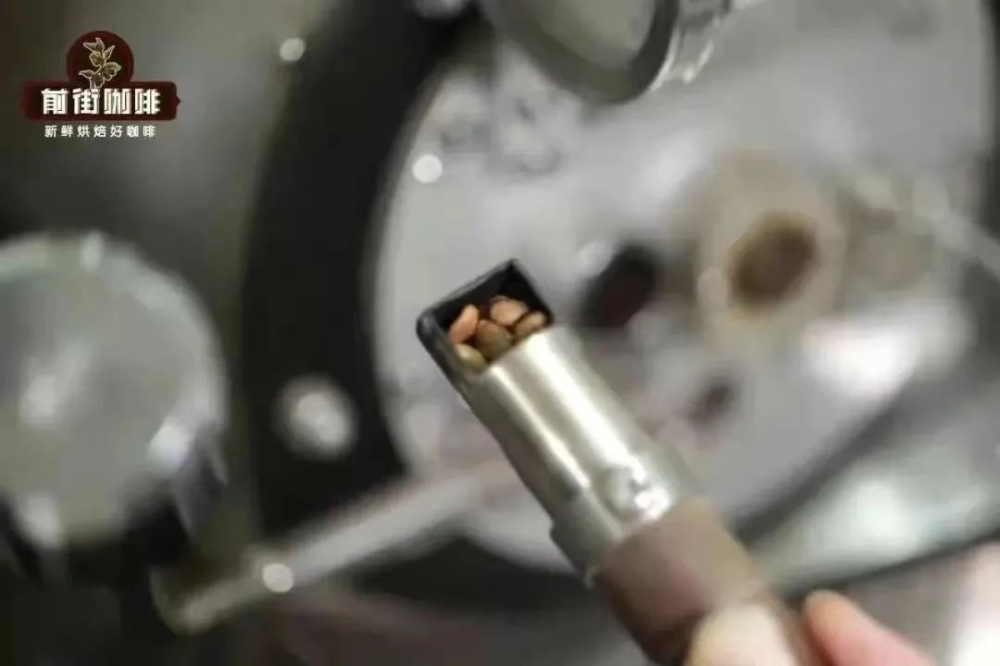
The earliest Nordic roasting borrowed the crude "high-heat blast" method common across Europe and the Americas: charge the beans with the damper and heat both at maximum, then shut everything down as first crack approached, letting the crack itself and the residual heat stored in the drum carry the roast to completion. The advantage was simplicity — heat on, heat off. The disadvantage was a tendency toward burnt, smoky flavors. Later, roasters at renowned Norwegian coffee shops changed the approach: charge with the damper fully open but the heat held within a high range, then gradually reduce it as the roast progressed. This profile was no longer a compromise spanning light and dark — it was engineered specifically for light roasts.
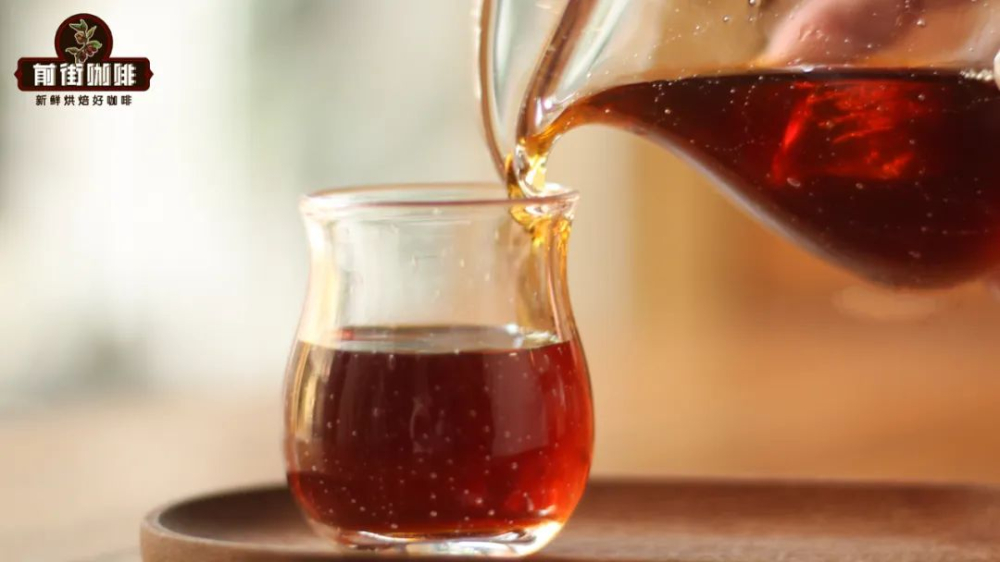
In his book "New Edition · Coffee Studies," Mr. Han Huaizong describes the Nordic light-roast experience this way: the initial acidity holds for only a second on the palate before vanishing, replaced by layered, vivid florals and fruit — like swallowing a "fruit bomb." Your mouth waters along the sides of the tongue, a sweetness blooms on the finish, and the "bomb" detonates into a burst of colorful flavors. Nothing like the popular image of an over-light roast: dead, sharp acidity, dull and lifeless, hard to drink. That, right there, is the light-roast coffee we all enjoy today.
Flavors like these captivated drinkers and pushed the wheels of history along. The coffee dynasty ruled by dark roast is gone, succeeded by an era of bright, acidity-forward light roasts. And "Nordic roast" — like Italian and French roast before it, once shorthand for what a particular country drank — has settled into the lexicon as simply another roast degree.
- END -
FrontStreet Coffee

FrontStreet Coffee Recommendation
Roast level makes or breaks a bean — deeper roasts trend bitter and heavy, lighter ones bright and delicate, and medium roasts land right on balance. Here are three FrontStreet Coffee picks across that spectrum:
FrontStreet Strawberry Candy Gesha Blend — If you want a fruit-forward medium roast, this is the one to try. It pairs a Costa Rican honey-processed component with washed Panamanian Gesha from two of Central America's most celebrated origins. Roasted medium to draw out the best of both, it offers orange-blossom honeyed aromatics and a rounded sweetness, and shines as cold brew, pour-over, or espresso.
FrontStreet Brazil Queen Estate — For drinkers who dislike both sour and bitter, this Brazilian Yellow Bourbon from the world's largest coffee-producing country is the answer. Medium roasted, it shows creamy peanut, chocolate, toasted bread, and sugarcane sweetness in a gentle, quietly sweet cup — great as pour-over, moka pot, or espresso.
FrontStreet Jamaica Blue Mountain No.1 — Grown on Typica and blessed with exceptional geography, Blue Mountain achieves its famous balance with a medium roast that fuses acidity, bitterness, sweetness, and body into one elegant cup: chocolate, roasted nuts, cream, and caramel from the very first sip.
Important Notice :
FrontStreet Coffee is a long-established specialty coffee roaster in Guangzhou China, selling freshly roasted beans from its own farm in Yunnan as well as dozens of carefully selected single-origin beans from around the world for both pour-over and espresso. The products deliver consistently excellent quality and great value, with shipping within 24 hours. Guangzhou's FrontStreet Coffee shop is recommended by many coffee lovers, and the beans are now available online at the Tmall 。
FrontStreet Coffee has moved to a new address:
FrontStreet Coffee Address: 315,Donghua East Road,GuangZhou
Tel:020 38364473
 Scan and follow the En Gafei WeChat official account. Please indicate that the reprint comes from "En Gafei".

