
Why is the Crema from My Coffee Machine So Thin?
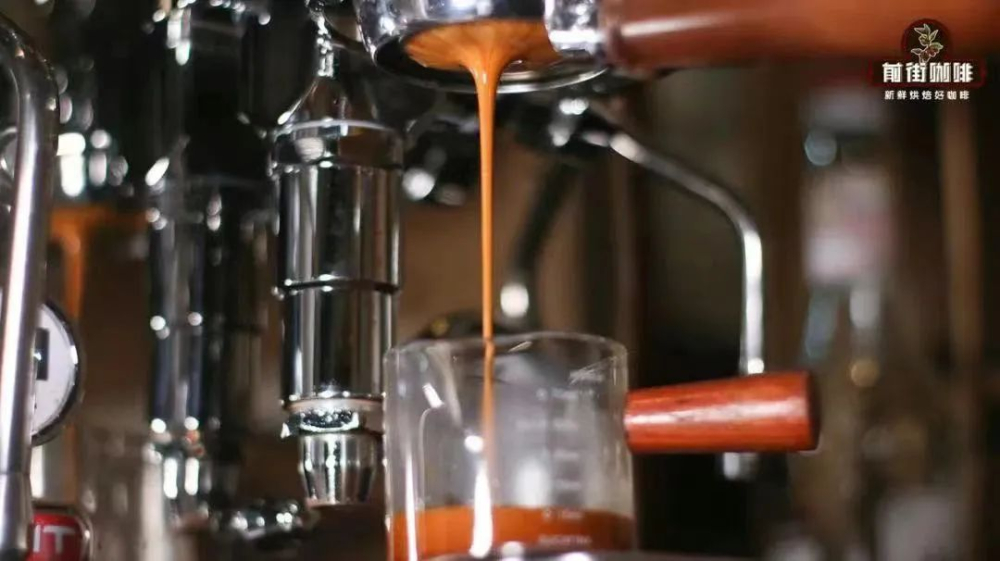
Why Is Your Espresso Crema So Thin?
Watching crema form during an espresso extraction is endlessly satisfying. And when that thick, golden foam appears after the shot, latte-art lovers could not be happier.
But if one day your crema comes out sparse, thin, or practically nonexistent, the problem almost certainly lies in one of these places.
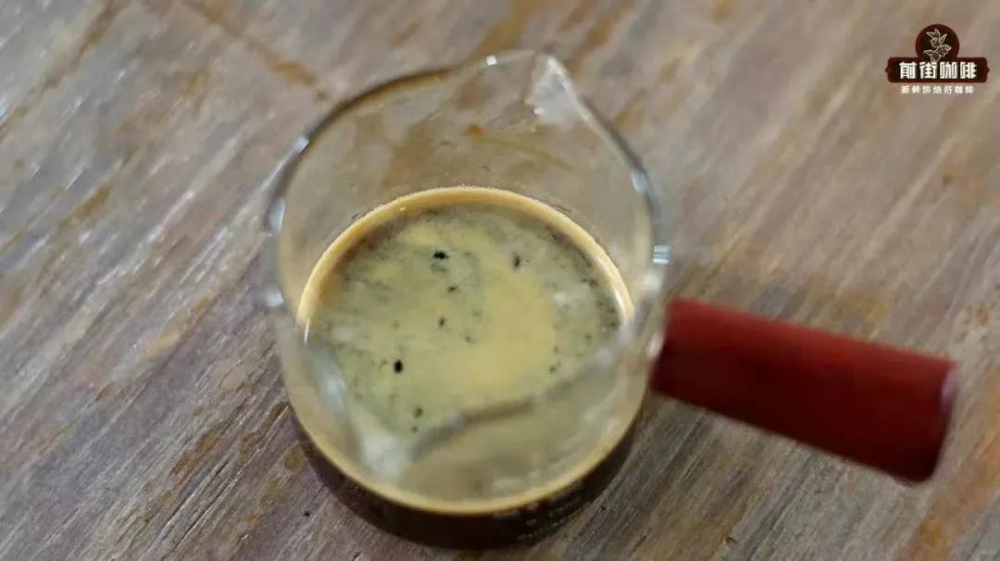
1. The Coffee Beans Are Not Fresh
When beans are no longer fresh, their carbon dioxide content is too low to "support" a rich crema. Staleness has two causes:
First, simply too much time since roasting—the beans have passed their optimal flavor window. Espresso beans generally hold a 60-day flavor period; beyond it, aroma, flavor, and carbon dioxide have mostly dissipated, and any crema you pull will naturally be thin.
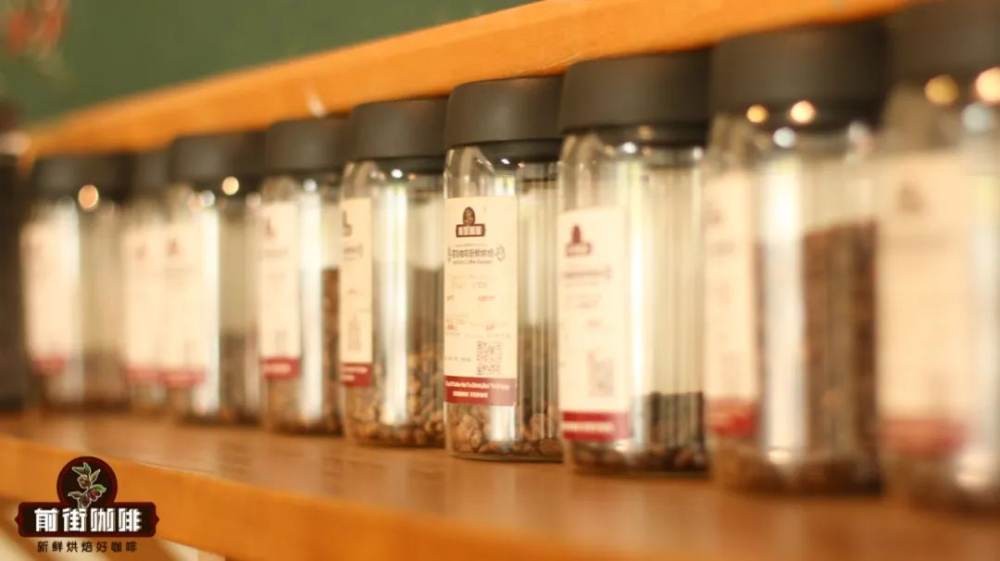
Second, storage. Even beans still within their window will degas rapidly if stored improperly—a loose lid or unsealed packaging with significant air exposure is enough. A single night can turn aromatic beans into flavorless ones.
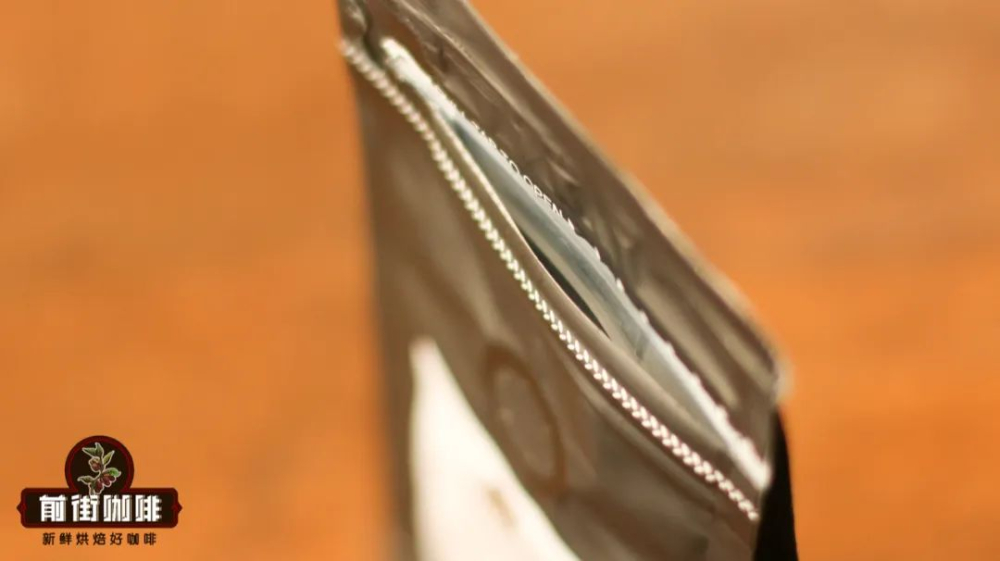
So when buying beans, check the roast date and store them airtight. It will spare you plenty of waste and failed shots.
2. The Machine's Pressure Setting
Many home machines put the pressure valve within easy reach—like the one FrontStreet Coffee uses. Convenient, yes, but a stray bump can throw off the next shot.
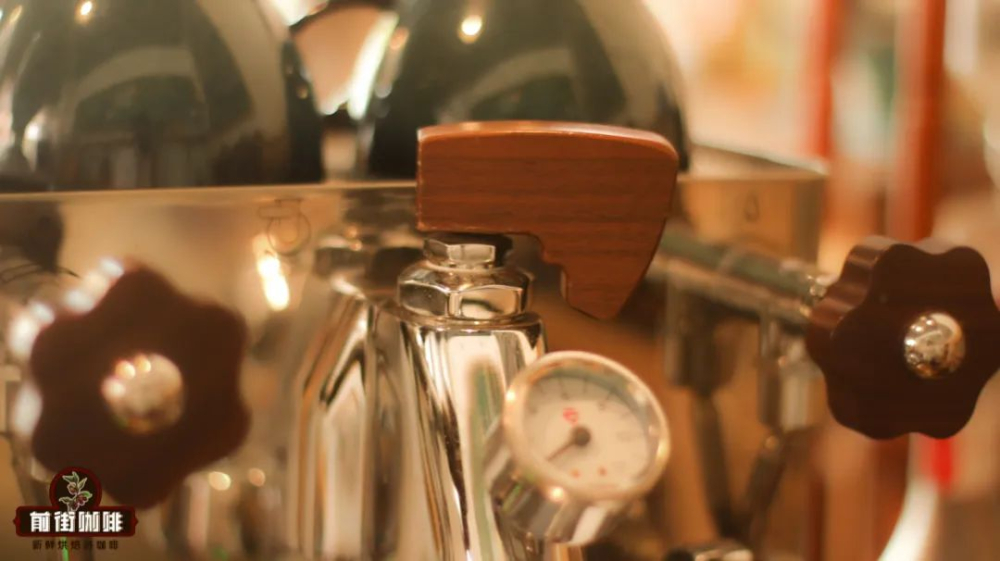
If your crema is thin, check whether the pressure valve is still set correctly. (The standard is typically 9–10 bar.)
3. Grind Too Coarse or Dose Too Low
A too-coarse grind or a dose well below the portafilter's standard capacity—these are the two easiest problems to spot. Press the extraction button and watch: if coffee gushes out far too quickly, one (or both) of these parameters is off, leaving gaps too large for the water or triggering channeling.

Espresso pulled under these conditions comes out pale, with thin crema and a bland taste. For dose, use the portafilter's recommended weight as your standard; for grind, use a 20-second extraction time as your benchmark.
Traditionally, espresso follows a 1:2 ratio of grounds to liquid. By that principle, if your shot finishes in under 20 seconds, the grind is too coarse—water is racing through gaps that are too large, and the grind needs readjusting.

4. Water Temperature Too Low
If the brewing water never reaches the required 90+°C, the crema will be thin—and as with a coarse grind, the shot will show signs of under-extraction.
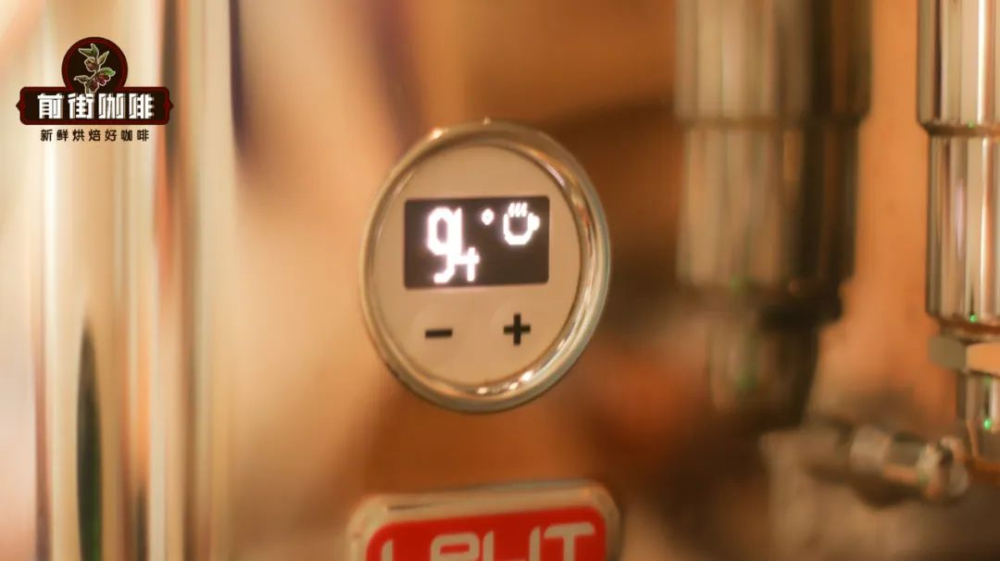
Low water temperature usually strikes during warm-up, right after the machine is switched on, when the readings are not yet precise. That is why FrontStreet Coffee waits 20 minutes after powering on before pulling shots.
5. Light Roast Beans
Light-roast beans are physically harder and demand more extraction intensity than dark roasts. Apply dark-roast parameters to them and you will likely see "espresso splattering."
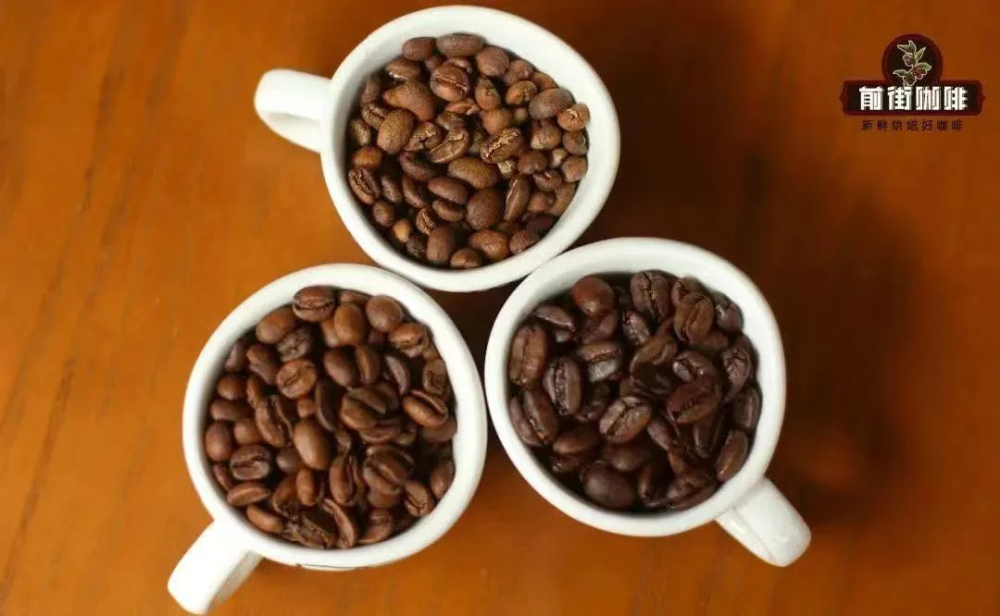
Light roasts therefore need their own tuned parameters. And even with perfect settings, their crema will never be as thick as a dark roast's—they simply carry less carbon dioxide to begin with.
What Type of Beans Suit a Coffee Machine?
Most home espresso machines are less stable than their commercial counterparts and pull fewer cups, which puts more pressure on your parameter control. FrontStreet Coffee therefore recommends stable espresso blends: they combine flavors from different regions and roast medium or darker, giving you a wider margin for error.

FrontStreet Coffee's bean menu offers four espresso blends, and only beans roasted within 5 days are shipped so they arrive in their optimal flavor window. Besides the mellow Warm Sun Blend mentioned above, the espresso menu includes three cost-effective nutty blends with rich texture and intense aroma, equally suitable for flat whites.

Balanced & Rich—FrontStreet Coffee Premium Blend
Colombian Washed Coffee Beans (30%) + Brazilian Natural Process Coffee Beans (70%)
Adding Colombian coffee to the classic Brazilian nutty profile creates an espresso with dark chocolate flavor and caramel sweetness, full of roasted aroma. With steamed milk it presents chocolate, cocoa, and cream textures—like a sugar-free Ovaltine.

Classic & Full-bodied—FrontStreet Coffee Commercial Blend
Robusta Washed Coffee Beans (10%) + Colombian Washed Coffee Beans (30%) + Brazilian Natural Process Coffee (60%)
The espresso shows rich golden crema and nutty aroma. As a flat white it offers fragrant coffee bitterness, but above all a creamy, full-bodied texture; after swallowing, the bitterness fades into a pleasant aftertaste.

Slightly Acidic & Rich—FrontStreet Coffee Basic Blend
Yunnan Washed Arabica Beans (30%) + Brazilian Natural Process Coffee Beans (70%)
Yunnan small-bean coffee with gentle acidity meets Brazilian Cerrado's rich aroma, producing an espresso with caramel, nuts, and a whisper of plum acidity. With milk it turns out balanced and smooth.
FrontStreet Coffee Recommendation
Practicing latte art? You need stable shots with a thick, unbroken canvas of crema. Two more picks from the FrontStreet Coffee lineup:
FrontStreet Classic Blend — The go-to for home latte-art practice: a medium-dark three-origin espresso recipe inspired by the old-school "Mandheling-Brazil" formula, with a touch of Robusta for aroma and crema. Expect clear butter, toasted bread, and caramel-cookie aromas, a firm body, fine crema, and highly stable extraction—essentials for the beginner's home bar.
FrontStreet Premium Blend — For lovers of rich nutty profiles: the classic pairing of Colombian washed and Brazilian semi-washed beans. As espresso it shows nuts, dark chocolate, and caramel; across Americanos, lattes, and flat whites it carries smooth cream, almond, and cocoa aromas, with crema that rivals café output—more than enough for serious latte-art practice at home or on a shop's opening day.
Important Notice :
FrontStreet Coffee is a long-established specialty coffee roaster in Guangzhou China, selling freshly roasted beans from its own farm in Yunnan as well as dozens of carefully selected single-origin beans from around the world for both pour-over and espresso. The products deliver consistently excellent quality and great value, with shipping within 24 hours. Guangzhou's FrontStreet Coffee shop is recommended by many coffee lovers, and the beans are now available online at the Tmall 。
FrontStreet Coffee has moved to a new address:
FrontStreet Coffee Address: 315,Donghua East Road,GuangZhou
Tel:020 38364473
 Scan and follow the En Gafei WeChat official account. Please indicate that the reprint comes from "En Gafei".

