
How to Brew Delicious Coffee with an Automatic Pour-Over Coffee Machine?

Technology keeps moving forward, and coffee has entered the age of automation. Automatic milk frothing and even automatic latte art have made headlines in recent years. Which raises a question: can something as ritual-laden as pour-over coffee really be replaced by a machine?

True to our spirit of experimentation, FrontStreet Coffee borrowed an automatic brewing machine from a neighbor late one night - one that didn't need to be returned - just to find out what kind of flavors this machine could produce and how they'd compare to a hand-brewed cup.
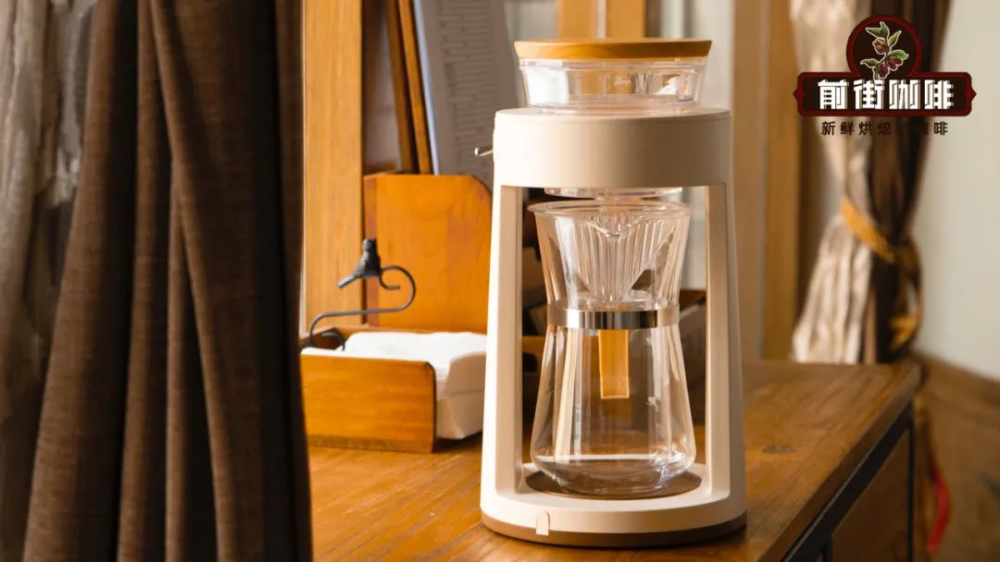
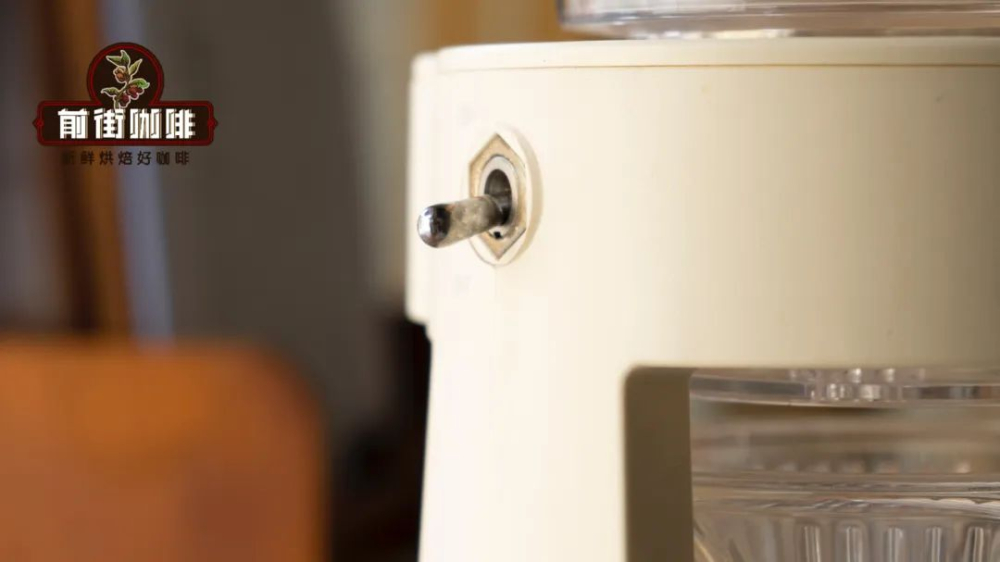
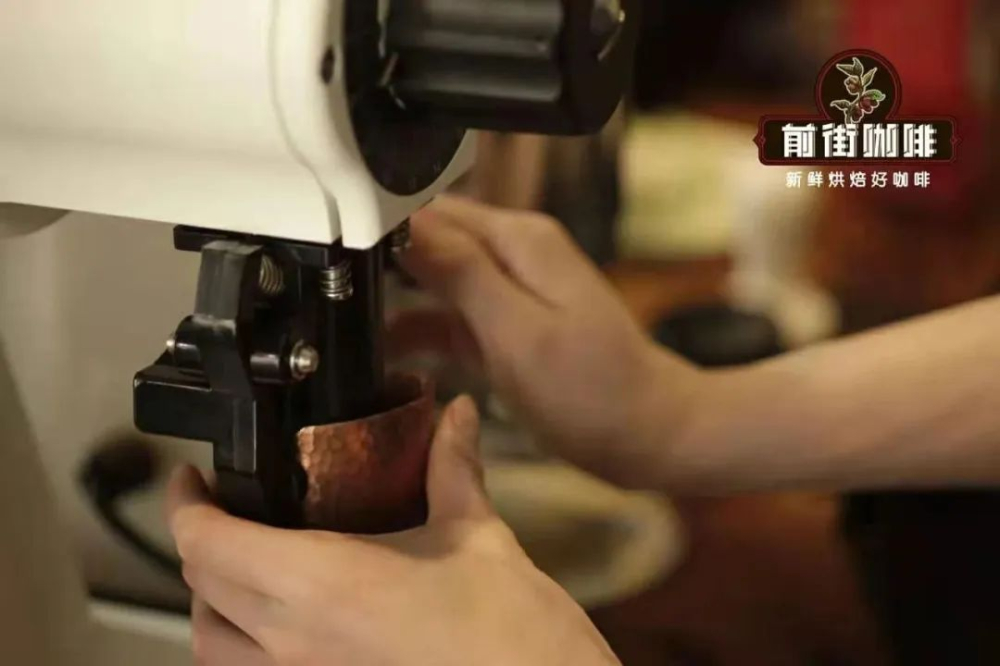
This machine only handles the brewing itself; water temperature and weighing still have to be managed manually. Fully automatic machines with built-in temperature control and scales do exist on the market, but that doesn't matter much here, since their brewing logic is essentially the same: flip the rotary switch on the side, the upper pot rotates evenly, and hot water flows through three holes in its base to pour over the grounds.
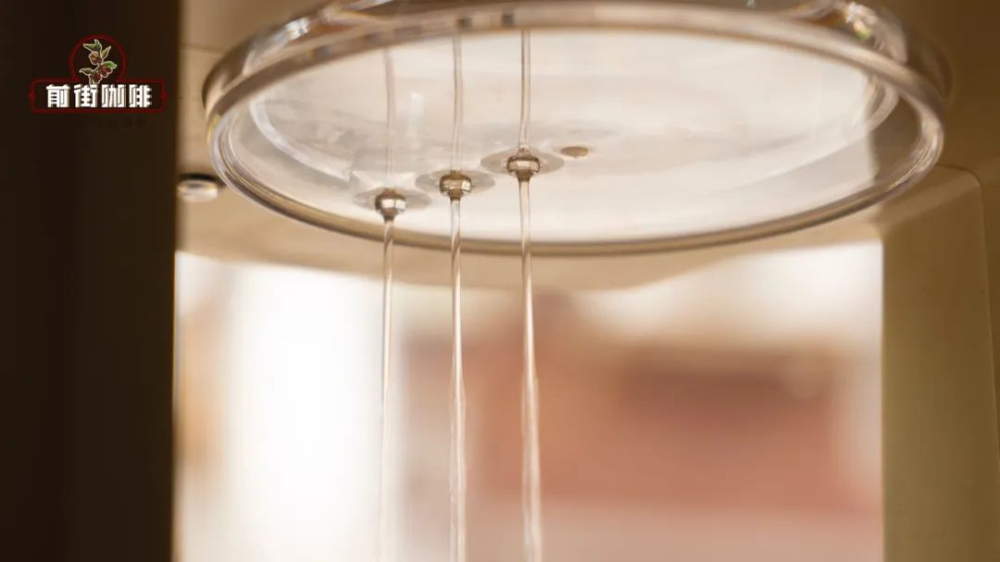
The flow from those three holes depends on water pressure: when pressure is high, the water comes out as a column; as the water nearly runs out and pressure drops, the column fades into a slow drip. Enough theory - let's set up the experiment.
Experiment Preparation
We used the same coffee beans for both brews, one per side. Here's the data for this comparison.
Coffee Beans: dark-roasted Indonesia Golden Mandheling.
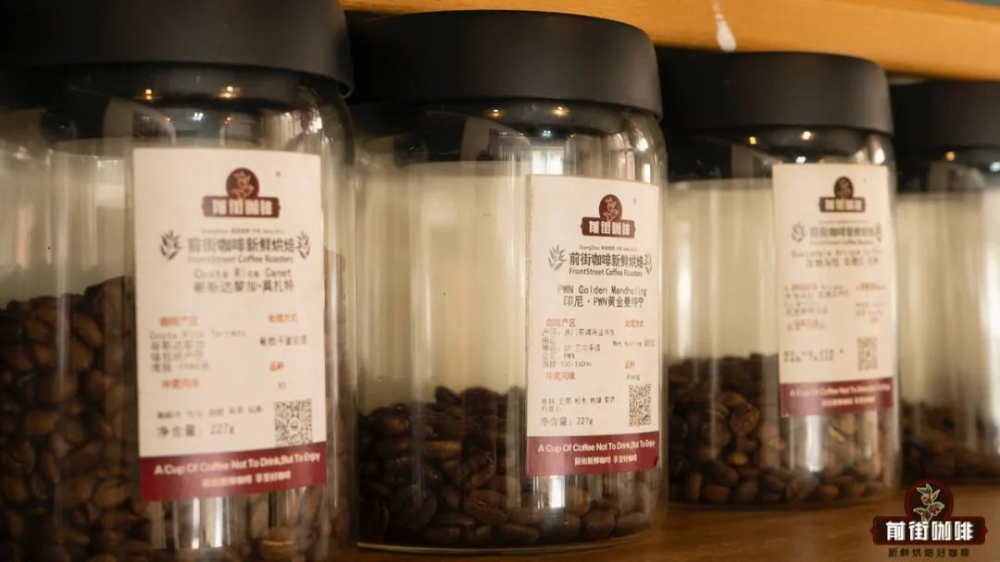
Grind Size: standard grind for hot brewing. FrontStreet Coffee used an EK43 grinder at setting 10.5, with a 75% pass rate through a #20 sieve.
Coffee-to-Water Ratio: 1:15 (15g of grounds, 225ml of hot water)
Water Temperature: 88°C, suited to dark-roasted beans.
Brewing Method: single-pour method.
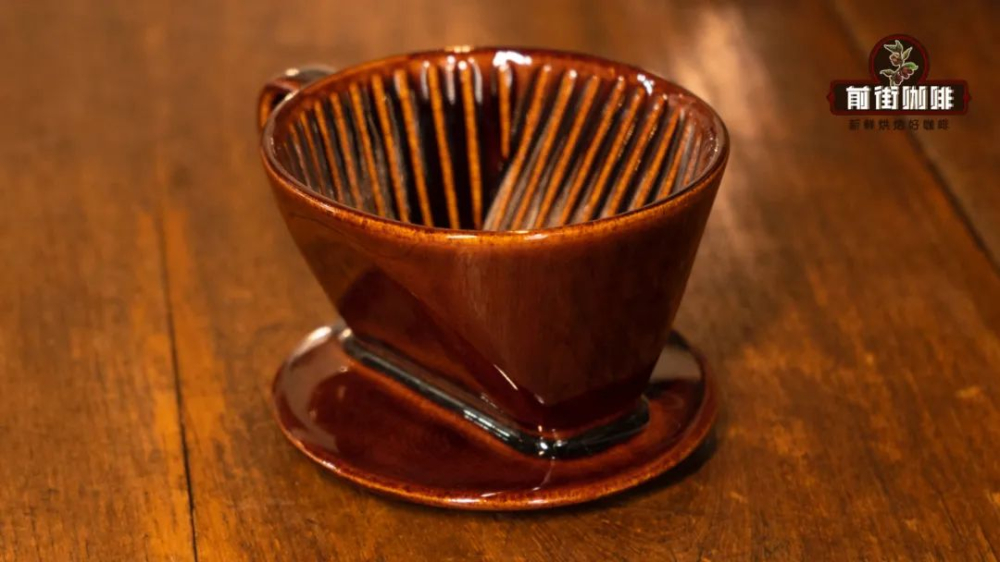
Dripper: same as the machine's - a conical dripper.
Beginning the Experiment
We've covered manual brewing plenty of times before, so we'll skip straight to the automatic process.
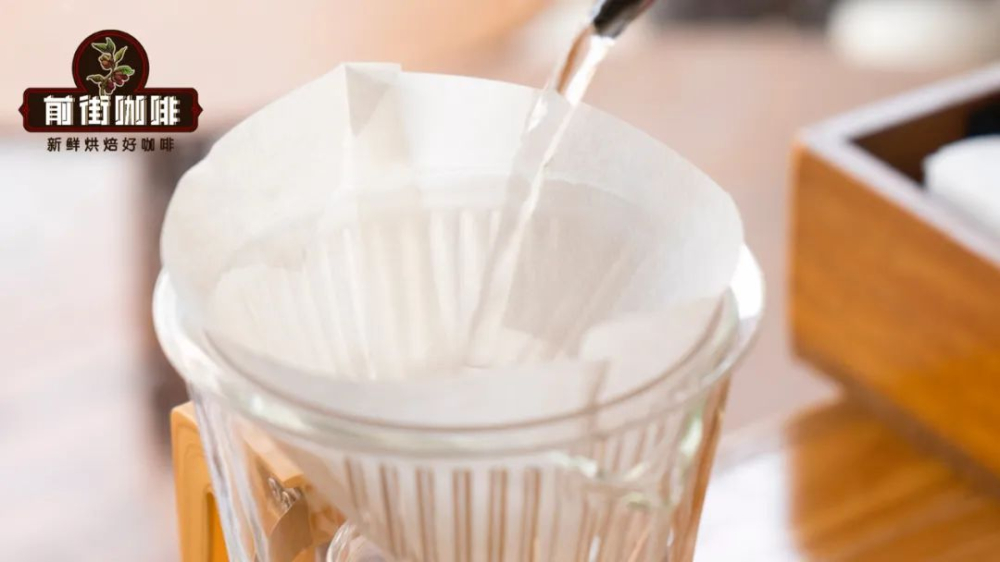
1. Place and rinse the filter paper, then add the coffee grounds.
2. Flip the side switch to set the water tray rotating.
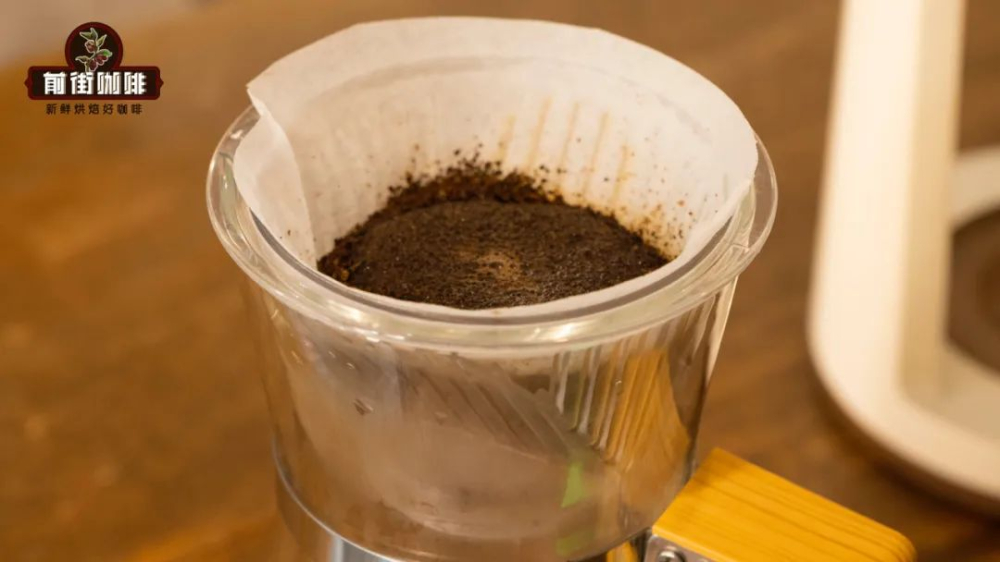
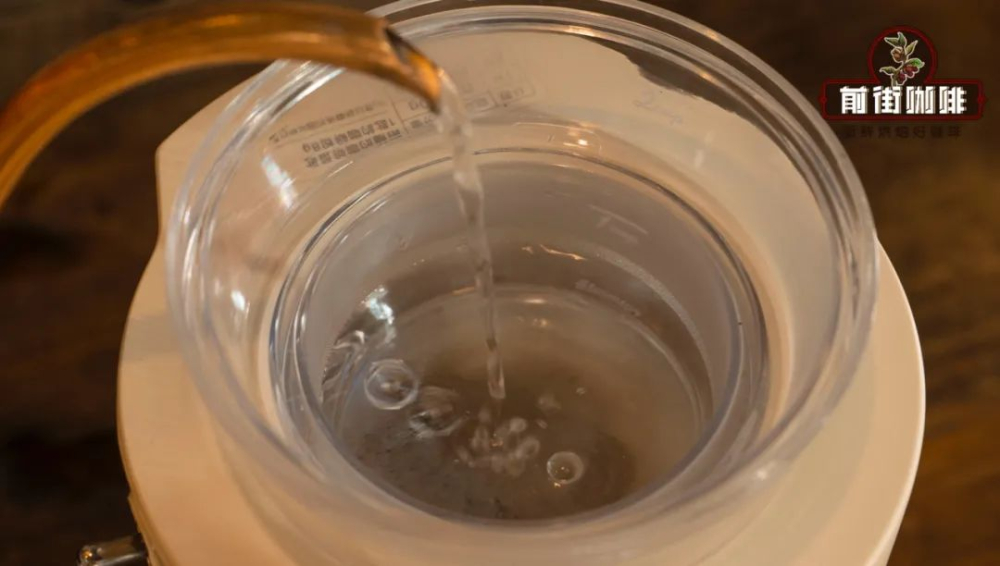
3. Pour 30ml of hot water for a 30-second bloom.
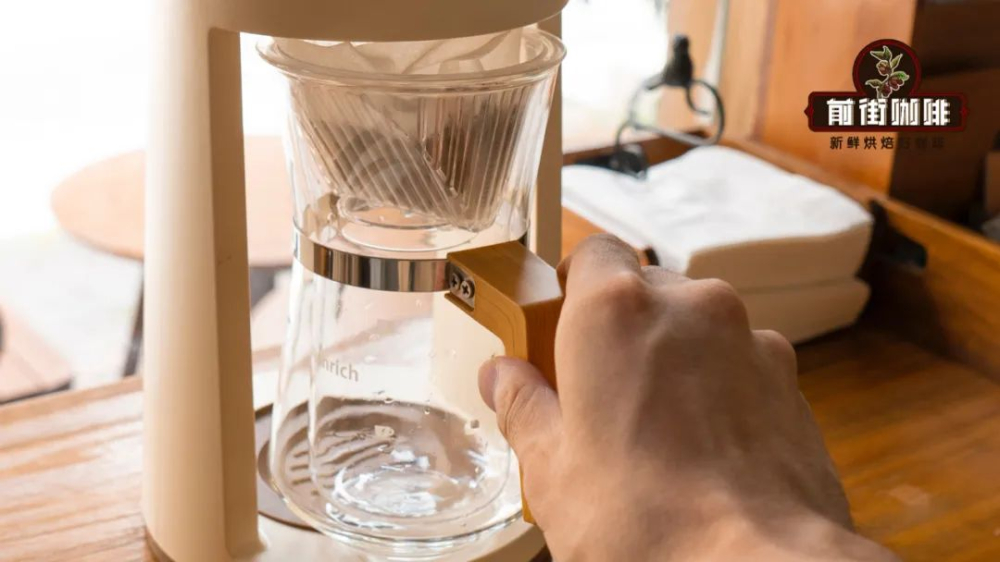
4. Place the lower pot into the frame.
5. Once the bloom hits 30 seconds, pour the remaining 195ml of water into the upper pot.
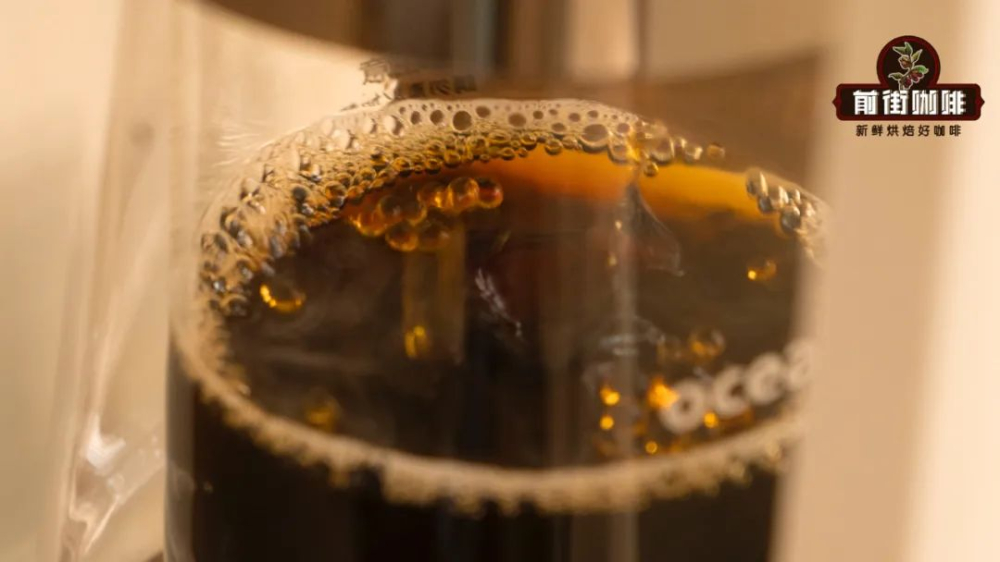
6. Wait for the dripping to finish, then swirl - total brew time of about 2 minutes.
7. Take a spoonful from each cup for a concentration test.
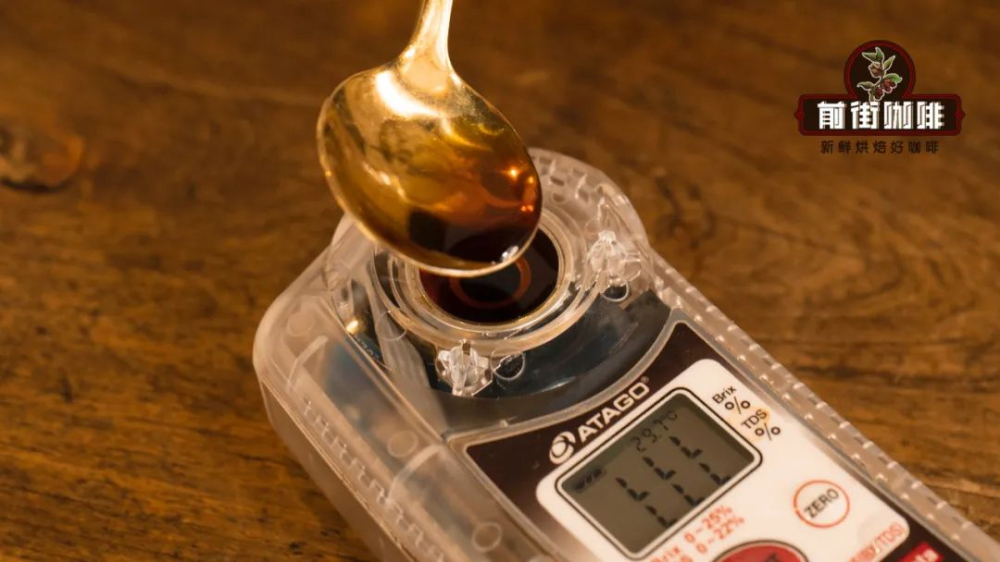
The extraction formula for the coffee concentration meter (TDS detector) is: coffee liquid concentration × coffee liquid weight ÷ coffee grounds weight = extraction rate.
Concentration | Liquid Weight (g) | Extraction Rate ---|---|--- Golden Mandheling (Machine) | 1.34% | 225ml | 15g | 20.1% Golden Mandheling (Human) | 1.36% | 225ml | 15g | 20.4%
Both brews landed comfortably within the Golden Cup extraction range - so on to the tasting.
Tasting Comparison
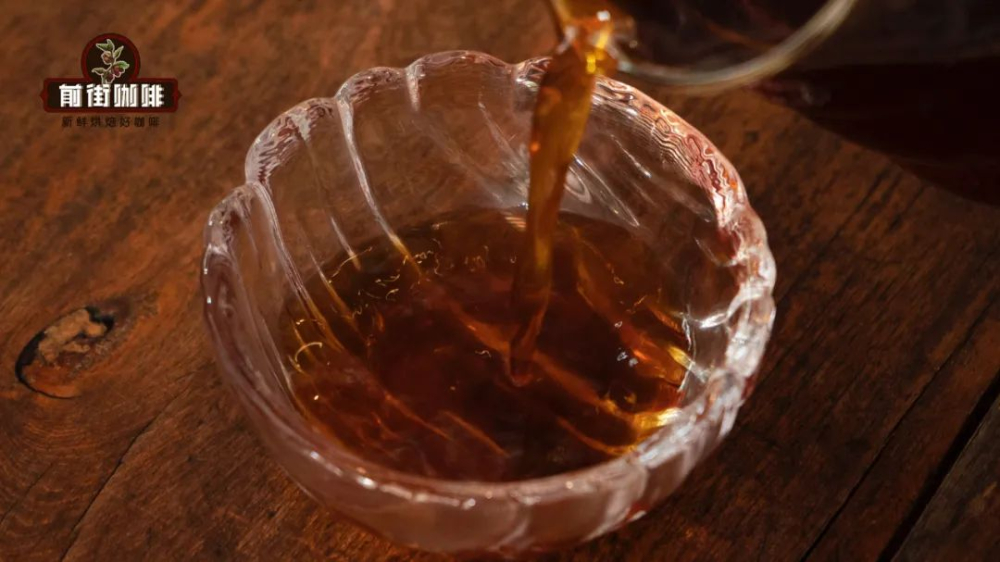
The side-by-side tasting showed that the machine-brewed coffee lacked the distinct layering of the hand-brewed version. It was less full-bodied and leaned toward the flat side, though it still expressed Mandheling's signature notes of nuts, pine, and chocolate. The manually brewed cup showed clearly richer layers and a more pronounced creamy texture.
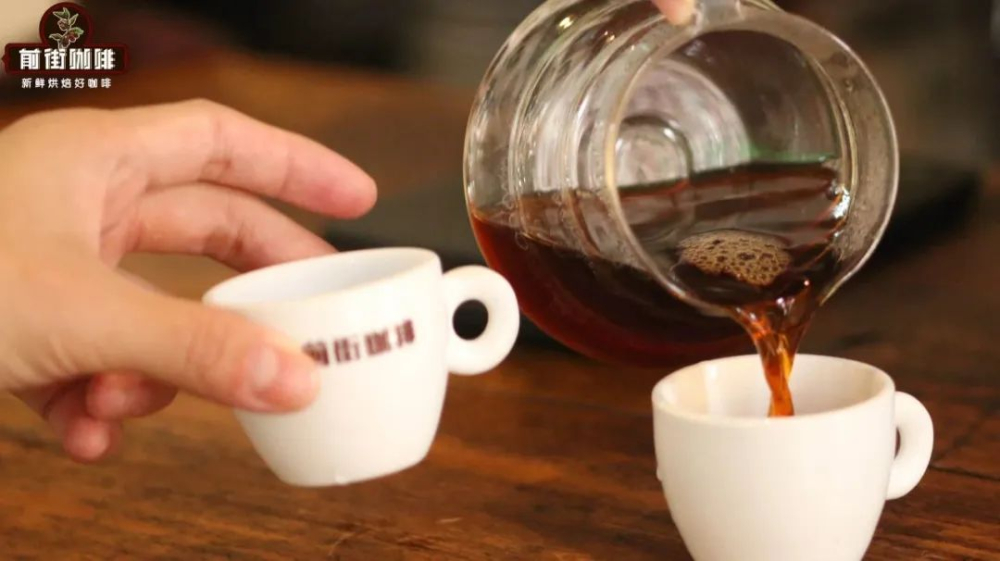
Really, with machine brewing - whether dark roast or light - the right parameters will pull out each bean's core flavors and reproduce roughly the same extraction in every cup. But FrontStreet Coffee believes a great pour-over isn't just about tasting good; the heart of the term is the "human" element. The same beans, brewed by different people with different personalities, invite different approaches - the height of the pour, the speed of the circles - all of which shape the cup's character. What matters most isn't mechanical uniformity, but the warmth a hand-brewed cup can carry.
Final Thoughts
Finally, whatever the results - if hand-brewed coffee becomes machine-brewed, shouldn't we simply call it "machine-brewed coffee"?


FrontStreet Coffee Recommendation
Whether you brew by hand or by machine, the beans matter most. For conical drippers like the V60 - and the rotating tray of an automatic brewer behaves much the same - FrontStreet recommends floral, fruit-forward beans whose aromatics stand up to fast extraction: the Ethiopia Yirgacheffe Guodingding with its citrus, berry, and floral lift, and the Ethiopia Huakui, famously "the coffee that doesn't taste like coffee," with strawberry, passion fruit, and lychee notes and barely any bitterness.
If dark roasts are more your style, the PWN Indonesia Golden Mandheling used in this experiment delivers herbal depth, dark chocolate, and a hint of earth over a thick, enduring body - just as rewarding whether a human hand or a spinning tray pours the water. And for those chasing the ultimate in refinement, the Panama Esmeralda Red Label Gesha offers jasmine florals, bergamot, and a clean, tea-like finish that elevates any brewing method.
Important Notice :
FrontStreet Coffee is a long-established specialty coffee roaster in Guangzhou China, selling freshly roasted beans from its own farm in Yunnan as well as dozens of carefully selected single-origin beans from around the world for both pour-over and espresso. The products deliver consistently excellent quality and great value, with shipping within 24 hours. Guangzhou's FrontStreet Coffee shop is recommended by many coffee lovers, and the beans are now available online at the Tmall 。
FrontStreet Coffee has moved to a new address:
FrontStreet Coffee Address: 315,Donghua East Road,GuangZhou
Tel:020 38364473
 Scan and follow the En Gafei WeChat official account. Please indicate that the reprint comes from "En Gafei".

