
WBC World Coffee Championship Winning Bean Varieties: Introduction to Colombian Sidra Coffee and Its Flavor Characteristics

If you are a coffee lover, you may have noticed the trending "niche" variety called Sidra when stocking up on beans lately. In this article, FrontStreet Coffee digs into this niche Sidra variety and the story behind it.
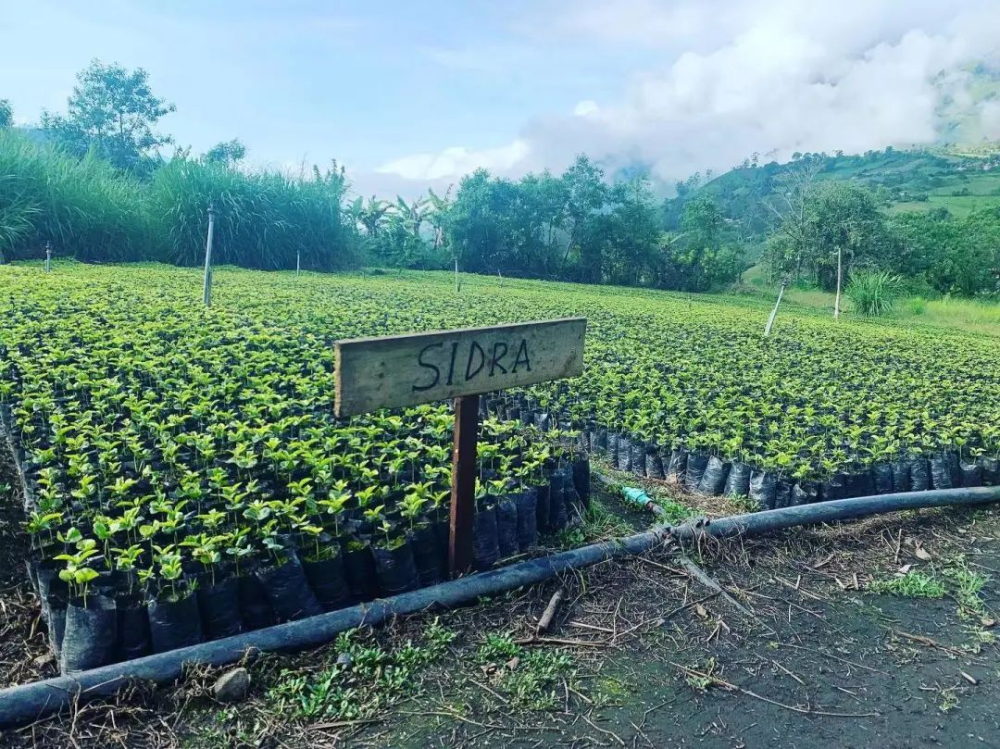
Sidra's Spotlight Moments
Sidra's rise to fame owes a great deal to the two World Barista Champions who put their name behind it.
The 2019 World Barista Championship (WBC) winner, Korean competitor Jooyeon Jeon, chose Sidra coffee from Colombia's La Palma y El Tucan estate as her signature bean. On the same stage, third-place finisher Cole Torode also selected a Sidra lot from that estate.

Jooyeon Jeon
Last year's freshly crowned World Barista Champion, Anthony Douglas of Australia, likewise took the title with Sidra beans, choosing an anaerobic fermentation lot from Colombia's Finca El Diviso. With his win, both Finca El Diviso and the Sidra variety kept gaining popularity in the specialty coffee community.
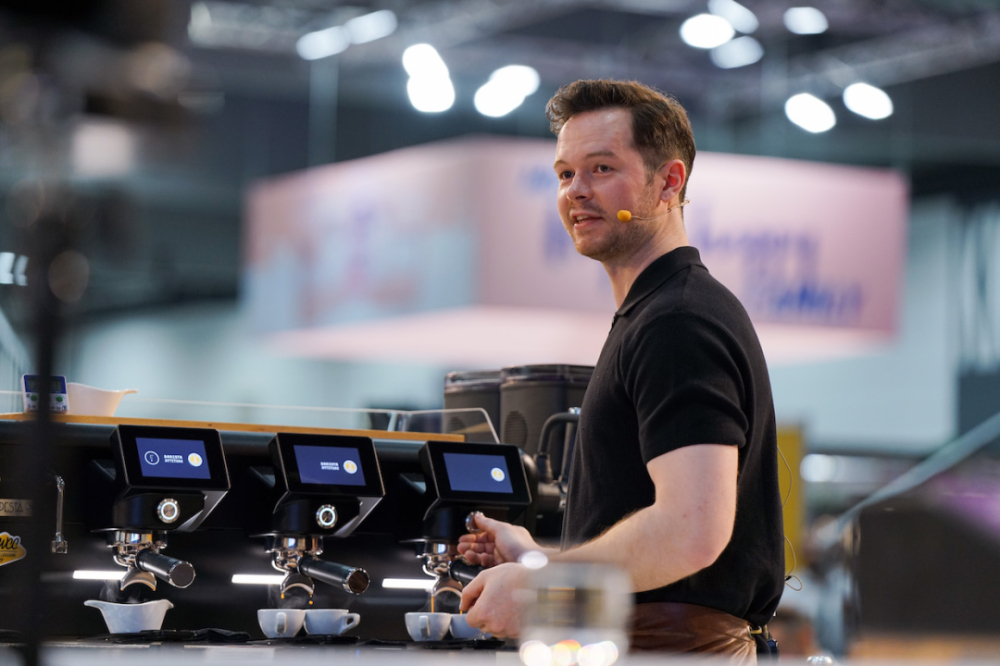
Anthony Douglas
Sidra's Obscure Origins
Sidra, transliterated from Spanish, is also called Sydra or Bourbon Sidra by farmers, and means "apple juice" or "cider." Today the Sidra variety is widely considered a hybrid offspring of Typica and Red Bourbon, often described in cupping as carrying both Bourbon's sweetness and Typica's clean clarity.
By one account, Sidra is an experimental variety from an early coffee breeding center that Nestle established in the Pichincha province of northern Ecuador. The institution's main mission was to create hybrids of Ethiopian native varieties with local Typica or Bourbon. Operations were later interrupted, leaving behind many mixed breeds scattered across the fields.
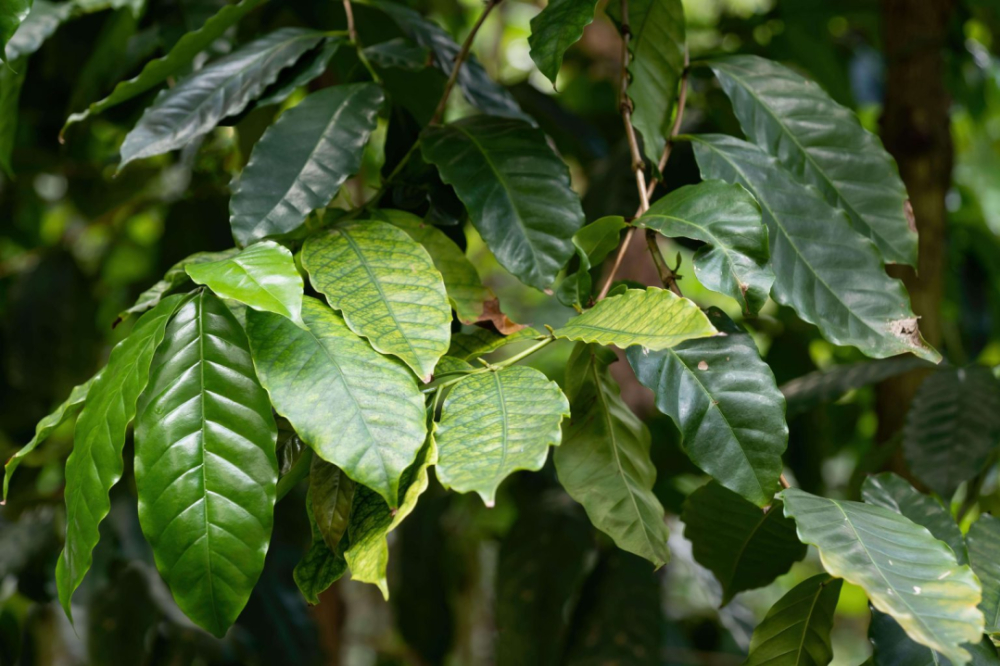
While gathering information, FrontStreet Coffee reviewed the book "Fourth Wave Specialty Coffee Studies" by Mr. Han Huaizong, which noted that the World Coffee Research (WCR) carried out genetic identification of the Sidra variety, with results showing it is closer to Ethiopian local native varieties. In 2021, Dr. Shao Changping also ran genotype identification on two types of Sidra on the market. He found that the pointed Sidra contains no Typica genes and is closer to Geisha or Ethiopian native varieties mixed with other genes, while the round Sidra should be a hybrid of Typica and Geisha.
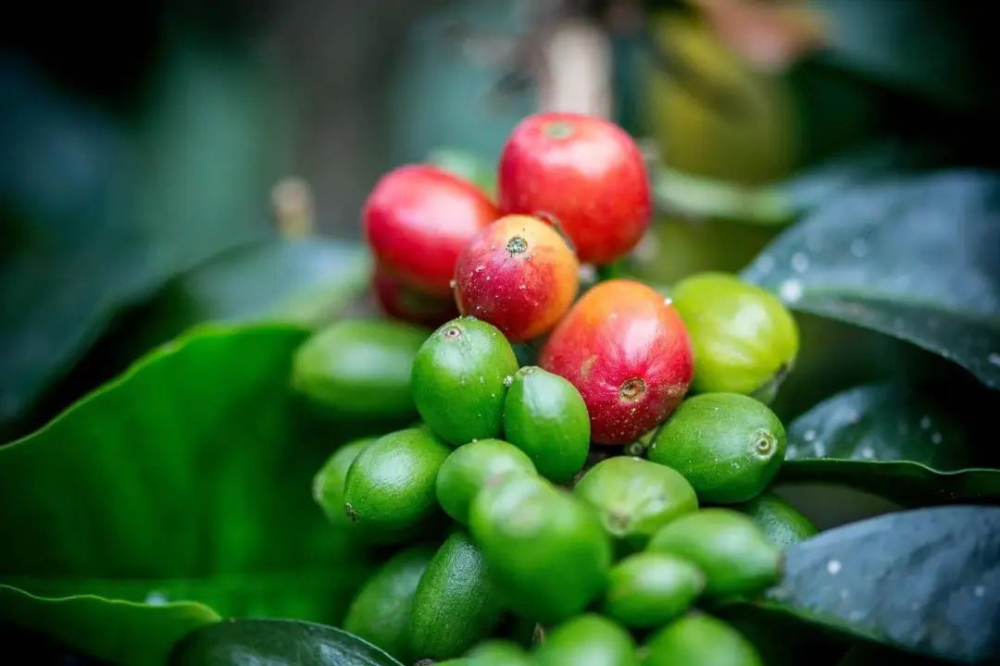
Characteristics of the Sidra Variety
Although genetic testing shows Sidra has genetic ties to Ethiopian coffee varieties, it is now mainly cultivated in Colombia and Ecuador. Looking back at the first Ecuador Cup of Excellence (COE) competition in 2021, Sidra varieties earned excellent rankings of 2nd, 5th, 6th, 8th, 16th, 20th and 21st. As the second major growing area, Colombian Sidra is often used as a competition bean, and a few other producing regions plant Sidra on a small experimental scale.
Sidra plants are typically found at altitudes of 1,650-1,800 meters, with sturdy trunks that can reach 4 meters in height. They need appropriate shade when cultivated, are immune to several pests, but are susceptible to leaf rust and coffee berry disease. The leaves are slender and long, and the flowers have five petals when blooming. The fruit sets densely for high yields, with cherries larger and rounder than most Arabica varieties; the green beans are elongated and strip-like, somewhat similar to Geisha.
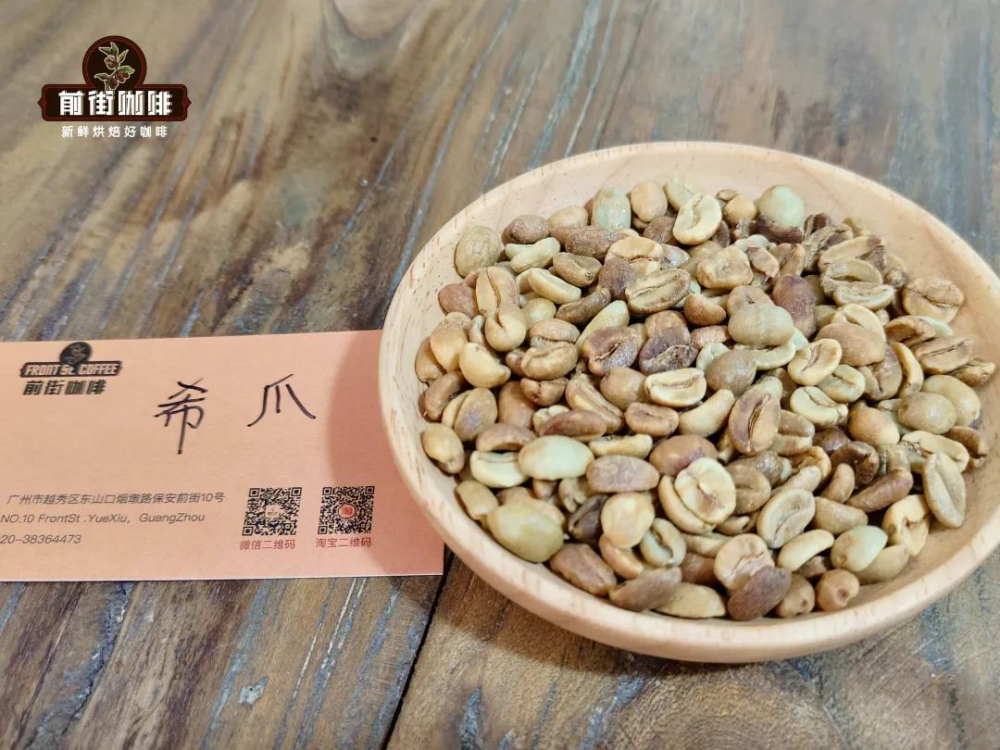
In green bean competitions, high-quality pointed Sidra, such as washed lots, is often described as having base notes of brown sugar, citrus, honey and berries, with delicate floral expression. This lines up perfectly with the impression of Ethiopian native varieties. Mr. Han Huaizong also wrote in his book, "No wonder the sweetness and floral notes are extremely similar to Sidamo (Yirgacheffe) or Geisha."
How Does Anaerobic Natural Sidra Taste?
When FrontStreet Coffee cupped the anaerobic natural Sidra from Finca El Diviso, we met a complex fruit aroma of passion fruit, citrus, grape and honey. As the temperature dropped, it tasted like bright orange juice acidity mixed with some cinnamon spice, leaving a sweet cocoa aftertaste once swallowed.
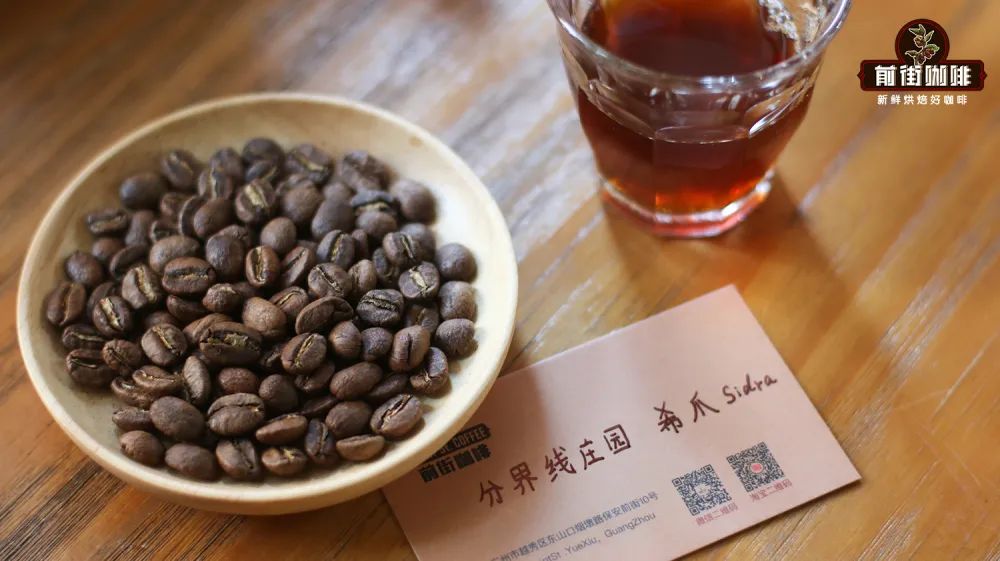
FrontStreet Coffee tried cold brew, iced pour-over and hot pour-over, finding that this Finca El Diviso Sidra consistently expressed rich, sweet fruit flavors with plant-based aromatics, a rounded mouthfeel and weak bitterness.
FrontStreet Coffee's Pour-Over Recommendations
Given that this Sidra bean has floral and fruity character, FrontStreet Coffee's roaster chose a medium-light roast to highlight its floral notes and fruity sweetness. Lighter-roasted beans need higher water temperatures to fully extract the aromatics, but for a Sidra with its cocoa-like charm, too high a temperature tends to raise bitterness, so FrontStreet Coffee brews at 90-91°C.
Filter: V60
Water Temperature: 90-91°C
Grind Size: Fine sugar granularity (80% pass-through rate with a #20 standard sieve)
Coffee-to-Water Ratio: 1:15
Coffee Amount: 15 grams
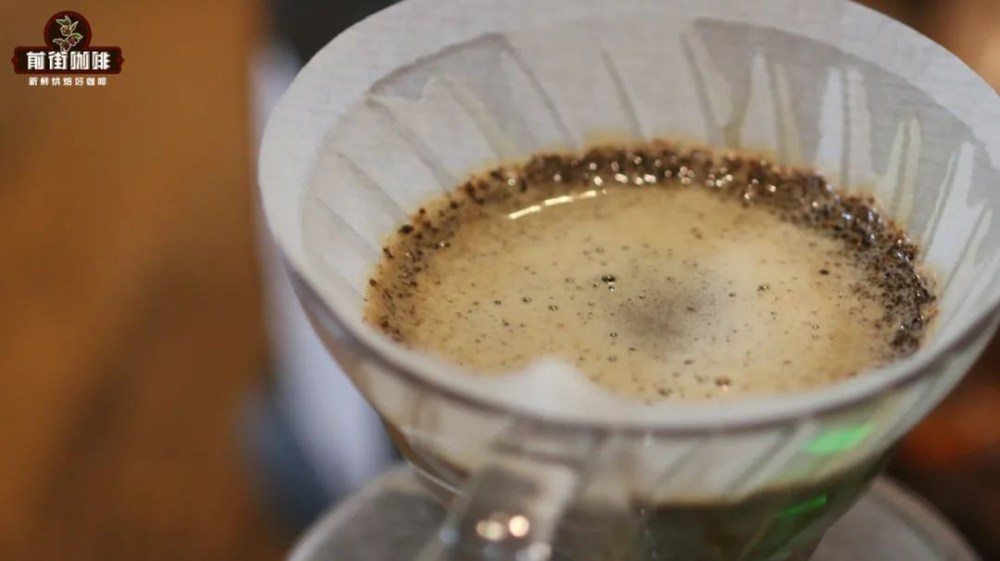
Pour the coffee grounds into the V60 filter, wet the coffee bed with twice the amount of water to form a dome, and let it bloom for 30 seconds. Then, using a small stream, pour in circles from the inside out to 125g for the first segment. Wait until the coffee bed drops to half the filter's height, then continue with the same fine stream to inject the third segment to 225g. Remove the filter once all the coffee liquid has drained through, for a total time of approximately 2 minutes.
FrontStreet Coffee Recommendation
Colombia is wonderfully versatile: its coffees work just as well in espresso blends as they do as pour-over single origins, spanning fruit-acidity profiles, full-bodied cups and aroma-forward lots, which is exactly why they suit such a wide range of drinkers.
To grasp the country's signature regional style, start with FrontStreet Colombia Huila. Huila, in the southern Central Cordillera, is Colombia's most famous specialty coffee region: a landscape ringed by mountains, planted above 1,500 meters, where the country's most important rivers converge, bringing abundant water and humidity. Buy FrontStreet Washed Huila to understand the region - roasted medium-dark, it emphasizes dark chocolate and nutty sweetness with moderate crema and a full body. It suits pour-over and French press, and also works for moka pot and espresso machine, making Americanos and lattes with ease.
For a more modern, experimental flavor, FrontStreet Colombia Frontera Estate Sidra is processed as an anaerobic natural. In the past, Colombian coffee was usually washed, but in recent years innovative processing has taken off. Anaerobic fermentation - sometimes called carbonic maceration - is simply a low-oxygen or oxygen-free fermentation, typically done in a pressure-resistant stainless steel tank where temperature, time, pH and other variables can be controlled. The best-known forms are anaerobic natural and anaerobic washed; FrontStreet Sidra uses the anaerobic natural method, and its oxygen-free fermentation converts the coffee into richer tropical fruit aromas. Roasted medium-light, it shines in pour-over, cold brew, drip bags and moka pot with complex notes of passion fruit, grape, apricot and dried fruit.
If you have a home espresso machine or a moka pot, FrontStreet Signature Blend is a barista favorite. Created for coffee shops, it combines the creamy, nutty sweetness of Brazilian beans with the dark chocolate bittersweetness of Colombian beans, producing fine golden crema during extraction. It pairs beautifully with milk for a rich, smooth latte and also serves as the base for Americanos, cappuccinos, mochas and other classic espresso drinks - very friendly to beginners.
Important Notice :
FrontStreet Coffee is a long-established specialty coffee roaster in Guangzhou China, selling freshly roasted beans from its own farm in Yunnan as well as dozens of carefully selected single-origin beans from around the world for both pour-over and espresso. The products deliver consistently excellent quality and great value, with shipping within 24 hours. Guangzhou's FrontStreet Coffee shop is recommended by many coffee lovers, and the beans are now available online at the Tmall 。
FrontStreet Coffee has moved to a new address:
FrontStreet Coffee Address: 315,Donghua East Road,GuangZhou
Tel:020 38364473
 Scan and follow the En Gafei WeChat official account. Please indicate that the reprint comes from "En Gafei".

