
Summer Cold Brew Coffee Making Method! Super Simple Iced Coffee Tutorial with Illustrated Guide is Here!
Ultimate Guide to Iced Coffee: Perfect Beans and Easy Methods

"My life! It's iced coffee that keeps me going!" It sounds exaggerated, but there's no arguing that iced coffee is the ultimate refresher in hot weather.
Before temperatures hit their peak, FrontStreet Coffee has put together several super-simple iced coffee methods you can use at home or in the office. Learn them now and be ready when summer arrives.
Summer Iced Coffee Bean Recommendations
When most people think of iced coffee, they picture clean, refreshing flavors - which is why many enthusiasts reach for light-roast beans with bright acidity. But as some have discovered, while light roasts make very refreshing iced coffee, the result often lacks depth and fullness.

Are there beans that deliver both freshness and a soft, full-bodied character in iced coffee - at a reasonable price?
Absolutely.
Ethiopia Natural Red Cherry Coffee Beans
Medium-light roast. Flavors: mixed berries, caramel, black tea, a slight fruit-fermentation aroma.
Red Cherry refers to the "Red Cherry Project" launched by the Dutch green coffee importer Trifeca in 2007. The project raised the purchase price for fully mature cherries, encouraging farmers to harvest only fruit with fully red skin.
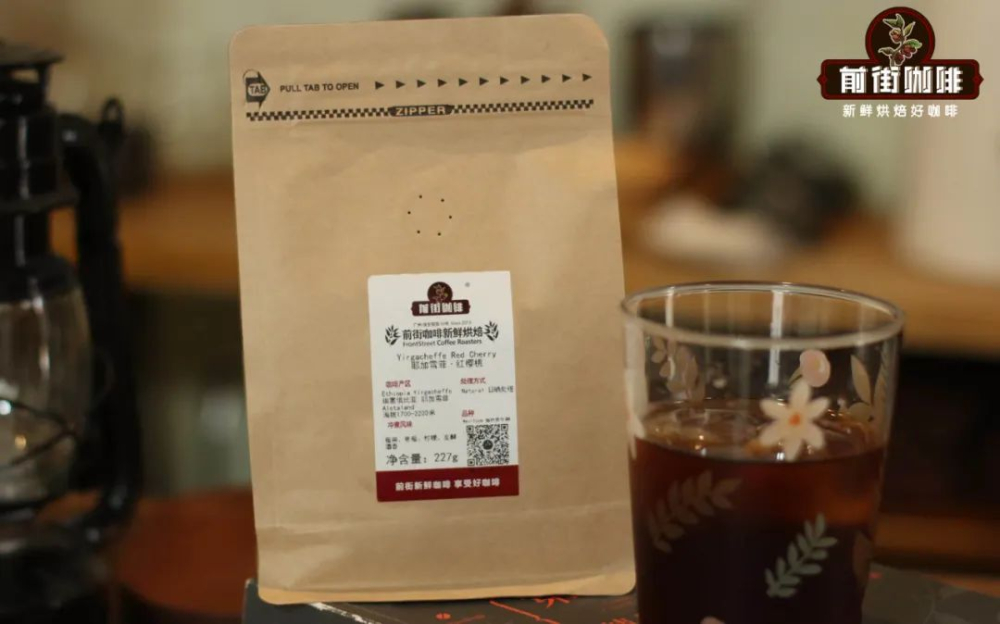
The approach sharply improved overall bean quality, and fully ripe fruit also carries more sugar. After sun-drying the whole cherries, the beans develop wonderful sweetness and gentle fermentation notes with a soft, smooth mouthfeel - among the sweetest coffees Ethiopia produces.
Panama Elida Estate Natural Typica Coffee Beans
Medium roast. Flavors: peach, orange, raisin, caramel, green tea.
Elida Estate is best known for the ASD slow-dried Geisha that won awards at the 2019 BOP competition. But the estate grows more than Geisha: it also cultivates Caturra and Catuai, the workhorses of Central and South America, alongside Typica - prized for its clean, elegant profile.
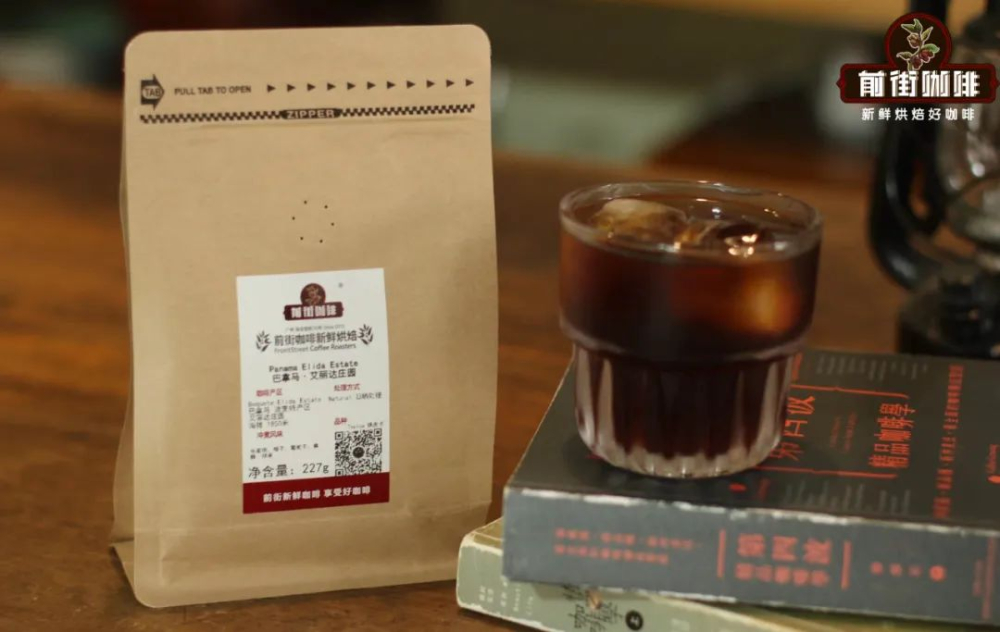
The remarkable thing about Elida Typica is how it fuses the rich, juicy flavors of its terroir and natural drying process with Typica's inherent cleanliness - producing a remarkably smooth, full-bodied cup.
Colombia Diviso Sidra Coffee Beans
Medium roast. Flavors: grape, passion fruit, dried apricot, citrus, fermentation aroma.
Sidra drew widespread attention when WBC 2022 champion Anthony Douglas used Colombian Sidra in his competition routine.
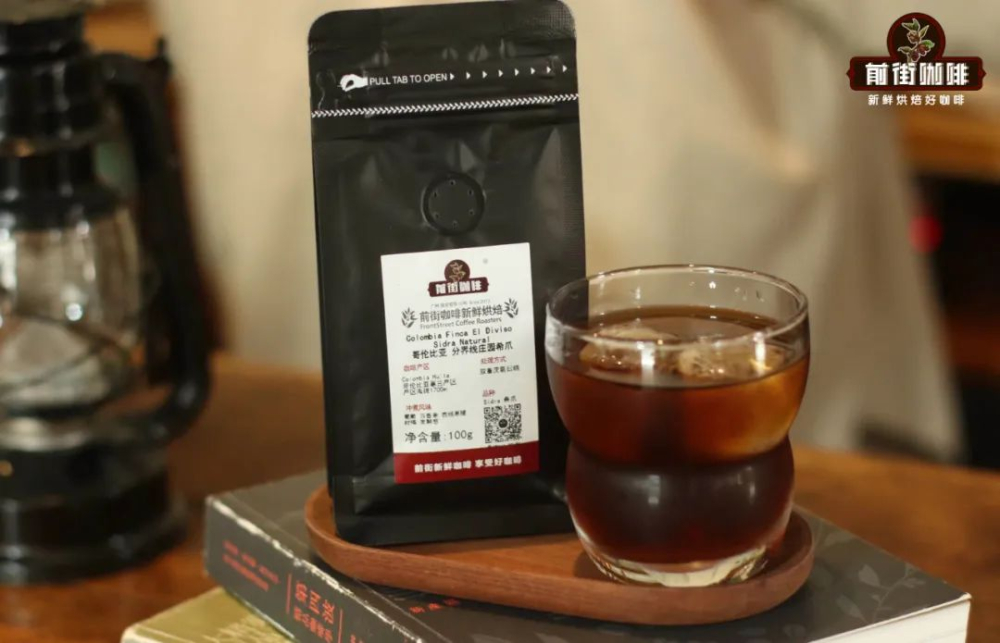
Sidra is a laboratory variety, hybridized from Typica and Red Bourbon. Later genetic comparisons revealed similarities between Sidra and Ethiopian native varieties, leading some scholars to speculate it originated from crosses between experimental varieties exported from Ethiopia and local Bourbons in Ecuador.
Sidra carries floral and fruity character comparable to Geisha - peach, citrus, grape, and honey with moderate acidity and a rounded mouthfeel. Best of all, it's excellent value.
Summer Iced Coffee Brewing Methods (N+1)
All three beans above can be brewed with any of the following methods at a medium-fine grind:

Pour-Over Iced Coffee Method
Coffee-to-water ratio: 1:10 (1g coffee : 10g water)
Ice: 100g | Water temperature: 90-91°C
Dripper: V60
Technique: three-stage pouring
For a fuller final cup, FrontStreet Coffee suggests brewing the concentrate first, shaking it well, then pouring it over ice to cool and dilute. If the ice goes in first, concentration can swing between pouring stages, leaving the finished coffee thin.

FrontStreet Coffee's iced pour-over uses 15g of grounds. First stage: pour 30g and bloom for 30 seconds. Second stage: pour 60g in small circles. When the water level drops halfway, third stage: another 60g in small circles. Total water: 150g. Then pour over ice and swirl to cool and dilute.

Note: prepare extra ice! Plenty of ice cools the coffee quickly while limiting melt-dilution. Once you hit your desired strength, simply remove the ice to stop dilution.
Drip Bag Iced Coffee Method
FrontStreet Coffee's drip bag coffee contains 10g per pack. The method resembles pour-over, with the non-woven bag acting as both dripper and filter paper.

Coffee-to-water ratio: 1:10 (1g coffee, 10g water)
Ice: 50g | Water temperature: 90-91°C
Technique: center pouring
1. Open the outer packaging, tear along the "open" line, unfold the hangers, and hook the bag onto a short glass.

2. Prepare hot water at around 90°C. No thermometer? Boil water and let it sit uncovered for 2 minutes - it will drop to roughly 90-93°C.
3. Slowly pour 100ml of hot water into the bag, making sure the grounds are fully submerged. Let it steep for 3 minutes (the small water volume needs steeping for proper extraction), then lift the bag out and discard it.

4. Finally, add ice to cool. Drop large, hard cubes straight into the cup, or pour the hot coffee into a second glass filled with ice and stir.
Cold Brew Iced Coffee Method
Coffee-to-water ratio: 1:12 (1g coffee, 12g water)
Water temperature: room temperature
Equipment: cold brew maker
Steeping time: 12-16 hours

Cold brew is the most fuss-free, technique-light iced coffee method - the only cost is time. Start steeping at dinner and wake up to a full-bodied, clean cold brew the next morning.
Since FrontStreet Coffee uses a 1L cold brew maker, this demonstration uses 60g of grounds; scale to your maker's size while keeping the ratio, and make sure the grounds are fully submerged after adding water.

Fill a clean cold brew maker: pour the ground coffee into the filter basket, then pour 720g of room-temperature water over the grounds to wet them completely. Cap the filter basket, close the maker, and refrigerate for 12-16 hours of low-temperature extraction.

When extraction is done, lift the filter basket and rest it on the rim so the remaining liquid drips through. Discard the grounds and enjoy. If 1:12 tastes too strong, brew at 1:13 or dilute with ice or clean water when serving.
FrontStreet Coffee Recommendation
Ethiopia remains the treasure trove of the coffee world - the birthplace of Arabica, home to countless native varieties. For a clean, elegant introduction, FrontStreet Coffee's washed Yirgacheffe shows jasmine florals and bright citrus acidity over a light, tea-like body, like a crisp lemon tea. The Guodingding Cooperative, independent since 2012 and run by roughly 300 member farmers in the Worka area, strips the fruit before drying for extra clarity: citrus, lemon, and graceful white floral notes.
For cold brew specifically, the natural Red Cherry (peach, cocoa, honey, lemon) and the sun-dried Huakui - dried 21 days on raised beds in Hambella, Sidama - bring fermented wine notes, florals, citrus, and mango with a thick, enduring finish. Either one turns a simple overnight steep into something special.
Important Notice :
FrontStreet Coffee is a long-established specialty coffee roaster in Guangzhou China, selling freshly roasted beans from its own farm in Yunnan as well as dozens of carefully selected single-origin beans from around the world for both pour-over and espresso. The products deliver consistently excellent quality and great value, with shipping within 24 hours. Guangzhou's FrontStreet Coffee shop is recommended by many coffee lovers, and the beans are now available online at the Tmall 。
FrontStreet Coffee has moved to a new address:
FrontStreet Coffee Address: 315,Donghua East Road,GuangZhou
Tel:020 38364473
 Scan and follow the En Gafei WeChat official account. Please indicate that the reprint comes from "En Gafei".

