
How to Maintain and Care for Home Espresso Machines? How to Replace Espresso Machine Gaskets?
As specialty coffee culture spreads, more and more coffee enthusiasts are buying equipment, accessories, and beans online and learning to brew a satisfying cup at home.
In recent years the equipment market has rolled out a wide range of espresso machines designed for home use, so plenty of enthusiasts have set one up in their kitchens.
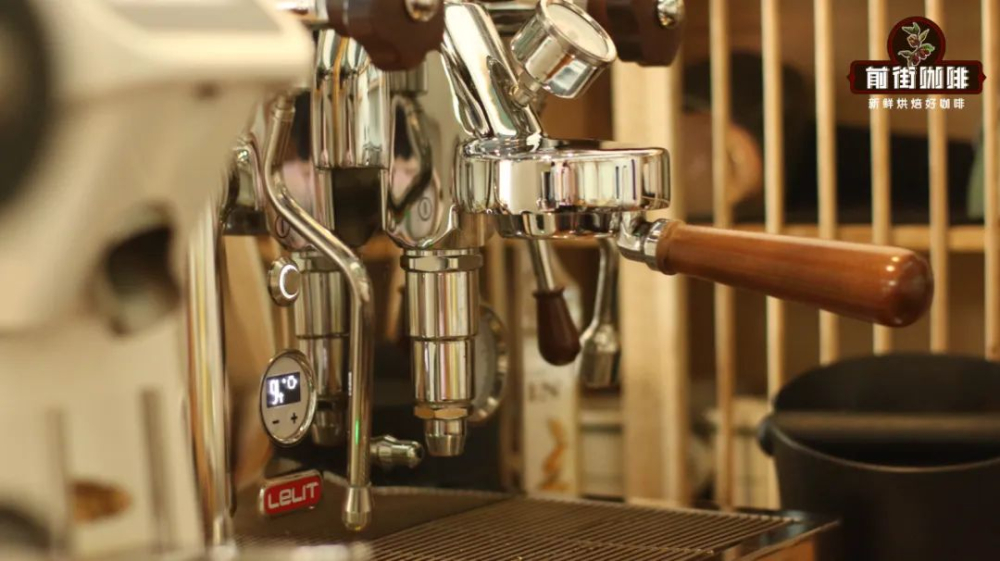
But without a deeper understanding of espresso machines, many owners never clean promptly or perform regular deep cleaning, and various small problems appear after a while...
Reduced steam, uneven water flow from the brew head, leaking around the portafilter during extraction... How should you handle these situations? And how should you maintain an espresso machine day to day?
Daily Cleaning of Home Espresso Machines
FrontStreet Coffee's own shop uses a machine suited to both home use and community/small coffee shops. Household machines are relatively easy to care for because of their low usage frequency — but you still need to clean immediately after use and maintain components regularly.
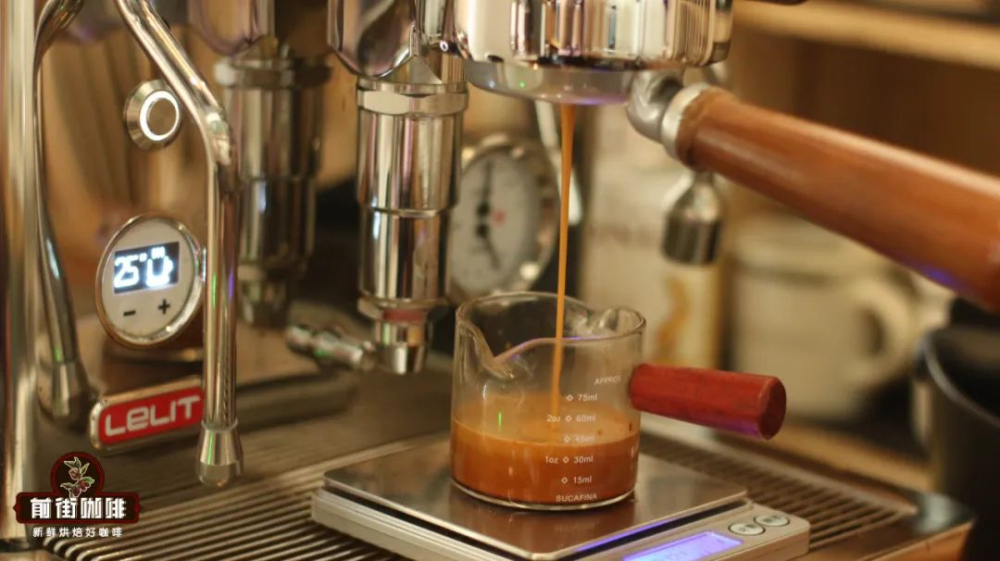
Daily cleaning means the steps performed after each coffee session. Two parts need attention: the steam wand and the brew head's shower screen.
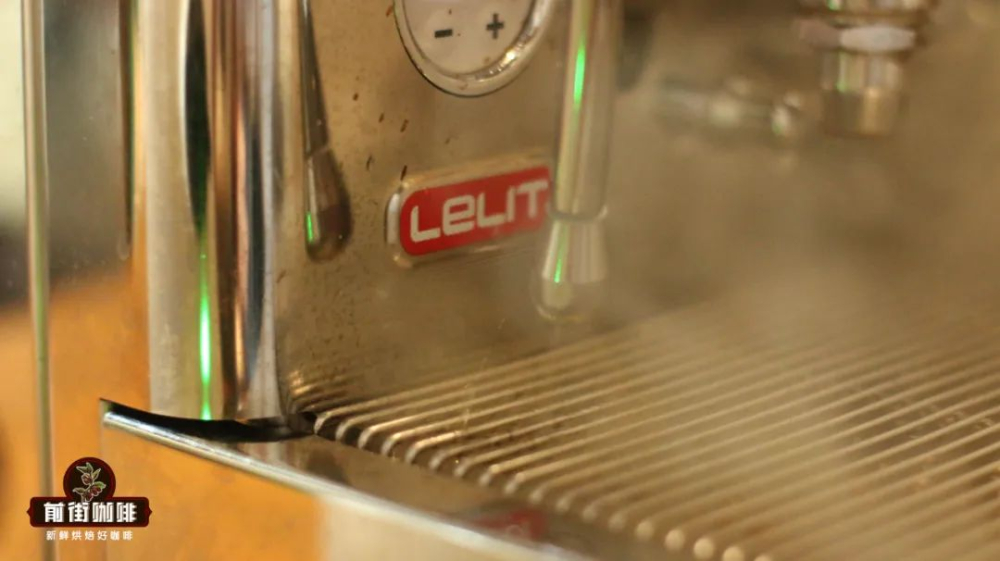
1. Timely Cleaning of the Steam Wand
After steaming milk, a thin film of milk foam clings to the wand. Left uncleaned, the wand's high heat bakes the residue onto the metal, where it gradually caramelizes. Over time this breeds spoilage and odors, and the hardened milk can block the steam holes, reducing steam output.
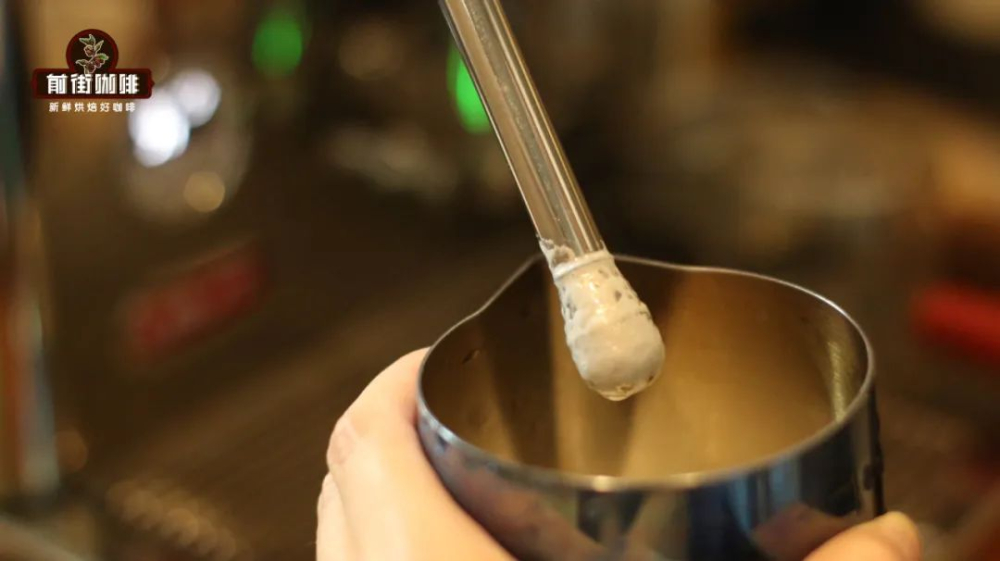
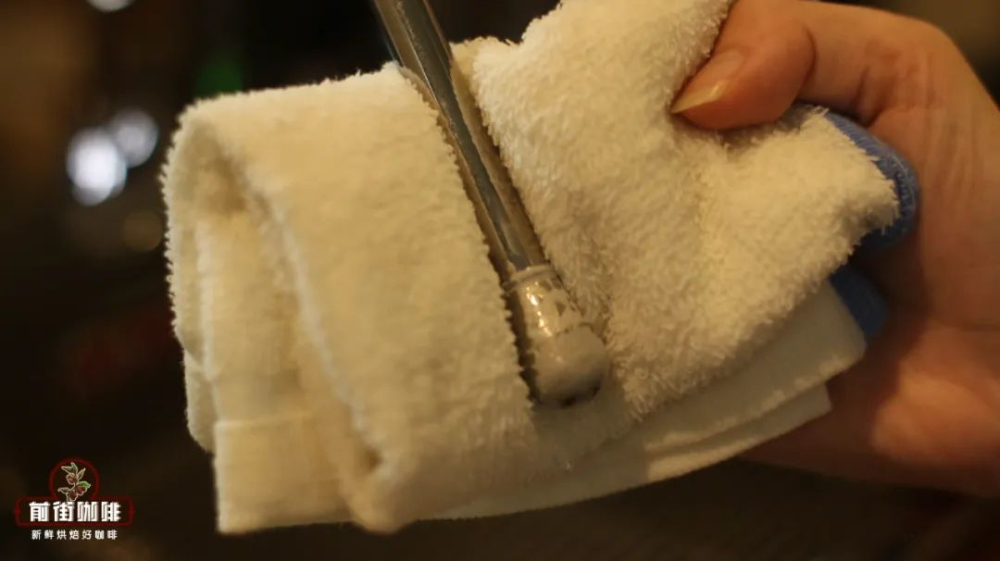
So after every frothing session, immediately wipe off the residue with a clean damp cloth, position the wand tip over the drip tray (pointed at no one), then fire the steam again for a brief purge to expel any milk left inside the steam holes.
2. Timely Cleaning of the Brew Head's Shower Screen
The shower screen is the mesh face of the brew head that touches the coffee grounds during every extraction. Because the grounds are compacted, coffee can only seep through once pressure reaches a certain range, and some backflow is possible before that. Even after extraction finishes, coffee oils and fine grounds remain in the screen.

If it goes uncleaned for long, residue and oil build up in the screen and the pipes, souring the taste of every shot that follows.
So after each espresso extraction, knock out the puck promptly. Coffee residue clinging to the shower screen can be rinsed away with the brew head's flush button, or brushed off with a cleaning brush.

Cleaning Before Machine Shutdown
For a home machine, low usage means you don't need frequent cleaning with specialized powders. But you should still backflush using the blind basket (a portafilter basket without drainage holes) that comes with the machine. This uses the machine's own pressure to flush the brew head repeatedly with hot water; since the water can't flow out, it's forced back into the pipes, dislodging coffee residue.
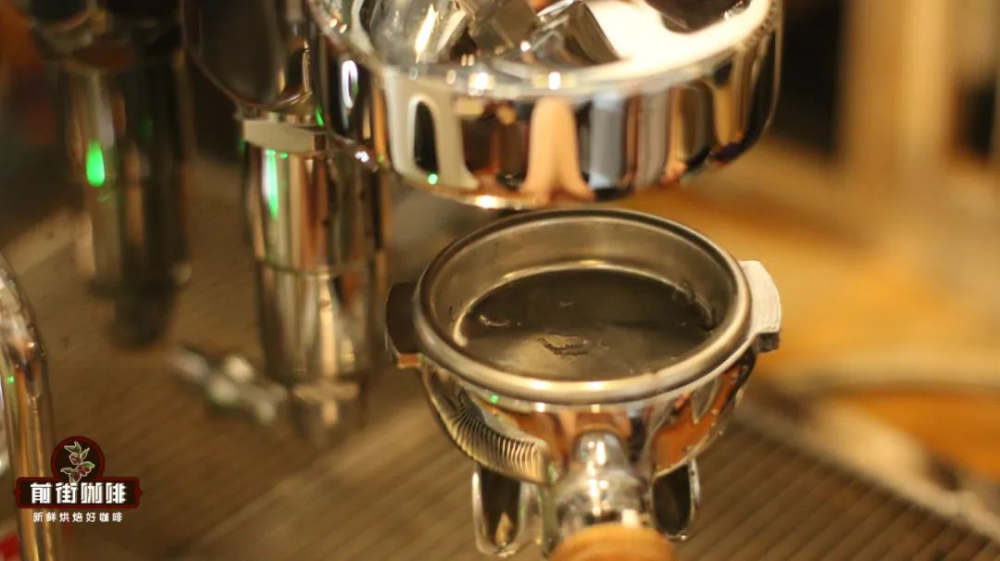
After backflushing, remove the blind basket, run the pump so water flows from the brew head, and use a brush to clean any remaining grounds or stains in the brew head's recess (brush gently, and beware of hot water splashing). Finally, wipe down the whole machine with a clean cloth.
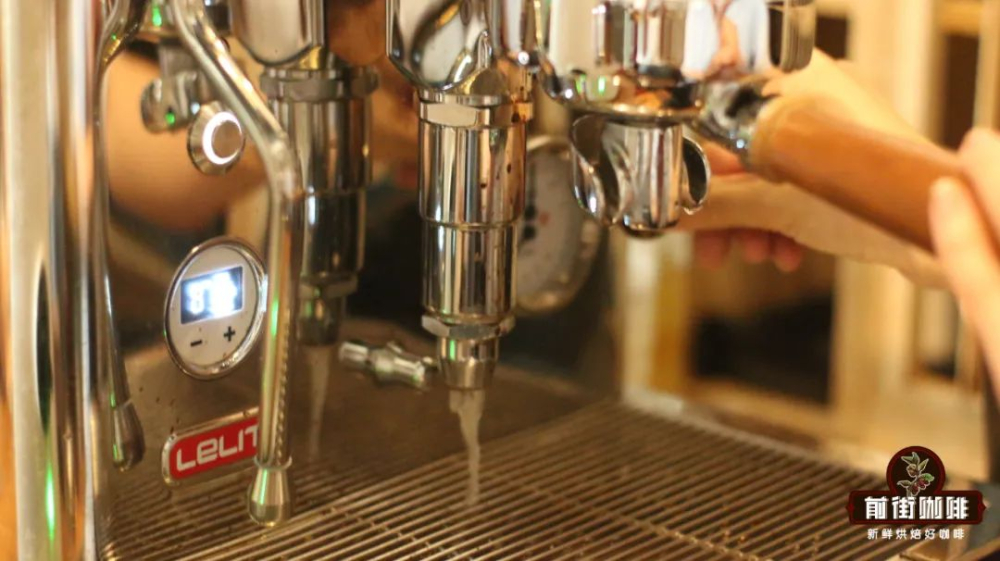
After switching off the power, open the steam wand valve to release any remaining steam — steam water left sitting in the pipes leads to scale buildup. Finally, empty the water reservoir, then clean and dry it.
Regular Deep Cleaning of Machine Components
Even with diligent daily care, coffee stains inevitably accumulate inside the shower screen over time, and milk residue will clog the steam holes to varying degrees.
1. Deep Cleaning of the Steam Wand
Steam holes block for two reasons: scale buildup or milk residue. Usually the steam tip can be unscrewed; if not, soak the entire wand.
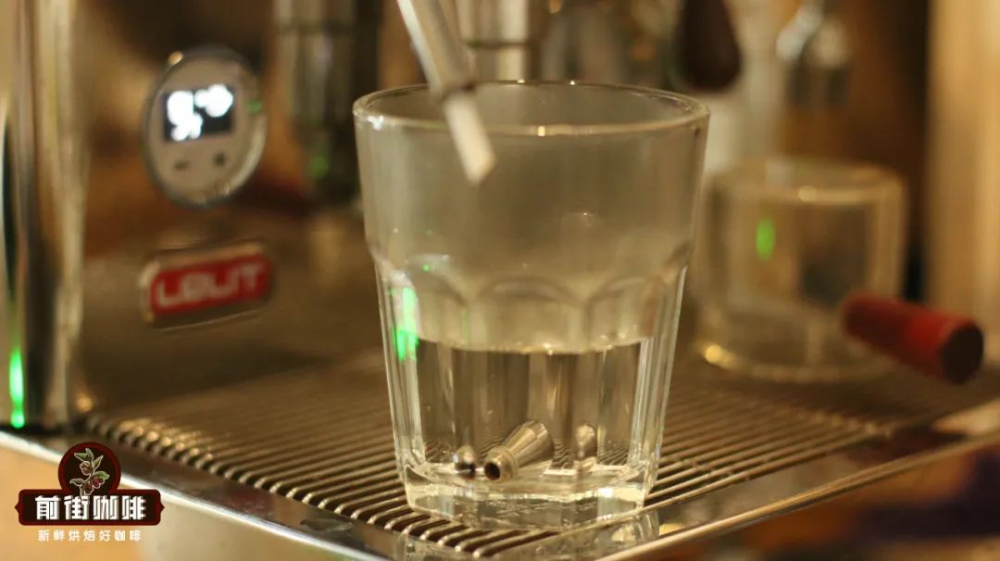
For scale, use specialized descaling powder diluted to the recommended ratio for soaking. For milk residue, soak in hot water, then clear the holes with a specialized steam-tip brush or a SIM card pin. Finally, position the wand over the drip tray, purge with steam briefly, and check whether steam output is back to normal.
If it still isn't — and you're certain the holes aren't blocked — contact the machine's after-sales service or a repair technician for inspection.
2. Deep Cleaning of the Shower Screen
Even with regular cleaning, the bowl-shaped screen can only be brushed at the bottom — the inside is beyond a brush's reach — and frequent disassembly easily deforms it. That's where specialized espresso machine cleaning powder (sold in small packages online) comes in.
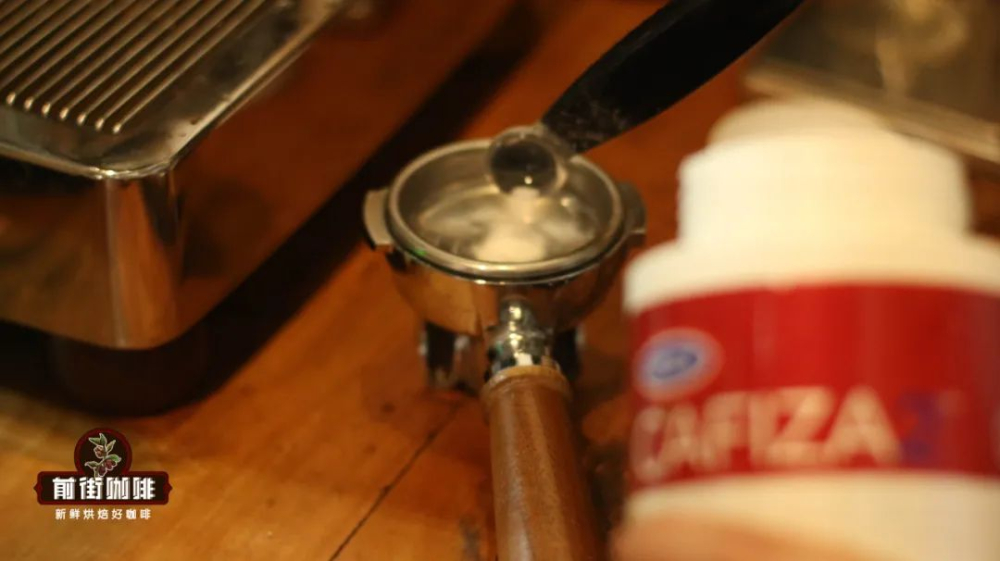
Then backflush as usual, with one extra step: add the powder. First remove the portafilter basket, attach the blind basket, and add about 3g of cleaning powder.
Lock in the portafilter and press the extraction button. Because the blind basket offers no outlet, the machine releases pressure mid-extraction, "sucking" the cleaning solution into the relief pipe where it does its work. Don't backflush with powder for too long — about 15 seconds per cycle, repeated 3-5 times — because running the relief valve for extended periods risks damaging it.
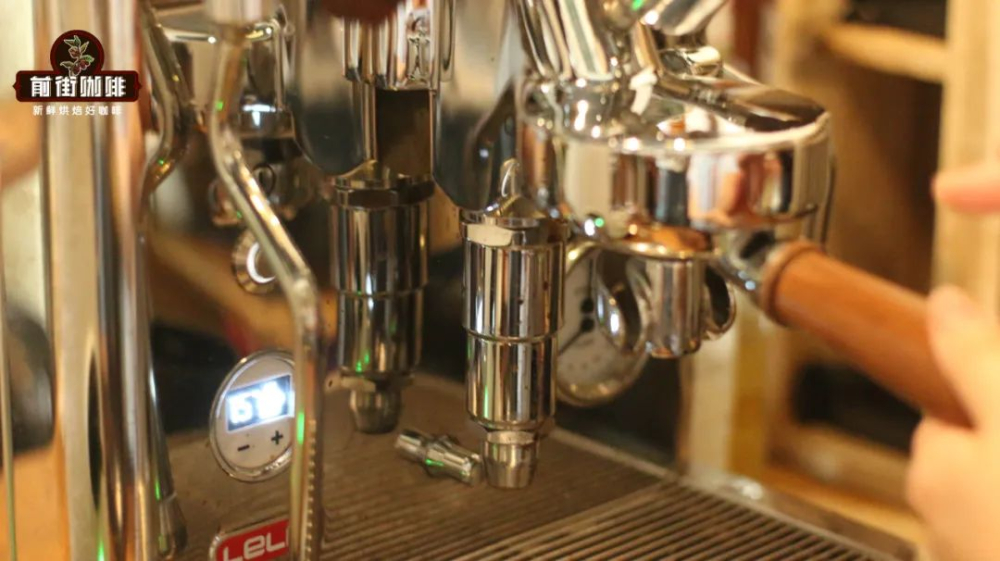
After 5 backflush cycles, remove the portafilter: you'll see water stained with coffee residue and foam in the blind basket. Press the extraction button to discharge some of the dirty water first, then use a cleaning brush to scrub the brew head and shower screen thoroughly.
3. Deep Cleaning of Portafilter Baskets
If you use a spouted portafilter, coffee residue and oils accumulate inside, and left uncleaned they eventually turn foul. Prepare a basin of boiled hot water with some machine cleaning powder stirred in, and soak the portafilter and baskets for 30 minutes. Then rinse thoroughly with clean water.
Regular Maintenance: Replacing the Gasket
If coffee leaks from the sides during extraction, or the portafilter won't lock properly, the group gasket has probably hardened. Time to buy a replacement.
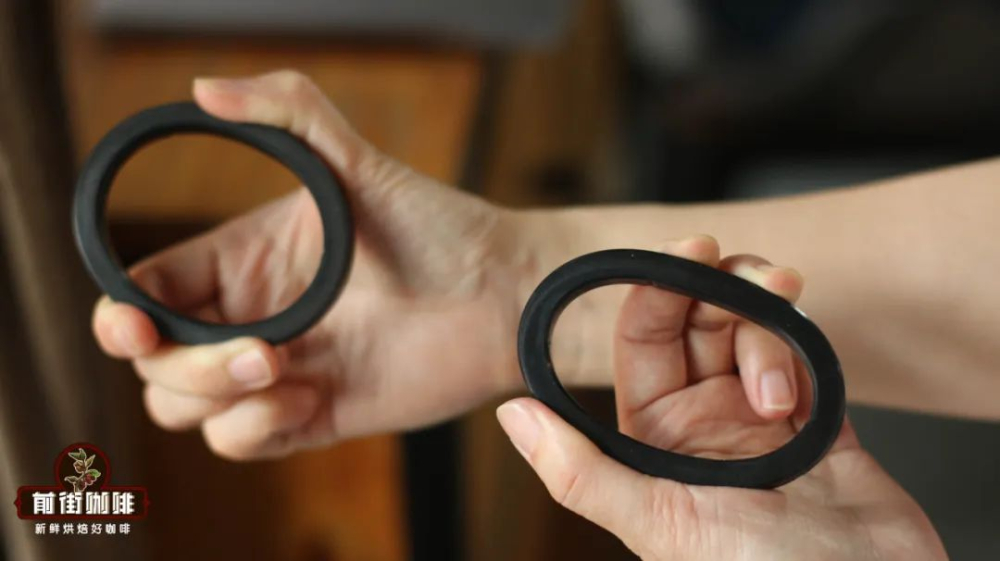 (Left: hardened gasket, Right: new gasket)
Brew head structures vary between machines. Before disassembling anything to reach the gasket, check with after-sales service first.
First switch off the machine and let it cool (to avoid burns) before disassembling the brew head. Then soak the shower screen for cleaning, or scrub the coffee stains out of it with clean water and a brush.

After removing the old gasket, wipe the brew head area clean of coffee residue — including any carbonized gasket fragments left behind when an aged gasket wasn't replaced in time.
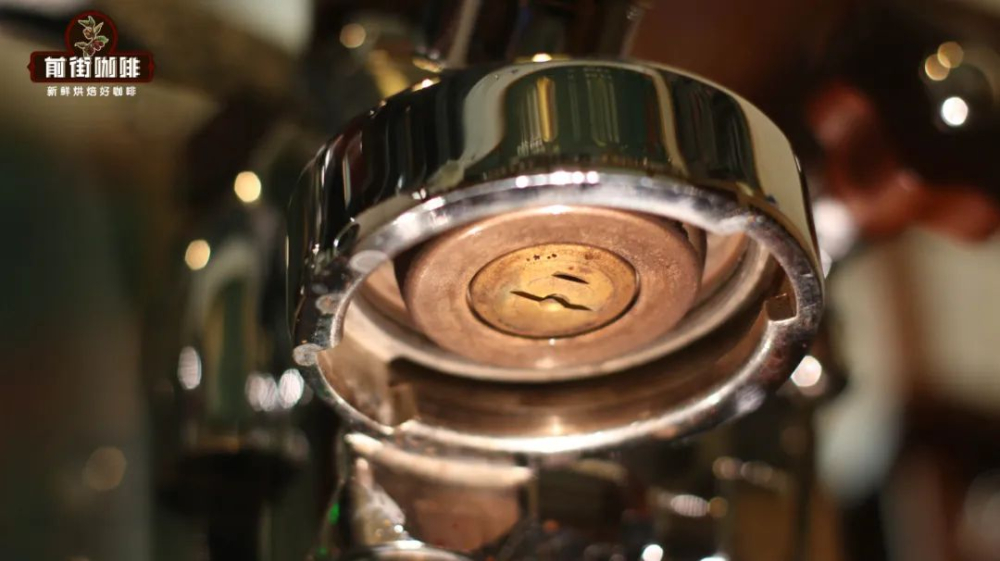
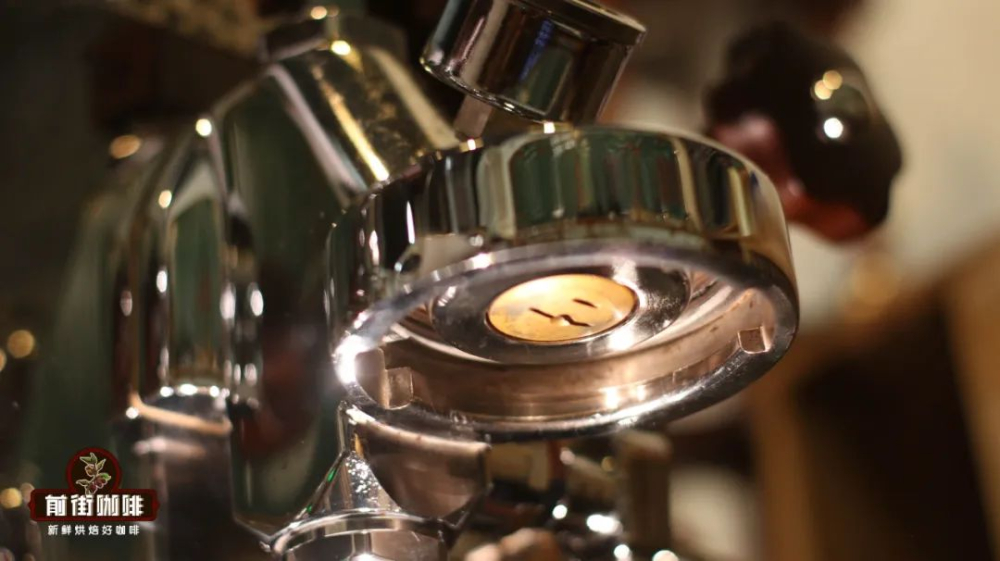
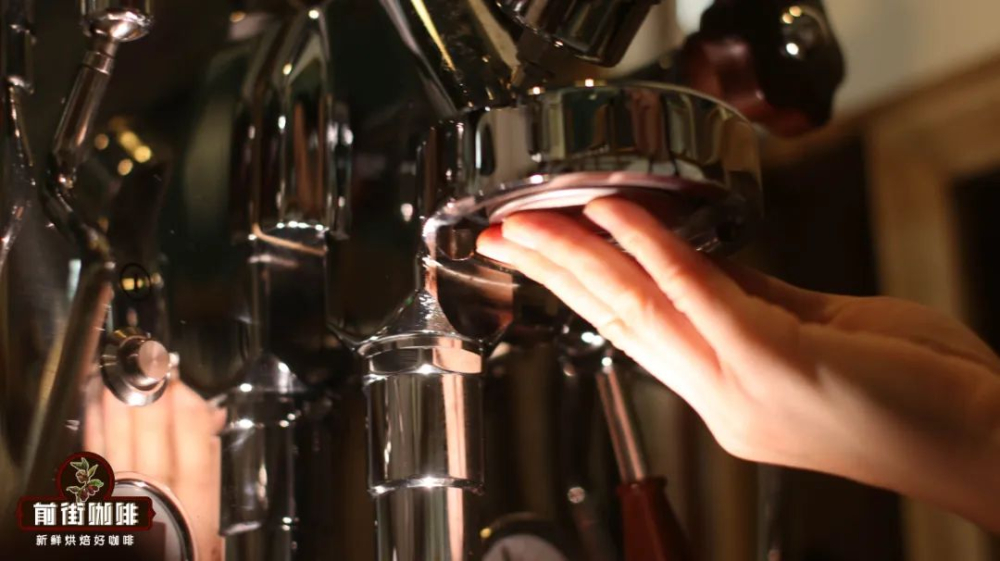
Then fit the new gasket onto the shower screen and reinstall it on the brew head. Replacement methods differ between brew head models, so be absolutely sure to confirm the procedure with after-sales service first.
About Water for Espresso Machines
For home espresso machines, filtered water is recommended.
Unfiltered water — or water loaded with impurities and minerals — easily causes scale in the boiler. At best it dulls the coffee's taste; at worst it reduces boiler efficiency. If heavy scale accumulates, the cost of maintenance and cleaning can be substantial.
- END -
FrontStreet Coffee Recommendation
A well-maintained machine deserves good beans. FrontStreet Coffee's Classic Blend is designed specifically for espresso and moka pots, with outstanding crema that even beginners can extract from non-professional home machines — the traditional Mandheling-Brazil recipe gives a mellow, smooth cup for lattes, cappuccinos, and Dirty. The Dark Cocoa Blend (100% Arabica) offers rich crema and mellow body at a budget-friendly price, ideal for cost-conscious shop owners.
The FrontStreet Signature Blend — a long-running pairing of Brazil Cerrado and Colombia Huilan beans — delivers the classic, familiar espresso flavor for both home and commercial use, while FrontStreet Coffee's Commercial Blend remains a dependable, cost-effective workhorse for cafe settings.
Important Notice :
FrontStreet Coffee is a long-established specialty coffee roaster in Guangzhou China, selling freshly roasted beans from its own farm in Yunnan as well as dozens of carefully selected single-origin beans from around the world for both pour-over and espresso. The products deliver consistently excellent quality and great value, with shipping within 24 hours. Guangzhou's FrontStreet Coffee shop is recommended by many coffee lovers, and the beans are now available online at the Tmall 。
FrontStreet Coffee has moved to a new address:
FrontStreet Coffee Address: 315,Donghua East Road,GuangZhou
Tel:020 38364473
 Scan and follow the En Gafei WeChat official account. Please indicate that the reprint comes from "En Gafei".

