
As the Street Stall Economy Boom Fades, Is Running a Mobile Coffee Cart Still Profitable?
As the Street Stall Economy Boom Fades, Is Running a Mobile Coffee Cart Still Profitable?
The Rise and Fall of Mobile Coffee Carts
Starting in 2020, the street stall economy swept the country. On social media, coffee content shifted from beautifully decorated brick-and-mortar cafés to mobile coffee stalls and carts with an authentic street vibe.
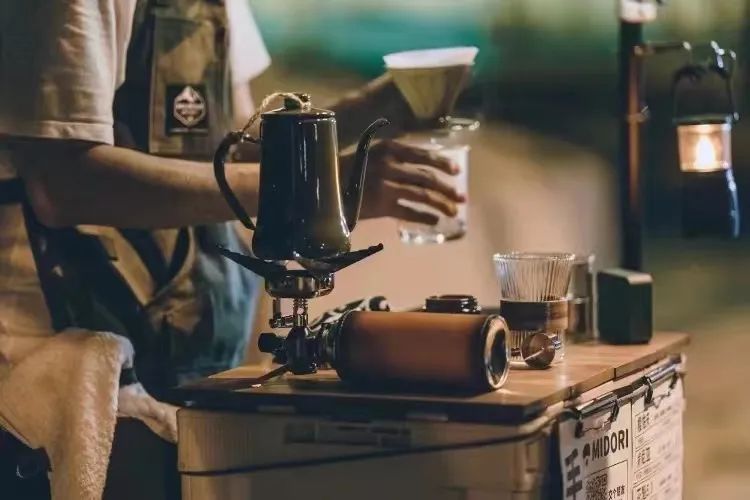
The more elaborate setups paired coffee carts with camping tables and chairs, riding both the street stall wave and the camping boom to give cooped-up city dwellers a taste of the outdoors when travel wasn't an option.

Social platforms filled with people sharing their successful cart ventures, along with conversion tutorials and equipment-and-supply checklists.
For a while, the coffee cart was the dream of many entrepreneurs and side-hustlers. Some converted vehicles they already owned; others bought one specifically for the project — with investments ranging from tens of thousands to over a hundred thousand yuan.
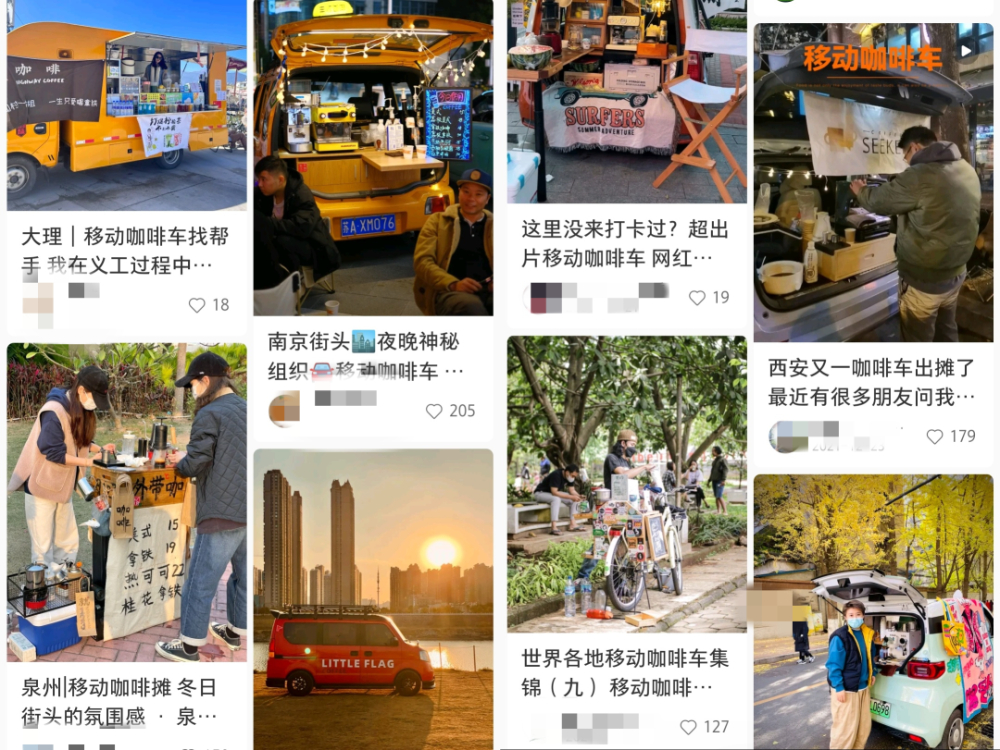
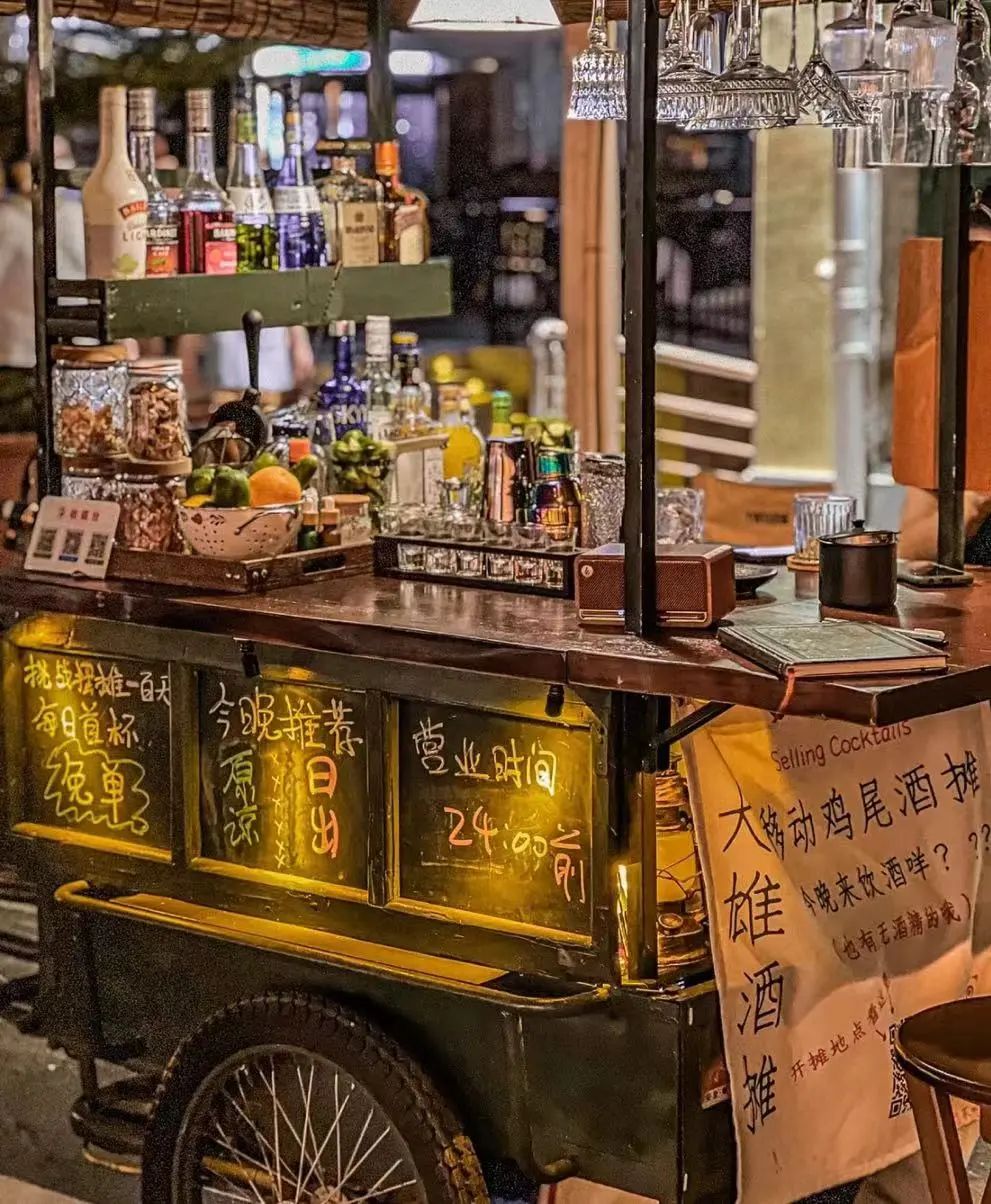
Three years on, the once-trending search term "mobile coffee cart" is now surrounded by warnings to avoid the pitfall. Some of the newest success stories date back to the summer of 2021. Last summer, even after visiting several well-organized mobile markets, coffee carts were rare. Most vendors were selling snacks, lemon tea, claypot rice, and mixed drinks — businesses that don't need heavy machinery.
Why Did Coffee Carts Vanish So Quickly?
Compared with other mobile food stalls, coffee carts demand much higher upfront investment while juggling perishable ingredients. Many also operate mainly in the evening — when coffee consumption naturally drops. And while a cart looks cheaper than a storefront, that's only skin deep: if you buy a vehicle specifically to convert it, the cost can exceed opening a small neighborhood café.
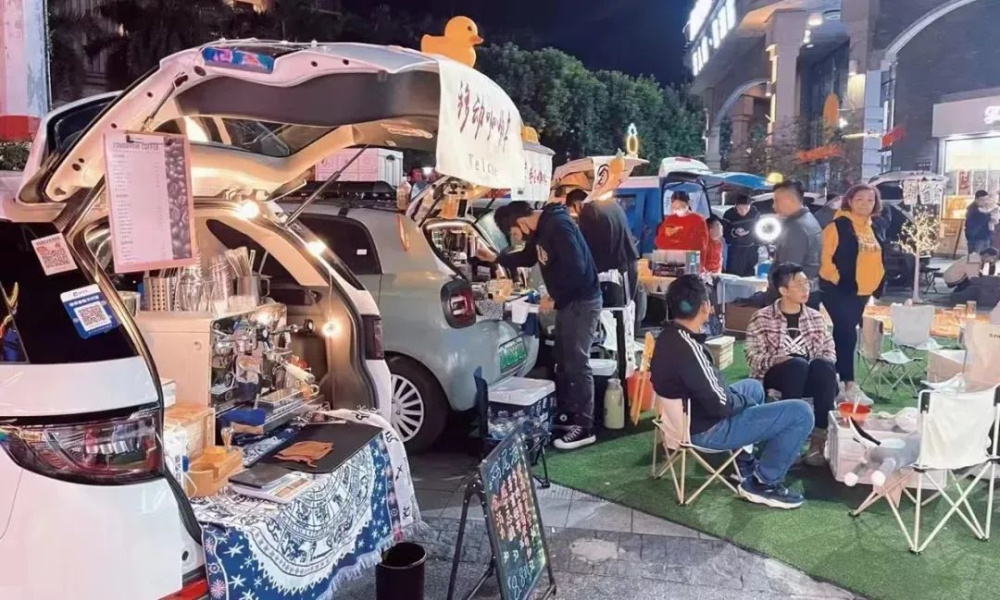
Even with an existing vehicle, you still have the vehicle cost, fuel or electricity, labor, espresso machine, grinder, generator, mini fridge, various equipment, utensils, ingredients, and decor — the total adds up fast! Customers come to carts for the outdoor experience and urban atmosphere, plus prices somewhat lower than brick-and-mortar shops. So despite the heavy investment, recouping costs through sales alone is extremely difficult; merely breaking even day to day is already an achievement.
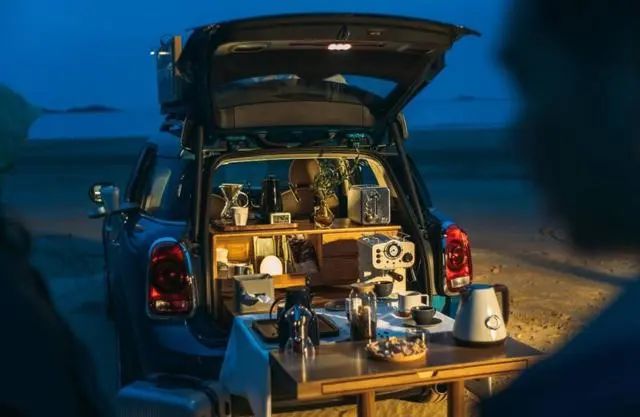
Some operators have genuinely made money with carts, but they're the exception — and usually among the very first movers. As cart numbers exploded, many early entrants reported business getting much harder.
Running a coffee cart is far from the dream venture many imagine.
Challenges of Coffee Cart Operations
1. No Business License
Some carts operate legally because their owners already run licensed physical cafés. Most carts, however, can't obtain a proper business license at all.
2. No Fixed Location
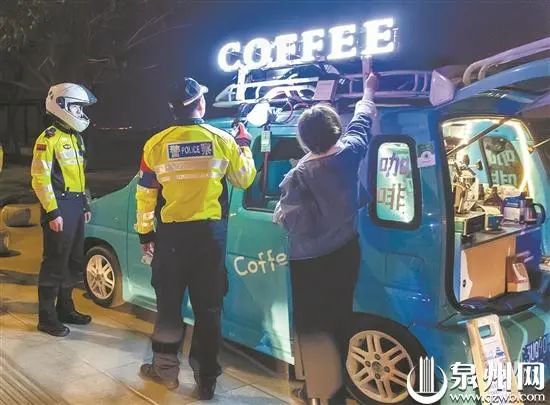
Wherever you set up, someone will intervene: traffic police enforce roadside parking rules, urban management officers monitor designated zones, and property management controls residential and parking areas. Without a fixed spot, repeat customers and a stable clientele are nearly impossible. Legal mobile markets are an option, but they add venue fees and a strict license requirement.
3. Weather Dependency
Cloudy, rainy, humid, or wintry days — any weather that makes people uncomfortable — mean no business for a mobile stall. Carts only do good trade during the few months between spring and summer and summer and autumn, on sunny days.
4. Equipment Cleaning on the Go
Most coffee drinks require immediate equipment cleanup afterward. Milk pitchers left uncleaned develop residue that spoils and contaminates every drink that follows.
5. Generator Noise and Fumes
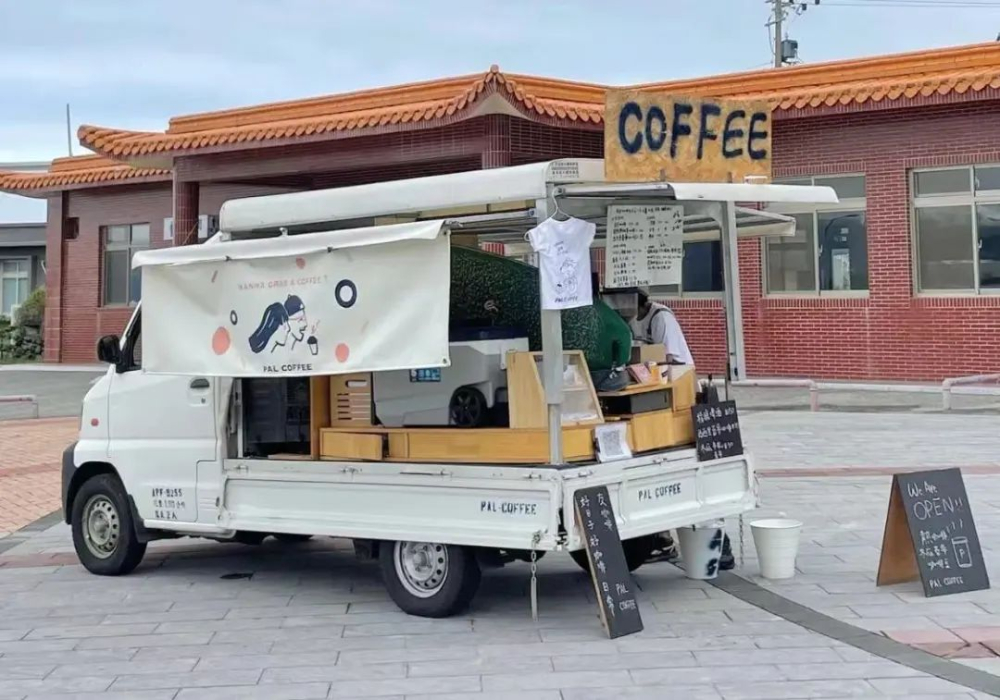
Because of power-hungry gear like espresso machines and grinders, most carts need generators. Generators burn gasoline and make noise — degrading the customer experience, and over time drawing complaints from nearby residents.
Is a Coffee Cart Still Worth It in 2023?
As the economy recovers, the street stall economy is no longer the mainstream. After years of restricted socializing, consumers now favor physical venues over mobile stalls. Coffee shop prices have also come down, with everyday drinks like Americanos and lattes averaging 15-25 yuan at most cafés.
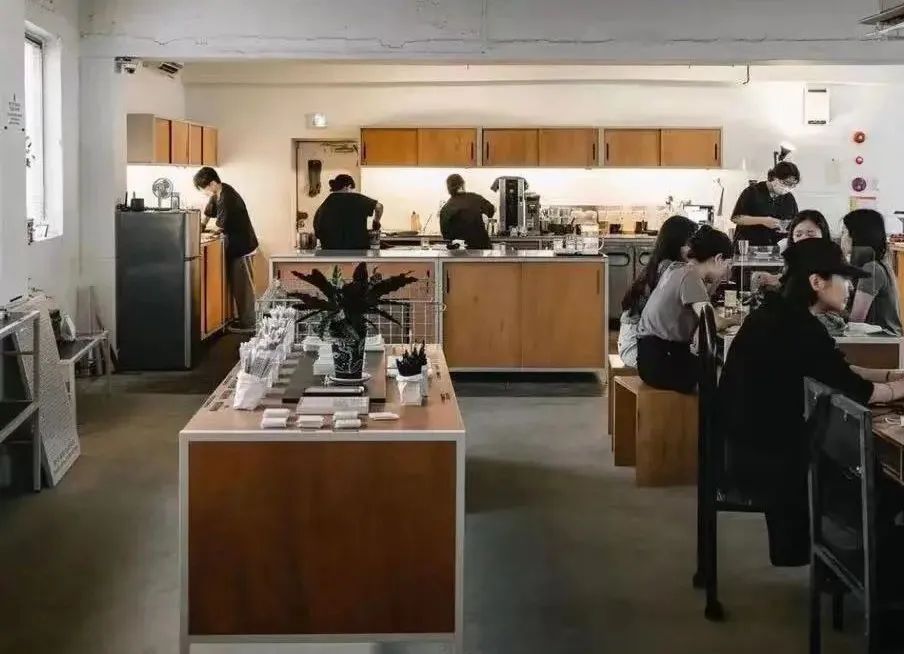
At similar price points, most customers would rather sit somewhere that shelters them from wind and rain — and the hygiene standards of a fixed shop bring greater peace of mind.
Image source: Internet
FrontStreet Coffee Recommendation
Whether you run a cart, a café, or a home bar, a reliable everyday bean is the foundation. FrontStreet Coffee's entry-level picks:
FrontStreet Coffee Brazil Cerrado Red Bourbon — Soft texture, gentle acidity, excellent sweetness, with cream, peanut, and cocoa notes. Affordable and crowd-pleasing — exactly what a high-volume, budget-conscious operation needs.
FrontStreet Coffee Colombia Huila — From Colombia's most famous specialty region, where mountains above 1500m and abundant water yield coffee of soft floral aromas and gentle fruit acidity. Distinctive yet approachable — great for winning over casual customers.
FrontStreet Coffee PWN Golden Mandheling (Indonesia) — Wet-hulled for that signature heavy, smooth body with herbal and spice notes, hand-sorted three times for exceptional cleanliness. A dependable choice for customers who dislike acidity — and for milk-based drinks.
Important Notice :
FrontStreet Coffee is a long-established specialty coffee roaster in Guangzhou China, selling freshly roasted beans from its own farm in Yunnan as well as dozens of carefully selected single-origin beans from around the world for both pour-over and espresso. The products deliver consistently excellent quality and great value, with shipping within 24 hours. Guangzhou's FrontStreet Coffee shop is recommended by many coffee lovers, and the beans are now available online at the Tmall 。
FrontStreet Coffee has moved to a new address:
FrontStreet Coffee Address: 315,Donghua East Road,GuangZhou
Tel:020 38364473
 Scan and follow the En Gafei WeChat official account. Please indicate that the reprint comes from "En Gafei".

