
How to Make Cold Brew Coffee Taste Better? Cold Brew Made with Warm Water Has Incredibly Sweet Flavor!
"Shouldn't cold brew coffee be steeped in cold water? Can it still be called cold brew if you make it with warm water? Won't it turn out bitter?"
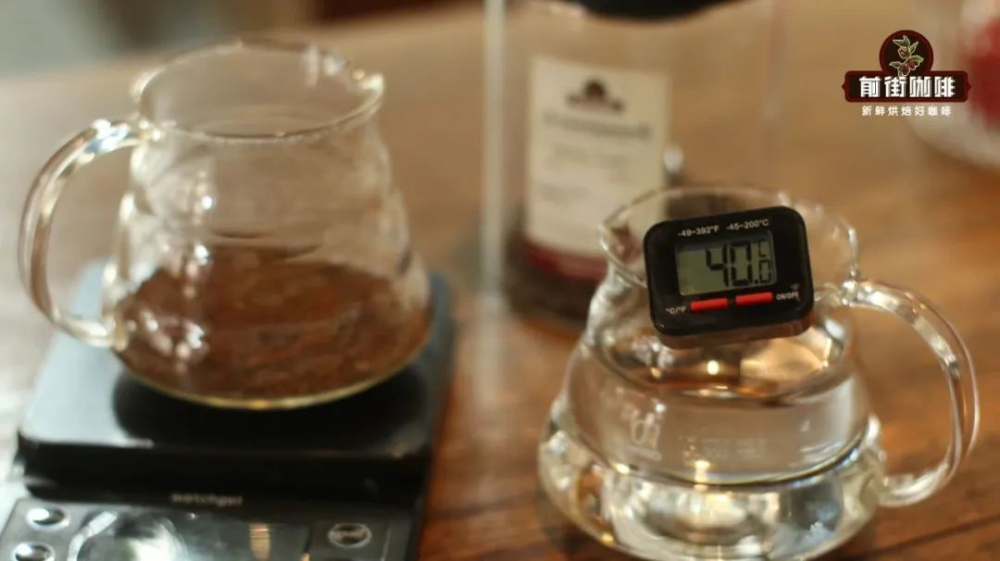
Those questions probably come to mind as soon as you read the title. In fact, the coffee FrontStreet Coffee is making in this article is still cold brew, in the sense that it steeps in a low-temperature environment. But we're going to make a bold attempt: the first water used to steep the grounds won't be room-temperature water, or ice water either. We'll use 40°C warm water.
What makes low-temperature steeped coffee so charming?
The greatest charm of cold brew coffee, besides showing a bean's unique qualities more cleanly and more fully, is convenience. That is also why so many people choose to make cold brew.
No brewing technique is required, and there's no pile of coffee equipment to prepare. Just a clean, sealable container, or a dedicated cold brew maker, add water, stir, put it in the refrigerator, and after a night's sleep you have a good, refreshing cup.
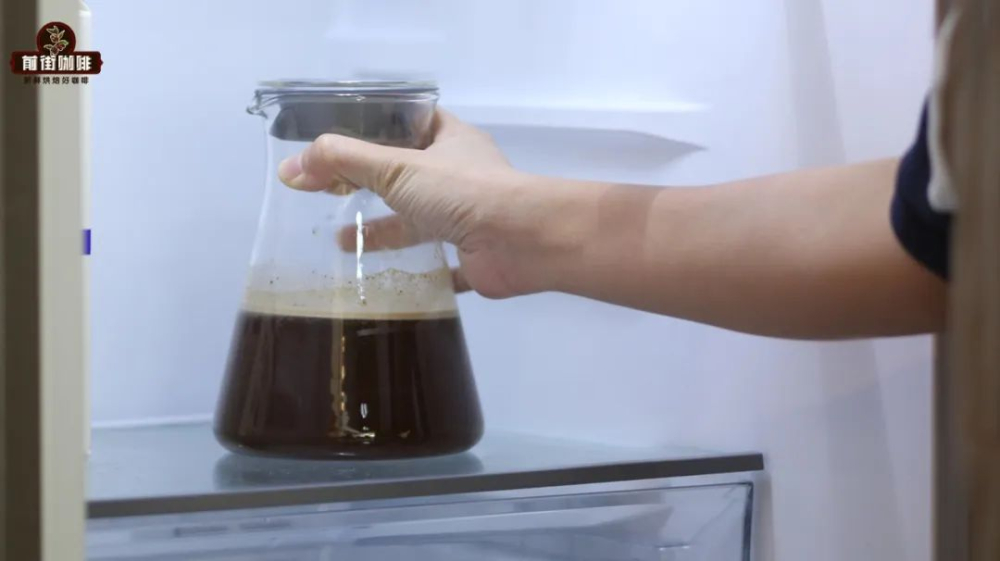
From a professional standpoint, compared with most high-temperature methods, a long, low-temperature extraction lets the sour and sweet substances in the coffee particles release more fully, while the low-temperature environment also suppresses the release of bitter substances, resulting in coffee liquid with better sweetness and a fuller body.
A recent research report on cold brew coffee by the Coffee Science Foundation and the Specialty Coffee Association pointed out that coffee extracted through low-temperature steeping has more floral and fruit aromas than coffee extracted through high-temperature methods, while showing less bitterness, acidity, and defect flavors.
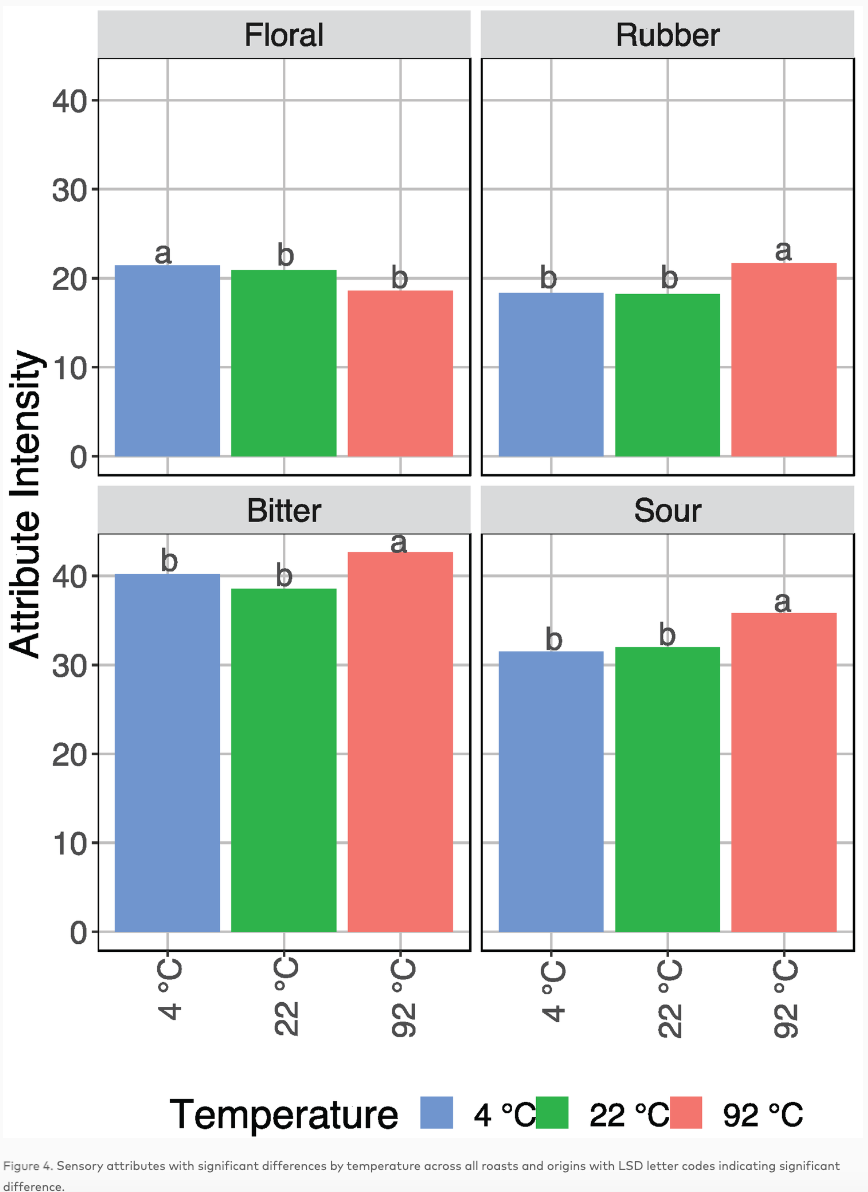
The study found four sensory attributes that showed statistically significant changes related to extraction temperature, and the changes were consistent across all tested origins and roast levels. Using the same coffee beans, the same weight, and the same grind, the various chemical substances in coffee particles dissolve at different rates in hot and cold water.
During high-temperature extraction, tannic acid breaks down into pyrrole acid, and various fatty acids dissolve faster and in greater amounts in hot water, bringing bitterness and acidity. During low-temperature extraction, by contrast, as time extends, the types of acidic compounds gradually decrease, so cold brew coffee has much less sour and bitter taste, while also reducing the volatilization of coffee aromas and better locking the fragrance inside the coffee.
Why the idea of steeping coffee grounds with warm water?
And then extracting the coffee in a low-temperature environment?
Because many people feel that steeping cold brew for more than ten hours is too long, and they've asked whether there's a quick way to make it. There are already machines on the market that use pressure to accelerate the release of substances from coffee at low temperatures and produce good cold brew in 2-3 hours, but the price is really quite high.
Warm water, meaning water that is neither cold nor too hot, carries some heat that increases molecular movement. When the thermal motion of molecules balances with the attraction between solid molecules, the solid molecules disperse. At the same time, the increased thermal motion raises the number of contacts between water molecules and solid molecules, the coffee particles, so when the coffee is ground finer, the solid molecules dissolve faster and in greater amounts.
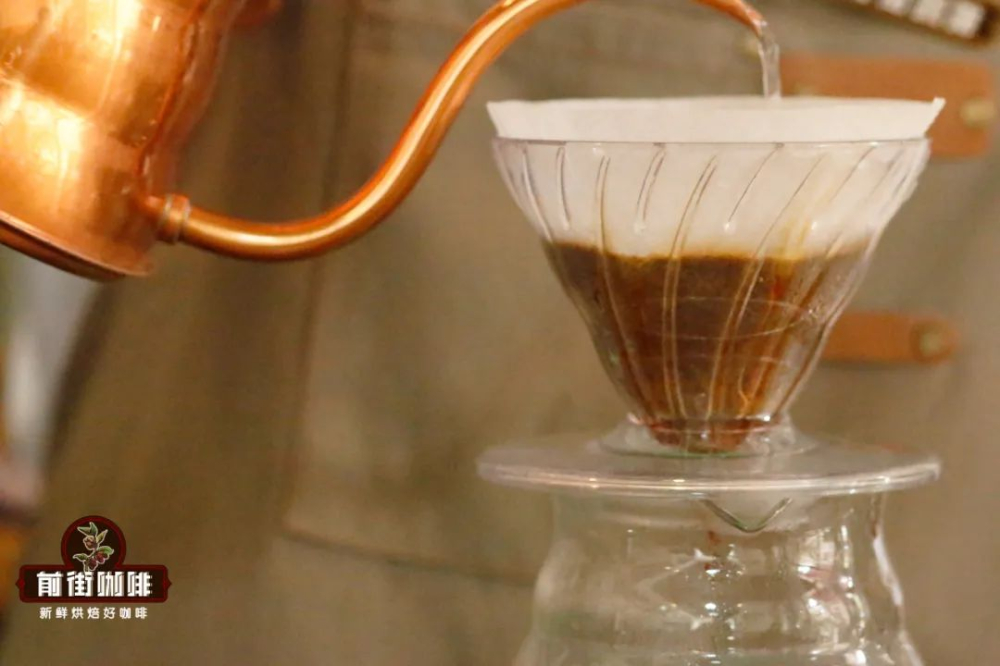
Coffee substances are released in the order of acid, sweet, then bitter. Once 40°C warm water is poured over the grounds and stirred evenly, its temperature gradually drops. That both prevents clumping through molecular thermal motion, making the subsequent extraction more even,
and extracts some sour and sweet substances more quickly, shortening the low-temperature steeping time that follows. The subsequent 3-4 hours in a low-temperature environment lets the sour and sweet substances release more fully while also inhibiting the release of bitter substances.
Steps for making cold brew coffee with warm water:
This time, FrontStreet Coffee uses sun-dried coffee beans from Ethiopia's Yirgacheffe Red Cherry Project. The biggest characteristic of Red Cherry Project beans is sweetness, and the sweetness is truly excellent. Because they are 100% manually harvested fully ripe coffee fruits, then sun-dried as whole fruits, the sugars in the coffee pulp can be further absorbed by the coffee beans.
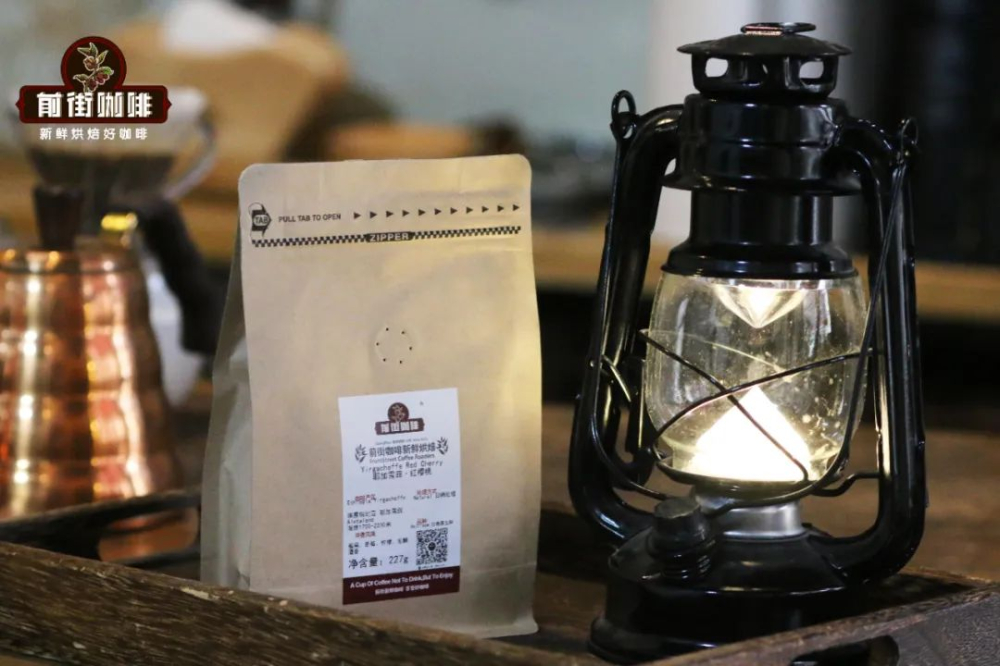
Grind 30g of sun-dried Red Cherry coffee beans to medium-fine, 73% retention on a China #20 sieve, with the coarseness reference shown in the image below.

Then add them to a clean, sealable container that can withstand both high and low temperatures. Next, pour in 390g of 40°C warm water, a coffee-to-water ratio of 1:13, or try 1:12 if you want it stronger, then stir for half a minute and steep. Don't cover it with a lid.
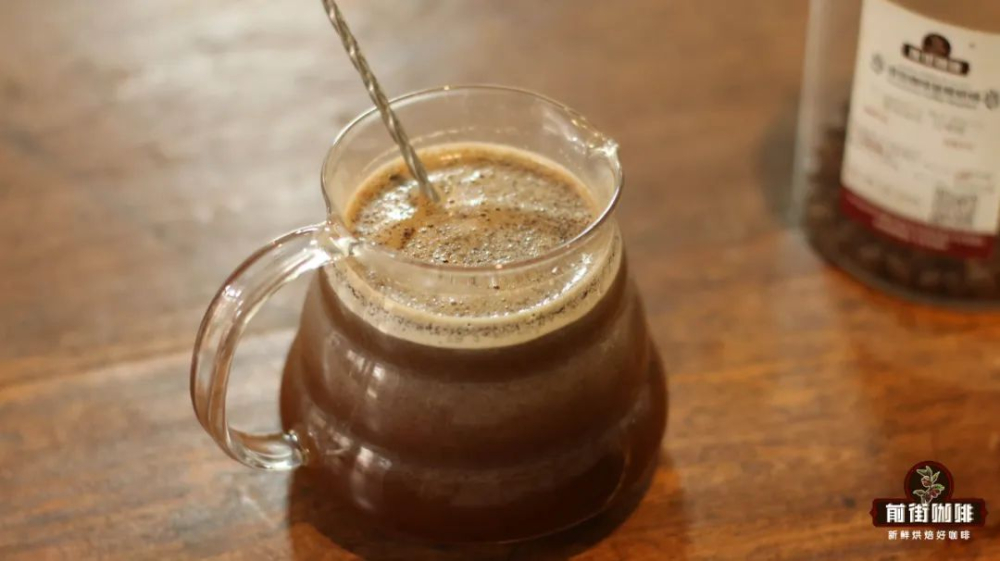
When the temperature of the coffee liquid in the container drops to 35°C (FrontStreet Coffee's room temperature during preparation was 26°C, and it took 16 minutes to drop to the target temperature), it can be sealed and placed in the refrigerator's cold storage compartment for extraction.
After 4-5 hours, take it out and filter out the coffee grounds with filtering tools, and it's ready to taste. If you feel the concentration is still a little high, add a small amount of ice cubes or cold water to dilute it.
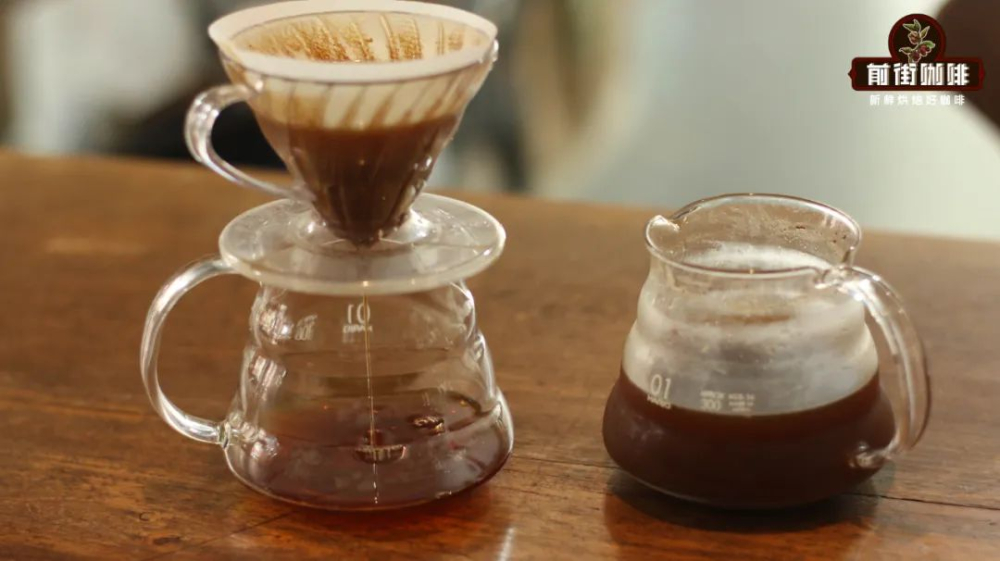
How does the taste of warm water plus low-temperature extraction turn out?
With the same parameters, using room-temperature water and low-temperature extraction for about 12 hours, the flavor is bright citrus acidity, with sweetness and tea-like notes also more prominent, feeling like unsweetened lemon tea. With warm water and low-temperature extraction for 4-5 hours, the flavor becomes a full berry-juice sensation, with caramel sweetness very prominent and a sweet black tea aftertaste. The sweetness is truly excellent.
FrontStreet Coffee Recommendation
Cold brew rewards beans that hold onto their fruit and floral notes, and FrontStreet's Strawberry Candy Geisha blend was made for exactly this. It combines a Panamanian Geisha, prized for delicate rose and orange notes, with a honey-processed Costa Rican coffee that brings grape, dried blueberry, and strawberry-gummy sweetness. Steeped cold, it is sweetly tart and lively, and if you let it settle and ferment a little longer, it even takes on a fruity-wine character.
If you want a more floral cold brew, FrontStreet's sun-dried Huakui is a wonderful choice. Grown in Ethiopia, the birthplace of coffee, and dried with the fruit still on, it absorbs plenty of sweet aroma from the pulp, so a cold steep shows magnolia, cream strawberry, dried mango, guava, and black tea notes. Both beans make a cold brew that stays clean, sweet, and refreshing even after hours in the fridge.
Important Notice :
FrontStreet Coffee is a long-established specialty coffee roaster in Guangzhou China, selling freshly roasted beans from its own farm in Yunnan as well as dozens of carefully selected single-origin beans from around the world for both pour-over and espresso. The products deliver consistently excellent quality and great value, with shipping within 24 hours. Guangzhou's FrontStreet Coffee shop is recommended by many coffee lovers, and the beans are now available online at the Tmall 。
FrontStreet Coffee has moved to a new address:
FrontStreet Coffee Address: 315,Donghua East Road,GuangZhou
Tel:020 38364473
 Scan and follow the En Gafei WeChat official account. Please indicate that the reprint comes from "En Gafei".

