
Is Oat Milk Healthier?! FDA Drafts Requirements for Clear Nutritional Labeling on Plant-Based Milk Products
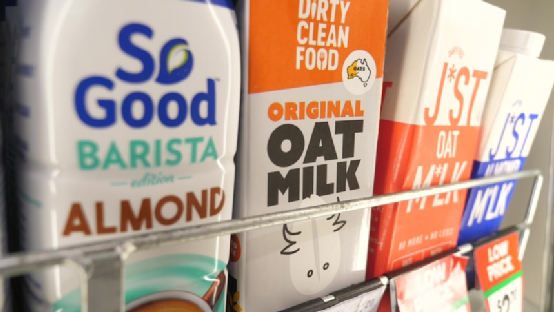
In recent years, more and more plant-based milk companies have successfully targeted Gen Z's concerns about "health," "ethics," and "the environment" by marketing their products as eco-friendly, healthy, and milk alternatives.
With buyers and sellers reaching a mutual understanding, plant-based milks have led the trend. As dairy alternatives spread, plant milks appear on menus more and more often - oat milk above all.

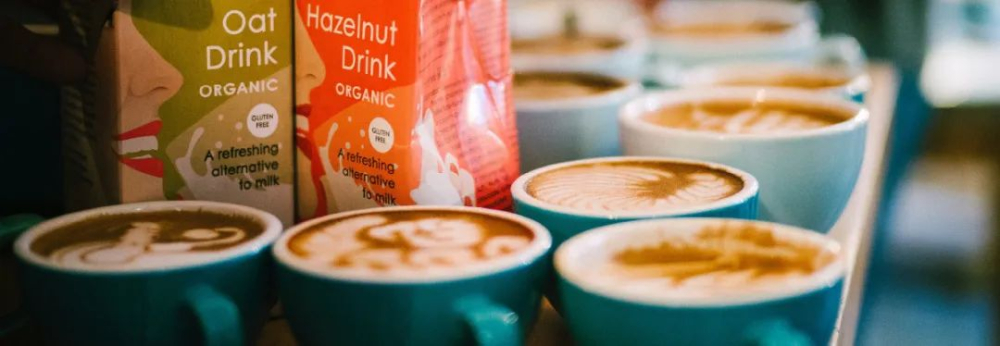
In the coffee industry, plant-based milk has practically become indispensable. Many customers now ask first whether oat milk is available; when it isn't, they frequently press for an explanation, insisting it's healthier and more nutritious!
Yet as demand grows, one medical doctor has observed that the surge isn't primarily driven by lactose intolerance but by trend-following. In reality, most people have little idea what's actually in these products - or whether they're genuinely healthy.
That's why, in the doctor's view, plant-based milk packaging should carry clear labeling, giving consumers the information they need to make sound nutritional and purchasing decisions for themselves and their families.
To address this, on February 22nd the U.S. Food and Drug Administration (FDA) released a draft industry guidance on naming plant-based foods that are marketed and sold as milk alternatives.
The draft notes that the plant-based milk industry frequently uses the term "milk alternative," even though these products' nutritional profiles differ from milk's. Under the USDA Food and Nutrition Service's fluid milk alternative nutrition standards, plant-based milk packaging should state how the product compares to milk - for example, "Contains lower amounts of vitamin D and calcium than milk."
Dairy products, including milk, are recommended by dietary guidelines as part of a healthy diet because milk provides several key nutrients: protein, vitamins A and B-12, plus calcium, potassium, and vitamin D - nutrients that are currently underconsumed. The guidelines place only fortified soy beverages in the dairy group, because their nutritional composition is similar to milk's.
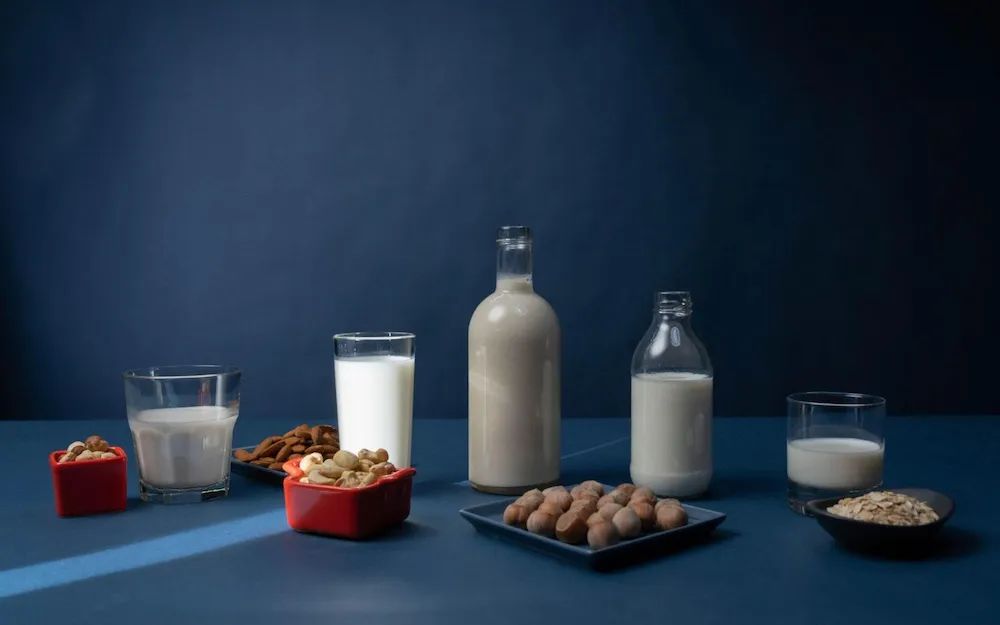
Other plant-based milks - made from nuts, coconut, oats, or soybeans other than soy - differ significantly in nutritional content and therefore cannot serve as true "milk alternatives."
As an FDA medical officer put it: "Getting adequate nutrition from milk and fortified soy beverages is particularly important for helping children grow and develop. Parents and caregivers should know that many plant-based alternatives contain different nutrients than milk.
Clearly labeling the nutritional content of plant-based milks, with comparisons to milk, is therefore extremely necessary. Labels provide valuable information that helps consumers choose healthier foods."
So are plant-based milks really healthier than milk? At present, most packaging only lists fat, protein, fiber, and sugar content - which doesn't reflect the complete nutritional picture.
Commercial plant-based milk production typically adds vegetable oils and sugars to achieve a smooth texture and pleasant taste. Consumed in equal amounts, vegetable oils and fructose are more likely to contribute to obesity and cardiovascular disease than the milk fat and lactose found in dairy milk.
FrontStreet Coffee Recommendation
Whatever milk you pour, the coffee itself matters most. For an entry-level specialty bean that stays smooth and balanced with or without dairy (or oat milk), FrontStreet recommends its washed Yirgacheffe Worka Cooperative from Ethiopia - jasmine florals with bright lemon-citrus acidity and berry tones - or the natural-process FrontStreet Sidamo Huakui, bursting with strawberry, floral, jackfruit, sweet melon, and honey flavors.
If you mix your coffee with oat milk and prefer something rounder and gentler, FrontStreet Brazil Cerrado Red Bourbon makes an easygoing daily cup with typical cream, peanut, and cocoa notes, while FrontStreet Queen Estate - a rare Yellow Bourbon grown at higher elevation - adds sugarcane sweetness and a velvety, nutty profile (butter, melon seeds, macadamia, almond) that pairs beautifully with both black brewing and milk.
Important Notice :
FrontStreet Coffee is a long-established specialty coffee roaster in Guangzhou China, selling freshly roasted beans from its own farm in Yunnan as well as dozens of carefully selected single-origin beans from around the world for both pour-over and espresso. The products deliver consistently excellent quality and great value, with shipping within 24 hours. Guangzhou's FrontStreet Coffee shop is recommended by many coffee lovers, and the beans are now available online at the Tmall 。
FrontStreet Coffee has moved to a new address:
FrontStreet Coffee Address: 315,Donghua East Road,GuangZhou
Tel:020 38364473
 Scan and follow the En Gafei WeChat official account. Please indicate that the reprint comes from "En Gafei".

