
How to Develop a Pour-Over Coffee Brewing Plan When Facing Unfamiliar Coffee Beans
How to Develop a Pour-Over Brewing Plan When Facing Unfamiliar Coffee Beans
Confronted with unfamiliar beans, many people freeze — especially when the beans were expensive. The fear of botching the brew is real. So FrontStreet Coffee shares how to build a simple brewing plan for any bean you've never brewed before.
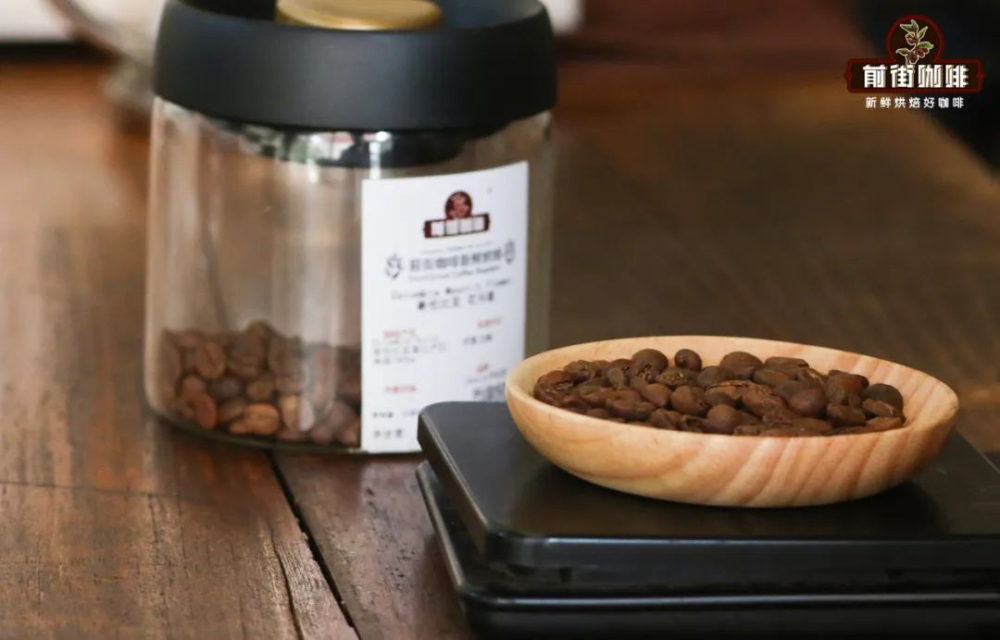
Step 1: Simplify Your Brewing Framework
Start by simplifying. Everyone brews differently, and your approach determines how complicated planning gets. Some people craft a bespoke, start-to-finish plan for every single bean. Others sort their beans into categories and cover them all with two or three plans.
FrontStreet Coffee believes simplifying — focusing only on the major variables — is the fastest, most effective route. For example, our menu runs to over fifty beans, yet we use just two plans: one for light roasts, one for dark roasts.
We roughly sort beans into those two buckets, and the plans are versatile enough to pull good flavor from a wide range of coffees. Within each plan, FrontStreet Coffee keeps dose, ratio, and technique fixed — these reflect our brewing habits, and consistency makes adaptation easier.
What changes are water temperature, grind size, and dripper, adjusted directly for the beans' characteristics. Light roasts resist extraction, so they get hotter water and a finer grind. Dark roasts over-extract easily, so they get cooler water and a coarser grind. The same logic applies to drippers: the V60 tends to produce rich, layered flavors, while the Kono leans toward full-bodied mellowness.
So the first step is to organize what you know about the beans you've already brewed — their similarities and differences — then distill highly versatile plans for each category. The more versatile and simpler, the better. (FrontStreet Coffee using roast level as the dividing line is just one possible classification.)
That's the prerequisite for handling any unfamiliar bean.
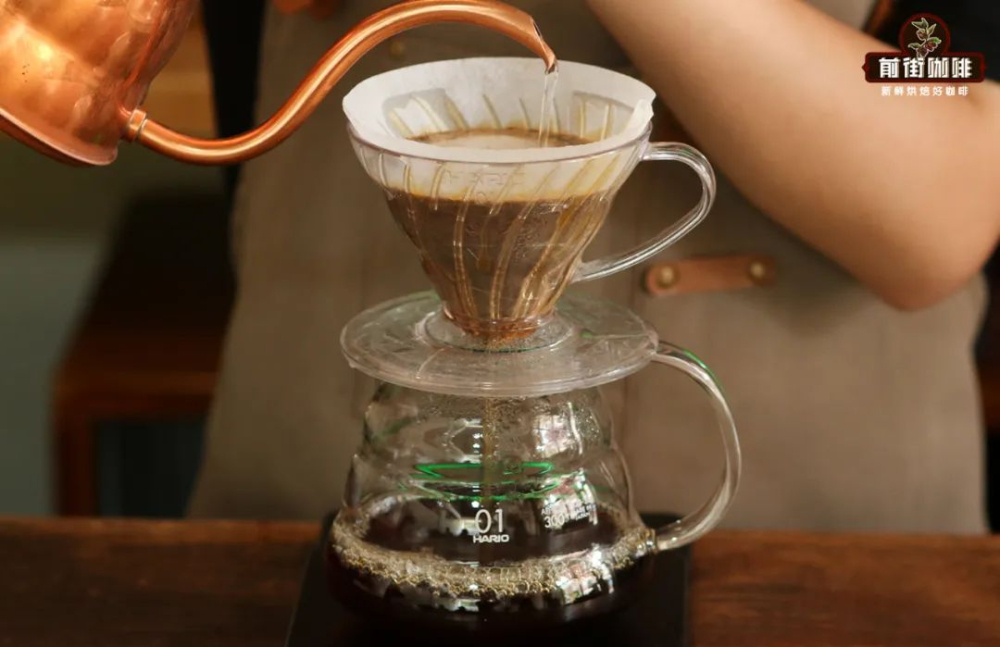
Step 2: Identify the Category of the Unfamiliar Bean
Next, slot the new bean into one of your categories. If you sort by roast level, you only need to answer one question: light or dark?
The easiest way is the flavor description on the bag. Floral and fruity acidity points to a light roast; nutty, cocoa, and caramel-bitter notes point to dark.
No description on the label? Judge by bean color. Light roasts run pale brown to medium brown; dark roasts run dark brown to nearly black.
As you brew and take notes, you'll realize beans aren't simply light or dark — there's a spectrum between the two points. Gradually you'll carve out a third category between your light and dark plans: medium roast. (It looks like adding another method, but really you're subdividing the existing categories for more precision.)
Keep accumulating and you'll find that even among light roasts, some resist extraction more than others — Geisha, for instance — which invites yet another refinement.

And so on, endlessly perfecting your understanding. Facing an unfamiliar bean, you match its traits against the ones stored in memory and find a sensible method. And even when the current plan already makes the bean taste good, there's always room to tune the parameters further — better flavor is always one adjustment away.
FrontStreet Coffee Recommendation
Building your own two-plan (or three-plan) system? Start with beans that fit each template perfectly:
FrontStreet Coffee Ethiopia Huakui (Hambela) — for the light-roast plan — Natural process, tropical fruit explosion (strawberry, passion fruit, jackfruit, lychee), high sweetness, low bitterness. A forgiving, aromatic light roast that rewards a hot, fine-grind V60 brew.
FrontStreet Coffee PWN Golden Mandheling — for the dark-roast plan — Wet-hulled Sumatran depth: low acidity, herbal and dark chocolate notes, thick and velvety. Ideal for cooler water, coarser grind, and the Kono's slow flow.
FrontStreet Coffee Yirgacheffe Guodingding — the perfect bridge bean — Soft citrus-berry acidity with jasmine florals and green-tea sweetness. Gentle enough to taste great under either plan while you're still calibrating your categories.
Important Notice :
FrontStreet Coffee is a long-established specialty coffee roaster in Guangzhou China, selling freshly roasted beans from its own farm in Yunnan as well as dozens of carefully selected single-origin beans from around the world for both pour-over and espresso. The products deliver consistently excellent quality and great value, with shipping within 24 hours. Guangzhou's FrontStreet Coffee shop is recommended by many coffee lovers, and the beans are now available online at the Tmall 。
FrontStreet Coffee has moved to a new address:
FrontStreet Coffee Address: 315,Donghua East Road,GuangZhou
Tel:020 38364473
 Scan and follow the En Gafei WeChat official account. Please indicate that the reprint comes from "En Gafei".

