
Temple Pour-Over Coffee Hospitality! Monks Personally Brew Coffee with Freshly Roasted Beans
Famous mountains produce fine tea, and renowned temples cultivate famous tea.
Because most temples were built on famous mountains, they were historically the best-placed institutions to study tea and improve its quality. Beyond their spiritual practice, temple monks were responsible for planting and processing tea. So when visitors came to a temple, they naturally expected a cup of fine tea, and it became easy to assume that monks drank nothing else.
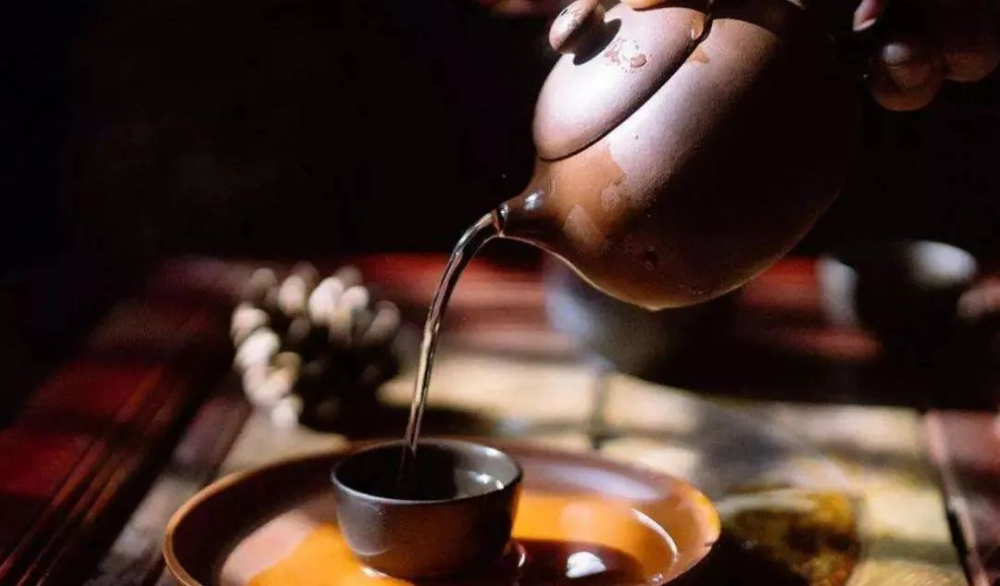
In recent years, though, monks at temples across Asia have developed a keen interest in coffee alongside their study and tasting of tea. Coffee shops have gradually begun opening within temple grounds.
Zenko-ji Temple, Japan
In 2020, within the grounds of Zenko-ji Temple in Japan's Nagano Prefecture, a temple with more than 1300 years of history, Starbucks drew inspiration from Zenko-ji Shoin to create a harmonious meeting of foreign culture and the temple's historical significance.
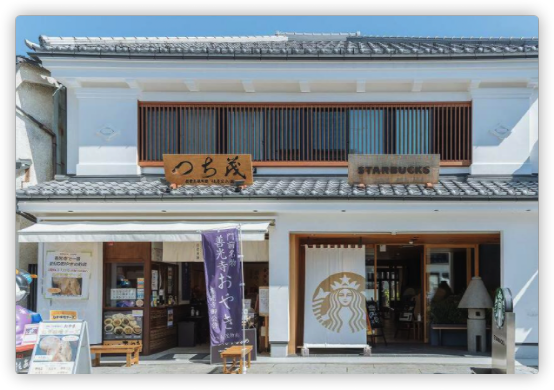
The two-story lacquered building blends seamlessly into the surrounding temple landscape. Inside, the design features extensive patterns of the hollyhock flower, which corresponds to the temple's emblem, while the original beams from the Meiji-period structure have been preserved. The result respects local history and tradition within a modern, vibrant design.
Yongfu Temple, Hangzhou
In 2021, a cafe quietly opened within Yongfu Temple in Hangzhou, an ancient temple with 1600 years of history. The shop sits at the entrance to Yongfu Temple, so visitors must buy a ticket for the Lingyin scenic area to reach it.
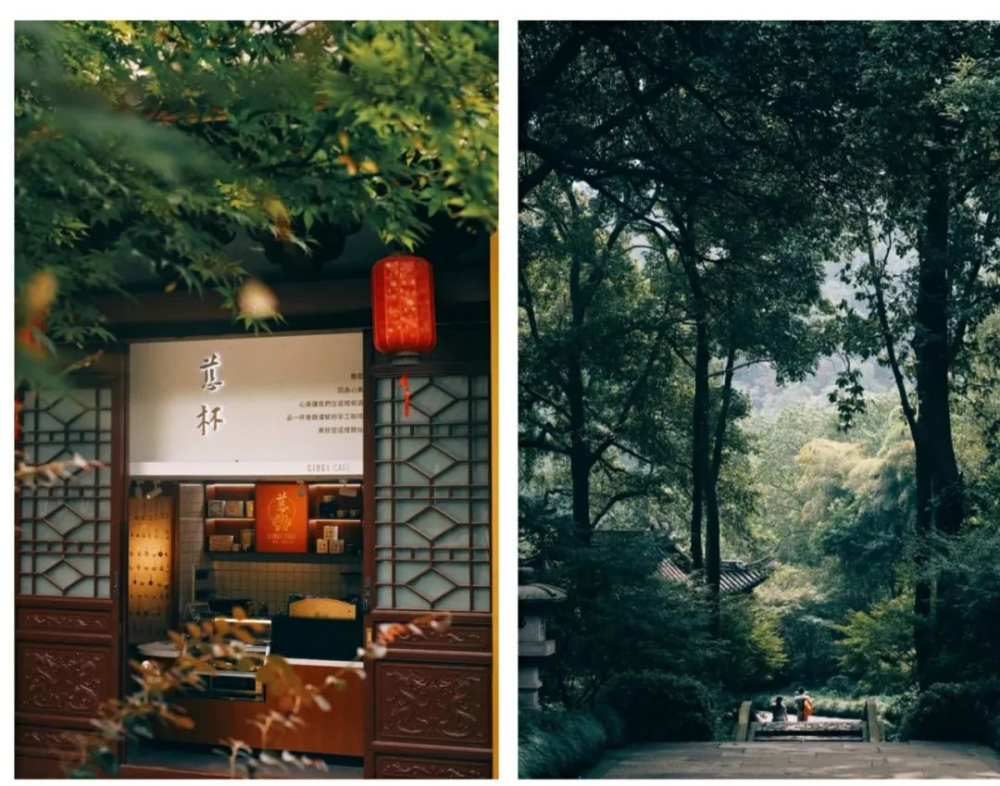
In other words, the cafe serves only worshippers and visitors entering the temple to pray. To better weave coffee into traditional culture, the menu names carry deep Zen connotations. A latte is called "Ting Xue" (Stopping Snow), an Americano is "Di Fan" (Cleansing Worries), and a coconut latte is "Zen Chu" (Beginning of Zen).
Longhua Temple, Shanghai
By 2022, Shanghai's Longhua Temple, with its 1700-year history, had also started selling "vegetarian coffee." Rather than opening a standalone cafe, Longhua Temple took a more down-to-earth route and sold its vegetarian coffee in the temple's vegetarian restaurant.
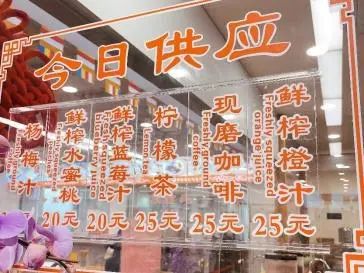
Anticipating debate over whether milk counts as vegetarian (milk is neutral on that point), Longhua Temple thoughtfully offered both dairy milk and oat milk, which also serves guests who are lactose intolerant.
Monks and Coffee Culture
You might assume temples sell coffee simply to attract younger visitors and create a chance for the next generation to encounter traditional culture. In fact, monks themselves are genuinely drawn to coffee.
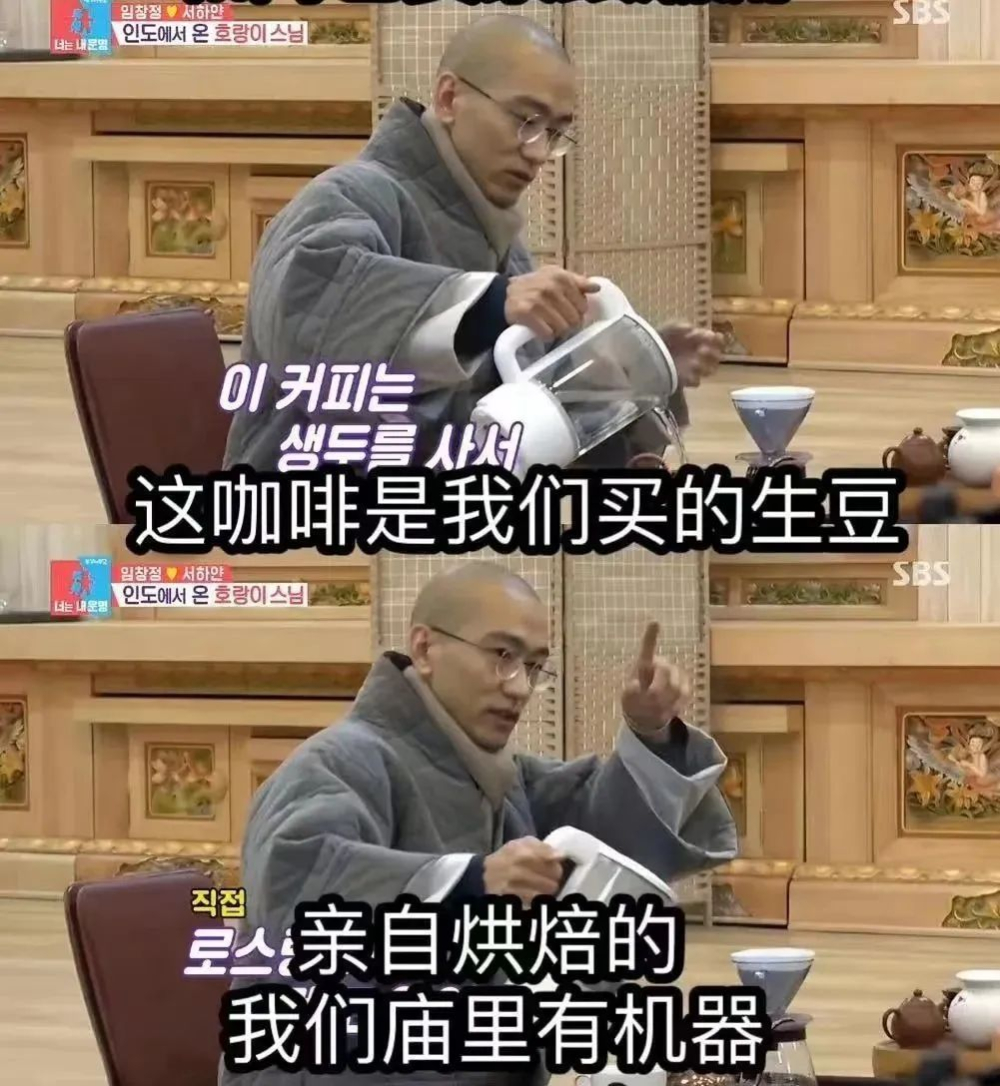
A few days ago, when guests on a South Korean variety show visited a temple monk, the monk not only brewed tea for them but also prepared coffee.

The host remarked, "I thought monks only drank tea." The monk smiled and replied, "It seems you're still living in the past. Monks need to keep up with the times." He added that the monks buy green coffee beans themselves and have even purchased roasting equipment for the temple.
Cultural Integration and Modernization
As we can see, whether among temples, monks, or visiting guests, coffee is gradually becoming an essential part of modern social life. Some may see this as foreign culture encroaching on tradition.
On that point, one netizen's comment is worth quoting:
"The past glory of temples wasn't solely due to faith. Before the Qing Dynasty, monks were intellectuals with an education above the average population. In the Ming Dynasty, the entrance examinations to become a monk were harder than those for scholars. Temples also provided medical care for the poor and disaster relief in famine years. In an era of widespread illiteracy, temples were cultural leaders. Today, whether you have several hundred or several thousand years of history, what matters is whether you are a cultural leader in the present moment.
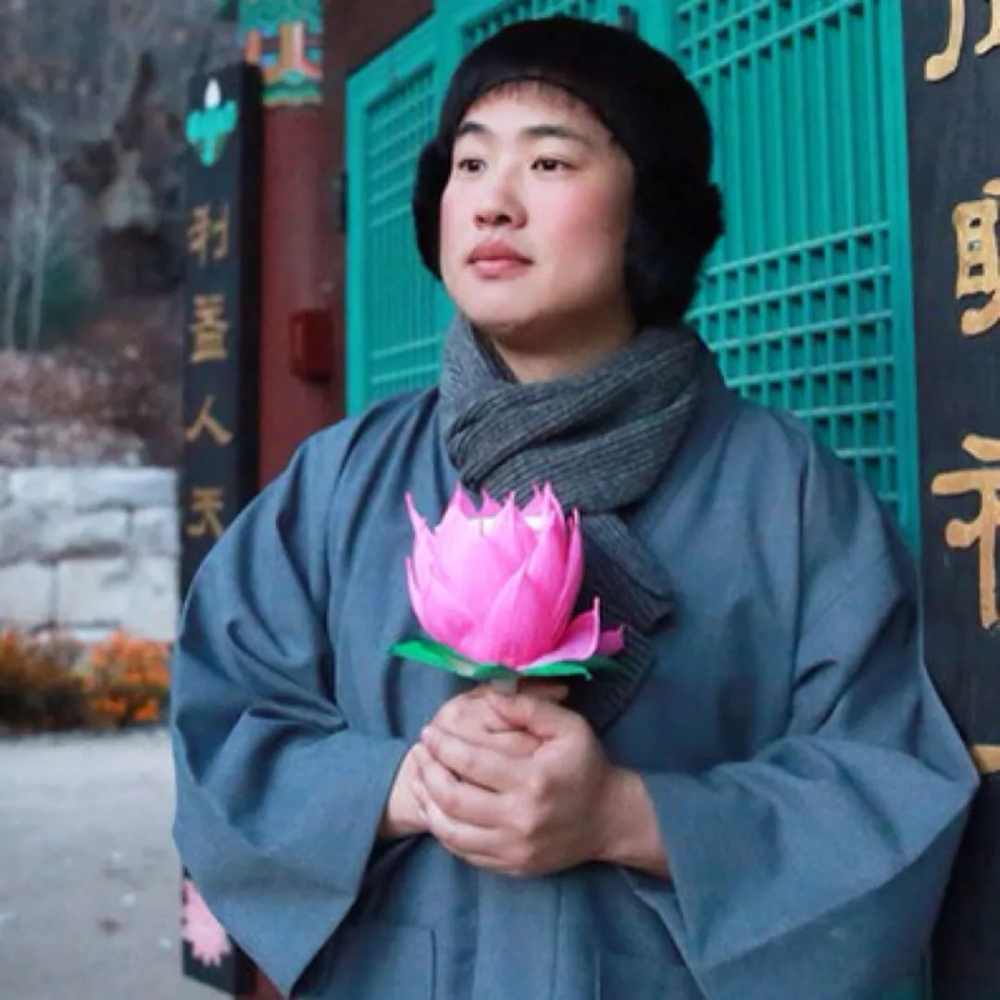
That culture includes artistic creation in painting and poetry, architectural sculpture, and broader forms of expression. Ancient temples had no shortage of poets, calligraphers, and great physicians, and so it is today. If people need coffee, then selling coffee, selling coffee with cultural creativity, selling delicious and affordable coffee, all of it is perfectly acceptable. A team that cannot bring blessings to the people will not gain their support, let alone their trust and admiration. Today's temples no longer have temple properties to fall back on for survival; they too must create value to keep the temple running. A cup of coffee that is beautiful, delicious, and carries a touch of Zen is all good."
"Drinking coffee in the sacred grounds of Buddhism, do not judge others for their coffee."
Image source: Internet
FrontStreet Coffee Recommendation
The monks in this story roast their own beans and brew them by hand, and if you want to follow the same route, a Hario V60 is the easiest place to start. Its 60-degree cone and single large hole push the water toward the center, extending contact with the coffee bed and giving floral, fruity, and tea-like notes room to open up. FrontStreet Yirgacheffe Gudingding is a classic choice for that setup: bright citrus, berry, and floral aromas with a green-tea finish, and an acidity that stays soft and bright rather than sharp, which makes it a very approachable entry point for anyone new to pour-over.
If you prefer a sweeter, more fruit-driven cup, FrontStreet Ethiopia Huakui is a standout, with tropical aromas of strawberry, passionfruit, jackfruit, and even lychee, low bitterness, and a smooth, juicy body. For a cup that leans elegant and refined, FrontStreet Panama Emerald Estate Red Label Gesha brings jasmine florals with citrus, bergamot, and black tea notes in a clean, layered cup with a long finish.
Important Notice :
FrontStreet Coffee is a long-established specialty coffee roaster in Guangzhou China, selling freshly roasted beans from its own farm in Yunnan as well as dozens of carefully selected single-origin beans from around the world for both pour-over and espresso. The products deliver consistently excellent quality and great value, with shipping within 24 hours. Guangzhou's FrontStreet Coffee shop is recommended by many coffee lovers, and the beans are now available online at the Tmall 。
FrontStreet Coffee has moved to a new address:
FrontStreet Coffee Address: 315,Donghua East Road,GuangZhou
Tel:020 38364473
 Scan and follow the En Gafei WeChat official account. Please indicate that the reprint comes from "En Gafei".

