
How Much Does a Cup of Coffee Actually Cost? How Coffee Shops Price Their Products - Calculation Formulas
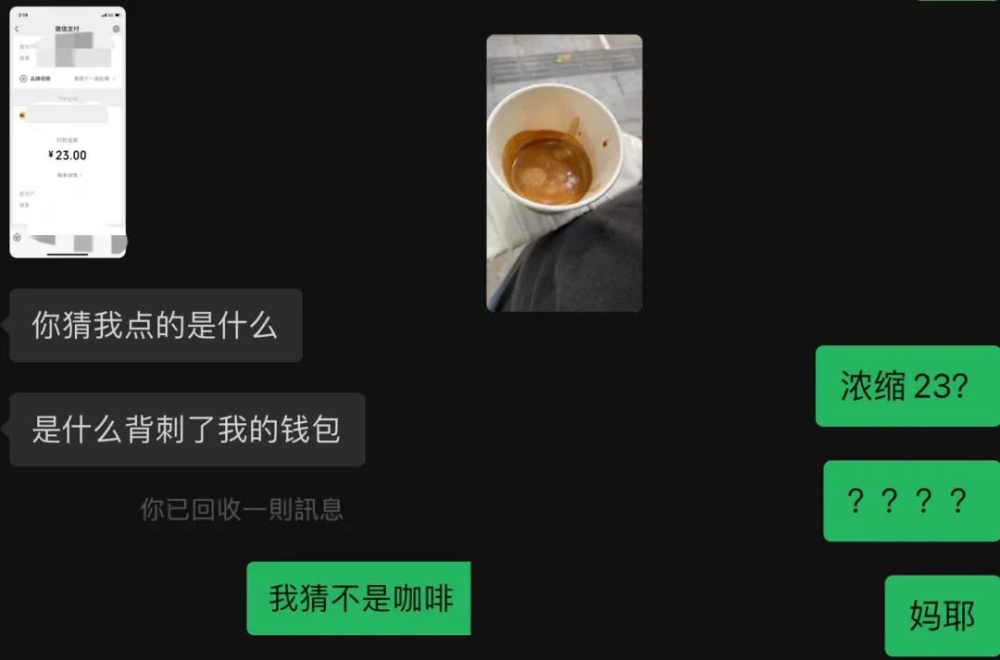
A friend recently texted me a photo of a cafe receipt, shocked at having been "ripped off." When I learned that a double espresso had cost 23 yuan, my face burned with secondhand embarrassment!
He's not alone. Across social platforms, users keep complaining that cafe pricing has grown opaque: some shops list products without prices at all, others skip Chinese on the menu entirely and print everything in English. Either way, the shock arrives when the bill does.
Others say that even when prices are plainly posted, the numbers still sting: "30 yuan for an americano, 35 yuan for a latte, and specialty drinks with nothing but flavored syrup and fruit starting above 40 yuan... I can barely afford coffee anymore. And nothing was impressive — I just felt like a sucker."

What's Really Behind the Price Tag
With spreads this wide, everyone wants to know what a cup of coffee actually costs to make.
First, a dose of honesty: every shop's rent, labor, utilities, renovation, and equipment spend is different, so price differences are normal and unavoidable. The useful question isn't "what does a cup cost?" but "how should a coffee shop set its prices?"
Pricing Starts With Positioning
"Determine your positioning — build the menu around it — then set costs and prices."
From observation, most overpriced menus trace back to heavy rent and labor plus a poorly designed product list. Shops that never define their identity or study the spending habits of the people around them end up with sprawling menus that inflate ingredient costs and waste.
So before writing a menu, define your positioning (mass-market customers, influencer check-in destination, niche specialty drinkers, and so on). Objectively speaking, a menu's core should be the products you do best and your customers actually want.
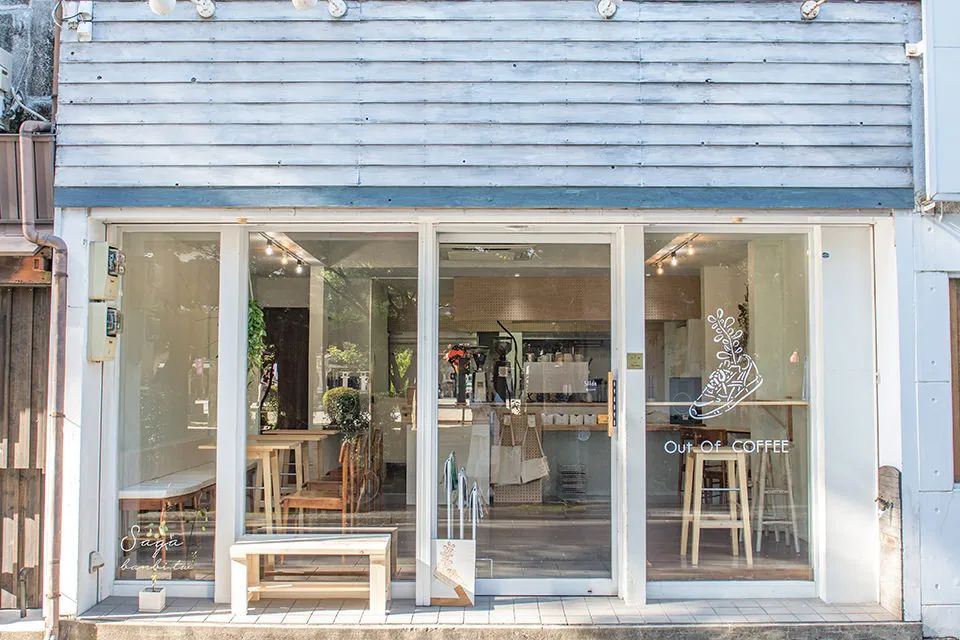
Menu items should match the shop's location and character — the address and decor are themselves selling points, and the menu should follow. A cafe tucked into a community or small town but priced and styled for a big-city shopping street will make customers hesitate at both the menu and the bill.
Aim instead for signature items worth traveling for, then work through costs and pricing honestly. Clear positioning is what lets you choose ingredients wisely, control costs, and price fairly.
How to Actually Price a Menu Item
Many shops buy ingredients first and invent products afterward — which is why their prices are high even when no one intended them to be. The material costs force the pricing, and profit has to be layered on top.
The fix: identify your core customers first, set an approximate price band, and only then choose materials.

If you price from the raw materials up, use the ingredient cost ratio — the share of the selling price consumed by ingredients.
"Ingredient cost = material cost × (1 + wastage rate)" — the wastage rate is typically about 5%, covering losses like defective beans.
"Ingredient cost ratio = ingredient cost ÷ selling price × 100%"
For example (purely illustrative): an americano selling at 10 yuan should carry roughly 3 yuan in ingredient costs, a 30% ratio. As a rule the ingredient cost ratio shouldn't exceed 30% of the selling price, adjusted for each shop's rent and labor burden.
Keeping Ingredient Costs Under Control
Equipment: appropriate beats expensive. Don't pour your entire capital into machines on day one — overpriced equipment forces overpriced drinks.
Ingredients: whether beans or anything else, only buy from suppliers, manufacturers, and brands with legitimate production credentials. This matters enormously! Hot-selling cafe drinks are almost always espresso-based, so your espresso bean needs to be exceptionally cost-effective — it's the drink customers judge you by and come back for.
Espresso bean prices vary widely. Per pound: ordinary daily-drinking espresso runs 50-60 yuan; beans with more prominent overall flavor run 70-80 yuan; distinctive lots, estate blends, and SOE beans run 90-150 yuan.
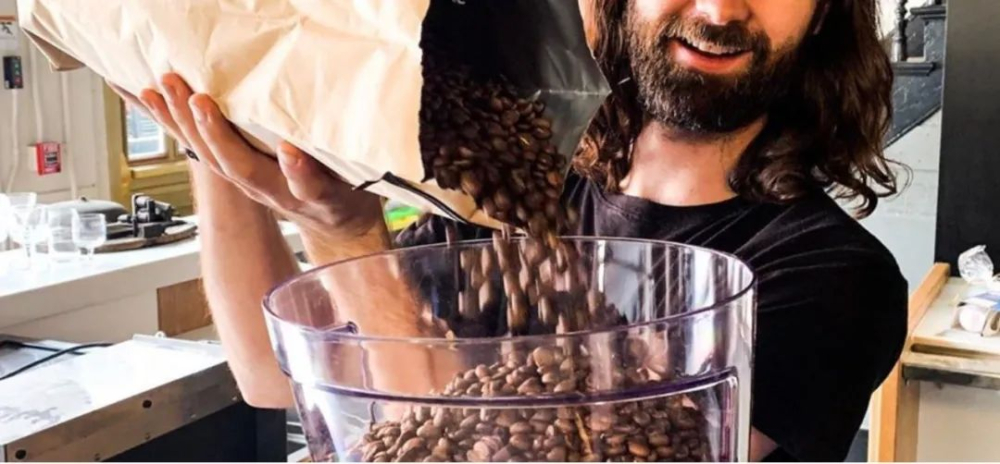
One pound is about 454g. A double-shot drink uses roughly 17-20g of beans, so a pound yields about 22-26 cups — an espresso cost of 2.2-6.8 yuan per drink.
Milk: regular fresh milk costs 11-13 yuan/L; premium fresh milk 16-19 yuan/L. One milk coffee (plus waste) uses about 200ml, so a liter covers 4-5 drinks at roughly 2.5-4.5 yuan.
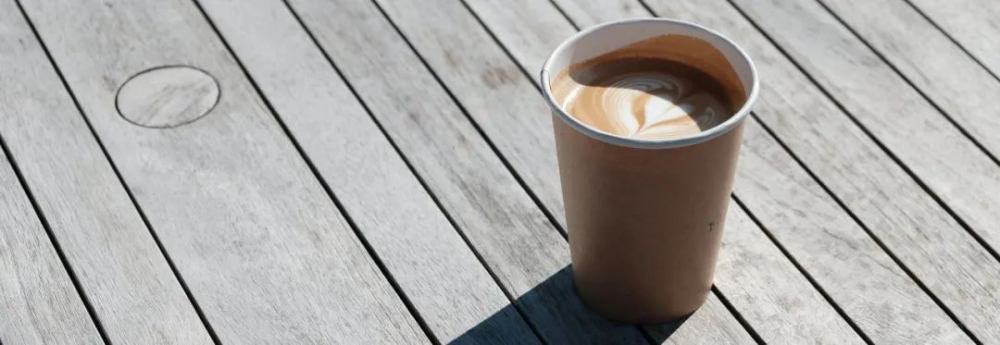
And that's just beans and milk. Add rent, equipment, materials, and each shop's positioning, and matching chain cafe prices becomes impossible. An independent shop charging more per cup than a chain is entirely normal.
Besides, customers who seek out independents expect to pay for services and experiences the chains can't offer — the higher price is anticipated. What actually makes people feel cheated is when the product doesn't match its price, and the service is missing on top of it. That's when a visit feels like a waste.
Image source: Internet
FrontStreet Coffee Recommendation
If you're cost engineering a menu, the espresso base deserves the most scrutiny. For milk drinks, FrontStreet Coffee's Premium Blend and Black Cocoa Blend are the top companions: with Brazil coffee leading the blend, lattes come out layered with almond, walnut, and other nut flavors, silky and lingering on the palate. If you want crema above all, the Classic Blend and Commercial Blend add a touch of Robusta for extra golden foam plus a fuller body and caramel aroma. The Classic Blend — purpose-built for espresso machines and moka pots — pulls dense, fine crema even on entry-level home machines, while FrontStreet Coffee's Black Cocoa Blend's 100% Arabica recipe keeps quality high and cost low, and FrontStreet Coffee's Premium Blend remains the longest-serving latte base on FrontStreet's own bar, pairing Brazil Cerrado with Colombia Huila for that classic espresso character.
Beyond espresso, medium-dark pour-over singles also marry well with milk: the PWN Golden Mandheling, Brazil Queen Estate, Indonesia Mandheling, Paradise Bird, and Colombia Huila all lean toward chocolate, nuts, cream, and cocoa — the profiles a splash of milk softens without burying. For cold brew with milk, choose fruity medium roasts instead: passion-fruit-forward Colombia Sidra, the rose-scented Strawberry Sugar Geisha Blend, and the raisin-toned Mozart all stay balanced and legible after a little milk, ideal for home brewing.
Important Notice :
FrontStreet Coffee is a long-established specialty coffee roaster in Guangzhou China, selling freshly roasted beans from its own farm in Yunnan as well as dozens of carefully selected single-origin beans from around the world for both pour-over and espresso. The products deliver consistently excellent quality and great value, with shipping within 24 hours. Guangzhou's FrontStreet Coffee shop is recommended by many coffee lovers, and the beans are now available online at the Tmall 。
FrontStreet Coffee has moved to a new address:
FrontStreet Coffee Address: 315,Donghua East Road,GuangZhou
Tel:020 38364473
 Scan and follow the En Gafei WeChat official account. Please indicate that the reprint comes from "En Gafei".

