
Premium Robusta Coffee Beans: Flavor Profile, Taste Characteristics, and Quality Grade - Are Blended Robusta Coffee Beans Always Inferior?
The Misunderstood Robusta: Beyond Coffee's "Chain of Contempt"
Robusta—the coffee species that makes many professionals recoil, parked at the bottom of coffee's informal "chain of contempt." Its unappealing flavors and its dominant role as instant-coffee feedstock are the main reasons it got stamped as low quality.
Yet this same unloved species has been drawing real attention from the specialty world in recent years. Independent and specialty shops and brands alike have put it on the menu, and it has appeared on some of the world's most influential competition stages. Is Robusta really that bad? Clearly not.
Changing Perceptions in the Specialty Coffee World
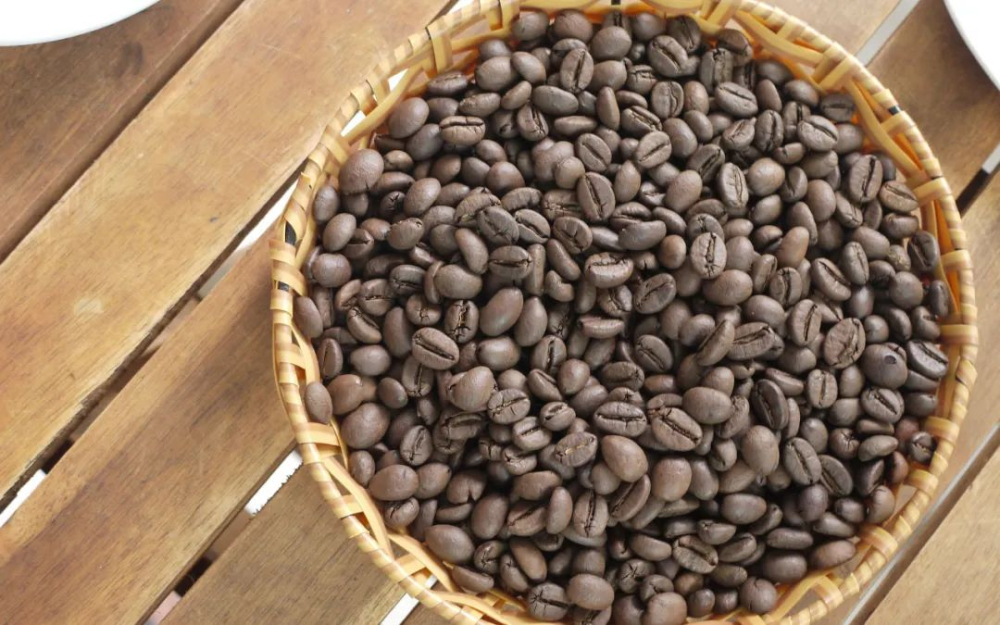
Specialty coffee's disdain for Robusta grew out of crude cultivation and processing. Cheap Robusta lacks delicate flavors, has none of the lively acidity the specialty community prizes, and often carries earthy notes or even a burnt-rubber tinge—which is also why it typically sells for very little.
But those impressions come from the cheap commodity Robusta of the past. Not all Robusta is as terrible as its reputation suggests.
The Robusta Renaissance
Spurred by the Arabica specialty wave, Robusta cultivation and processing have gotten serious attention too. High-quality Robusta keeps its signature heavy body and low acidity while showing genuinely appealing flavors—barley tea, nuts, caramel.
Robusta's Unique Strengths
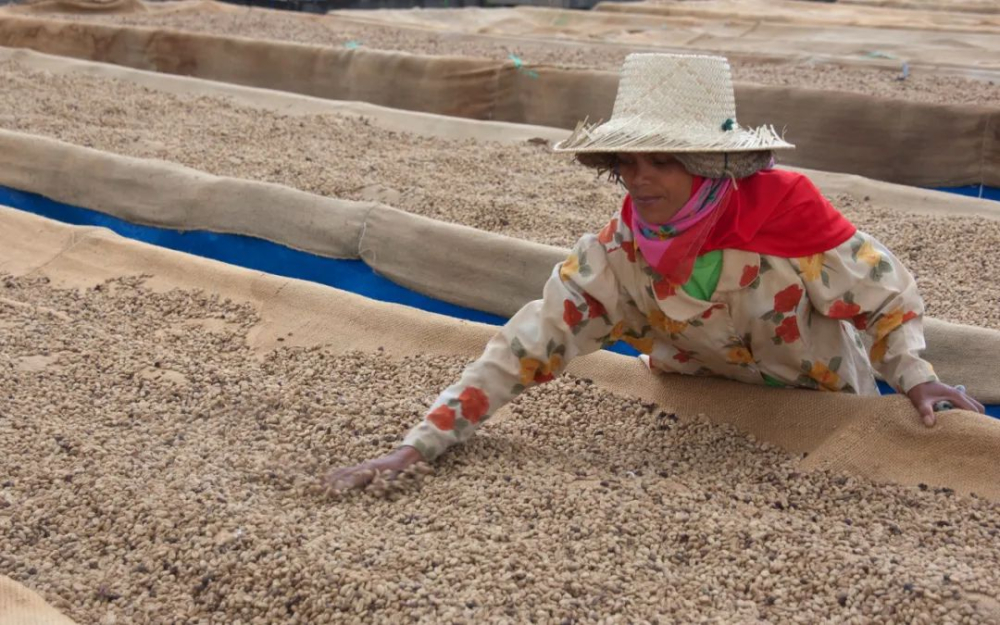
Robusta's body surpasses that of any Arabica, and its flavor holds steady over time in a way Arabica simply cannot match. The flavors may not be refined, but the stability is remarkable.
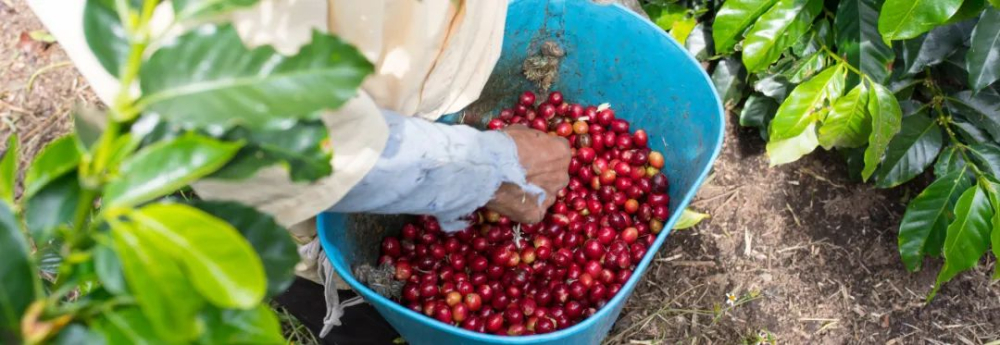
With growing conditions deteriorating in recent years, Arabica—with its extreme demands on altitude, terroir, and climate—faces a quiet but serious challenge. Robusta's sheer hardiness means quality, yield, and flavor are far less vulnerable to climate and terroir swings.
The Market Reality
For most everyday consumers, long-term consistency and a rich, thick cup matter more than delicate complexity. The recent volatility in Arabica quality and flavor has pushed the specialty industry to rediscover Robusta as a blending tool.
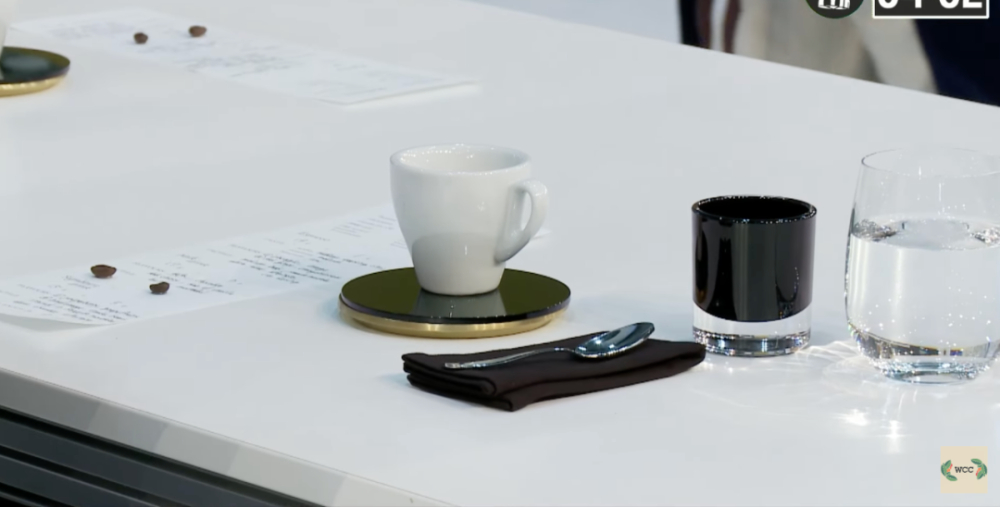
Just recently, Blue Bottle Coffee—flag-bearer of the specialty wave—released a blend built around specialty Robusta. And at the 2022 WBC, Japanese competitor Takayuki Ishitani paired Panama Hartman Gesha with Vietnamese specialty Robusta, upending the new generation's definition of specialty coffee.
Robusta as the Perfect Partner
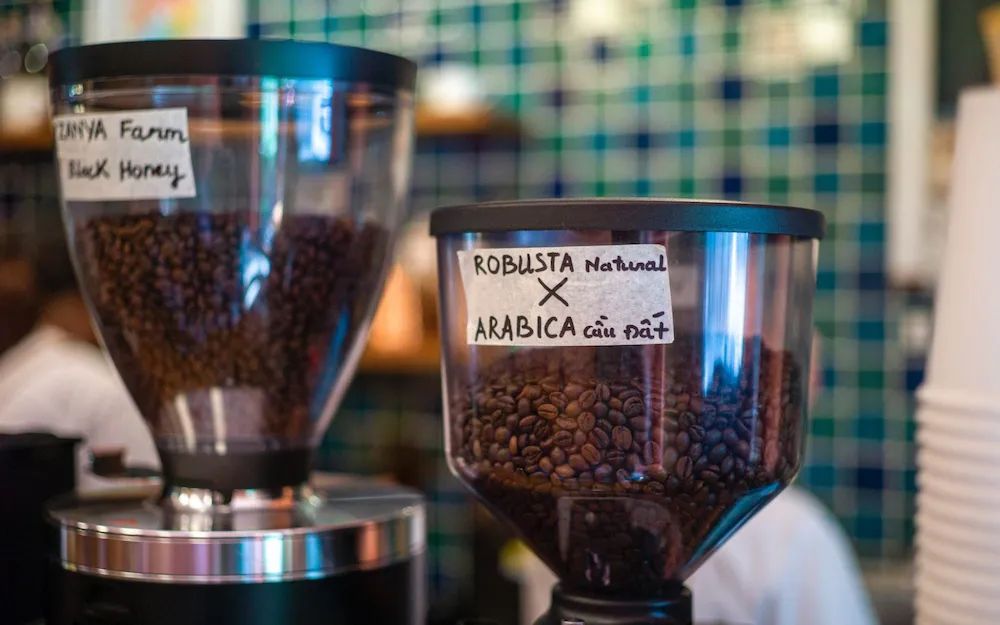
Robusta's flavor may not rival Arabica's, but its powerful body gives coffee a solid, dense mouthfeel. Brewed on its own it can be underwhelming; in a blend, it's an outstanding partner.
Meeting Consumer Preferences
Acidity may be fashionable, but a large share of ordinary coffee drinkers can't accept obvious sourness—high-body, balanced coffee remains the consumption mainstream. A small dose of Robusta can meaningfully boost a blend's mouthfeel and body without dominating the flavor.
Blends, in fact, look like the future of specialty coffee. General consumers are the engine of the industry, and what they need is stable quality and balanced flavor—something single-origin beans cannot guarantee over the long run.
The Art and Science of Coffee Blending
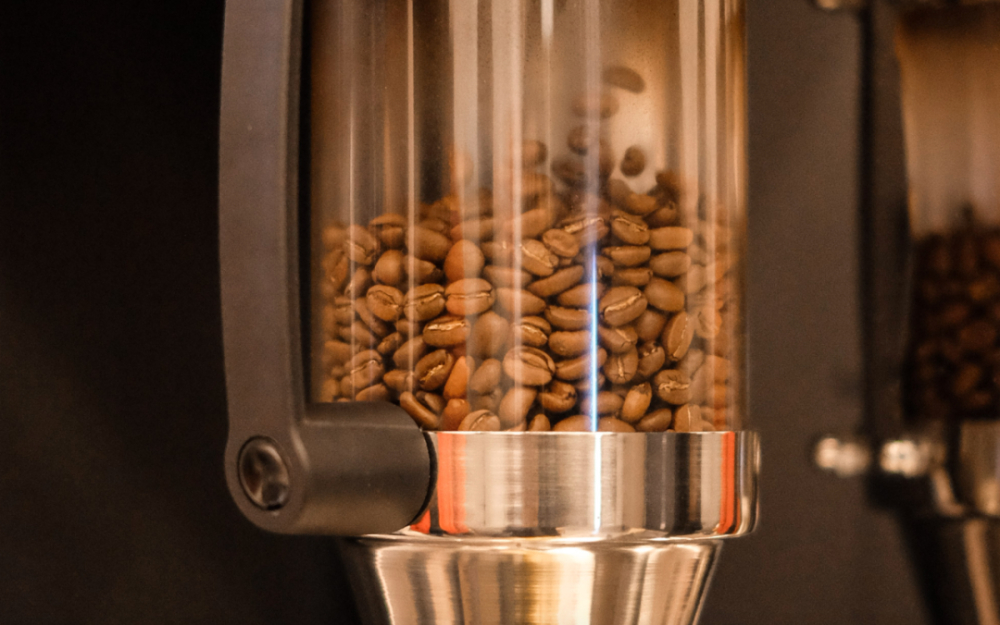
Blending is arguably a stiffer test of professionalism than single-origin roasting. It demands a deep understanding of how beans from different regions and harvest seasons behave, plus serious research into roasting and extraction, to build a blend that keeps coffee's flavors balanced and stable.
Redefining Specialty Coffee
One netizen put it well: the longer you stay in coffee, the more you realize there are no absolutes. Is Robusta definitely worse than Arabica? Not necessarily. Is unevenly extracted coffee definitely bad-tasting? Not necessarily. Are people who can operate an espresso machine definitely professionals? Not necessarily.
True specialty coffee shouldn't be defined by variety or flavor, nor by brewing or extraction method. Sometimes simple is the most honest—coffee that makes everyone give a thumbs up is specialty coffee.
Image source: Internet
FrontStreet Coffee Recommendation
If Robusta's role in blends has you thinking about espresso options, FrontStreet Coffee offers several house blends where body and balance are the stars:
FrontStreet Coffee Commercial Blend — washed Colombia and pulped-natural Brazil with a small proportion of Robusta, adding toast, almond, and walnut complexity to the nut, cocoa, and caramel base. Excellent crema flow, low acidity, full body, and a friendly price point—the practical choice for cafés of every type.
FrontStreet Coffee Classic Blend — a medium-dark three-origin recipe inspired by the old-school "Mamba" (Mandheling plus Brazil), with a touch of Robusta for extra aroma and crema. forgiving enough for beginners practicing latte art at home, yet solid enough for premium specialty shops.
FrontStreet Coffee Dark Cocoa Blend — 100% Arabica (Yunnan washed plus pulped-natural Brazil) for those who want full body without Robusta: mature plum acidity over a nutty core, grinding into creamy chocolate and cocoa-cookie aromas, with a golden crema and balanced cup. Suited to cafés, bakeries, and home machines.
Important Notice :
FrontStreet Coffee is a long-established specialty coffee roaster in Guangzhou China, selling freshly roasted beans from its own farm in Yunnan as well as dozens of carefully selected single-origin beans from around the world for both pour-over and espresso. The products deliver consistently excellent quality and great value, with shipping within 24 hours. Guangzhou's FrontStreet Coffee shop is recommended by many coffee lovers, and the beans are now available online at the Tmall 。
FrontStreet Coffee has moved to a new address:
FrontStreet Coffee Address: 315,Donghua East Road,GuangZhou
Tel:020 38364473
 Scan and follow the En Gafei WeChat official account. Please indicate that the reprint comes from "En Gafei".

