
How to Brew Stale Pour-Over Coffee Beans? What Are the Uses of Expired Coffee Beans?

The saying goes, "if you truly love coffee, you'll never let a bag go stale before finishing it!" In reality, though, we all over-buy during a sale, get sidelined by a cold, or simply lose track of time — and end up with beans that are no longer fresh. So can those beans still be used?

The whole reason we chase freshness is that fresh coffee delivers richer, more complex flavor. As beans sit, the carbon dioxide inside them gradually dissipates, and the flavor fades right along with the gas. Once the CO2 is essentially gone, the beans are stale: brewed coffee tastes flat and hollow, a pale shadow of what it was.
As a rule of thumb, 60 days after the roast date is the outer limit of a bean's peak flavor window, and strict enthusiasts call anything past 30 days "stale" already. In FrontStreet Coffee's experience, most beans stored properly — sealed, shielded from light and moisture — still hold an excellent flavor at 40–50 days with no stale notes. But if the bag is left unsealed after opening, the coffee starts losing flavor around day 30, and the bloom no longer expands during brewing — a telltale sign of staleness.

One thing FrontStreet Coffee wants to stress: while stale beans definitely lose their charm, from a food-safety standpoint they remain perfectly safe to drink. Roasted coffee generally carries a one-year shelf life, so there is no need to worry. The flavor, however, is another matter — and while you cannot reverse staleness, you can adjust your extraction to make the coffee far more palatable.
Here is what actually happens when you brew stale beans: the bloom barely moves, and the grounds show no reaction after water hits them. Some people conclude the bloom is pointless with stale coffee and skip it entirely. In fact, the bloom stage matters even more here — you just have to pour it correctly.
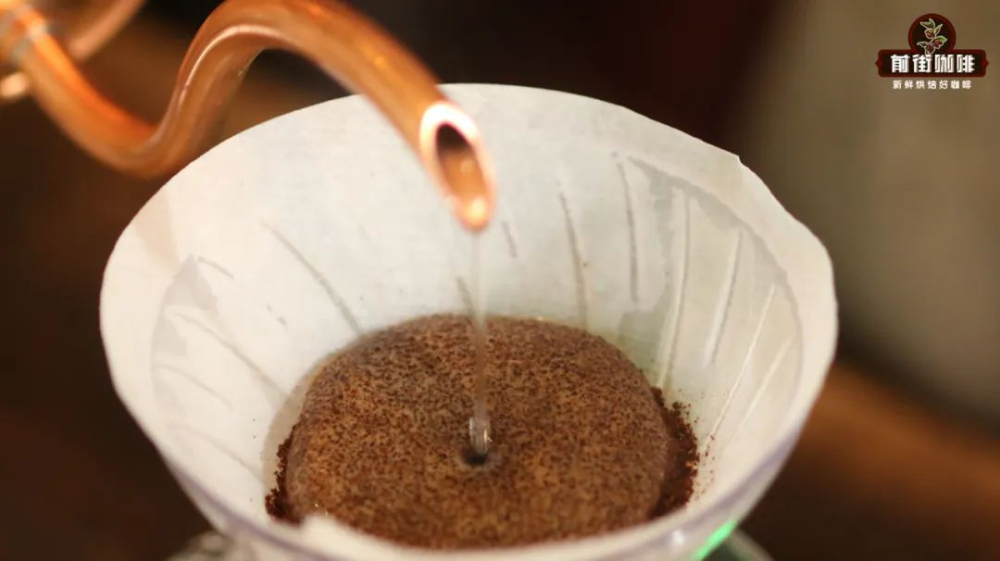
The bloom looks like it is about releasing gas, but its real job is to wet every one of the grounds thoroughly, outside and in. When grounds swell with gas, they close the gaps between particles and slow the water draining into the server, giving it time to soak into the interior of each particle.
With stale beans there is no swelling after the water is added, so water simply races through the gaps and into the server, never penetrating the grounds. Only the surface gets wet while the core stays dry — and the resulting cup is predictably flavorless.
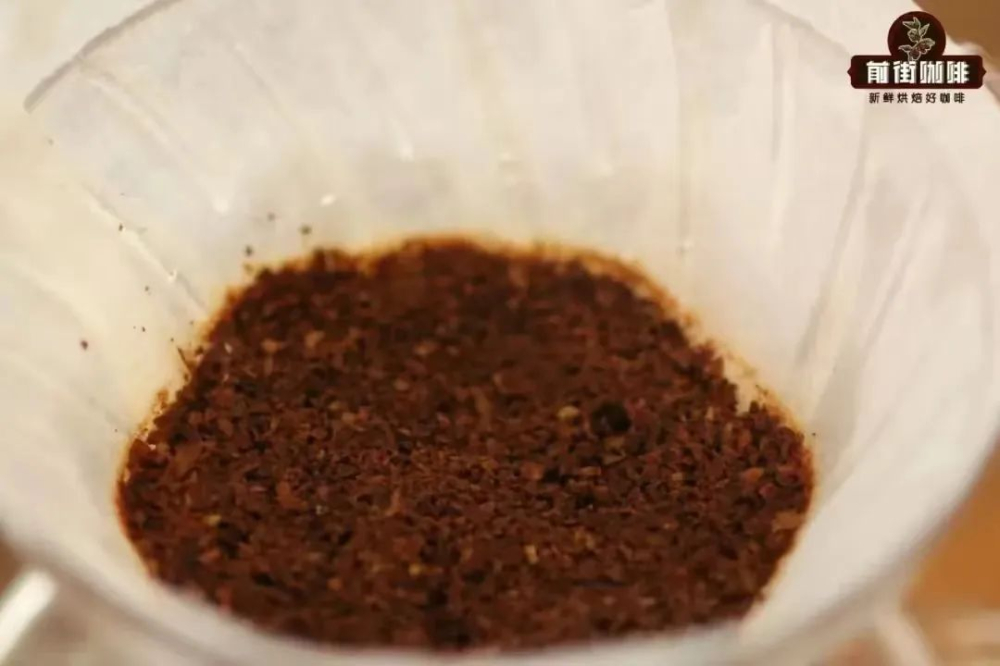
Later in the brew, without gas to lift it, the foam layer stays paper-thin and most grounds sink to the bottom and clog the drainage holes — which easily tips the cup into bitter, over-extracted territory.
So, to sum up the adjustments for stale beans: first, grind coarser than usual. If FrontStreet Coffee normally uses setting 10 on an EK grinder, we move to 10.5. That helps prevent clogging and the bitter edge that comes with it.

During the bloom, stretch the pour out as long as you can — use a smaller flow so the water has enough time to soak the grounds. The steep itself does not need to be long. In one FrontStreet Coffee test: for 15g of coffee, pour 30ml of water over 13 seconds, then wait 5–7 seconds before continuing. The total bloom runs about 20 seconds.
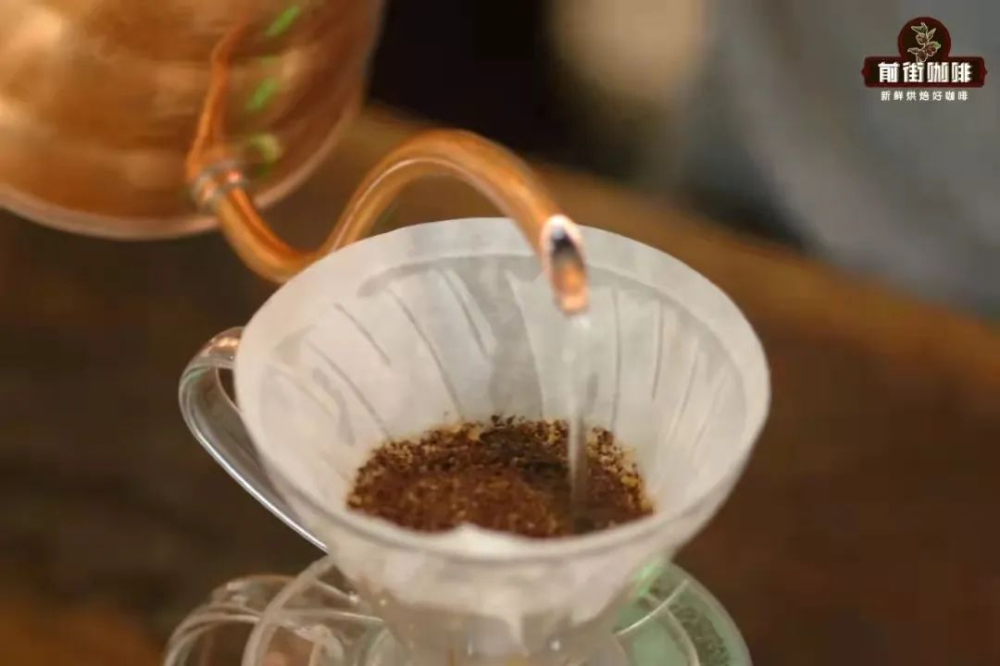
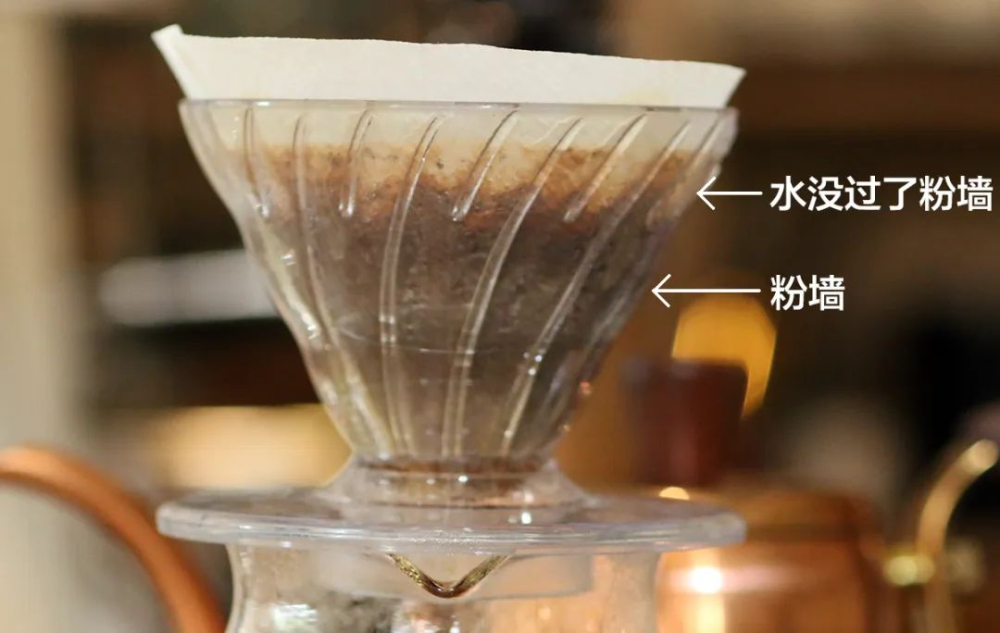
From there, continue pouring as usual. Two cautions: keep your spirals small, because wide circles easily wash the thin, sparse coffee bed straight to the bottom and create a "blockage." And do not raise the water level too high — stale grounds lack "life" and sink fast, so a tall water column never forms a proper bed and just sends water rushing down the guide ribs, another reason the cup ends up thin.
This method is simply a response to how the coffee behaves in the brew, and it does bring a noticeable improvement over brewing stale beans normally. But no technique can conjure back the aromatics the beans have already lost.
If your beans are not just past their peak but past their shelf life altogether, do not brew them — repurpose them instead. FrontStreet Coffee has put together three practical, eco-friendly ways to recycle them.

Method One: Deodorizing
Put used grounds in an ashtray and they will neutralize cigarette smell — stub out a butt and you are left with a coffee aroma instead. Plenty of cafés do exactly this, and the grounds also help extinguish butts safely. If you bake often, your oven interior gets greasy and picks up all sorts of smells; a tray of coffee grounds heated inside will strip out the lingering food odors. And for pet owners, the worst chore is dealing with the smell of pet waste — sprinkle some grounds after cleaning up and the odor trouble shrinks considerably.
Method Two: Cleaning
Wrap ground coffee in gauze and use it to scrub stovetops and pot lids — it cuts grease and stains effectively. Boil expired coffee and pour it down sinks and toilet pipes for a cleaning effect, too. Similar household items can all be cleaned with expired beans.

Method Three: Plant Fertilizer
Coffee beans contain nutrients plants need. Simply crush expired beans and work them into your flower pots — they act as fertilizer without any unpleasant smell. Ringing them around the roots also helps repel pests.
FrontStreet Coffee Recommendation
The best cure for stale beans is simply not having any — buy in sizes you can finish and keep a few reliably delicious bags on hand. From FrontStreet Coffee's range, these three are worth rotating through your shelf:
FrontStreet Ethiopia Yirgacheffe Guodingding — the classic first specialty coffee. Soft, bright citrus, berries and florals with a green-tea sweetness; an easy, forgiving cup that never lingers unfinished on the shelf.
FrontStreet Ethiopia Huakui — one of the biggest stars of recent years. Explosive tropical fruit — strawberry, passion fruit, jackfruit, even lychee — with obvious sweetness, almost no bitterness and a juice-like smoothness. A bag this exciting tends to disappear fast.
FrontStreet Brazil Fazenda Rainha — low acidity, beautifully balanced, with rich nut and cocoa aromas and caramel sweetness. Versatile enough for pour-over, espresso or moka pot, so every last bean gets used.
Important Notice :
FrontStreet Coffee is a long-established specialty coffee roaster in Guangzhou China, selling freshly roasted beans from its own farm in Yunnan as well as dozens of carefully selected single-origin beans from around the world for both pour-over and espresso. The products deliver consistently excellent quality and great value, with shipping within 24 hours. Guangzhou's FrontStreet Coffee shop is recommended by many coffee lovers, and the beans are now available online at the Tmall 。
FrontStreet Coffee has moved to a new address:
FrontStreet Coffee Address: 315,Donghua East Road,GuangZhou
Tel:020 38364473
 Scan and follow the En Gafei WeChat official account. Please indicate that the reprint comes from "En Gafei".

