
Flavor Profile Introduction to Hand-Poured Robusta Coffee Beans: Characteristics of Robusta vs Arabica
Lately, several customers have come to FrontStreet Coffee asking whether we carry Robusta beans. They had read flavor notes about Robusta in coffee books, found the descriptions fascinating, and wanted to try it for themselves.

We do have Robusta at FrontStreet Coffee, though we don't bring it out very often. According to our running joke, every time we brew Robusta, we lose a customer.
What Are Robusta Beans?
A quick primer first. Robusta and Arabica together account for nearly all of the world's coffee consumption. But specialty coffee is overwhelmingly an Arabica world - Robusta barely appears on the scene. If you walk into a shop that focuses on pour-over and ask for 100% Robusta, your chances of finding it are slim.
Robusta is not a prized variety. On the futures market it trades at roughly half the price of Arabica. Yet precisely because it's so rare in coffee shops, it has become something of a novelty for specialty coffee enthusiasts.
FrontStreet Coffee's Robusta Experiment
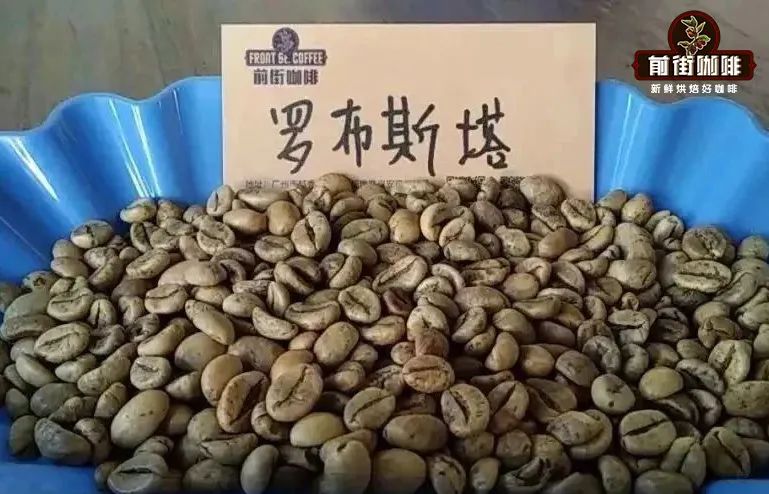
So we decided to brew our Robusta as a pour-over and share the honest tasting notes. Our Robusta comes from Vietnam, the world's largest Robusta producer, which accounts for roughly 20% of global coffee output.
Characteristics of Robusta Beans
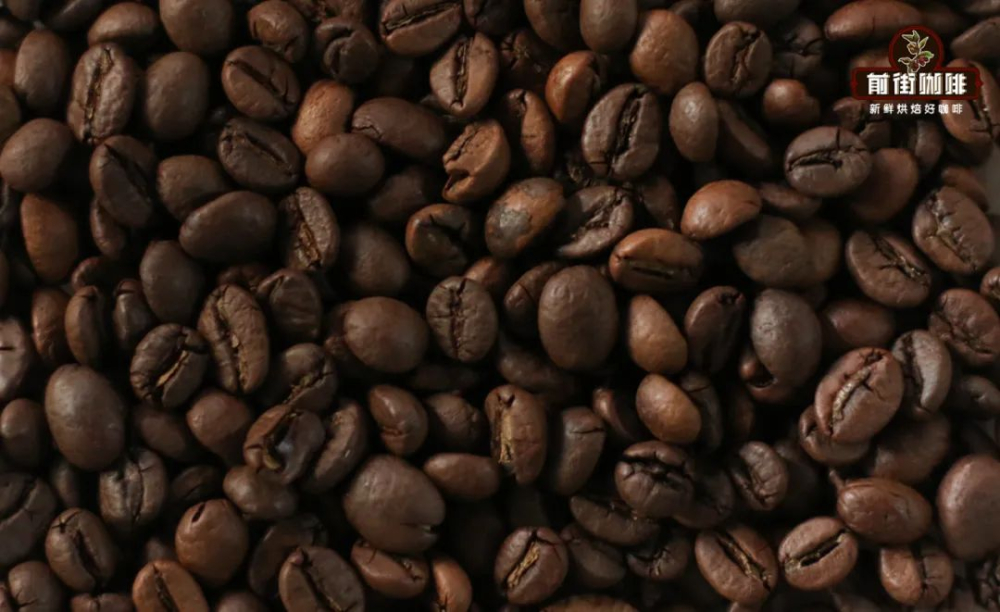
Start with the appearance. The center crease of a Robusta bean runs straight down the middle in a "1" shape. Once roasted, the beans plump up into full, rounded little dumplings. The dry aroma typically leans toward spices, roasted nuts, and baked bread.
Brewing Method
Our Robusta is a dark roast, so we followed the pour-over parameters suited to dark-roasted coffee.
Dripper: Kono dripper
Dose: 15g
Grind size: Medium-coarse (70% passing through a #20 sieve)
Ratio: 1:15
Water temperature: 87°C
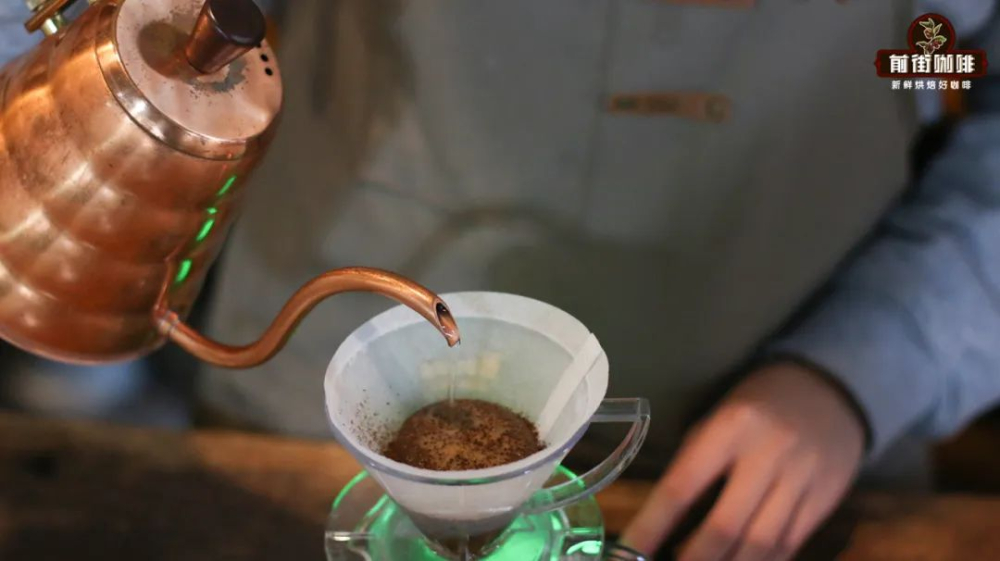
The pour is split into three stages. First, inject 30ml of water and bloom for 30 seconds. This bean blooms beautifully.
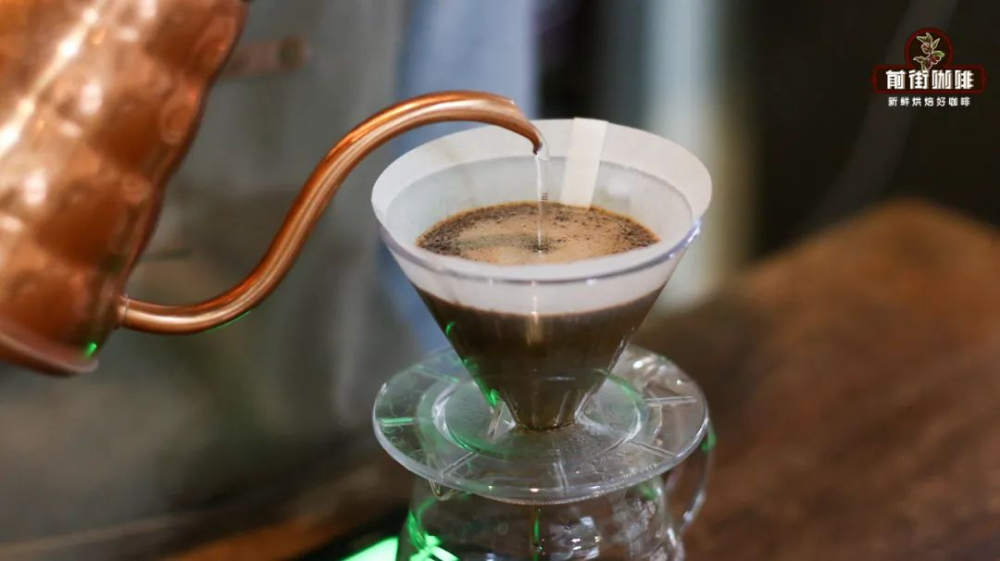
For the second stage, pour 100ml in clockwise circles, trying to lift the coffee bed as high as possible. Once the water level drops a little, move into the third stage with another 95ml in clockwise circles, bringing the total to 225ml. Let the drawdown finish completely, then stop the extraction. The total brew time came to 2 minutes 20 seconds.
Tasting Notes
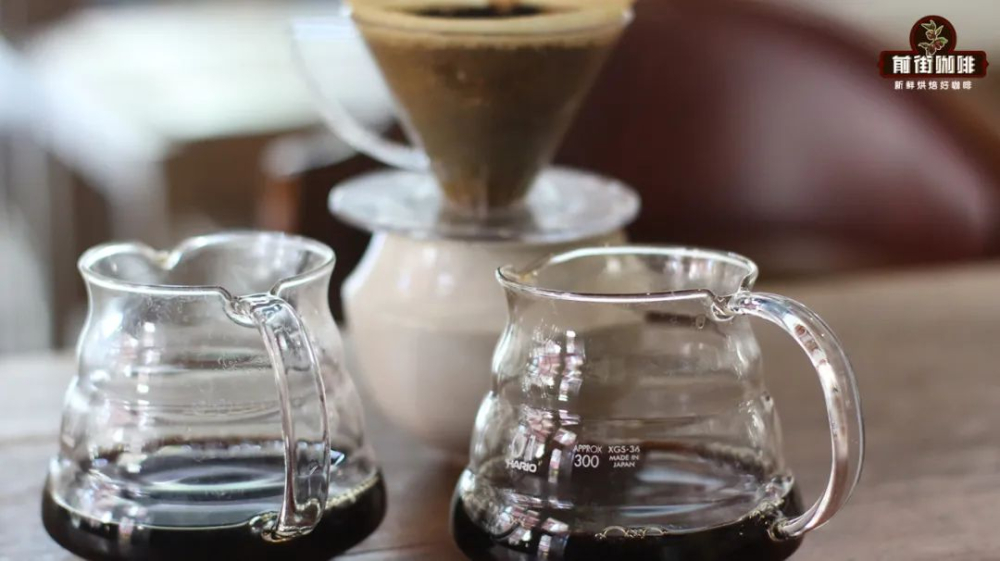
On the nose, the wet aroma isn't especially pronounced, with hints of hazelnut and caramel. The first sip gives the impression that there simply isn't much flavor - it's neither very bitter nor burnt, but the grainy character is powerful, almost like an extremely concentrated barley tea. The flavor is intense and the mouthfeel noticeably thick. At this temperature the cup isn't remarkable, but it isn't unpleasant either - just middling.
Re-tasting at medium to low temperatures, a rubbery aroma hits first, followed by an even stronger graininess. The cup loses cleanliness, and the finish carries earthy, bitter tones.
Understanding Robusta's Flavor Profile
The flavor of Robusta isn't particularly appealing, and there's chemistry behind that: bitterness sources like chlorogenic acid and caffeine are both higher in Robusta than in Arabica, making it inherently more bitter. Robusta is also commonly grown at altitudes below 800 meters, so in cleanliness and flavor complexity it simply can't match high-grown Arabica.
That said, higher-quality Robusta does exist. These beans taste cleaner, though the dominant notes remain peanut butter, walnut, hazelnut, wheat, and caramel.
Advantages and Uses of Robusta
Robusta does have real strengths: a higher caffeine content and rich, thick oils that lend a creamy mouthfeel. Brewed on its own, it rarely delivers a satisfying flavor, so at FrontStreet Coffee our Robusta goes into blends instead. It's part of our espresso commercial blend, where 10% Robusta is combined with Arabica from Brazil and Colombia - the Robusta enriches the body and crema of the espresso without sacrificing flavor.
Final Thoughts
If you're truly determined to try 100% Robusta, check the international foods section of large department stores, where imported beans line the shelves. FrontStreet Coffee once bought a bag of Vietnamese Trung Nguyên Robusta. The beans were glossy and gave off a milky aroma when opened (we later learned that condensed milk and sugar are added during roasting), which was genuinely pleasant. The espresso it pulled had wonderfully thick, fine crema - everything looked perfect until we took a big sip... the experience was, let's say, soul-striking. You'll have to try it yourself.
FrontStreet Coffee Recommendation
After a cup of rubbery, grainy Robusta, you may find yourself craving what pour-over does best: bright, delicate, fruit-forward flavors. That's exactly where the V60 dripper shines - its 60° cone and single large opening allow water to flow freely, highlighting florals and lively acidity. A perfect companion is FrontStreet Coffee's Yirgacheffe Guodingding from Ethiopia: gentle yet bright citrus, berry, and floral notes with a green-tea-like sweetness - remarkably approachable even for newcomers to specialty coffee.
For something with bigger tropical personality, FrontStreet Coffee's Ethiopia Huakui bursts with strawberry, passion fruit, jackfruit, and even lychee aromatics, with pronounced sweetness, low bitterness, and a juicy-smooth body - the kind of coffee that tastes "least like coffee." If, on the other hand, Robusta's full body won you over, FrontStreet Coffee's PWN Golden Mandheling offers that same rich, long mouthfeel with herb, dark chocolate, and a whisper of earth, at low acidity.
Important Notice :
FrontStreet Coffee is a long-established specialty coffee roaster in Guangzhou China, selling freshly roasted beans from its own farm in Yunnan as well as dozens of carefully selected single-origin beans from around the world for both pour-over and espresso. The products deliver consistently excellent quality and great value, with shipping within 24 hours. Guangzhou's FrontStreet Coffee shop is recommended by many coffee lovers, and the beans are now available online at the Tmall 。
FrontStreet Coffee has moved to a new address:
FrontStreet Coffee Address: 315,Donghua East Road,GuangZhou
Tel:020 38364473
 Scan and follow the En Gafei WeChat official account. Please indicate that the reprint comes from "En Gafei".

