
Caffeine Content Reference for Various Coffee Drinks - Which Coffee Is Most Energizing

Coffee was originally about one thing: energy. Whether it is an espresso you knock back on the way out the door, the office-brewed American drip coffee, or a specialty pour-over savored at a café, all of them perk you up. People simply pick the right cup for the setting, the function, and the flavor they want.
So with so many kinds of coffee out there, which one gives the strongest boost?

Why Does Coffee Wake You Up?
Coffee's stimulating effect comes mainly from caffeine. We feel tired because of a compound in the body called adenosine. The longer you stay awake, the more adenosine builds up, and the sleepier you become. Caffeine blocks adenosine from binding to nerve cells in the brain, so the brain never receives the "fatigue signal from adenosine" and keeps working at full power, which makes us feel less tired. In other words, you are using caffeine to trick your brain.
So the most stimulating coffee is simply the one with the most caffeine. The caffeine in your final cup depends largely on the caffeine in the beans and on the brewing method, so FrontStreet Coffee will look at both in turn.

Caffeine Content in Coffee Beans
Different varieties of coffee bean contain different amounts of caffeine. Among the coffees we commonly meet, the two main categories are Robusta and Arabica. Robusta beans carry more caffeine, accounting for about 2-4% of the bean weight, and mostly around 3%. Arabica beans, though divided into many varieties in specialty coffee, sit between 0.9-1.4%, and mostly around 1.2%.
So if you want more caffeine, choose Robusta; if you want to keep your intake down, choose Arabica. Some readers may also have heard of naturally low-caffeine coffee. Naturally low-caffeine coffee, briefly, is still an Arabica variety, with about half the caffeine of regular Arabica, roughly 0.6%. That is still quite high for people who are sensitive to caffeine. Those who want to drink coffee without consuming caffeine should choose artificially decaffeinated coffee, which contains almost none.

Caffeine Content Across Brewing Methods
Caffeine in beverages is usually labeled as "Xmg/100ml," a figure based on volume. From a barista's point of view, though, it makes more sense to use one cup or the actual dose of coffee grounds as the unit. Take espresso: whether you make a latte or an Americano, as long as the same amount of espresso forms the base, the caffeine content is the same.

Put one shot of espresso into 200ml of water and another into 300ml of water. Measured as Xmg/100ml, the 200ml cup has the higher caffeine concentration, but if both are finished, the actual caffeine you take in is identical.
The amount of caffeine released also depends on time. Under the same high-temperature extraction, a longer brew extracts more caffeine. That is why espresso-based drinks do not actually contain the most caffeine. Pour-over drip coffee and French press immersion coffee come higher. And although cold brew and cold drip coffee are extracted at low temperatures, their extremely long extraction times push their caffeine content above the methods just mentioned.
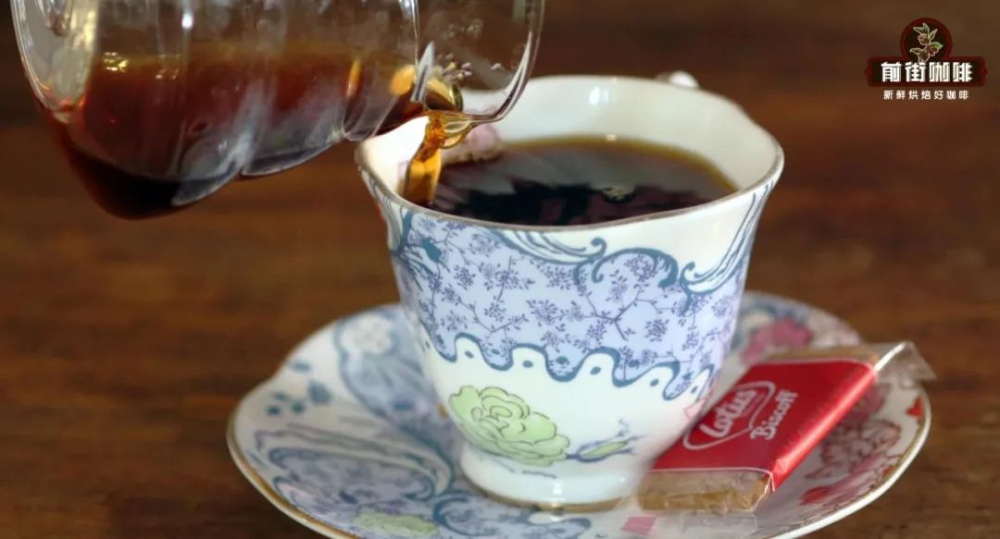
Caffeine Reference for Common Coffee Drinks
Below, FrontStreet Coffee offers some caffeine references for common coffee drinks. Note: all coffee beans are Arabica, and cold brew and cold drip coffee are affected by extraction time, so the figures here assume 8 hours for cold drip and 12 hours for cold brew.
- Espresso (20g grounds/40g coffee) approximately 100mg
- Latte, Americano, Cappuccino, etc. have the same caffeine content as espresso
- Pour-over coffee (15g grounds/195ml coffee) approximately 90mg
- Pour-over coffee (20g grounds/260ml coffee) approximately 120mg

- French press (20g grounds/4 minutes) approximately 135mg
- Cold drip coffee (one cup 20g grounds/200ml coffee) approximately 135mg
- Cold brew coffee (one cup 20g grounds/200ml coffee) approximately 140mg
- Drip bag coffee (one bag 10g grounds/120ml coffee) approximately 50mg
- Instant coffee (one bag) approximately 50mg
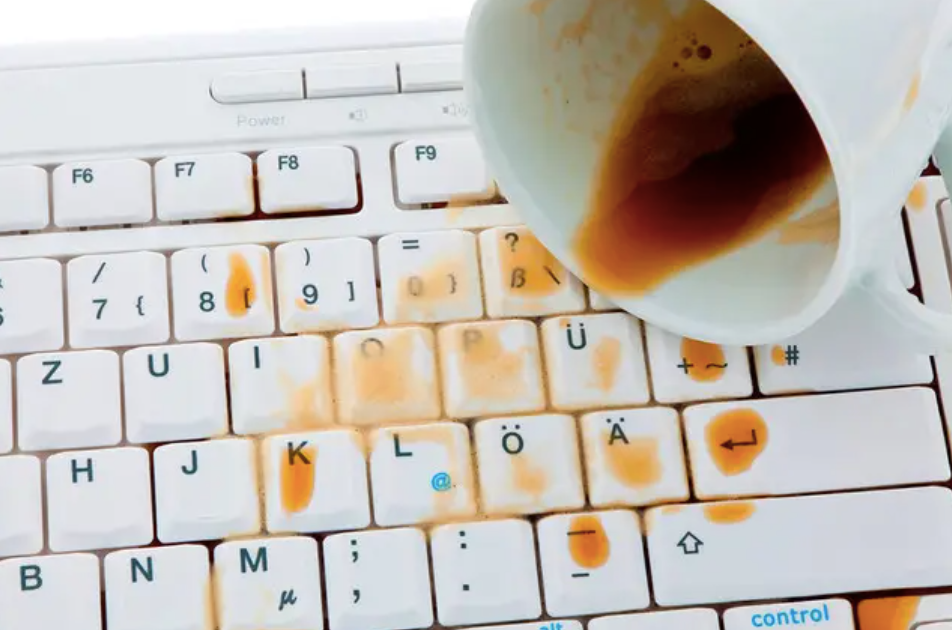
In fact, coffee does not always have to be drunk to provide a boost. As the FrontStreet Coffee editorial team can confirm, when coffee is "consumed by a computer" (that is, spilled onto it), the stimulating effect is faster and stronger than drinking it yourself. Don't believe it? Try it for yourself.
FrontStreet Coffee Recommendation
If you are watching your caffeine intake but still want a full-flavored cup, a washed single origin is a reliable place to start. FrontStreet Colombia Huila is grown above 1,500 meters in Huila, the country's most famous specialty region, where the surrounding mountains and the meeting of Colombia's most important rivers bring abundant water and humidity. Medium-dark roasted, it highlights dark chocolate and nutty sweetness with moderate crema and a full body, and it handles pour-over, French press, moka pot, and espresso machine equally well for Americanos and lattes.
For those who want a more vivid, fruit-driven profile, FrontStreet Colombia Diviso Estate is processed as an anaerobic natural, a low-oxygen fermentation that coaxes out more tropical fruit aroma. Medium-light roasted, it pours into a complex, aromatic cup of passion fruit, grape, apricot, and dried fruit through pour-over, cold brew, drip bags, or moka pot.
Important Notice :
FrontStreet Coffee is a long-established specialty coffee roaster in Guangzhou China, selling freshly roasted beans from its own farm in Yunnan as well as dozens of carefully selected single-origin beans from around the world for both pour-over and espresso. The products deliver consistently excellent quality and great value, with shipping within 24 hours. Guangzhou's FrontStreet Coffee shop is recommended by many coffee lovers, and the beans are now available online at the Tmall 。
FrontStreet Coffee has moved to a new address:
FrontStreet Coffee Address: 315,Donghua East Road,GuangZhou
Tel:020 38364473
 Scan and follow the En Gafei WeChat official account. Please indicate that the reprint comes from "En Gafei".

