
What is the Liberica Excelsa Coffee Variety? Flavor and Taste Characteristics of Large Bean Coffee
When people talk about the major coffee species, two names come to mind immediately: Arabica (Coffea arabica) and Robusta (Coffea canephora). The global coffee supply rests on these two, with Arabica currently accounting for about 55% and Robusta about 45%.
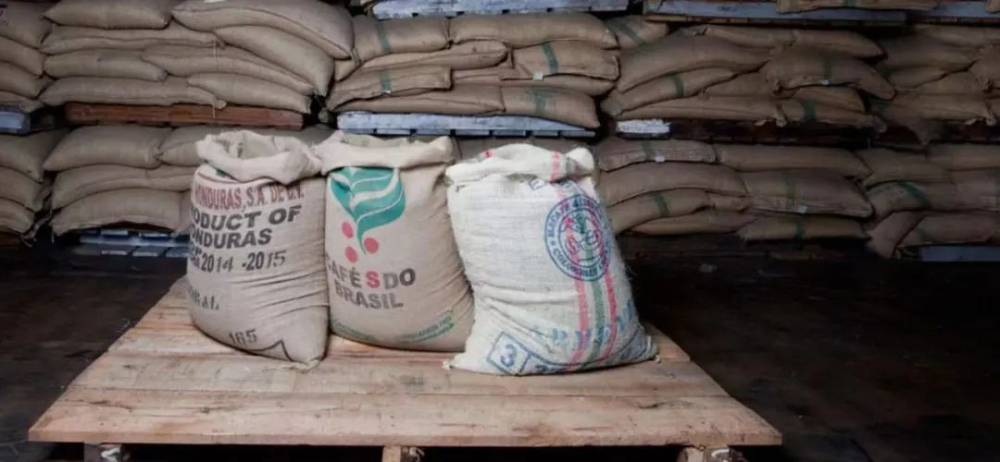
But in 2021 and 2022, tight global stocks of these two crops pushed coffee prices sharply upward — Arabica prices even doubled in a short period. The culprit was climate change, which brought drought to several growing regions and wrecked harvests. It was a vivid reminder of how weather shocks ripple into market prices, and how vulnerable coffee is to environmental stress.
As global temperatures keep climbing, the land suitable for growing coffee will only shrink. Future supply shortages have become a hot topic among researchers, who have proposed three main solutions: (1) relocate coffee cultivation to more suitable climates, (2) adapt how coffee is farmed, and (3) develop new coffee crops — including renewed attention to neglected and underutilized species.
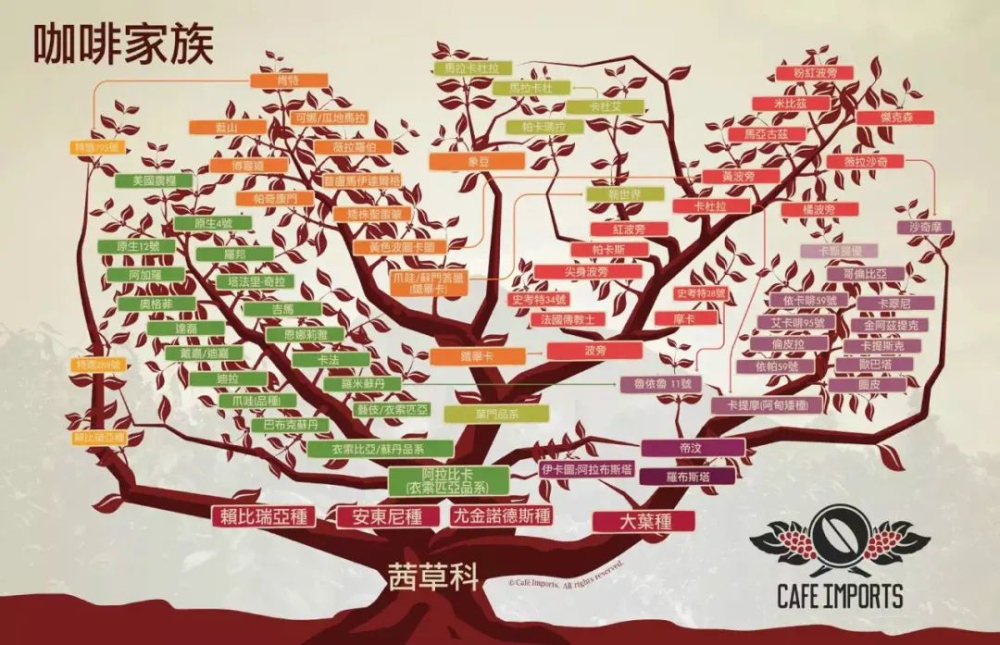
Liberica: A Potential Solution for a Warming World
On December 15th, the academic journal Nature Plants published a paper arguing that Liberica (Coffea liberica), the large-fruited coffee species, could once again become a major crop in a warming world with disrupted supply chains.
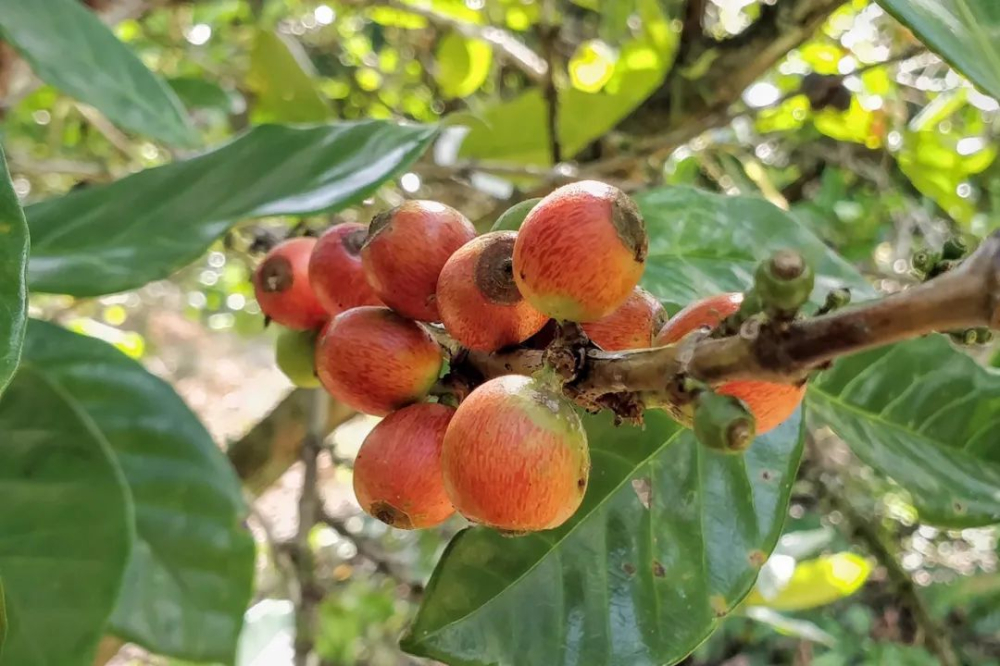
Liberica originally grew in the lowland forests of Liberia on the West African coast, and takes its name from there. The species wasn't identified and cultivated until the 19th century, and because its trees grow so tall that harvesting is genuinely difficult, it never achieved widespread cultivation.
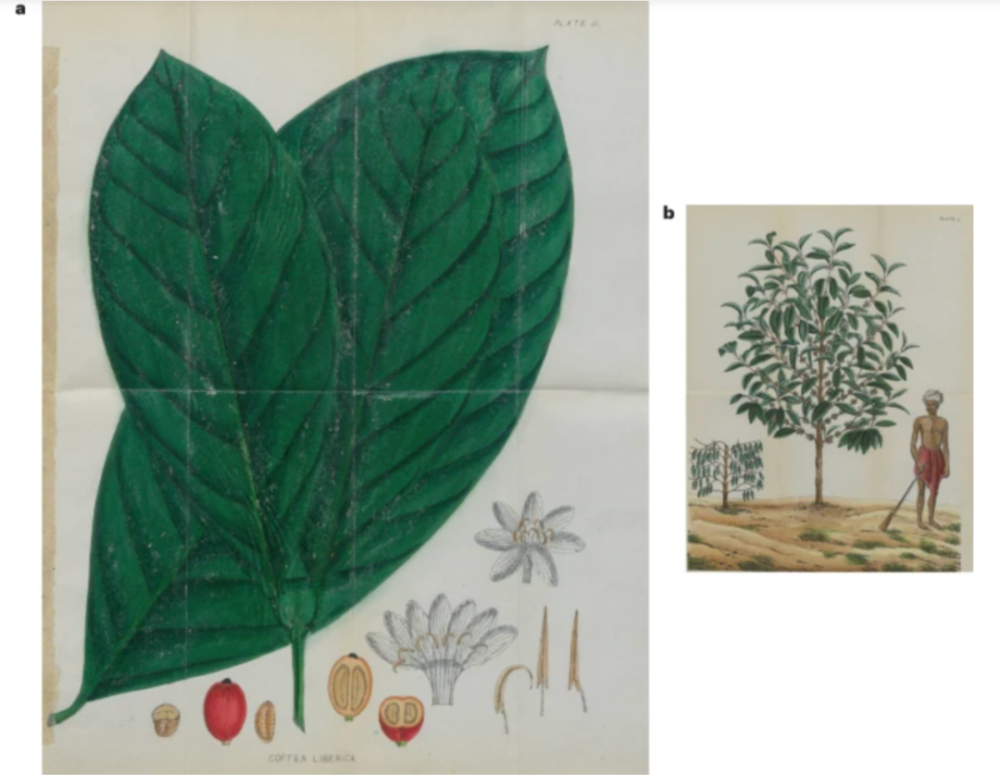
From the late 1870s onward, it emerged as a substitute for Arabica in South Asia, especially Sri Lanka and Southeast Asia, where devastating coffee leaf rust had wiped out most local Arabica plantings by the end of the 19th century.
Liberica offered real advantages: good disease resistance, plus drought and heat tolerance, making it easy to grow. At the time, many in the industry believed it could replace Arabica and open new frontiers for coffee cultivation. But its flavor let it down — sellers and consumers simply didn't like the taste. By the early 20th century, with Robusta introduced and Arabica plantings expanding, Liberica faded into obscurity and was rarely mentioned again.
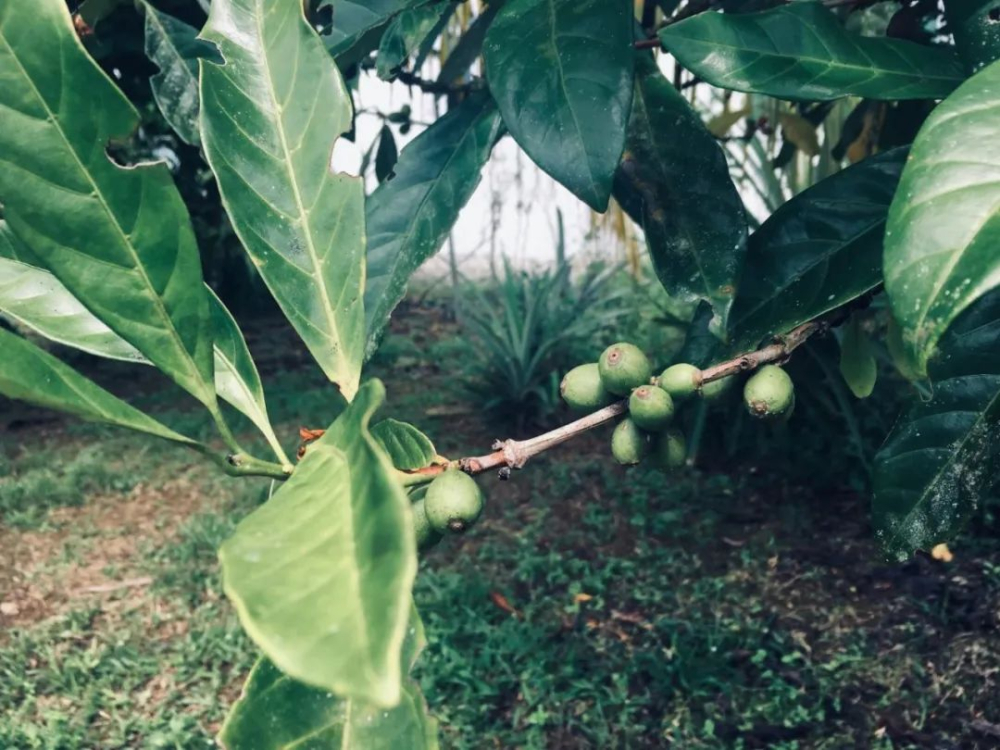
The Rediscovery of Excelsa
In recent years, researchers noticed that many farmers across parts of Africa had started growing a coffee called Excelsa. Its fruit is similar in size to Arabica, and it produces a mild, smooth cup with low acidity and bitterness — yet the same amount of caffeine. Today, at least 200 farms in Uganda are growing Excelsa.
The variety was actually discovered as early as 1903, and in 1940 it was identified as a natural variant of Liberica — so Excelsa belongs to the large-fruited coffee family too.
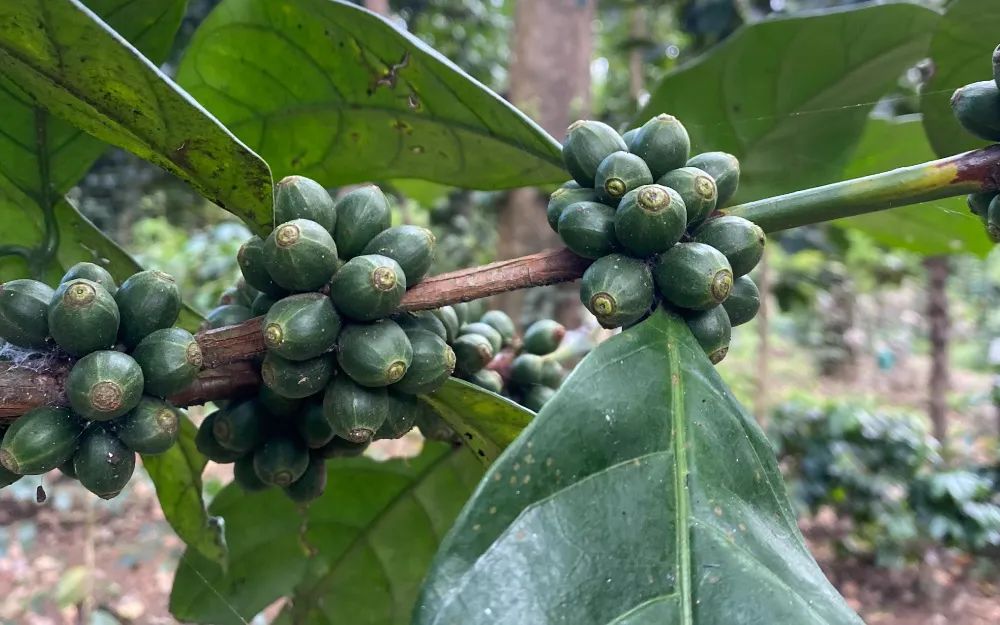
Excelsa keeps Liberica's disease resistance and drought tolerance but adds tolerance to low temperatures and even frost, and it yields more than Arabica. On flavor, it lacks Liberica's harsh bitterness. Instead it's mild and gentle — reminiscent of Ethiopia's native varieties, with soft fruity acidity and notes of cocoa, nuts, and maple syrup, remarkably close to what Arabica drinkers expect.
What It Means for Farmers
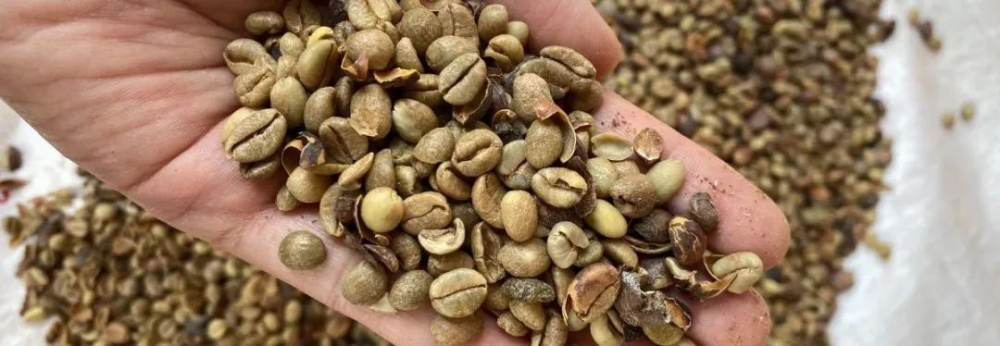
Farmers growing Excelsa point to several reasons: it's a native variety suited to the local terroir; it resists disease; and it's productive — each tree can yield 30-60 kg of coffee cherries, roughly 4.3-8.6 kg of beans, which translates into a more stable income.
The Road Ahead
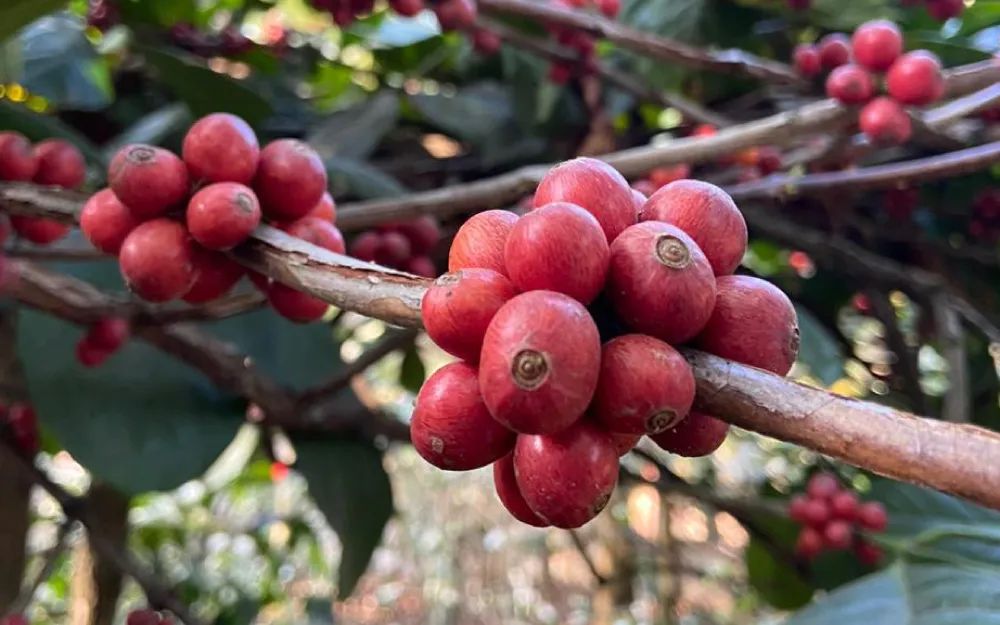
Researchers believe that in a changing climate, Liberica and its large-fruited relatives could — at minimum — allow commercially viable, perhaps even high-value, coffee to be grown in warmer conditions and at lower altitudes than Arabica, while proving more climate-resilient than Robusta.
Liberica's (including Excelsa's) share of the global coffee market remains tiny today, but Excelsa's lower optimal growing altitude could be a practical lifeline for farmers hit by climate change. Someday, these varieties may well become a mainstay of the world's coffee supply.
Image source: Internet
FrontStreet Coffee Recommendation
Curious how a smooth, nutty, Arabica-style cup should taste? FrontStreet's Classic Blend — built on the traditional Mandheling-Brazil formula — delivers a full-bodied, mellow espresso with exceptional crema, perfect for lattes and cappuccinos at home or in a shop.
For something fruitier, the FrontStreet Strawberry Candy Espresso Blend recreates the sweetness of strawberry gummy across multiple brewing styles, while the FrontStreet Dark Cocoa Blend — 100% Arabica, rich-bodied and budget-friendly — is the go-to choice for cafés that want quality without stretching the budget.
Important Notice :
FrontStreet Coffee is a long-established specialty coffee roaster in Guangzhou China, selling freshly roasted beans from its own farm in Yunnan as well as dozens of carefully selected single-origin beans from around the world for both pour-over and espresso. The products deliver consistently excellent quality and great value, with shipping within 24 hours. Guangzhou's FrontStreet Coffee shop is recommended by many coffee lovers, and the beans are now available online at the Tmall 。
FrontStreet Coffee has moved to a new address:
FrontStreet Coffee Address: 315,Donghua East Road,GuangZhou
Tel:020 38364473
 Scan and follow the En Gafei WeChat official account. Please indicate that the reprint comes from "En Gafei".

