
The Difference Between Split Portafilter and Bottomless Portafilter for Espresso Extraction: Which is Better?
Introduction to Portafilter Types
Most coffee machines bought in the past came with spouted portafilters, usually two in total: a single-spout portafilter for single-shot baskets, and a split portafilter with two spouts for double-shot baskets, designed to divide the coffee liquid equally into two cups.
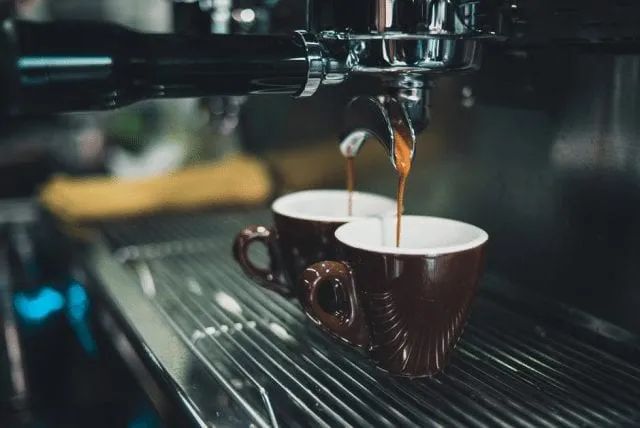
Back then, "1 shot" meant coffee extracted from a single-shot basket. If more coffee was needed at once, the split portafilter with a double-shot basket was required, able to pull two shots of espresso in one go.
The Rise of Bottomless Portafilters
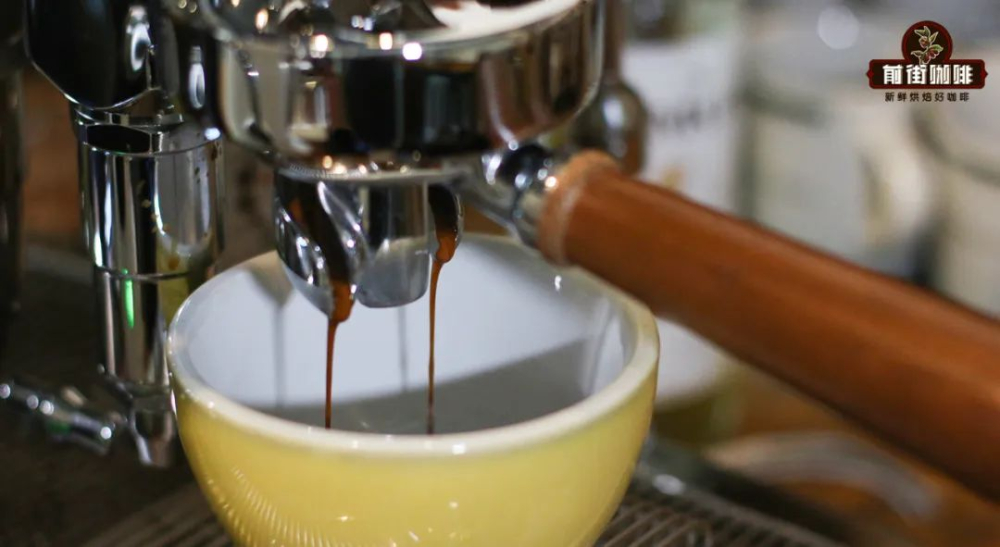
But as some coffee shops began preferring to pull a single shot of espresso using double-shot baskets, single-spout portafilters gradually fell out of use. At the same time, a new type appeared: the bottomless portafilter. This design removes the bottom entirely, leaving essentially a ring that secures the filter basket.
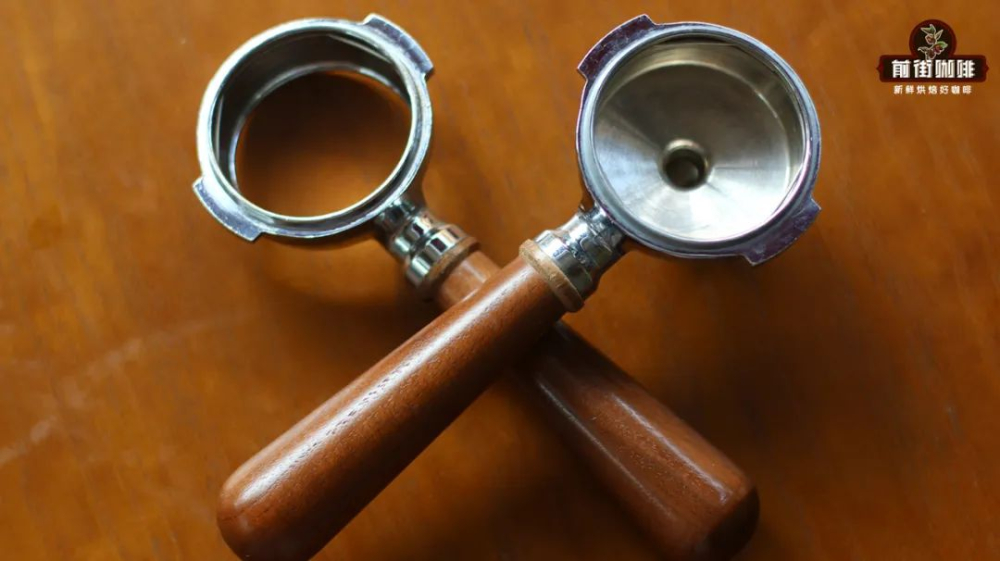
Even today, many established coffee machine brands only include two spouted portafilters, with bottomless versions requiring extra payment or a separate purchase. So split portafilters remain the most commonly used type in many establishments. Some shop owners buy bottomless portafilters separately, or even modify a single-spout portafilter by cutting off the bottom to create a bottomless version.
Characteristics of Different Portafilter Types
Let us start with the characteristics of each. Split portafilters have a closed bottom with two split spouts, and their main purpose is to divide one portion of coffee evenly into two equal parts. This splitting method works better than simply pouring half the coffee liquid from one cup into another, since the latter approach may distribute the crema and coffee unevenly.
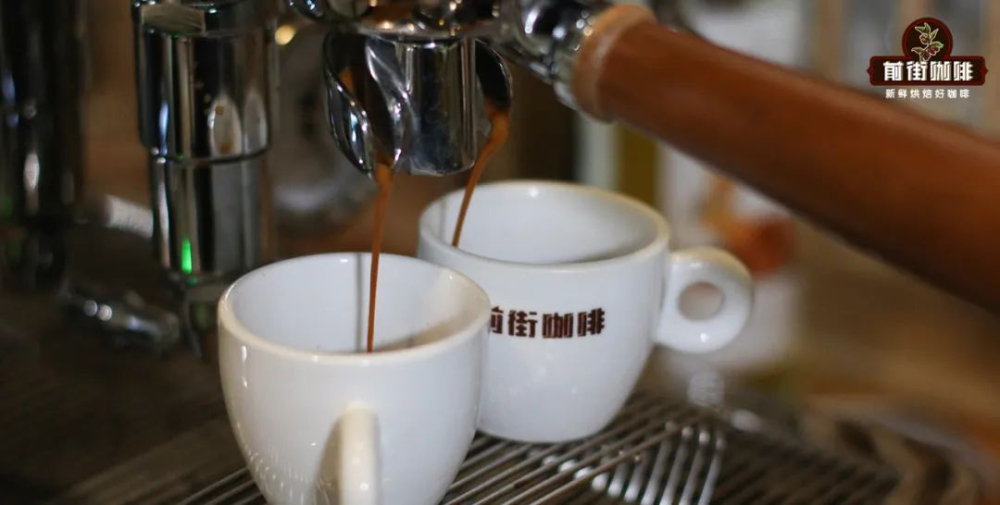
Now, why have bottomless portafilters become popular? Put plainly, the difference between bottomless and split portafilters is the removal of the closed bottom, which allows the filter basket to be observed directly from below. The advantage is that you can watch the espresso extraction flow and effectively spot channeling. When channeling occurs, spraying appears at the bottom of the basket, which is easy to see with a bottomless portafilter but hard to see with a split portafilter.
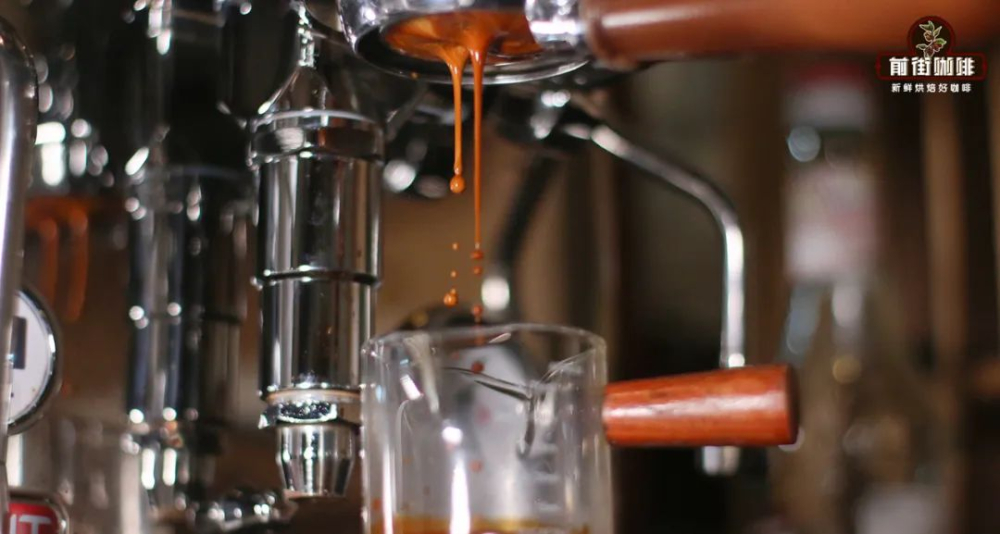
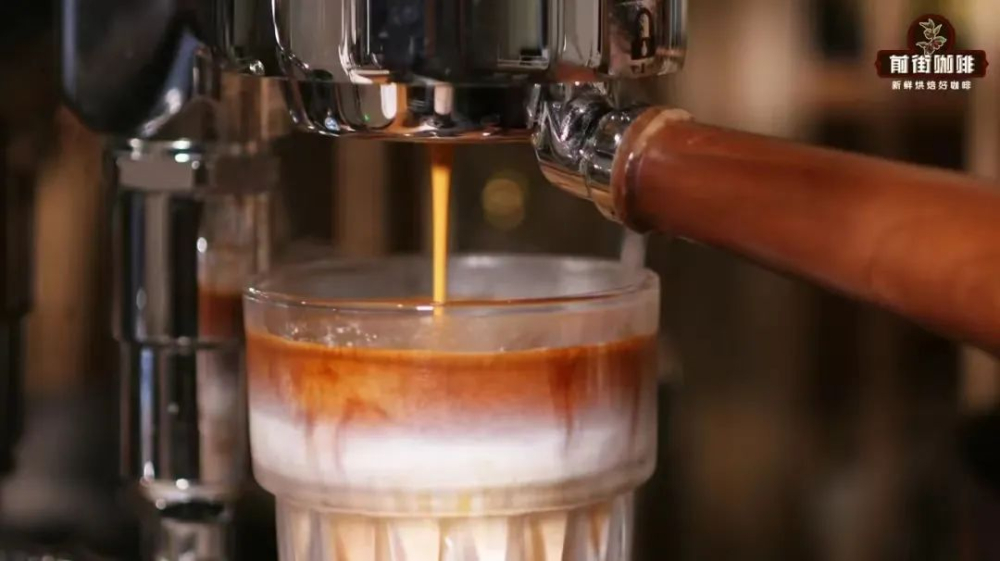
Bottomless portafilters are also more convenient for layered drinks like Dirty. Some coffee machines have limited space between the brew head and the drip tray, so a split portafilter may not fit a 7cm tall cup, while a bottomless portafilter saves about 3-4cm of space.
When catching espresso directly in a cup, though, split portafilters perform better than bottomless ones. As the coffee flows into the cup, the height difference can cause splashing. A split portafilter lets you rest the spouts against the cup's inner wall so the coffee runs down smoothly. A bottomless portafilter cannot do this as easily, and carelessness can splatter marks all over the cup.
Important Differences to Consider
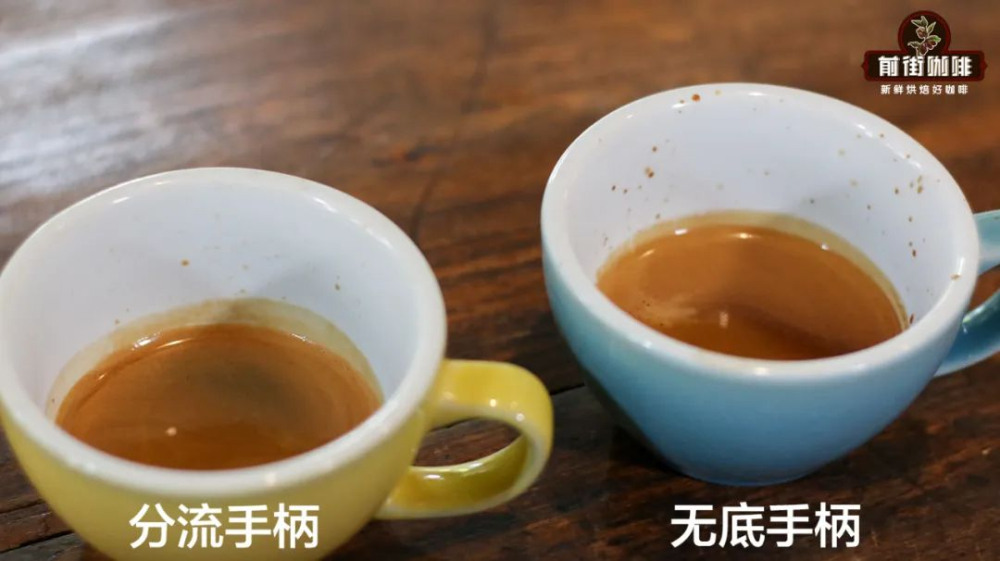
Although the coffee extracted with split versus bottomless portafilters may not differ significantly, some shops use both types at once. There are several important differences to consider.
First Point: Extraction Time
Some people treat extraction time as a measurement standard for extraction parameters. With a split portafilter, the coffee liquid typically appears 1-2 seconds later than with a bottomless one, because it must pass through the splitter before emerging. Anyone who swaps between the two types should keep this difference in mind.
Second Point: Portafilter Preheating
The old question of whether portafilters need to stay attached to the brew head for insulation generally applies to split portafilters, because besides the filter basket, a split portafilter has splitters that the coffee must flow through. Coffee filter baskets are relatively thin and usually reach temperature quickly after a hot water rinse, so they do not need to stay on the brew head for insulation. Splitters are different: made of thicker material and positioned farther from the brew head, they take longer to heat up. That is where the practice of keeping the portafilter attached for insulation came from.
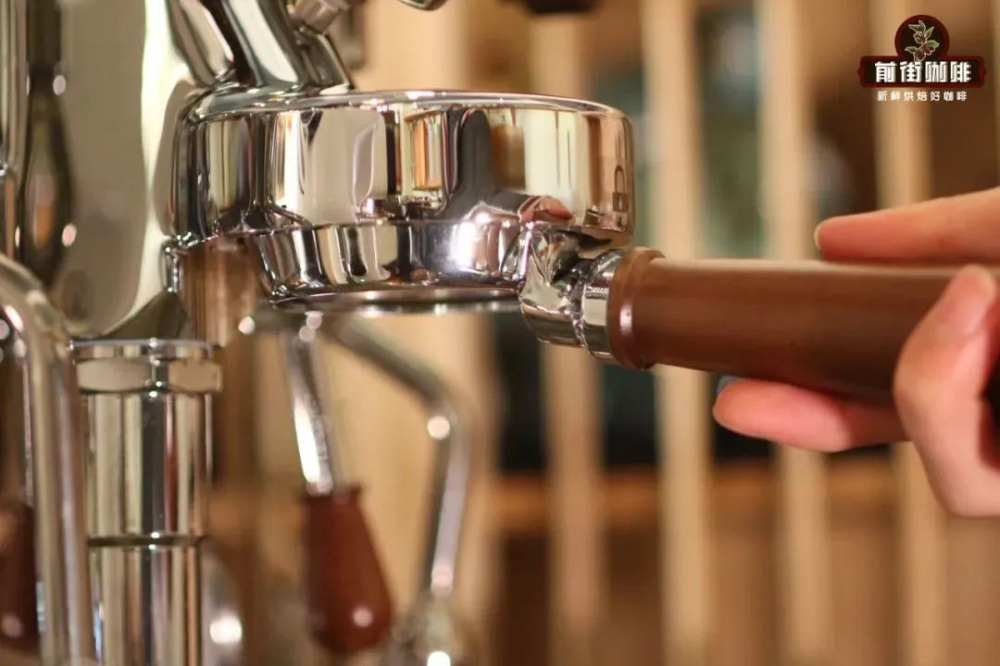
In fact, FrontStreet Coffee recommends against leaving the portafilter attached to the brew head for long periods during non-extraction phases. If you want to preheat it, attach the portafilter to the brew head just before extraction and run hot water through it. (Remember to dry the split portafilter thoroughly to remove moisture.)
Third Point: Cleaning
Bottomless portafilters are simpler to clean, since coffee stains from extraction can be rinsed off directly without removing the filter basket. Split portafilters, however, require removing the filter basket after daily extraction to clean the splitter. FrontStreet Coffee once came across a coffee shop whose owner, new to the field, did not realize the filter basket could be removed. When it was finally taken apart after 3 months of use, the inside of the split portafilter was covered in a layer of brown-black coffee oil stains and gave off a foul odor.
FrontStreet Coffee Recommendation
Whichever portafilter you use, the bean matters as much as the hardware. For espresso, FrontStreet's Classic Blend is designed for espresso and moka pot and stands out for its superb crema, so even a beginner on a non-professional home machine can pull a dense, fine crema; built on a traditional Mamba recipe, it is mellow and full-bodied and suits both veterans and newcomers at home or in a shop. FrontStreet Coffee's Black Cocoa Blend, made from 100% Arabica, also offers rich crema and a full body at a friendly price, a good fit for anyone watching costs.
The Signature Blend, FrontStreet's longest-running shop espresso blend, pairs Brazil Cerrado with Colombia Huila for the classic, familiar Italian coffee taste, and FrontStreet Coffee's Commercial Blend is a cost-conscious classic for high-volume use.
Important Notice :
FrontStreet Coffee is a long-established specialty coffee roaster in Guangzhou China, selling freshly roasted beans from its own farm in Yunnan as well as dozens of carefully selected single-origin beans from around the world for both pour-over and espresso. The products deliver consistently excellent quality and great value, with shipping within 24 hours. Guangzhou's FrontStreet Coffee shop is recommended by many coffee lovers, and the beans are now available online at the Tmall 。
FrontStreet Coffee has moved to a new address:
FrontStreet Coffee Address: 315,Donghua East Road,GuangZhou
Tel:020 38364473
 Scan and follow the En Gafei WeChat official account. Please indicate that the reprint comes from "En Gafei".

