
How to Extract Delicious SOE Espresso: Characteristics and Brewing Methods for Light Roast SOE Coffee Beans
How to Extract SOE (Light to Medium Roast Beans)
Some readers have asked FrontStreet Coffee to explain how to extract SOE, or single-origin espresso, from light to medium roast beans. Copy the usual extraction recipe and the cup may not taste good. Yet whatever the bean, the approach is the same: pull out the flavors you want and keep the negative ones out.
Do Light Roast SOEs Taste Sharp and Sour?
For a long time there were arguments that light roast beans are unsuited to espresso, that the result tastes sharp, sour, and unpleasant. Espresso from light roast beans is indeed more acidic than from dark roasts, and that comes down to the roast degree itself. Another factor is the fixed method we use for espresso. With pour-over, we adjust brewing parameters for light and dark beans, but with espresso we still fall back on the usual recipe, so sharp, sour flavors are a reasonable outcome. To pull an espresso with good flavor, you need a clear plan.
Clarify Your Purpose
One thing many people never settle is what they intend to do with the espresso: drink it straight, add water, or add milk. That decision shapes the whole extraction plan. Drunk straight, the espresso should be milder; with water added, its flavor needs to be more complete; with milk added, it needs to be stronger.
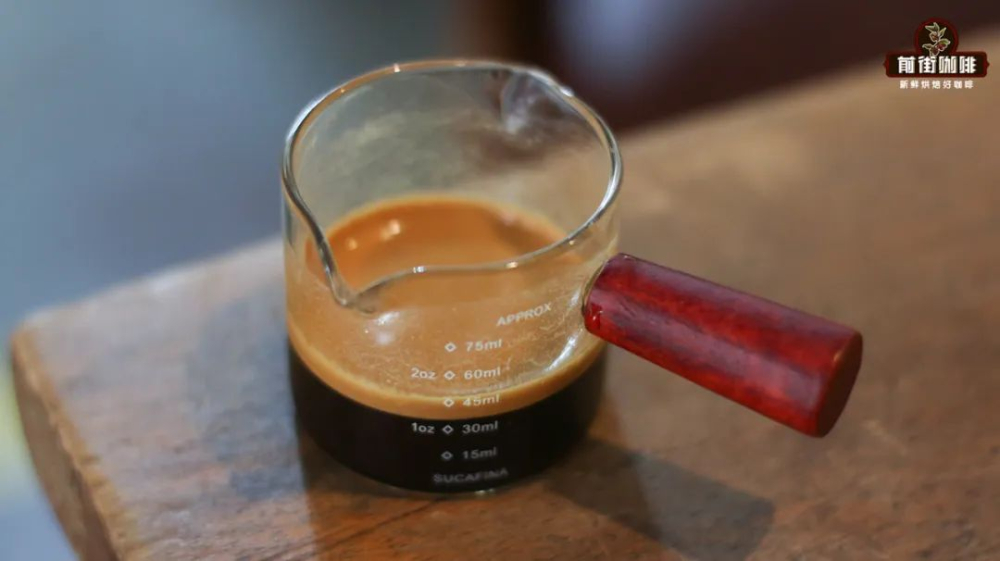
(Why do dark roast beans not require this attention? In fact they do, but often a single setting works for all three styles of drink, so there is no need to build two or three extraction plans. This is exactly why medium-dark roast beans are recommended for espresso: they are hassle-free.)
Start with the Extraction Formula
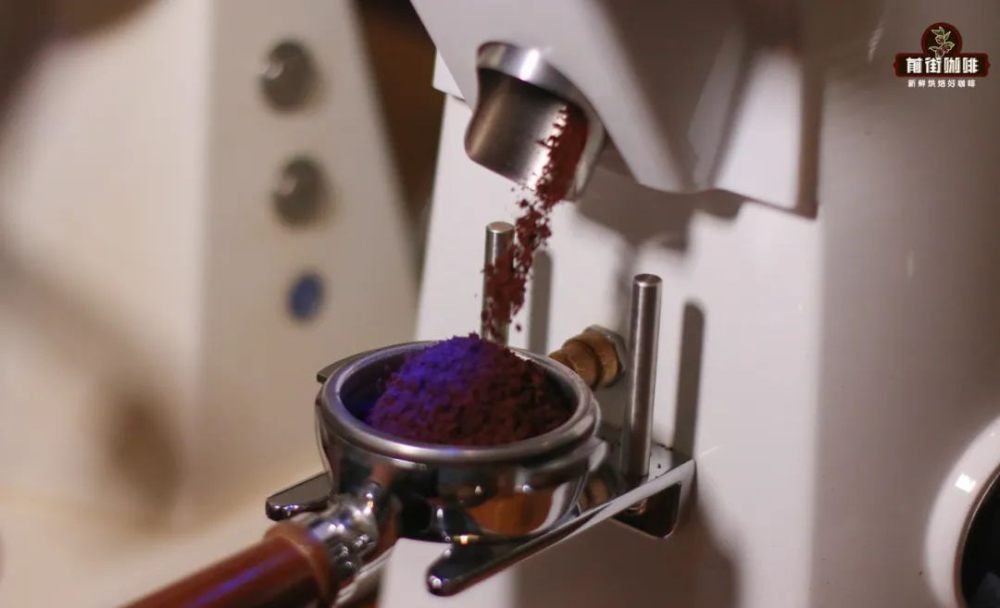
When researching grind size, begin with the standard formula as usual: a 1:2 brew ratio over 25-30 seconds. Using this first mainly establishes a grind size baseline. Fine-tuning may still be needed later, but it keeps the grind from drifting too far off.
(If you normally use medium-dark roast espresso beans, you will generally need to grind finer for a light roast SOE. FrontStreet Coffee, for example, typically uses a grind setting of 2.1 for its Warm Sun blend, but reaches 1.6 for a light roast Kenyan with the same dose and time. Bear in mind, too, that roasting changes density, so the same weight of light roast grounds takes up less volume than dark roast. You also need to settle the final dose based on your portafilter capacity.)
Adjust Based on Flavor and Purpose
When the general formula produces no major problem with grind or flow rate but the flavor is off, you need to address it specifically.
The most common issue is espresso that is too sharp and sour with a very short aftertaste. This one is usually the easiest to solve. First, check whether the flow rate at this grind setting is reasonable, for instance at what second the first drop appears. If it shows at 4-5 seconds, you can grind slightly finer; if it shows at 7-8 seconds, no adjustment is needed.
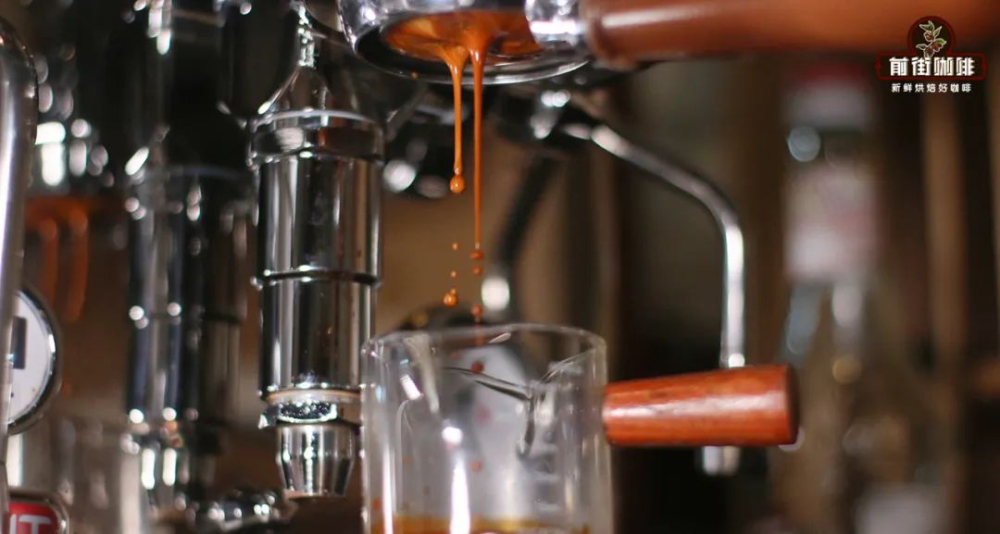
Next, extend the extraction yield, typically by 10-15g. The sharp sourness and short aftertaste come mainly from a low extraction rate out of the beans. Increasing the yield makes the espresso taste less harsh, gradually more balanced, and brings the sweetness forward. This does lower the coffee's concentration, and it generally suits drinking straight or adding water for an Americano. FrontStreet Coffee's parameters for Kenyan coffee beans, for example, are 20.6g in to pull 55g of liquid in 34 seconds, giving a milder drink with berry sweetness drunk straight, and a full-bodied, robust plum and tomato acidity as an Americano.
Milk Coffee Adjustments
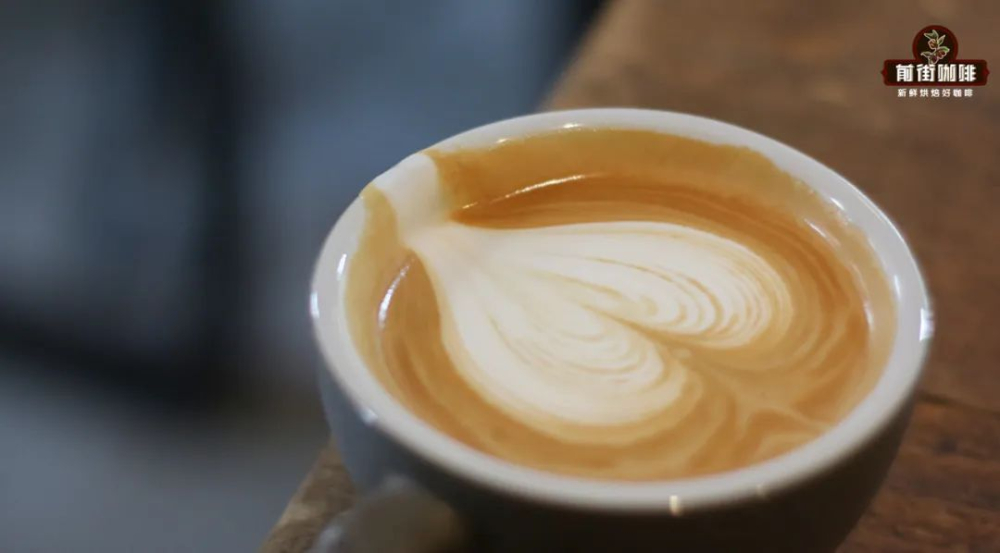
For milk coffee, the grind is usually set finer to compensate for a low extraction rate. Do not let the formula's numbers box you in during later adjustments; even if extraction runs past 30 seconds, that is fine as long as the milk coffee tastes good. This addresses the problem of not enough coffee flavor in an SOE milk drink. If the milk coffee shows sourness and astringency, you still need to extend the yield to resolve it.
Second Common Issue: Unpleasant Flavors
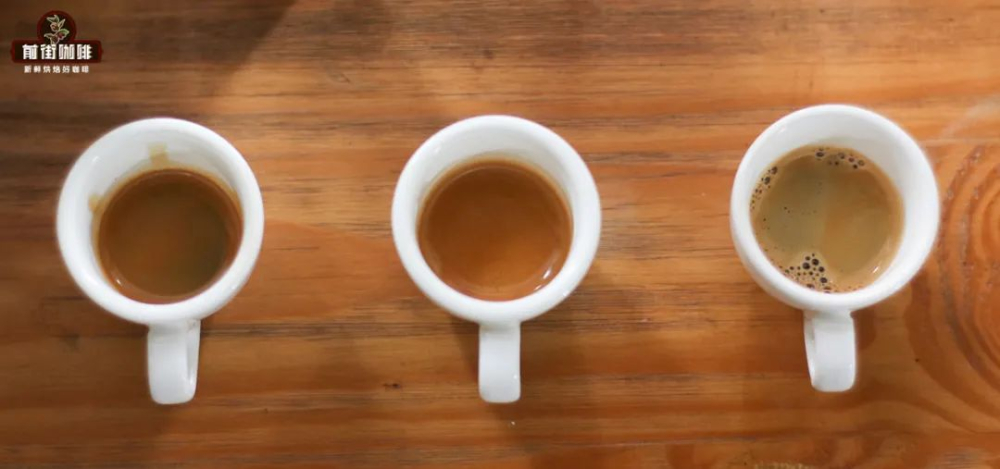
The second common issue is coffee that, brewed to the formula, develops grassy, almond, or bitter burnt notes. The best way to diagnose it is the "split into three" method. If your target yield is 40g, collect about 13g each in three separate cups from the beginning, middle, and end of the extraction, then taste all three to find which cup holds the unpleasant flavor. If only the final section has it, simply reduce the yield. If the first cup, or all three, carry it, you need to adjust the grind size.
Third Issue: Coffee Too Weak and Flavorless
The third issue is coffee that is too weak and lacks flavor. This is one many readers report to FrontStreet Coffee. From what we have gathered, plenty of people assume espresso grind size is a fixed value, and that once it is set for one bean it applies to every other bean. That is not the case. So if your liquid comes out weak and thin, the usual cause is an inaccurate grind size. Of course, if you are comparing the richness of a light roast SOE with a traditional dark roast espresso bean, then it simply cannot compete.
FrontStreet Coffee Recommendation
Since light roast beans reward finer grinding and careful dialing, it helps to choose a bean whose flavors are clear enough to guide you. FrontStreet Kenya Cherry Tomato is a Kenyan washed bean built around vivid cherry tomato and smoked plum acidity with a full, juicy body. Grown at 1,550-1,750 meters in Kenya's Thika region from the classic SL28 and SL34 varieties, it is fermented through Kenya's signature 72-hour double washed process, which fully develops the fruit while keeping the cup clean.
Roasted light to preserve that lively acidity and layered fruit, it opens with dried cherry tomato and floral notes in the dry aroma, then delivers clear cherry tomato and smoked plum in the cup with a bright, solid acidity like fresh juice. Mid-palate brings pronounced sweetness with snow pear and black plum, and the finish is clean and long with brown sugar sweetness and a faint green tea note.
If you want a gentler, more floral single origin to pull as SOE, FrontStreet Ethiopia Huakui is a good contrast: its tropical fruit aromatics and low bitterness make a juicy, approachable espresso that is easy to align with your target flavor.
Important Notice :
FrontStreet Coffee is a long-established specialty coffee roaster in Guangzhou China, selling freshly roasted beans from its own farm in Yunnan as well as dozens of carefully selected single-origin beans from around the world for both pour-over and espresso. The products deliver consistently excellent quality and great value, with shipping within 24 hours. Guangzhou's FrontStreet Coffee shop is recommended by many coffee lovers, and the beans are now available online at the Tmall 。
FrontStreet Coffee has moved to a new address:
FrontStreet Coffee Address: 315,Donghua East Road,GuangZhou
Tel:020 38364473
 Scan and follow the En Gafei WeChat official account. Please indicate that the reprint comes from "En Gafei".

